9 Reasons You’re Paying More for Groceries
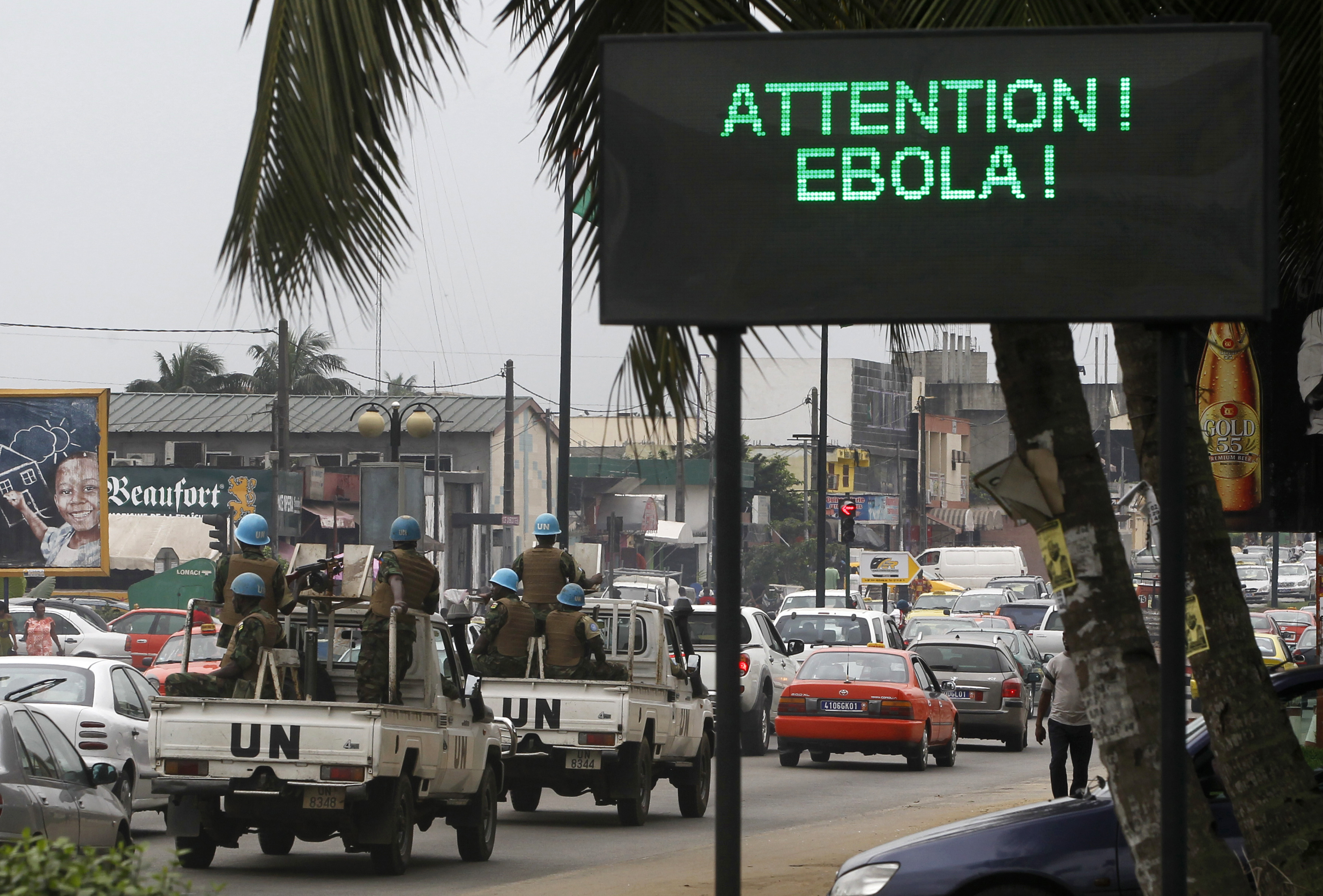
The deadly Ebola virus, which is spreading in West Africa and killing thousands, is now also impacting the cost of cocoa. Cocoa prices are soaring as concerns mount that shipments from Ivory Coast might be disrupted.
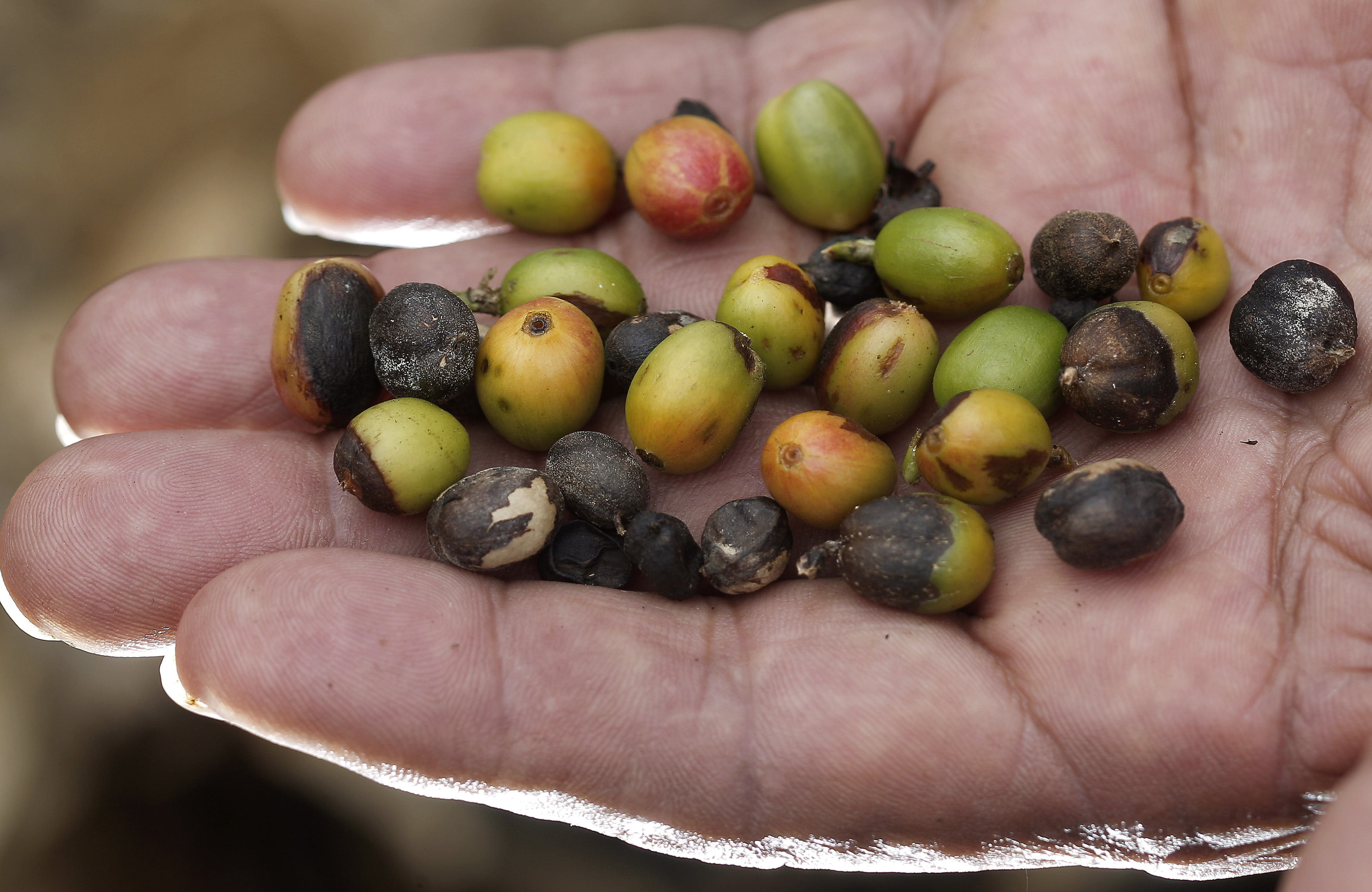
A fungus that arrived in Mexico and Central America roughly 40 years ago is experiencing its worst outbreak, decimating coffee plantations in Guatemala, Honduras and Costa Rica. Coffee production in Guatemala alone could drop by 40 percent, farmers believe. This would inevitably drive the price of coffee higher.
Juan Carlos Ulate / Reuters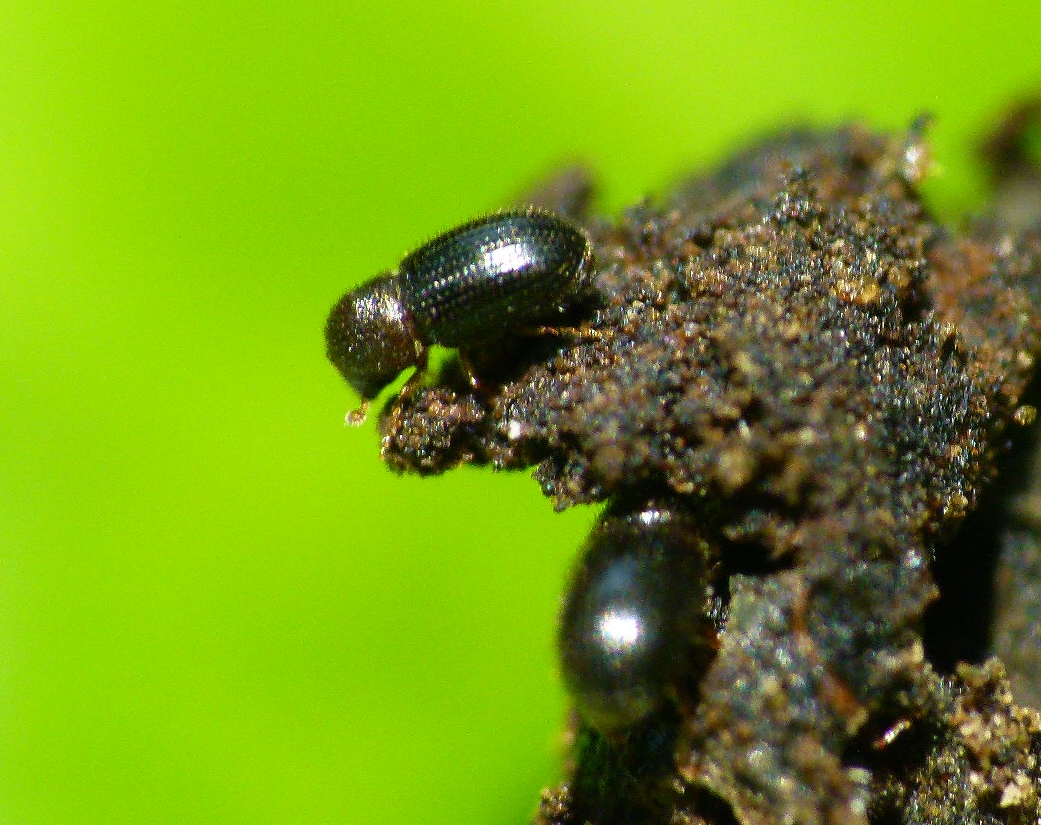
The berry borer beetle is another cause of shrinking coffee crops and higher coffee prices. The insect has been attacking coffee plantations around the world, burrowing into the beans and eating its way out – reducing yield by 50 to 75 percent in some cases.
Wikimedia Commons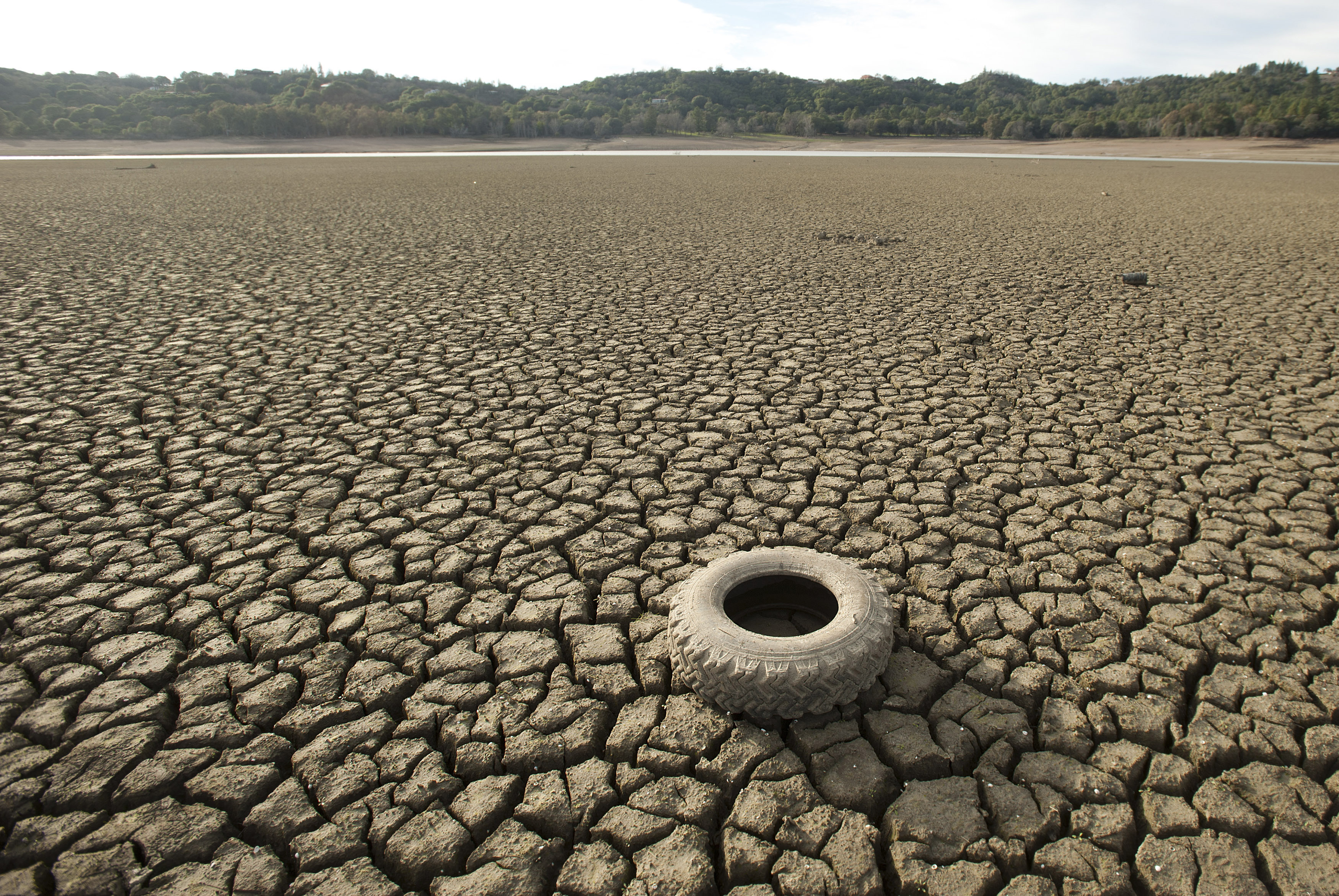
The drought out West has impacted the price of animal feed and in turn the price of meat, especially beef, but also the price of fruits, vegetables and dairy products. It’s even impacting the price of sushi: The drought has reduced the production of rice used by sushi restaurants, as Politico recently reported.
REUTERS/Noah Berger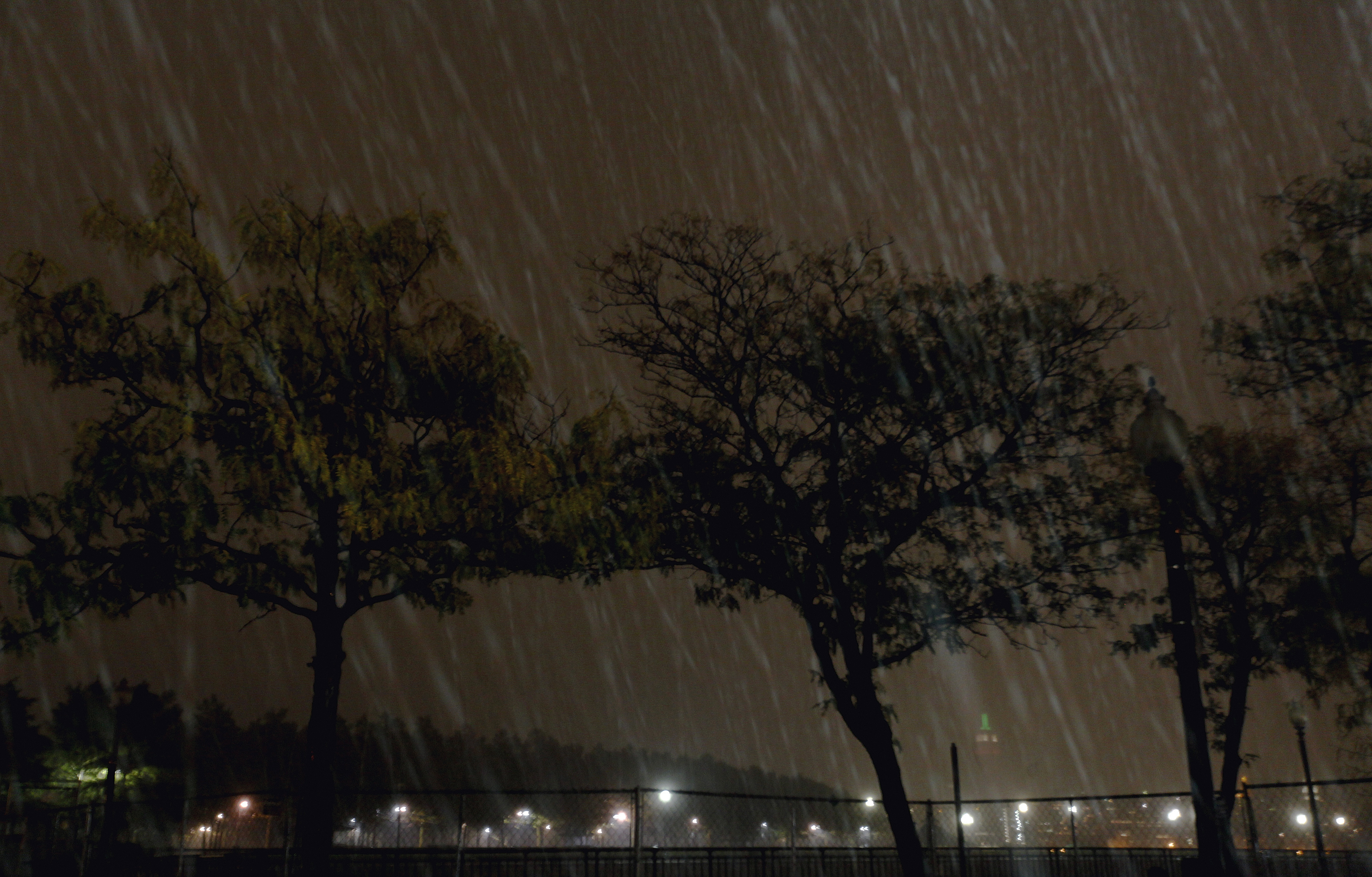
Bad weather isn’t a new phenomenon, but this year hail storms have damaged nut crops, especially hazelnuts in Turkey, prompting many to worry we might soon experience a shortage of Nutella. The price of hazelnuts has increased by more than 60 percent this year to a 10-year high, The Guardian reported.
REUTERS/Gary Hershorn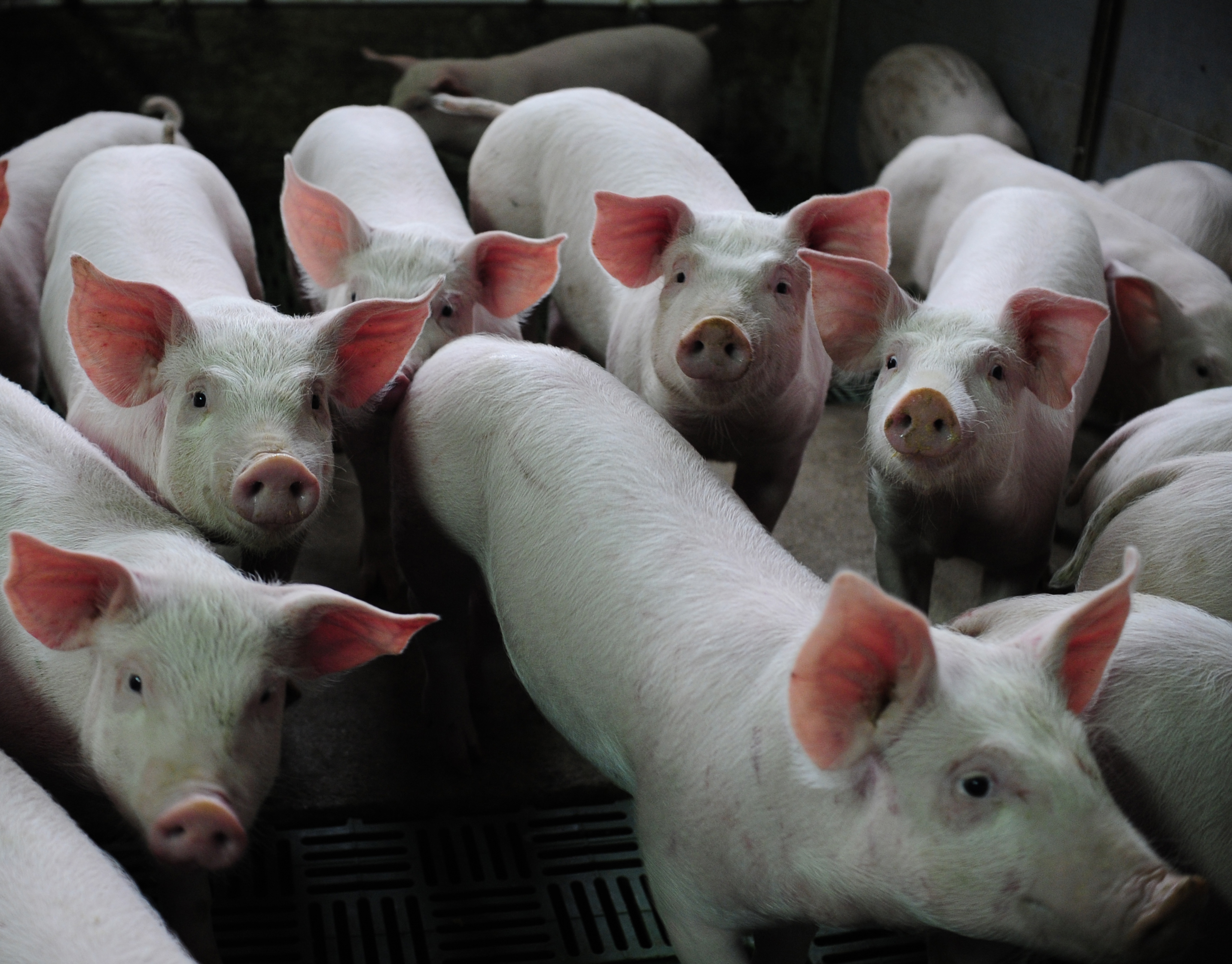
Swine diseases don’t just include the swine flu. Over the summer, a second outbreak of the porcine epidemic diarrhea virus emerged. Since the virus appeared in the U.S. in April 2013, it has killed on average 100,000 piglets and young hogs each week.
© Ognen Teofilovski / Reuters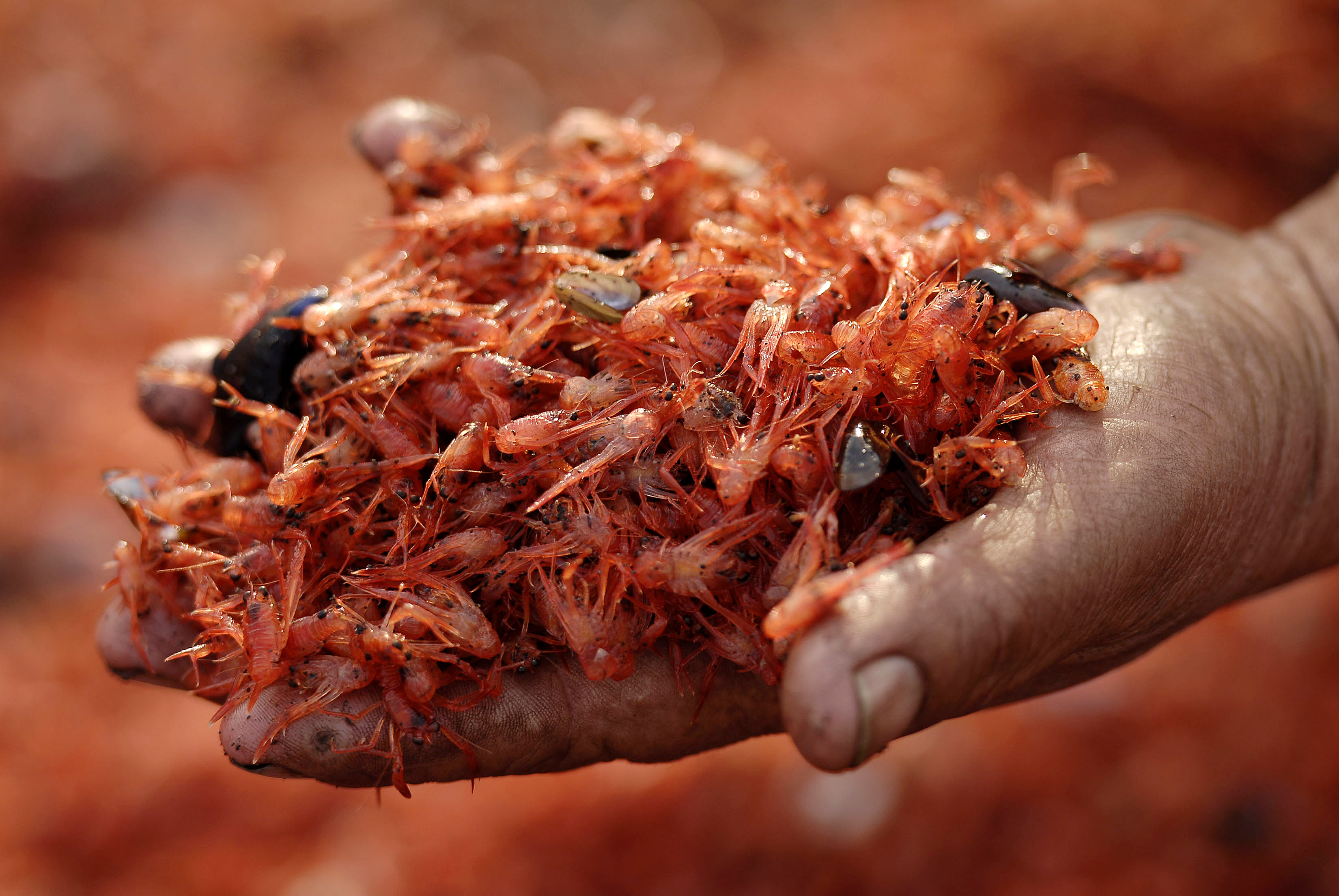
A bacterial infection called early mortality syndrome has reduced shrimp output in Thailand, the world’s largest shrimp exporter, by as much as 40 percent, driving prices in the U.S. up by about 20 percent.
Jose Saavedra / Reuters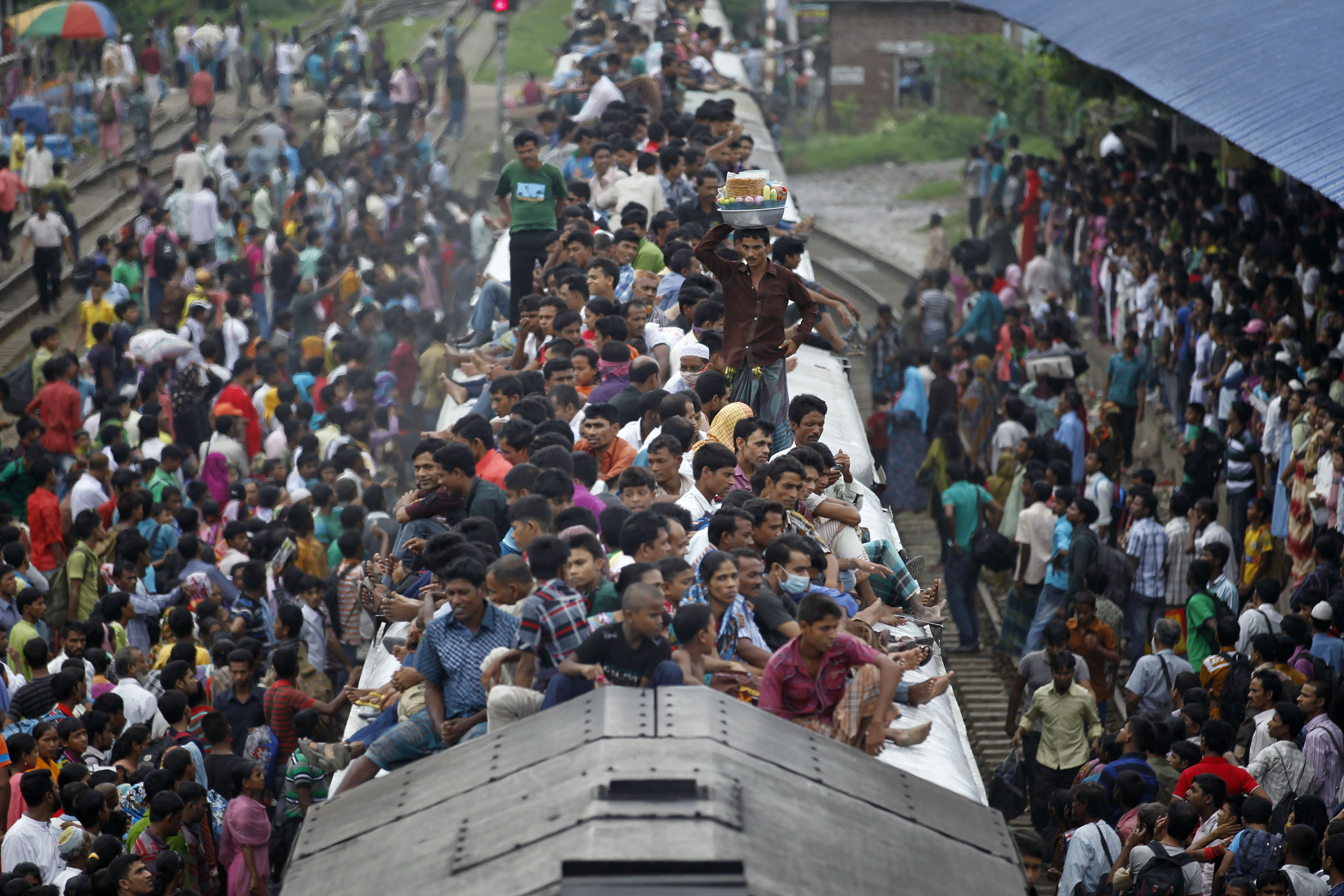
Population growth in booming Asian countries, coupled with a change in taste as the middle class grows larger in these countries, have prompted milk prices to soar. “Asia’s growing thirst for milk is spilling over onto the U.S. market, pushing prices for consumers and pressuring profits for some food makers,” The Wall Street Journal reported earlier this year, mentioning China, Indonesia and Vietnam.
Andrew Biraj / Reuters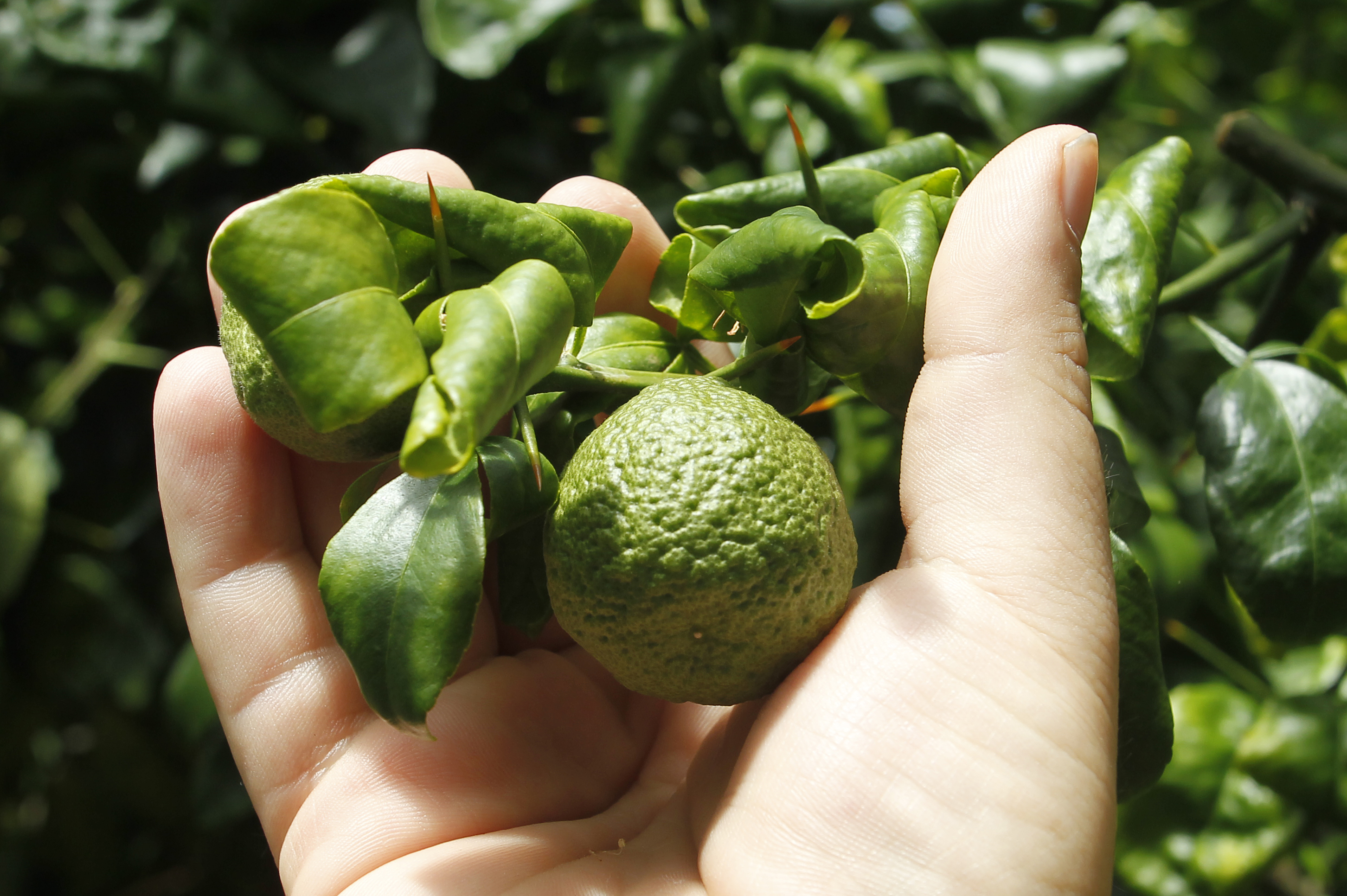
Citrus greening has been damaging citrus trees throughout Florida, and despite efforts at the University of Florida to treat trees, the fight against the disease is only temporary; consumers have felt the pinch at the checkout line. “We are hoping by buying time we can keep the industry in production until a more permanent cure is found,” said Reza Ehsani, a researcher at UF.
REUTERS/Joe Skipper