
8 Retro Toys Your Kids Will Love
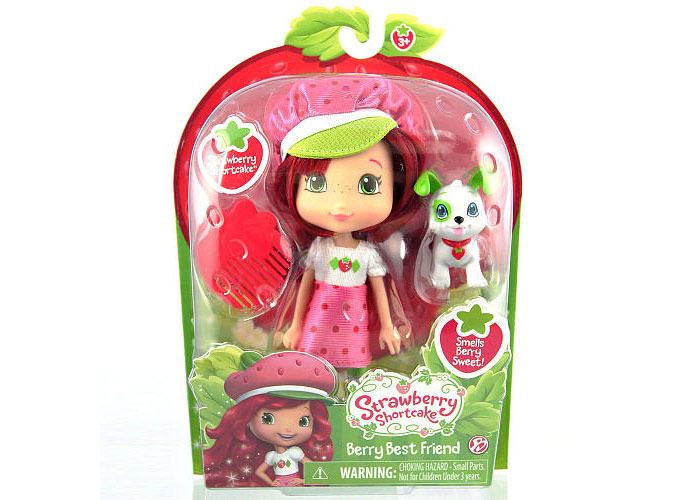
The first Strawberry Shortcake doll was released in 1979 by Kenner Products and quickly became a fad in the 1980s among girls. Each doll had a fruit or dessert theme with clothing and signature scent to match.
The Bridge Direct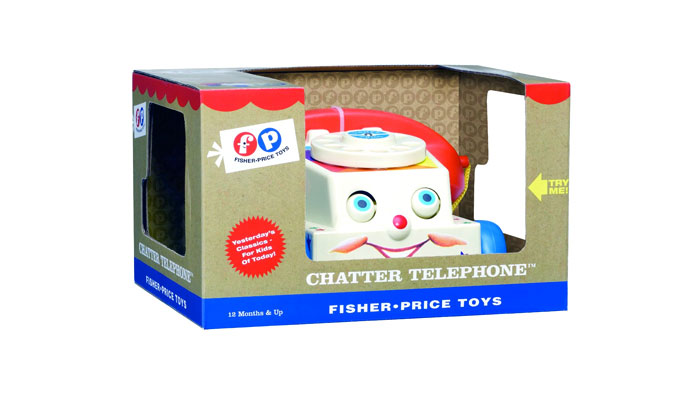
Introduced in 1962 by Fisher-Price, this pull-toy may not resemble today’s phones with its old school rotary dial and clunky receiver, but 2-year-olds still get a kick out of the lights and sounds it makes. In 2000, the company tried to modernize the phone by replacing the dial with push-buttons, but reverted to the original design after consumer complaints.
Fisher-Price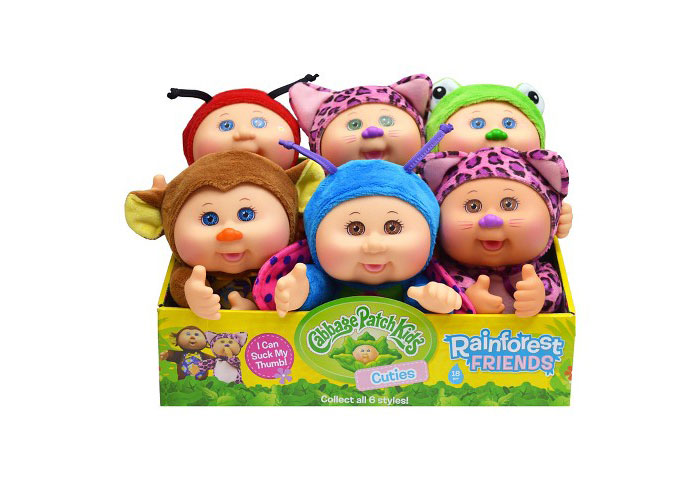
Wicked Cool Toys this year took over the Cabbage Patch licensing agreement to become the master toymaker for the doll that took the 1980s by storm. Along with introducing a new kids line, the company also added eight new pet dolls called Adoptimals that come with a bowl and brush.
Wicked Cool Toys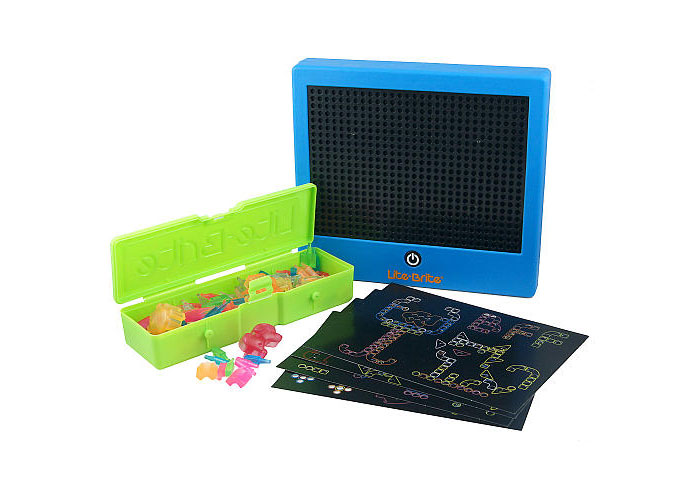
Created in 1967, this simple toy allows children 4 years and up to create images with colored pegs. The iconic toy has gone through several iterations and now is powered by LED lights. Unfortunately, a number of reviewers say the LED lights are too dim compared to the originals.
The Bridge Direct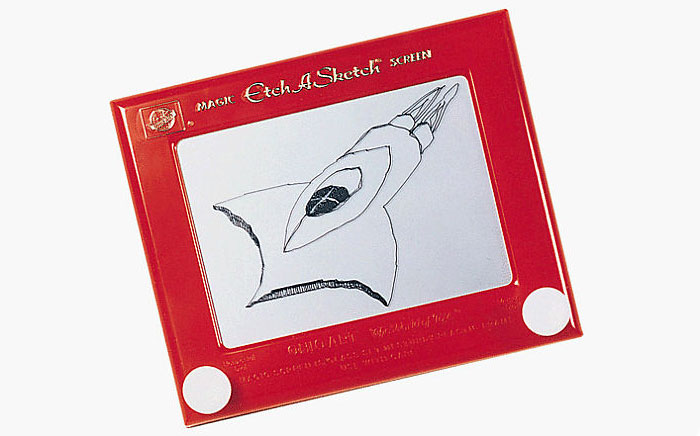
This simple toy debuted in 1960 and its red frame and two knobs look nearly the same as it did more than a half-century ago. The toy requires no batteries, just imagination. In 1998, it was inducted into the National Toy Hall of Fame and made the Toy Industry Association’s “Century of Toys” list in 2003.
Ohio Art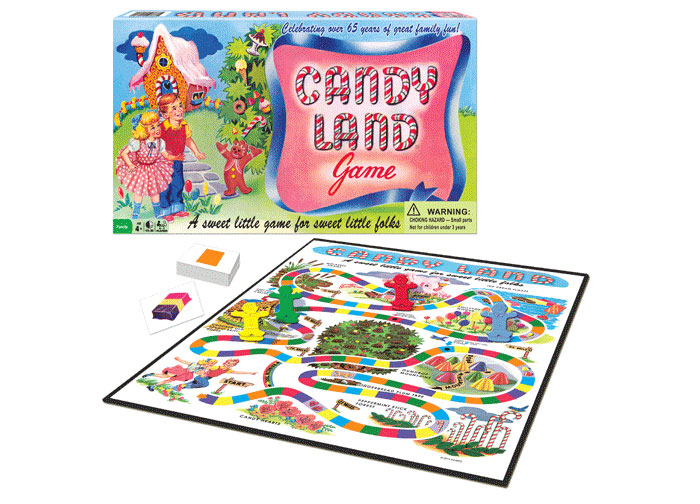
This board game has undergone a few revisions since it was first sold in 1949, with the most recent version released in 2013 using a spinner rather than cards. Hasbro also has produced a travel version, a personal computer game and a handheld electronic version. The game was inducted into the National Toy Hall of Fame in 2005.
Hasbro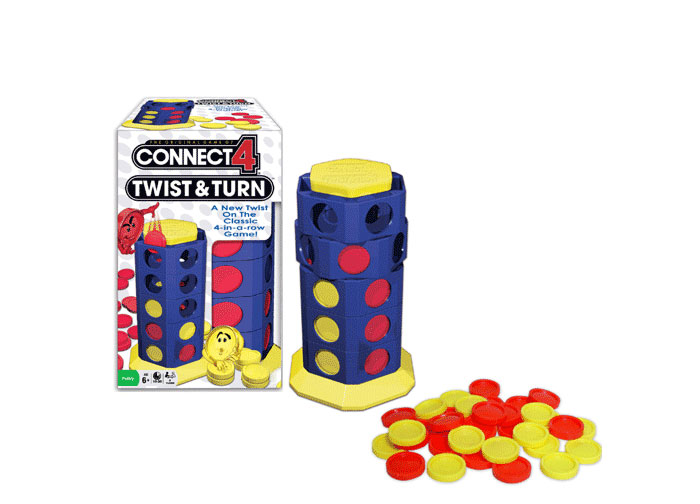
Introduced in 1974, this two-player classic is based on a centuries-old game also known as Captain’s Mistress. This year, Winning Moves debuted a twisting tower version of the game that adds another layer of strategy to the game.
Milton Bradley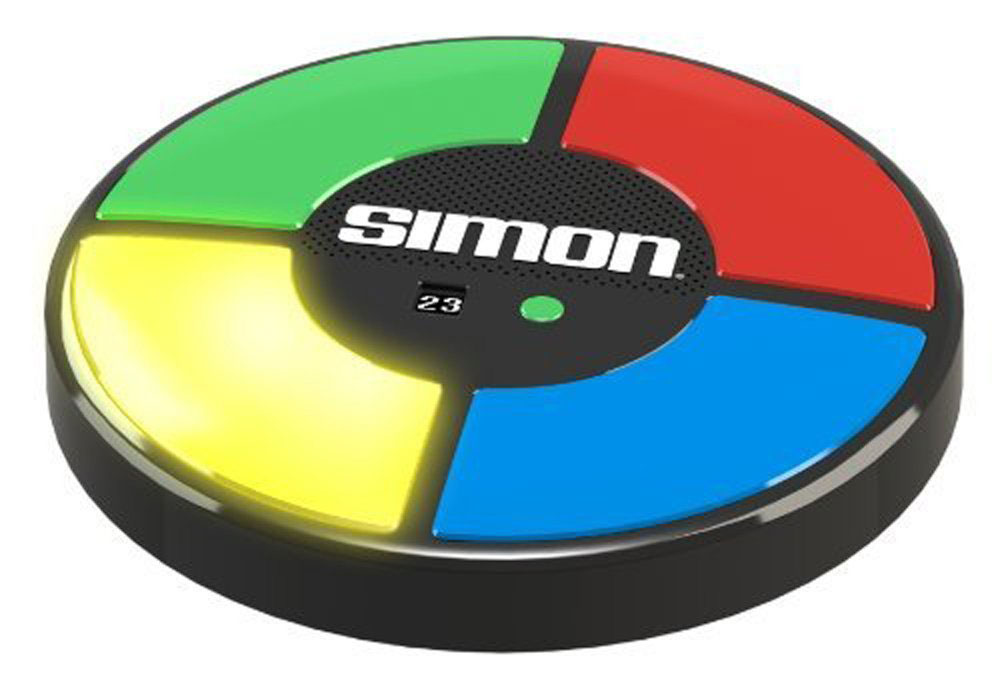
Named for the children’s game Simon Says, this electronic game tests the memory of players who must repeat increasingly complicated tone and light patterns. A four-foot model of the game hung from the ceiling of the famed Studio 54 in New York City as a promotional stunt when the game debuted in 1978.
Milton Bradley