
10 Money Do’s and Don’ts from the Presidential Candidates
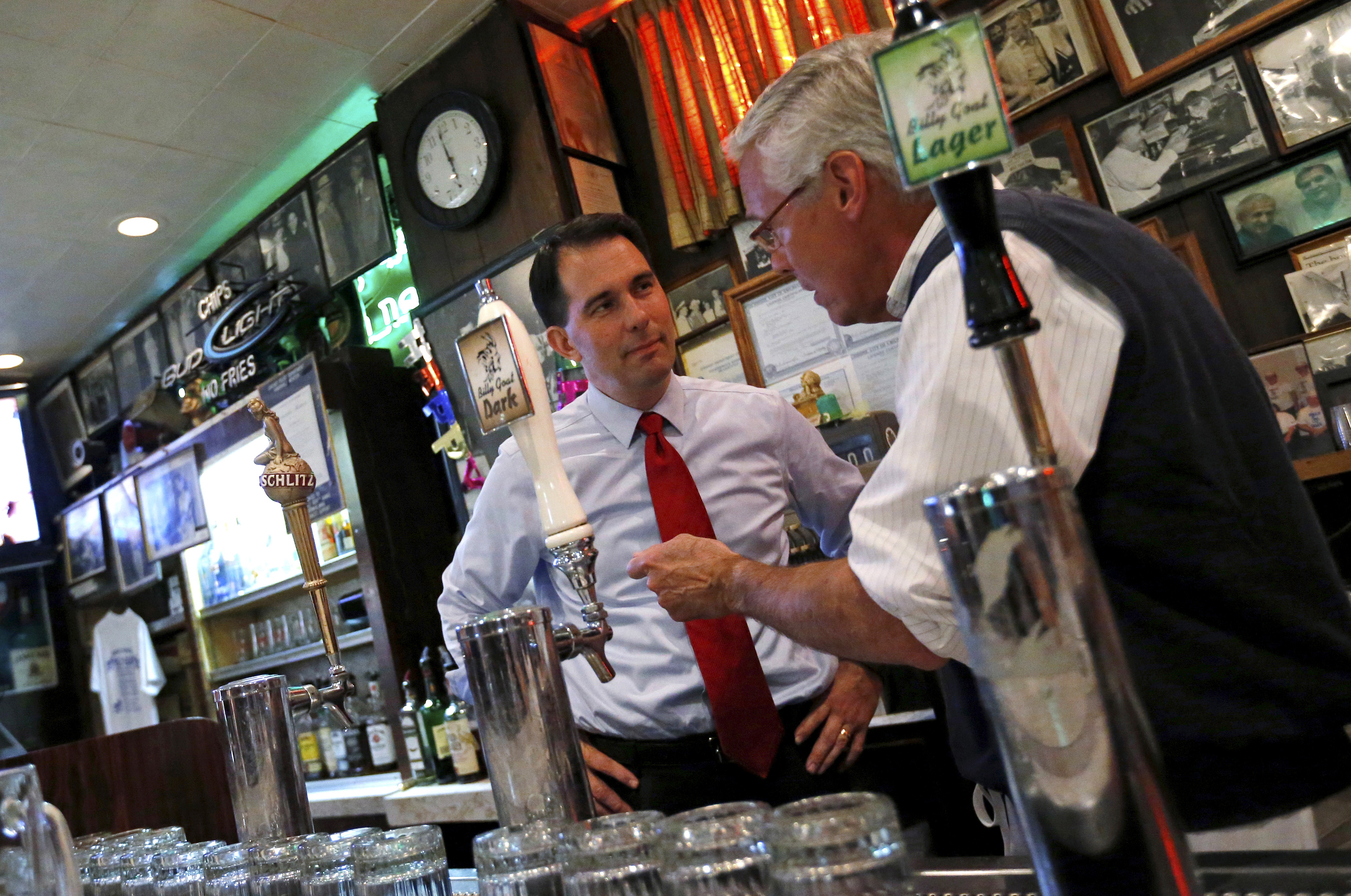
The lesson: Don’t carry high-interest credit card debt.
The Wisconsin governor is paying 27.24 percent interest on a Barclays credit card with an outstanding balance of $10,000 to $15,000 on it. That’s nearly twice the current average credit card rate of 15 percent. If he can’t pay it off immediately from his $144,000 salary, Walker should consider transferring the debt to a card that offers a 0 percent balance transfer and then focus on paying it off within the 12-to-18-month promotional period.
© Jim Young / Reuters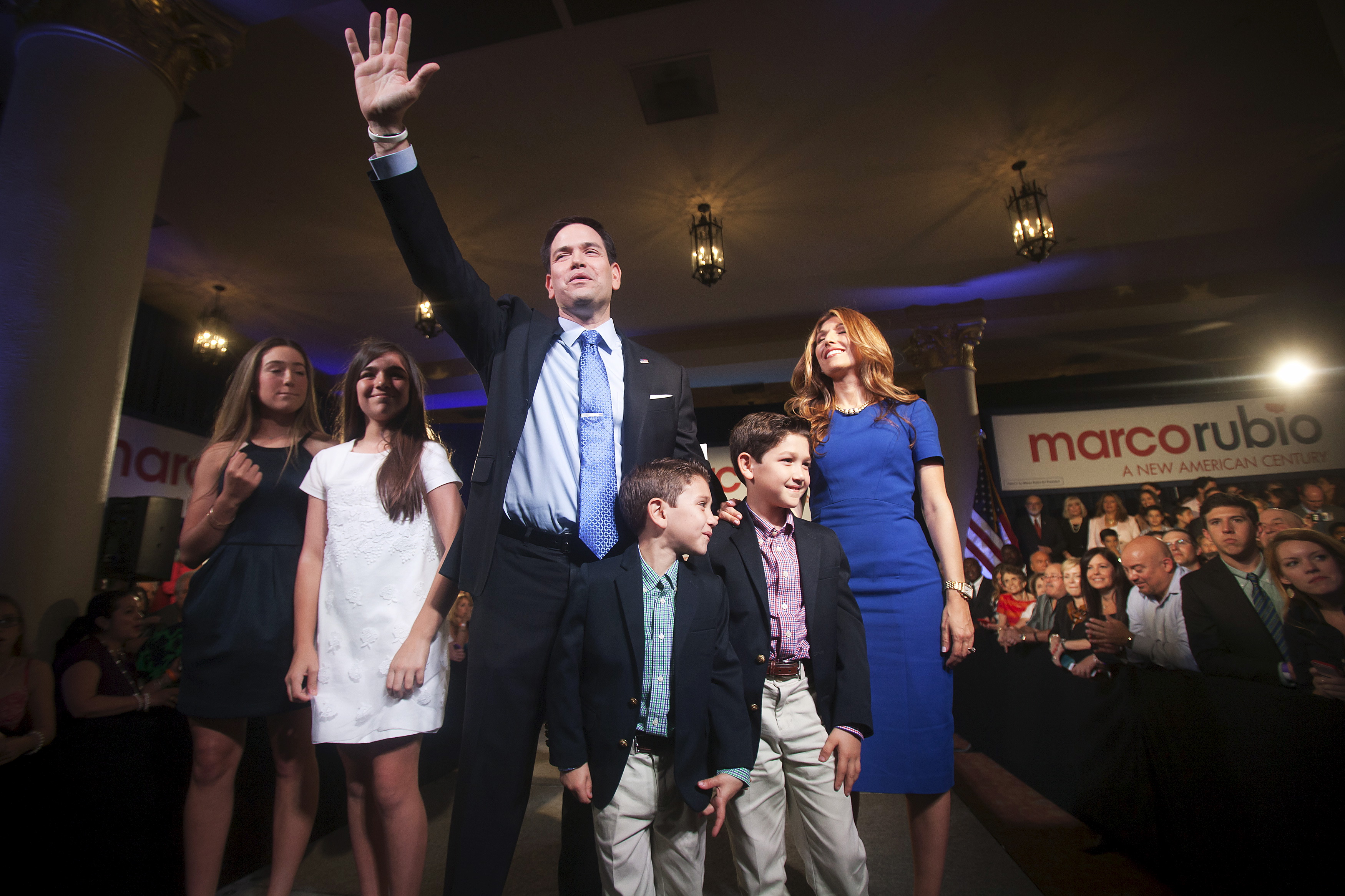
The lesson: Have an emergency fund.
The Florida senator reportedly cashed out a retirement account last September partly to cover the costs of a new refrigerator and air conditioner. If Rubio had managed to set aside the recommended three to six months’ worth of living expenses for emergencies, he could have let that money continue to grow in his nest egg rather than potentially paying tax penalties on it and jeopardizing his retirement security.
© Carlo Allegri / Reuters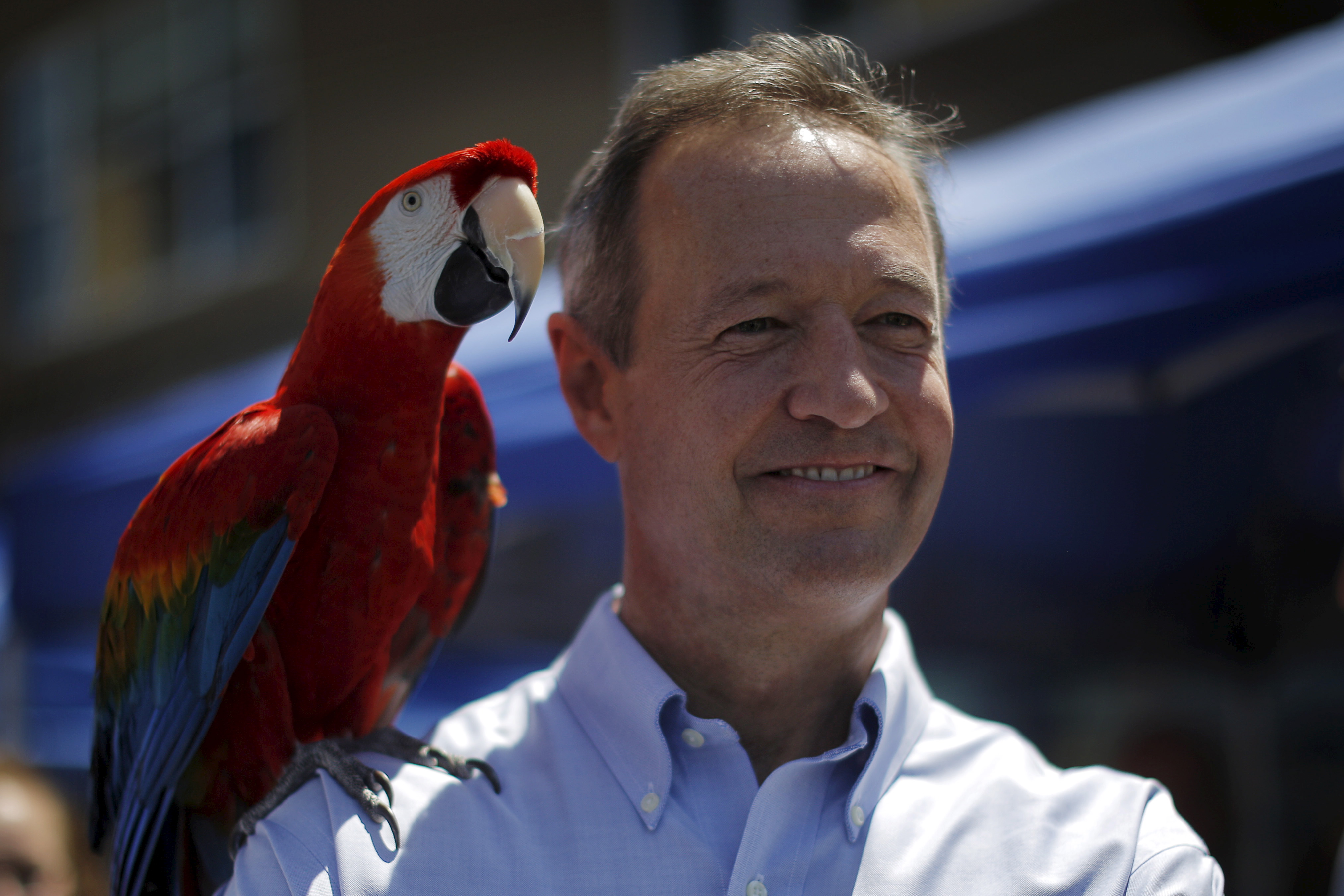
The lesson: Save for college in a 529 account.
The former Maryland governor has said that he and his wife took out nine loans totaling $339,200 to cover their daughters’ college tuitions. Not all loans are bad, especially given the low interest rates we’ve had over the last several years, but experts say that to have borrowed that much, he likely hadn’t previously saved any money for their school bills. Putting money into a 529 account throughout their childhoods would have allowed him to borrow less money (and pay less in interest) to cover their tuition. Alternatively, he could have advised the girls to go to less expensive schools or to borrow money in their own names.
© Brian Snyder / Reuters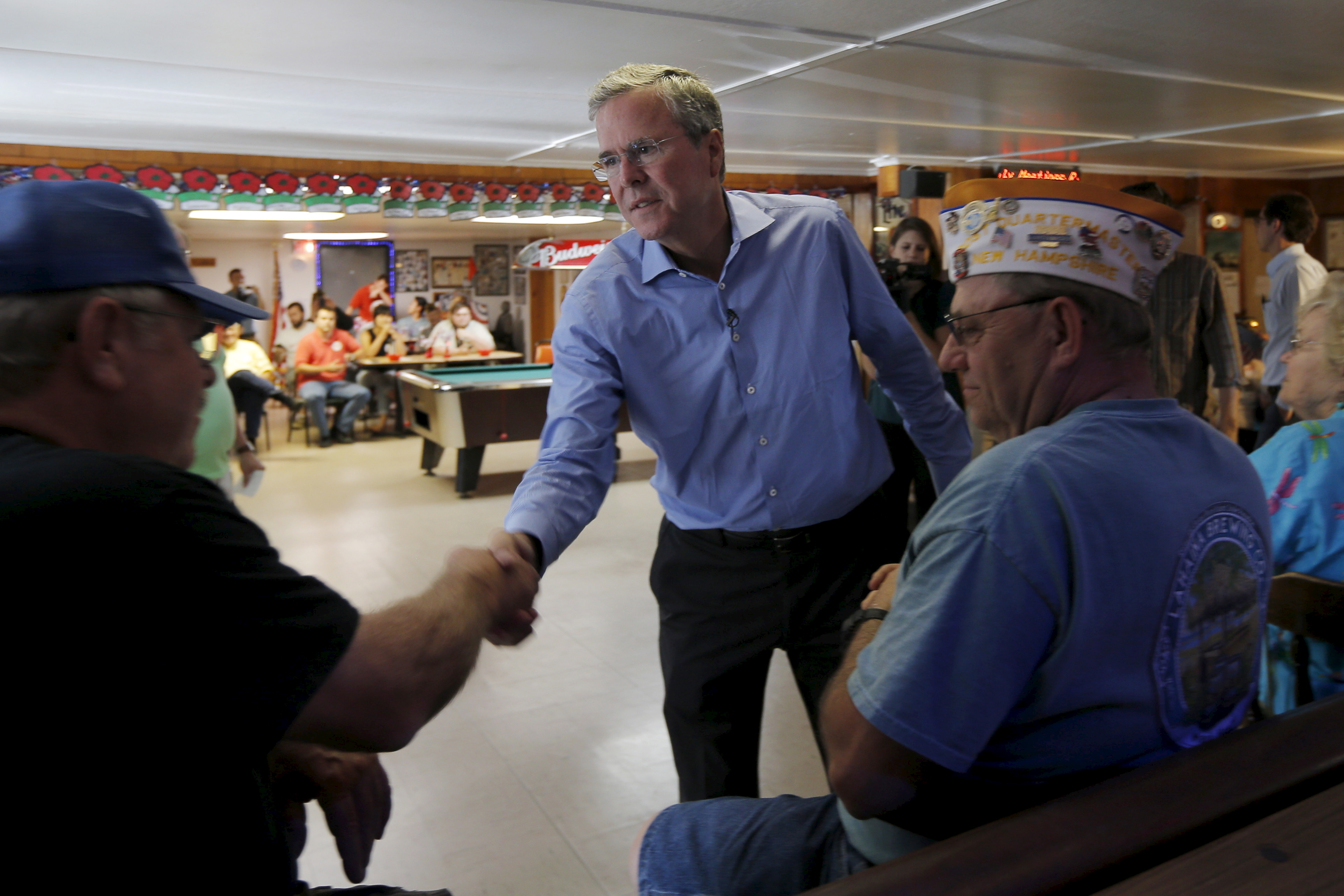
The lesson: Poor tax planning can cost you.
The majority of the former Florida governor’s income comes from earnings via business deals and consulting work. Bush chose to classify that money as “Schedule C” income, which meant he had to pay standard tax rates as high as 35 percent and 39.6 percent. If he had structured his business differently, he could have classified much of those earnings as dividends and paid 15 to 20 percent on it. Some pundits have said that Bush chose to pay higher taxes in order to avoid the problems that Mitt Romney’s campaign ran into in 2012, when filings revealed that the millionaire paid an effective tax rate of less than 14 percent.
© Brian Snyder / Reuters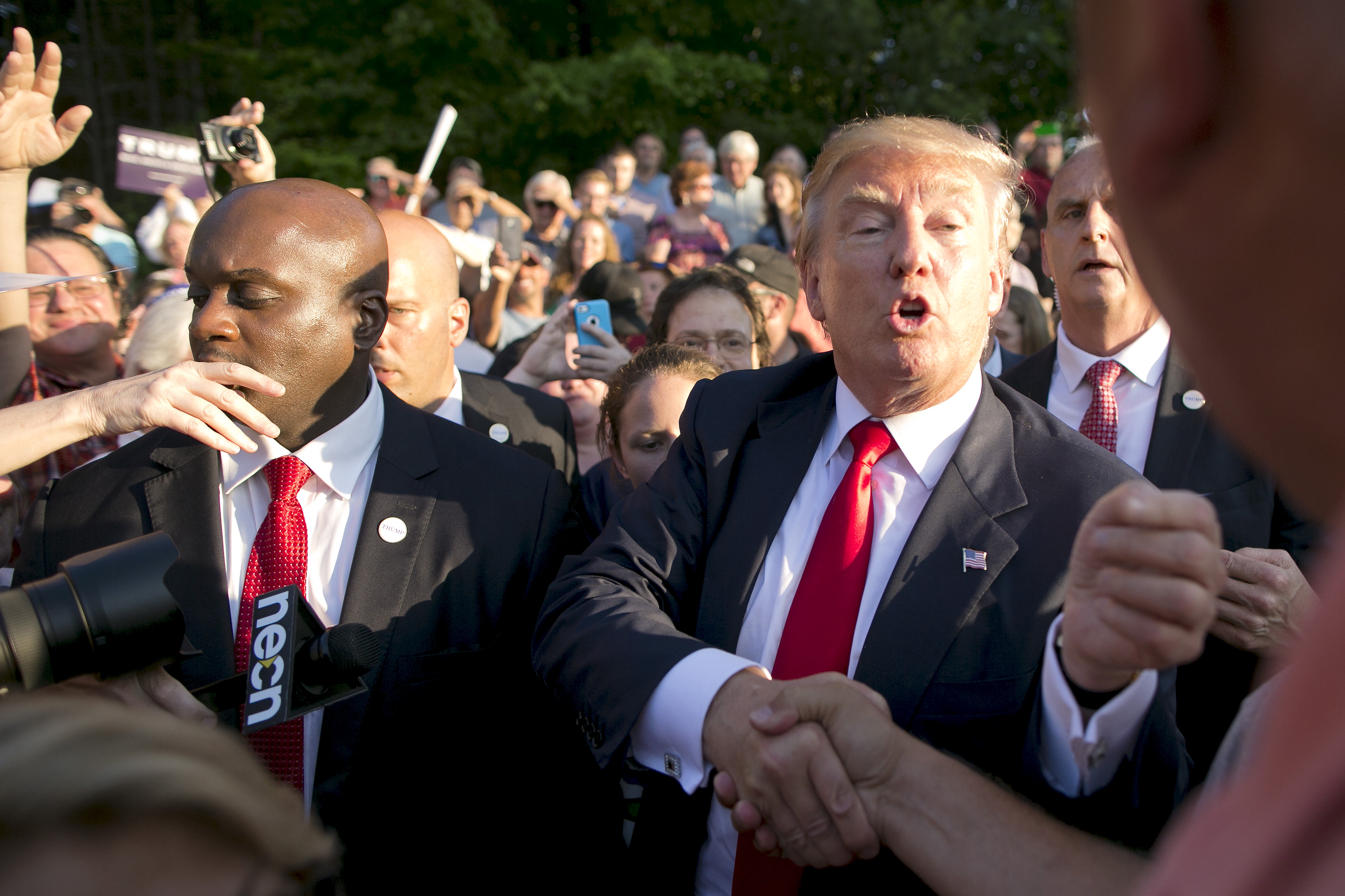
The lesson: Build your personal brand to succeed in business.
Love it or hate it, the Trump brand is a strong force that’s propelled the billionaire in the polls and contributed to his previous business success. While being known as a loud-mouth braggart works for The Donald, most Americans would do better building a business reputation based on what type of value you can bring to your company or your network. Focusing on recent accomplishments can draw attention away from previous missteps. After all, no one is really hammering Trump about those corporate bankruptcies or the Trump Shuttle.
© Dominick Reuter / Reuters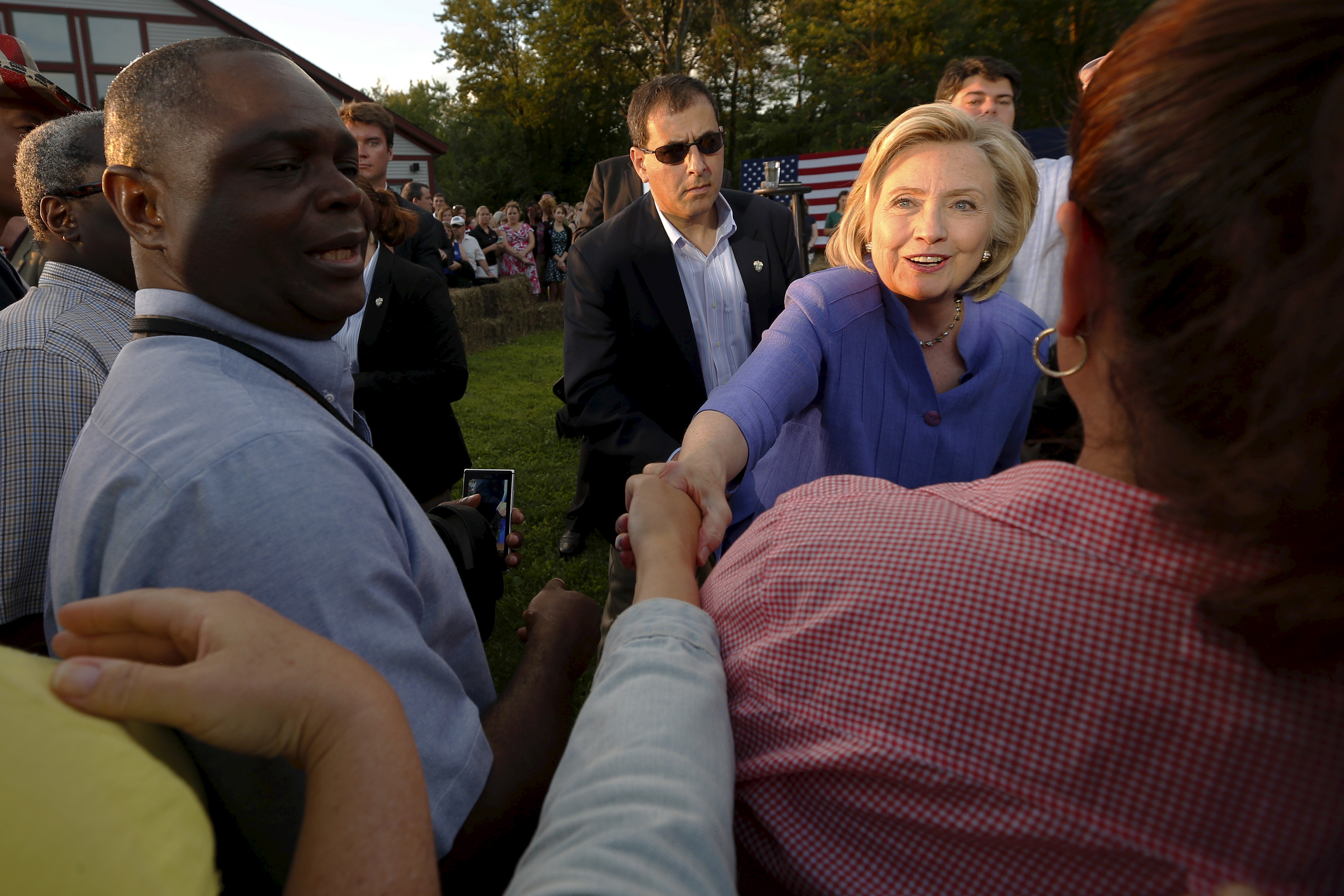
The lesson: Don’t keep too much money in cash.
The Clintons have between $5 million and $25 million in a Vanguard 500 index fund, but they also have a similar amount in what the former Secretary of State’s financial disclosure form describes as a J.P. Morgan “custody account (cash).” If they’ve kept those millions in a regular savings account, they’ve missed a record stock run and are likely earning a paltry rate of interest. The Clintons have chosen to keep a lot of their money in cash in order to shield Hillary from any appearance of a conflict of interest, a decision that could be costing them millions (not that they’re hurting financially). Yes, investing in the stock market has risks, but if you want your money to grow long-term, cash isn’t the way to go.
© Brian Snyder / Reuters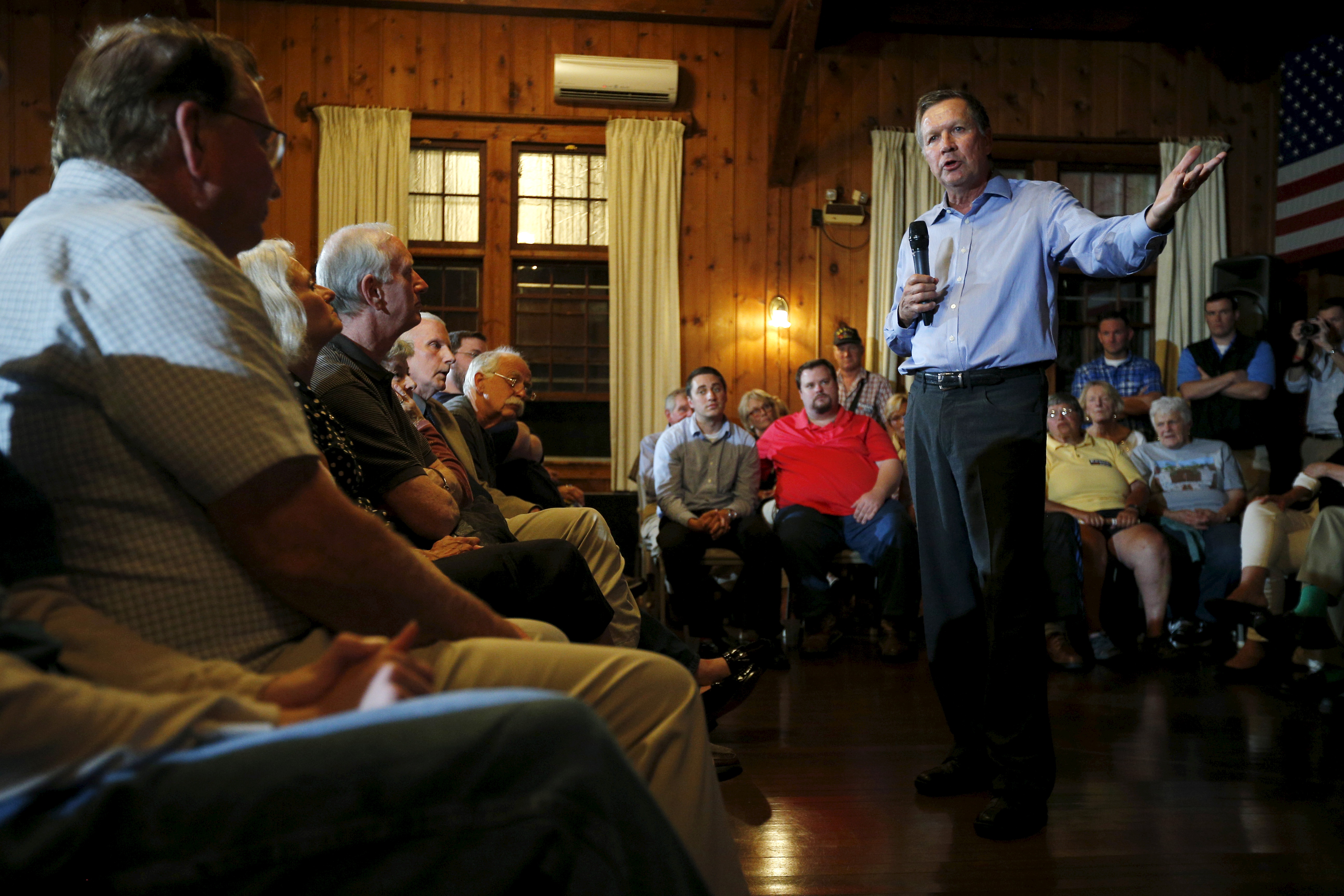
The lesson: Invest in a mix of taxable and tax-free investments
Ohio Gov. John Kasich and his wife have a net worth of between $9 million and $22 million, including at least $2 million of which is invested in tax-free investments such as municipal bonds for several Ohio cities. Interest on general obligation bonds for local governments is not taxed, and drawing from those funds could help the Kasich family offset other taxes when needed.
© Brian Snyder / Reuters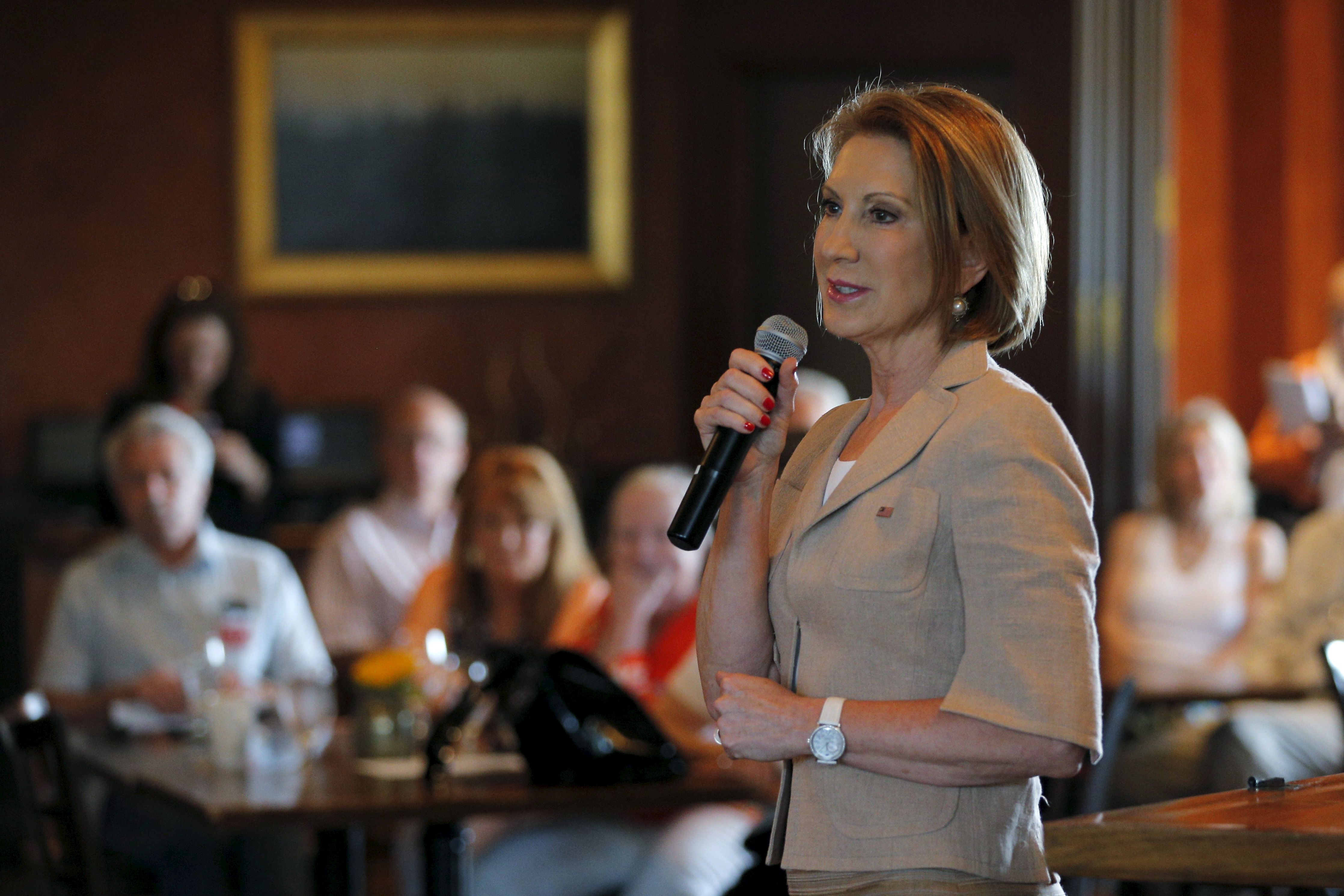
The lesson: Ask for a promotion
Carly Fiorina’s tenure as CEO of Hewlett-Packard was rocky, but her rise to the position is legendary. She reportedly cornered an HP board member in a Chicago airport in 1999, persuading him by saying, “You can’t tell me there’s a better person for the job.” Her overtures paid off (for Fiorina, if not for the company), and she became the first non-family member to lead the firm, and the first woman to head a Fortune 100 company. Studies have shown that men are more than twice as likely to ask for a promotion or a raise at work, which results in higher pay and more career success.
© Brian Snyder / Reuters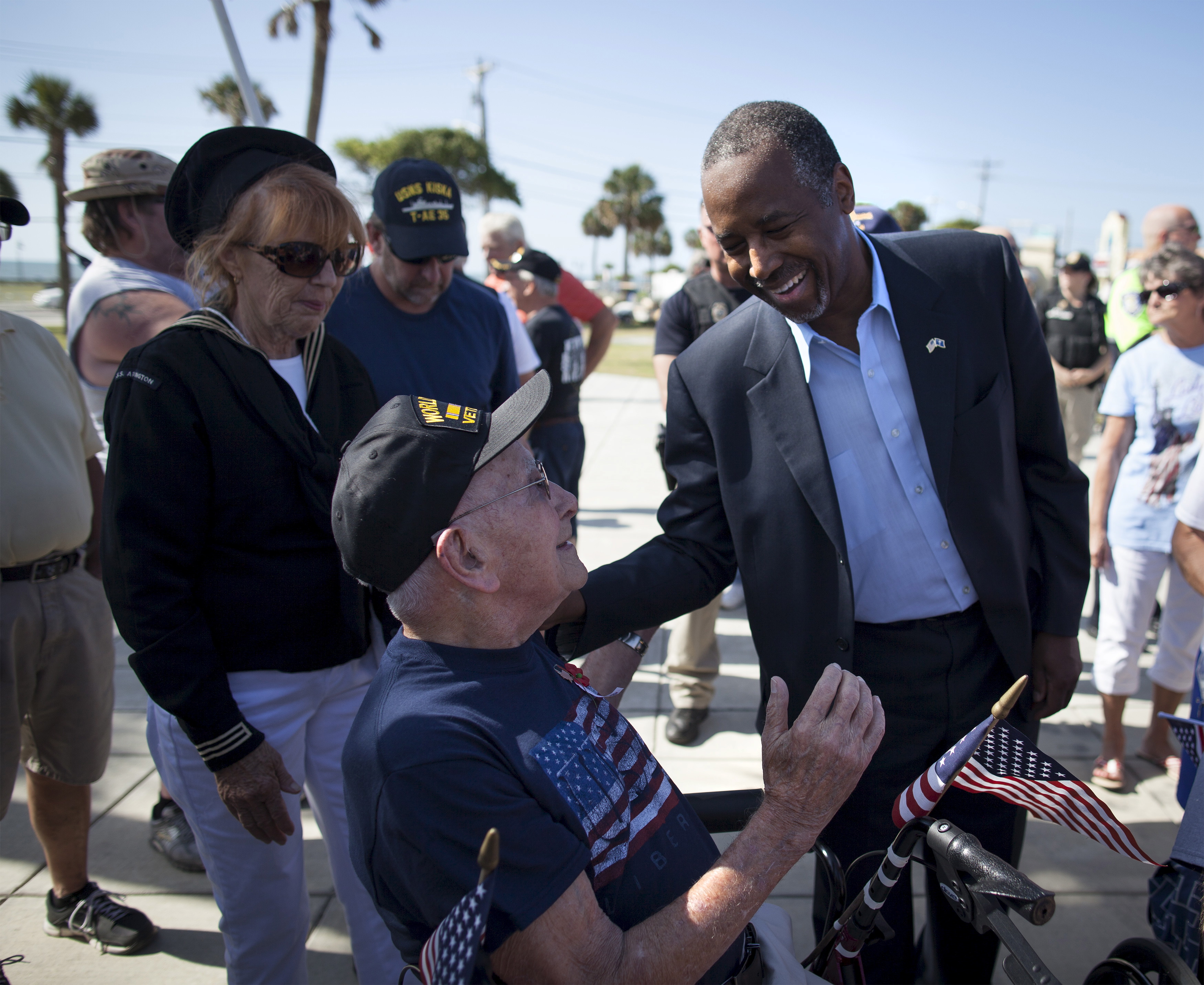
The lesson: Plan a second act.
Since hanging up his scrubs at age 61 after a stellar career as a neurosurgeon, Carson has redefined himself as an in-demand conservative speaker and politician. Even if, like Carson, you don’t need the money, finding a fulfilling way to fill your post-retirement days has been proven to make you happier and healthier in your golden years.
© Randall Hill / Reuters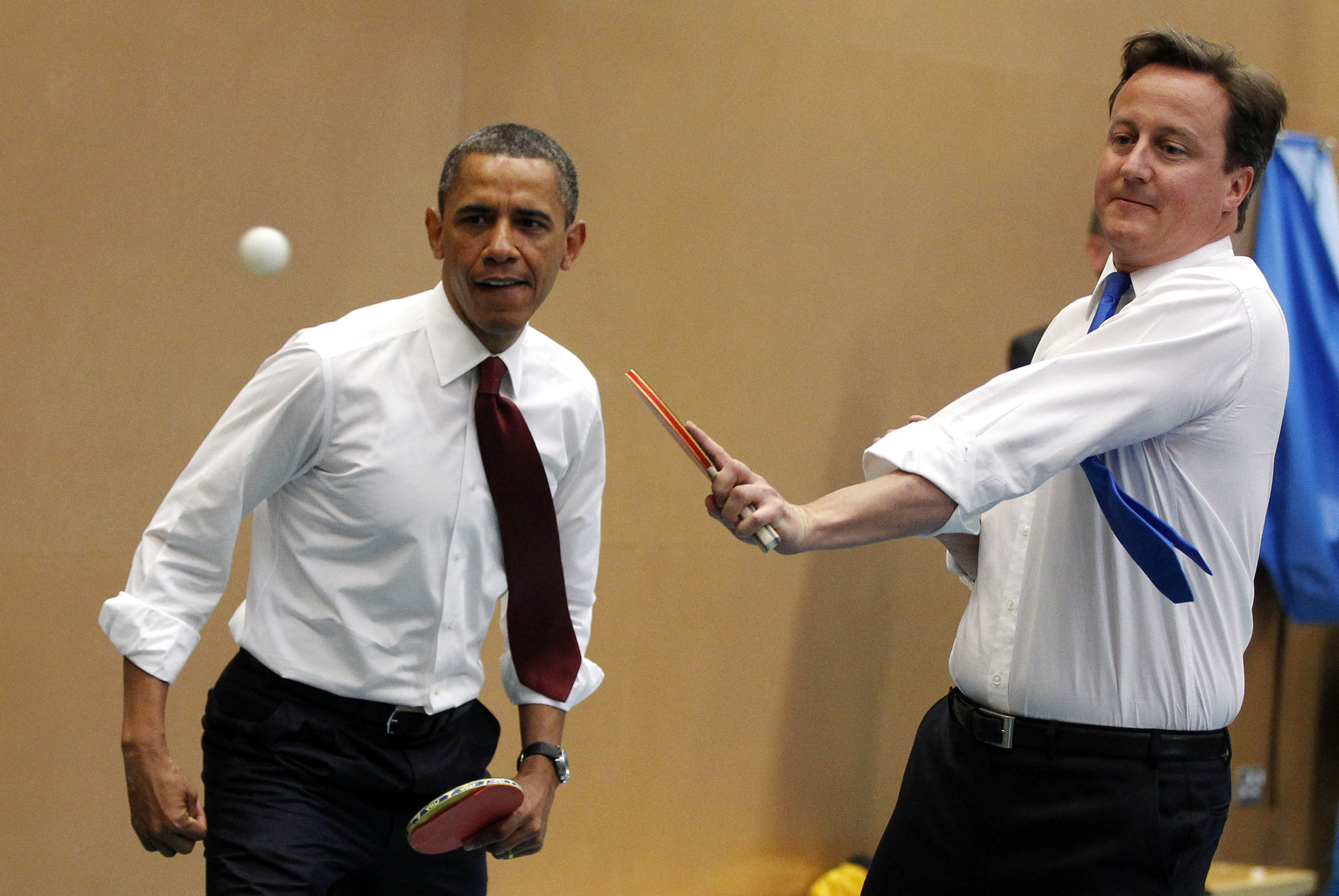
The lesson: Refinance your home at lower rates
Mortgage rates have been close to 4 percent (or lower) for years now, but Obama is still paying 5.6 percent interest on the loan for his Chicago home. Obama has acknowledged that he would likely save money by refinancing, but has said, “When you’re president you have to be a little careful about these transactions.” Apparently, the Federal Election Commission has investigated (and cleared) Obama’s existing mortgage for having terms that may have been too favorable.
© Larry Downing / Reuters