
Consumer prices rose 6.8% in November compared to a year earlier, the Labor Department announced Friday, the highest year-over-year inflation rate in the U.S. in 39 years.
On a month-over-month basis, the Consumer Price Index for All Urban Consumers (CPI-U) rose 0.8%, a slight decrease from the 0.9% increase recorded in October.
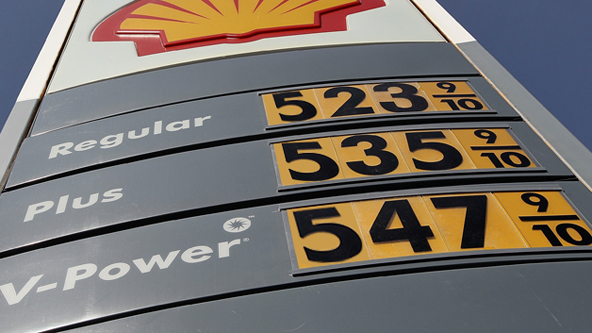
A problem for consumers: Price increases were recorded in most major consumer categories, including food, fuel, shelter and vehicles. Gasoline prices were up 58% over 12 months, used cars prices rose by 31% and meat, poultry and fish were higher by 13%. The rapid increase in prices means that the wage increases seen by many workers over the last year are being eaten up by inflation.
“Prices pressures are much more widespread,” said Leslie Preston, senior economist at TD Economics, in a statement, citing strong consumer demand and supply chain issues. “Neither of these factors is likely to wane terribly quickly.”
Speaking at the White House, President Joe Biden said the “numbers reflect the pressures that economies around the world are facing as we emerge from a global pandemic — prices are rising.” At the same time, Biden said he thinks consumers have seen the worst of the problem, with gas prices already coming down and broad improvements expected in the coming months. “I think it's the peak of the crisis,” he said.
But economists caution that while inflation may be nearing a peak, it will likely continue to be an important issue for many months to come. “Yes, inflation can abate, but what [policymakers] care about is, is it significant or insignificant to peoples’ lives and decision-making?” Diane Swonk, chief economist at Grant Thornton, told The Washington Post. “This is inflation that’s not likely to be insignificant anytime soon, and that’s a problem.”
A political weapon for the GOP: Soon after the report was released, the Republican National Committee sent an email blasting “Bidenflation” as part of its effort to defeat the roughly $2 trillion Build Back Better bill that Democrats are still working on in Congress. “Joe Biden and the Democrats’ Build Back Broke agenda created historically high inflation, making Americans pay more for nearly everything this holiday season,” the email charges.
The message is part of a larger political effort to use inflation as a weapon in the battle to control Congress in the 2022 midterms. “Republicans see inflation as a powerful issue as they blame the spending bills already passed by President Biden and congressional Democrats for sparking the price hikes,” says Paul Steinhauser of Fox News.
Voters say that inflation is indeed a top concern at the moment, and it stands to reason that the price hikes consumers have seen could hurt Democrats at the polls next year. But economists are divided on the ultimate source of the current inflationary surge. Most agree that the trillions of dollars provided by the federal government for relief and economic stimulus during the Covid crisis are a factor, but supply-side issues are involved as well, with bottlenecks and shortages of labor and materials playing an important role.
Democrats make their case: The White House argues that the inflationary surge must be seen in the context of a rapidly recovering economy. “Yesterday, we got more proof that our jobs recovery is on track and setting records – with unemployment insurance claims falling to their lowest level in 50 years and nearly 6 million Americans back to work,” Biden said. “Economic growth is stronger here than virtually any other nation.”
At the same time, Biden recognized the problem of inflation, saying “we have to get prices and costs down before consumers will feel confident in that recovery. That is a top goal of my administration.”
On the legislative front, House Speaker Nancy Pelosi (D-CA) released a letter Friday co-signed by dozens of economists saying that the Build Back Better Act will help “alleviate some of the strain caused by inflation” by lowering drug prices and reducing the cost of child care for families. But White House economic adviser Jared Bernstein soft-pedaled that claim, pointing out that while the Biden investment plan would have long-term effects, the current inflation problem is more immediate.
For now, the Biden administration may just have to ride out the next few months of high inflation and hope that the most important inflationary factor – the coronavirus – wanes, and that as the Federal Reserve tapers its support for the economy and private firms repair their supply chains, price hikes ease significantly.
“There are very good reasons to believe that inflation is going to moderate into 2022, because of the withdrawal of fiscal support, the tapering, the adjustments on the supply chain issues,” Tony Fratto, a Treasury Department official in the George W. Bush administration, told CNBC. “In six or seven months, we’re not going to be talking about inflation the way we’re talking about inflation today.”