
The Senate on Thursday night passed a $1.5 trillion spending package covering the rest of this fiscal year and providing $13.6 billion in aid for Ukraine.
The bipartisan 68-31 vote capped months of delays and sometimes tense negotiations between Democrats and Republicans, with the drama continuing — and tempers occasionally flaring — in recent days as lawmakers pushed to clear the bill before current government funding expires at the end of day Friday.
The omnibus bill, as it’s known, now heads to President Joe Biden’s desk. The Senate also approved a short-term extension of current federal funding, which the House had also passed, giving congressional clerks time to finish processing the larger bill. The White House told reporters Friday that Biden will first sign the stopgap measure, ensuring that government agencies can stay open until the annual funding bill is ready.
The Senate vote on the omnibus funding package came after lawmakers voted down three GOP amendments, including one from Sen. Mike Lee of Utah to defund the administration’s vaccine mandates, another from Sen. John Kennedy of Louisiana to add hurricane relief money and a third from Sen. Mike Braun of Indiana to remove earmarks from the spending bill.
Why it matters: The threat of a government shutdown is gone until the end of September, and members of both parties can tout some victories in the final spending package. Democrats secured a nearly 7% increase for non-defense spending — to $730 billion — allowing them to enact their agenda and move beyond domestic spending levels set under former President Donald Trump. Republicans secured an almost equal increase in defense spending, which will total $782 billion.
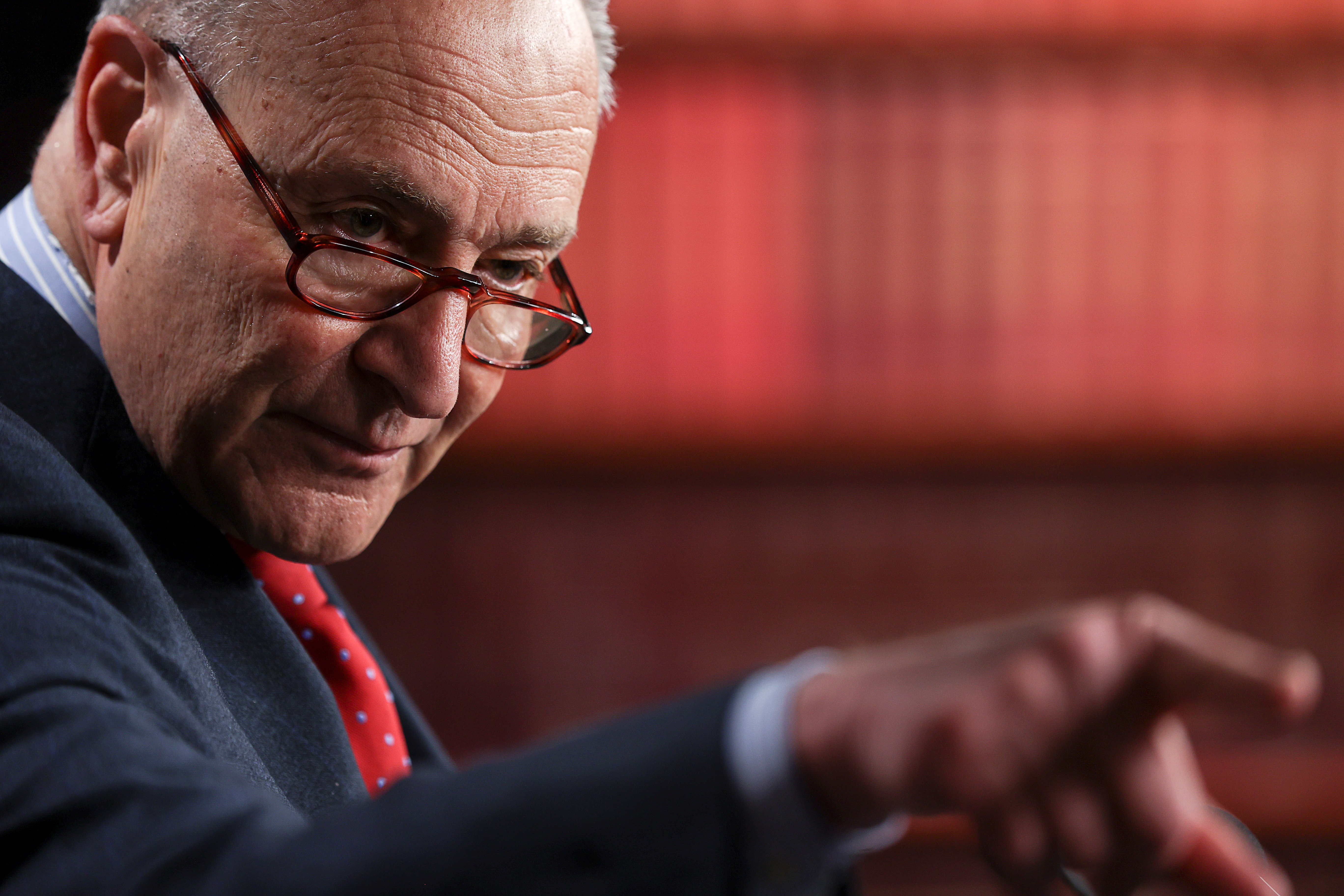
“This bipartisan funding package represents a robust and unapologetic investment in the American people: it will give our troops a raise, provide more money for schools and Head Start Programs and Pell Grants, reauthorize the Violence Against Women Act, fund the President’s cancer moonshot, and open the floodgates for funding the Bipartisan Infrastructure law,” Senate Majority Leader Chuck Schumer (D-NY) said. Schumer called it “the strongest, boldest and most significant government funding package we’ve seen in a long time.”
The process, however, left plenty of room for complaints — lawmakers had little time to review the 2,741-page bill, for example — and the increases in spending left budget hawks again calling for caps on discretionary spending. And for all the boasting lawmakers have been doing about the spending package, the White House and health care experts are also warning that lawmakers’ failure to approve $15.6 billion more in pandemic funding this week may force the nation’s Covid-response efforts to be cut back.