
Another month, another alarming inflation report.
The Consumer Price Index rose 0.4% on a monthly basis in September and 8.2% relative to a year ago, the Bureau of Labor Statistics announced Thursday, with both numbers coming in higher than expected.
A measure of core prices, which leaves out volatile food and fuel components, also surprised analysts, rising 0.6% in September and 6.6% over 12 months — the highest reading in 40 years.
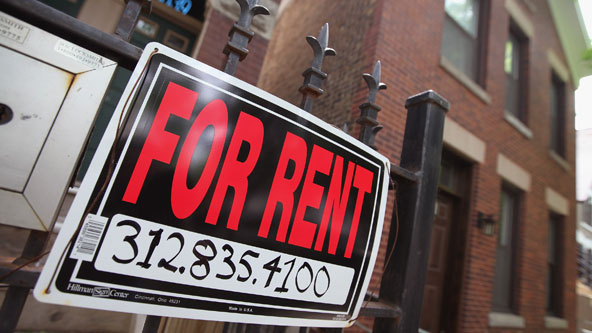
The rise in prices was broad-based and occurred despite a fall in gas and used car prices. “Increases in the shelter, food, and medical care indexes were the largest of many contributors to the monthly seasonally adjusted all items increase,” the BLS report says.
An increase in prices for services was particularly notable, suggesting that that segment of the economy is taking over from goods as the main driver of total inflation. The prices of services rose 7.4% over the last year, the highest reading since 1982.
What the experts are saying: The report reveals that inflation is more entrenched than some analysts had thought and suggests that the Federal Reserve is now even more likely to continue taking a hard line as it considers two more interest rate hikes in 2022.
“Inflation has kind of become like a cancer,” said Christopher S. Rupkey, chief economist of FwdBonds. “It started in one area of the economy, and now it’s spread rapidly, infecting other areas of the economy. … and it’s spreading to services, where it’s going to be much more persistent, much more stubborn, much more difficult to bring those prices back down.”
“The composition of the inflation reading is perhaps even more worrisome than the overall number,” said Seema Shah of Principal Asset Management. “Increases in shelter and medical care indices, the stickiest segments of the CPI basket, confirm that price pressures are extremely stubborn and will not go down without a Fed fight.”
“For the Fed, this probably locks in a big November rate increase,” wrote The New York Times’s Jeanna Smialek. “Central bankers have raised interest rates five times this year and are expected to make a fourth jumbo sized, three-quarter-point move at their meeting on November 2.”
Still, not everyone was quite so pessimistic about the outlook for inflation. Ian Shepherdson, chief economist at Pantheon Economics, argued that there is evidence that inflation is starting to fall, including the most recent Producer Price Index that showed no gain in prices in September. That evidence hasn’t shown up in the monthly reports yet due to lags, Shepherdson said. Accordingly, he called on the Fed to consider slowing its tightening campaign, despite the big numbers for September.
“Evidence of falling inflation is everywhere except in the inflation data,” Shepherdson wrote. “Fed choice: Wait, because the pipeline will work through. Or, keep hiking until inflation starts to fall, ignoring lags. No support in econ theory for the latter, as long as expectations anchored. They are.”
Biden looks at the sunny side: The report is bad news for Democrats as they approach a difficult midterm election in November. The White House attempted to emphasize the positive, saying in a statement that the “report shows some progress in the fight against higher prices, even as we have more work to do.” The administration claimed that inflation over the last three months averages 2% at an annualized rate, down from 11% in the three months before that, though critics charged that the White House was cherry-picking the numbers to obscure an obvious and persistent problem.
Speaking to reporters in Los Angeles, Biden noted that gas prices have fallen substantially. “Nationwide, they came down about $1.35, and they’re still down over a dollar,” he said, adding that housing costs are a major problem that needs more attention.
Brian Deese, the director of the National Economic Council, said the administration would be taking steps to combat high housing costs. “We have identified and been focused for some time now, on every measure we can take to try to increase the supply of housing, particularly affordable housing and multifamily housing,” he told the Times. “There are actions that we can take and will take administratively and there’s also something that we’ll be talking to Congress about.”