
In a sign that inflation remains a serious problem for the U.S. economy, consumer prices rose more quickly than expected in October, according to data released Tuesday by the Bureau of Labor Statistics.
The consumer price index increased 0.4% from September to October, exceeding analyst expectations of a 0.3% rise. No annual inflation number was released, due to the lack of data from October 2025, when the federal government was shut down during a funding dispute, but estimates by various analysts put the annual inflation rate at about 4%.
The core inflation rate, which factors out volatile food and fuel prices, also came in hotter than expected, up 0.3% on a monthly basis.
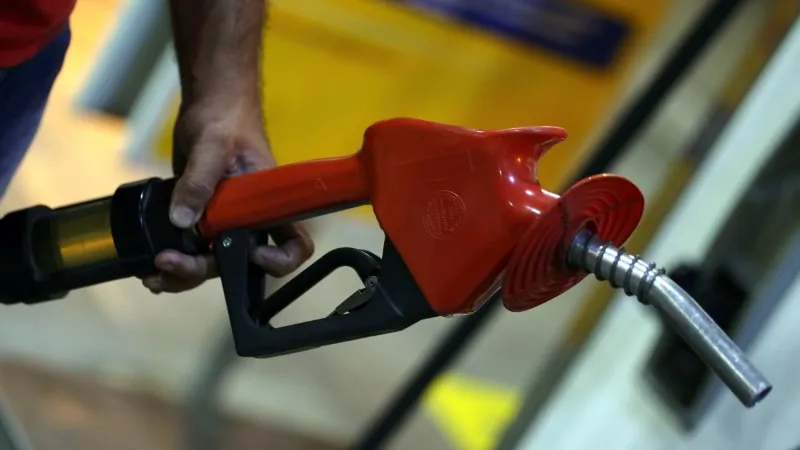
Energy prices were a major contributor to the top-line inflation number, with the energy index increasing 0.7% and the gasoline index rising 1%. Food costs jumped 0.5%, transportation services jumped 0.8%, new cars rose 0.2% and shelter costs were up 0.3%.
Fed expected to hike: The latest inflation data ramps up pressure on the Federal Reserve to raise interest rates at its final meeting of the year in December, and the increase could be larger than the quarter-point hike seen in September (which was followed by a hold in October). Ahead of the report, Fed Governor Christopher Waller said if CPI rose by “around 0.3,” he would consider advocating for a 0.5 percentage point increase in the federal funds rate.
Analysts at Bank of America said they still expect to see a quarter-point rate hike, but warned that “the Fed seems to be falling behind the curve on inflation,” which could force the central bank to raise rates again in January.
As stocks fell and Treasury yields jumped after the release of the data, Karen Manna, fixed income investment strategist at Federated Hermes, said investors were adjusting their outlook for higher interest rates. “A hotter inflation print raises fresh questions about whether the Fed has done enough to contain price pressures and reinforces the risk that interest rates need to move higher and stay there for longer,” she said, per CNBC.
Heather Long, chief economist at Navy Federal Credit Union, linked the data to the stunning election results last week. “The October inflation report underscores why so many Americans voted the way they did in the mid-term elections,” she wrote on X. “Inflation in past year (~4%) wiping out wage gains of 3.1% in past year,” she added. “Grocery prices rising, Electricity prices rising, Medical care rising, Rent rising. A lot of fun stuff – airfares, restaurant prices – rising. Gas price highest ever on Election Day.”
Some analysts tried to find a silver lining in the report, noting that the monthly CPI increase was lower in October than in September, indicating a decline in inflationary pressure. But Mike Konczal of the Economic Security Project emphasized how disappointing the report was. “Food and energy came in hot,” he wrote on social media. “But if you exclude that, goods came in hot. But if you exclude that, shelter came in hot. But if you exclude that, the rest of core non-housing services came in hot. If you exclude that, then, well, there's nothing left.”