Some taxes are a mystery. They’re not withheld from paychecks like income, unemployment, Social Security and Medicare taxes. They’re not added to purchases like ordinary local sales taxes. And they’re not what gets reported on your income tax return. But they pad our household expenses, from telephone and gas to air travel and immunizations.
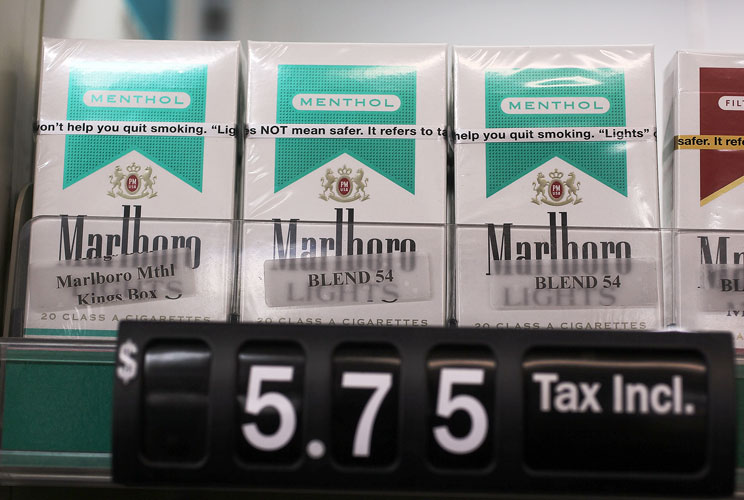
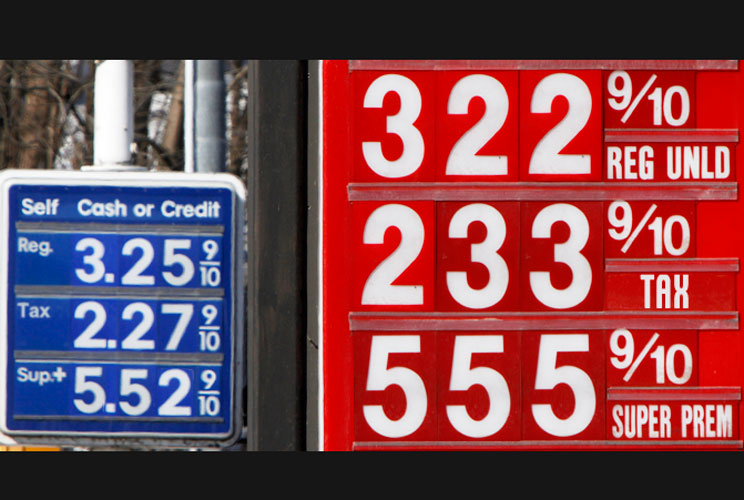
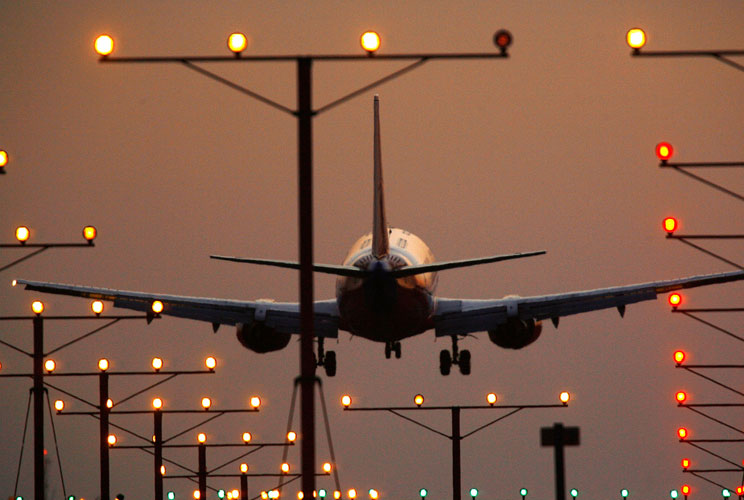
Cigarettes and tobacco productsCigarettes are taxed at $1 a pack on the federal level. Cigars are taxed between five cents and 40 cents each, depending on the size of the cigar. There also are taxes on pipe tobacco, snuff and other processed tobacco products. The money goes to the fedeCigarettes are taxed at $1 a pack on the federal level. Cigars are taxed between five cents and 40 cents each, depending on the size of the cigar. There also are taxes on pipe tobacco, snuff and other processed tobacco products. The money goes to the federal budget’s general fund and is not earmarked for a special purpose. It is the second largest federal excise tax, expected to raise $17.5 billion this fiscal year.Joe Raedle/Getty ImagesGasolineThe main federal excise tax is 18.3 cents a gallon. Proceeds, estimated to top $37 billion in fiscal 2011, go to the Highway Trust Fund, which mostly finances the interstate highway system. Less than 3 cents a gallon goes to finance mass transit projects.The main federal excise tax is 18.3 cents a gallon. Proceeds, estimated to top $37 billion in fiscal 2011, go to the Highway Trust Fund, which mostly finances the interstate highway system. Less than 3 cents a gallon goes to finance mass transit projects. The American Petroleum Institute, the oil industry’s main lobby group, calculates federal excise, state excise and state sales taxes add up to about 49 cents a gallon, on average, nationally. Taxes account for 11 percent of the price of gas, according to the Dept. of Energy.Getty Images/The Fiscal TimesAirline TravelThe federal tax is 7.5 percent of the base ticket price, or $22.50 on a $300 ticket. An additional tax of $3.50 per flight segment is for the Airport and Airway Trust Fund to support Federal Aviation Administration operations, facilities, equipment, and RThe federal tax is 7.5 percent of the base ticket price, or $22.50 on a $300 ticket. An additional tax of $3.50 per flight segment is for the Airport and Airway Trust Fund to support Federal Aviation Administration operations, facilities, equipment, and R&D.
A security fee of $2.50 and a facility charge of up to $4.50 each time you board a plane, but no more than twice in each direction on a multi-leg flight, fund Transportation Security Administration services and airport improvement projects.
Federal airline taxes are expected to bring in more than $10 billion this year.David McNew/Getty ImagesTelephone ServiceThe only federal telephone tax is a 3 percent charge on local telephone service, expected to raise $751 million this year for the general federal budget.The Federal Communications Commission imposes a fee on telephone companies -- currently 14.4 percent oThe only federal telephone tax is a 3 percent charge on local telephone service, expected to raise $751 million this year for the general federal budget.The Federal Communications Commission imposes a fee on telephone companies -- currently 14.4 percent of residential and business customer revenues -- for the Universal Service Fund that subsidizes phone service for low-income and rural Americans, as well as schools and libraries. A Telecommunications Relay Charge helps pay for the center that transmits and translates calls for the hearing- and speech-impaired.Justin Sullivan/Getty ImagesCable TelevisionThere is no federal excise tax, but there are Federal Communications Commission fees and many state and local taxes added to cable bills. Among them, the FCC requires payment from cable operators on an annual basis to offset the cost of federal regulationThere is no federal excise tax, but there are Federal Communications Commission fees and many state and local taxes added to cable bills. Among them, the FCC requires payment from cable operators on an annual basis to offset the cost of federal regulation. It goes to the FCC budget.
Certain franchise fees may be passed on to subscribers. For example, if local officials require cable operators to set aside channels for public, educational, and governmental use, the cost of maintaining the studio, equipment, and personnel may be passed on.Tim Boyle/Getty ImagesVaccine TaxThere is a 75cents- per-dose federal excise tax, paid by vaccine manufacturers. It funds the Vaccine Injury Compensation Program, which pays medical and other expenses for people injured by adverse reactions to vaccines, such as measles and polio. There wThere is a 75cents- per-dose federal excise tax, paid by vaccine manufacturers. It funds the Vaccine Injury Compensation Program, which pays medical and other expenses for people injured by adverse reactions to vaccines, such as measles and polio. There was $3.3 billion in the vaccine injury compensation trust fund at the end of July, according to an August 2011 report and OMB expects $228 million to be collected this year. In fiscal 2011, the program has paid out $145 million in claims.George Frey/Getty ImagesHunting and FishingFirearms and ammunition are taxed at 10-to-11 percent. Sport fishing equipment and fishing rods are taxed at 10 percent of their sale price. Fishing tackle boxes are taxed at 3 percent. Arrow shafts are taxed at 45 cents a shaft. Other archery equipment -Firearms and ammunition are taxed at 10-to-11 percent. Sport fishing equipment and fishing rods are taxed at 10 percent of their sale price. Fishing tackle boxes are taxed at 3 percent. Arrow shafts are taxed at 45 cents a shaft. Other archery equipment - bows, quivers and points -- are taxed at 11 percent of the sale price. All fund fish and wildlife restoration programs of the Fish and Wildlife Service, which estimates that more than $1 billion will be collected in the current fiscal year -- $338 million in hunting-related taxes and $717 million for fishing.Alex Wong/Getty ImagesIndoor Tanning TaxesEach indoor tanning session is taxed at 10 percent of the amount paid. Congress recently enacted this excise tax to raise revenue for the general fund as part of negotiations to pass the Patient Protection and Affordable Care Act of 2010 (aka Obamacare).Each indoor tanning session is taxed at 10 percent of the amount paid. Congress recently enacted this excise tax to raise revenue for the general fund as part of negotiations to pass the Patient Protection and Affordable Care Act of 2010 (aka Obamacare). It is expected to raise $345 million this year, its first year in effect.Kevin Winter/Getty Images