As the Postal Service looks to solve its fiscal woes, a lot of businesses dependent on it will be hurt.
Staff Report
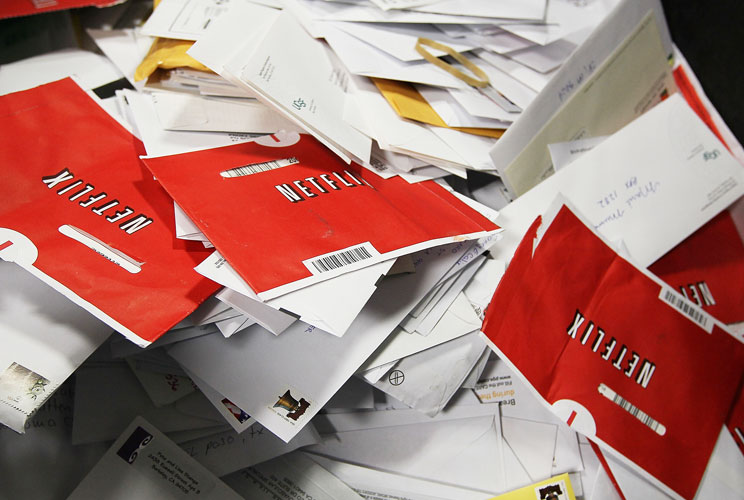
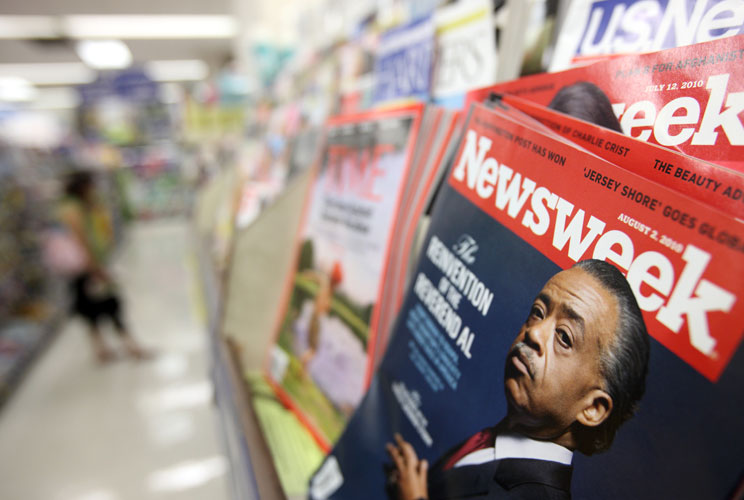
ebaySince eBay’s founding in 1995, users have relied on the postal service for delivering everything from Hot Wheels cSince eBay’s founding in 1995, users have relied on the postal service for delivering everything from Hot Wheels collectibles to new books. But what if that post office down the street closes up shop? Can private delivery services like UPS and Fedex make up the slack? Worries about Postal Service closures sent eBay (EBAY) stock down more than 6 percent in one day recently.Bruno Vincent/Getty ImagesFedExIt may be hard to believe that the big private delivery service would be hurt by the Postal Service’s fiscal problems, but FedEx was paid $1.37 billion in fiscal 2010 to transport Express, Priority and some first-class mail, and it has drop boxes in manyIt may be hard to believe that the big private delivery service would be hurt by the Postal Service’s fiscal problems, but FedEx was paid $1.37 billion in fiscal 2010 to transport Express, Priority and some first-class mail, and it has drop boxes in many post offices. The stock (FDX) has already taken a beating because of concerns about the weak global economy.Scott Olson/Getty ImagesNorthrup GrummanNo. 2 on the list of USPS suppliers for fiscal 2010, after FedEx, Northrop Grumman (NOC) makes the familiar trucks used for Postal Service deliveries. The business brought in about $500 million in fiscal 2010. Although that’s only a small portion of theNo. 2 on the list of USPS suppliers for fiscal 2010, after FedEx, Northrop Grumman (NOC) makes the familiar trucks used for Postal Service deliveries. The business brought in about $500 million in fiscal 2010. Although that’s only a small portion of the company’s $35 billion in annual revenue, the industrial giant also faces the impact of cuts in defense spending.Alex Wong/Getty ImagesNetflix's QwiksterNetflix (NFLX) stock is down more than 50 percent from its high above $300 in mid-July. The company has announced plans to split into two entities, one for streaming and one for DVD rentals. Qwikster, the DVD-rental business will be sending its familiar red envelope – by mail. An extra day for delivery may make a difference.Justin Sullivan/Getty ImagesCatalog and direct mail marketersHow do you get customers? By mailing them a catalog filled with enticing products. But if bulk rate postage continues to rise to cover the shortfall in first class mail, fruit catalog merchants like Harry & David could die on the vine. Some catalog retaHow do you get customers? By mailing them a catalog filled with enticing products. But if bulk rate postage continues to rise to cover the shortfall in first class mail, fruit catalog merchants like Harry & David could die on the vine. Some catalog retailers also depend on the Postal Service to reach rural areas and deliver to far-flung places like Alaska and Hawaii, as well as overseas.Mario Tama/Getty ImagesMagazines and PeriodicalsA bulk rate increase would also be the death knell for some subscription magazines like Reader's Digest and AARP--two of the largest circulation magazines in the country. Like other publications, they've been hit year over year with postal increases on sA bulk rate increase would also be the death knell for some subscription magazines like Reader's Digest and AARP--two of the largest circulation magazines in the country. Like other publications, they've been hit year over year with postal increases on second-class mail -- costs that eat into the very slim margins of most magazine publishers. As rates rise, more publications are apt to deliver their subscriptions on electronic tablets and other devices, saying goodbye to USPS altogether.John Gress/Getty ImagesAll Consumer BusinessesSome of the 570,000 full-time USPS workers face layoffs if post offices are closed and Saturday delivery is eliminated, which is sure to have an impact on their spending. That will only add to the nationwide trend. Consumer confidence is at historically low levels, with few signs households are willing or able to ramp up spending. Consumer spending accounts for about 70 percent of GDP.Mark Wilson/Getty Images