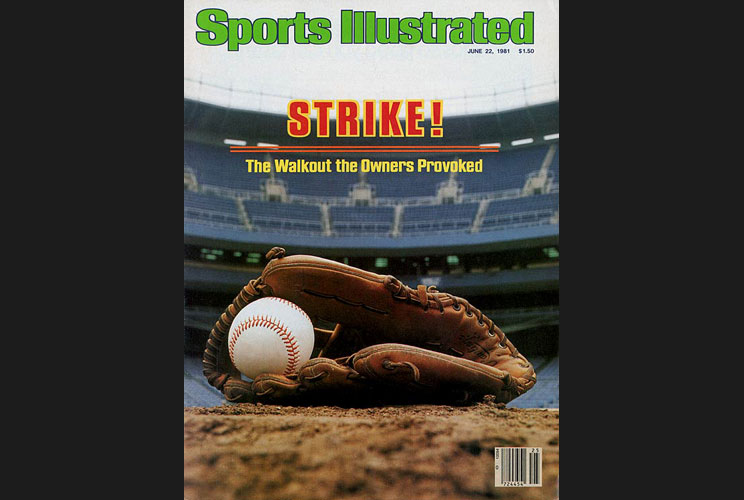
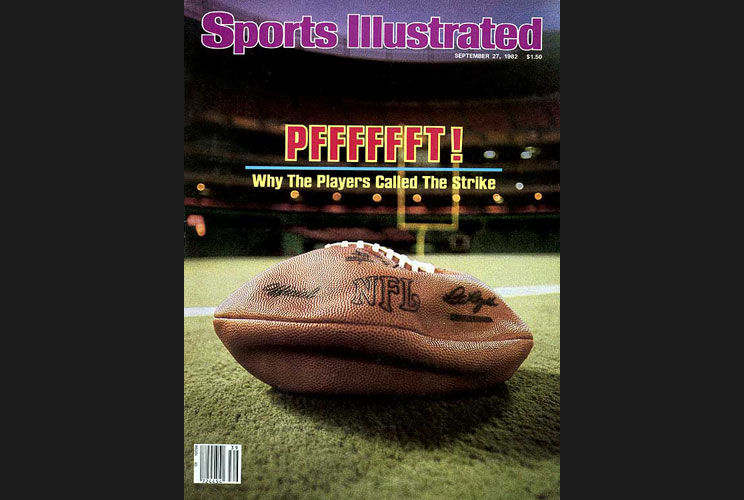
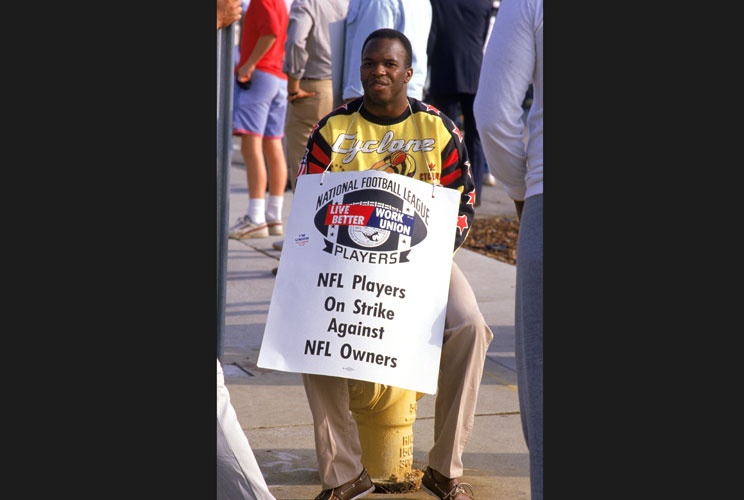
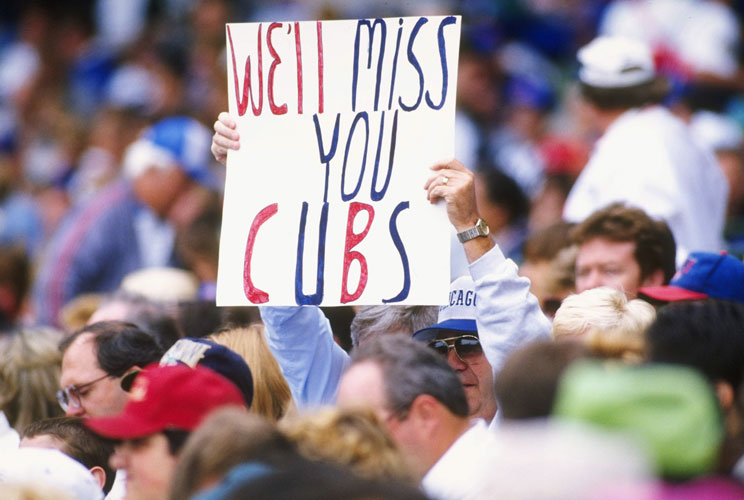
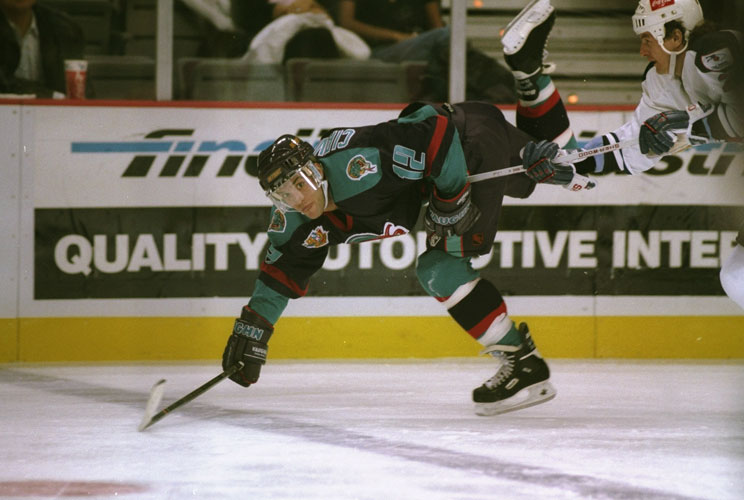
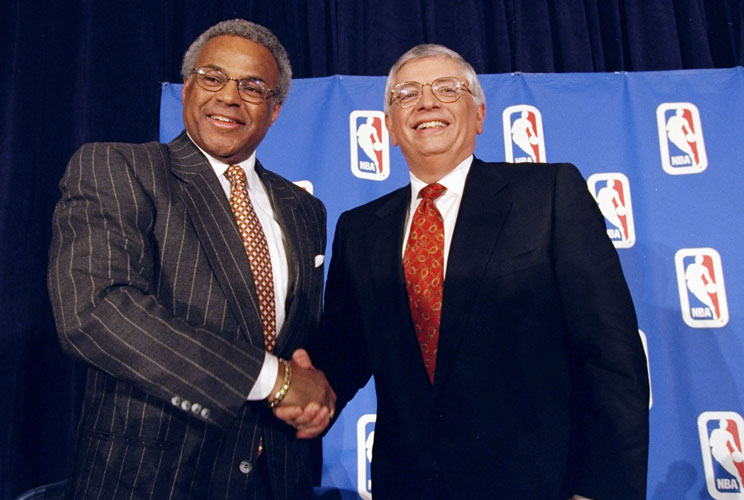
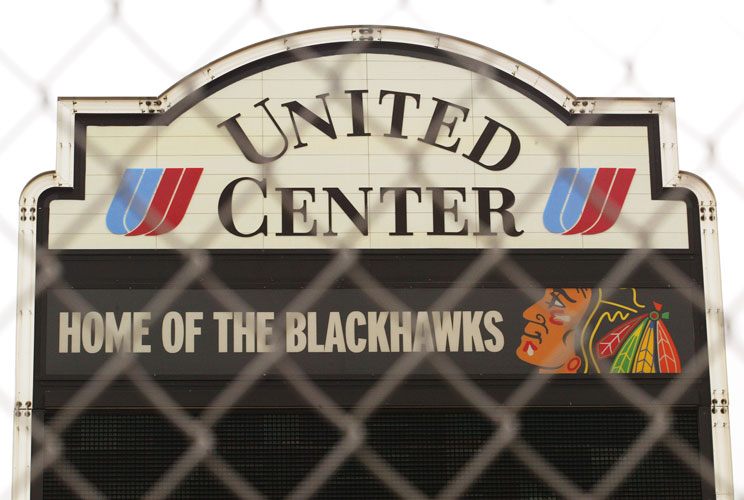
0-1 CountIf they played by the rules, Major League Baseball would have been working on its second out by 1981, with the fifth work stoppage since 1972. 713 games (38% of the season) were canceled begining June 12, 1981.If they played by the rules, Major League Baseball would have been working on its second out by 1981, with the fifth work stoppage since 1972. 713 games (38% of the season) were canceled begining June 12, 1981.Sports IllustratedPFFFFFFT! IndeedNFL players went on strike seeking revenue-sharing and free agency. The strike lasted 57 days, costing at least $275 million in revenues and wages, and the league shortened the season to 9 games (but 16 of the 28 teams went to the playoffs).NFL players went on strike seeking revenue-sharing and free agency. The strike lasted 57 days, costing at least $275 million in revenues and wages, and the league shortened the season to 9 games (but 16 of the 28 teams went to the playoffs).Sports IllustratedSomeone Get the Trainer!Scabs were not just for wounds anymore after owners replaced striking players for weeks 4-6 of the 1987 NFL season. The union was unable to maintain discipline after some high-profile players, including Joe Montana, crossed the picket lines. Strikers lostScabs were not just for wounds anymore after owners replaced striking players for weeks 4-6 of the 1987 NFL season. The union was unable to maintain discipline after some high-profile players, including Joe Montana, crossed the picket lines. Strikers lost roughly $80 million in salary, and owners saw increased profits for the strike weeks, due to lower player costs.Mike Powell/Getty ImagesWaiting for Expo(sition)The Montreal Expos were on their way to the World Series. The Cubs, naturally, were not. But it didn't matter, since the Fall Classic was canceled due to a strike. Everyone payed for it the following year, when attendance fell nearly 20%. It was not untilThe Montreal Expos were on their way to the World Series. The Cubs, naturally, were not. But it didn't matter, since the Fall Classic was canceled due to a strike. Everyone payed for it the following year, when attendance fell nearly 20%. It was not until 1998 that fans again became enamored of the national pastime.Jonathan Daniel/Getty ImagesEmpty NetsHockey experienced a growth in its fan base in the early 90s, with Wayne Gretzky exciting the glitterati in LA (at least once they showed up for the second period). However, hockey's new popularity was threatened when the NHL Player's Association and owneHockey experienced a growth in its fan base in the early 90s, with Wayne Gretzky exciting the glitterati in LA (at least once they showed up for the second period). However, hockey's new popularity was threatened when the NHL Player's Association and ownership argued over the implementation of a salary cap, ultimately losing 104 days and shortening the season to 48 games.Todd Rosenberg/Getty ImagesStern StanceNBA Commissioner David Stern threatened to cancel the season entirely if players and owners could not come to an agreement during a 204-day lockout in 1998. The union split on its goals, and a new arrangment was signed, limiting player salaries. That wasNBA Commissioner David Stern threatened to cancel the season entirely if players and owners could not come to an agreement during a 204-day lockout in 1998. The union split on its goals, and a new arrangment was signed, limiting player salaries. That was a victory for the owners and cemented Stern's power. The shortened 50-game season saw significantly reduced fan interest, with lower attendance and consistently poor television ratings.Ezra O. Shaw/Allsport/Getty ImagesA Power Play by ManagementThe NHL's entire 2004-2005 season was canceled when owners locked out players, claiming losses of over $250 million in 2003. After 310 days, a new collective bargaining agreement was signed, instituting a salary cap. The NHL has grown in popularity sinceThe NHL's entire 2004-2005 season was canceled when owners locked out players, claiming losses of over $250 million in 2003. After 310 days, a new collective bargaining agreement was signed, instituting a salary cap. The NHL has grown in popularity since then, and may be in a good position to fill the gap left by the NBA's own labor turmoil.Tim Boyle/Getty Images