
14 UN Speeches that Changed the World
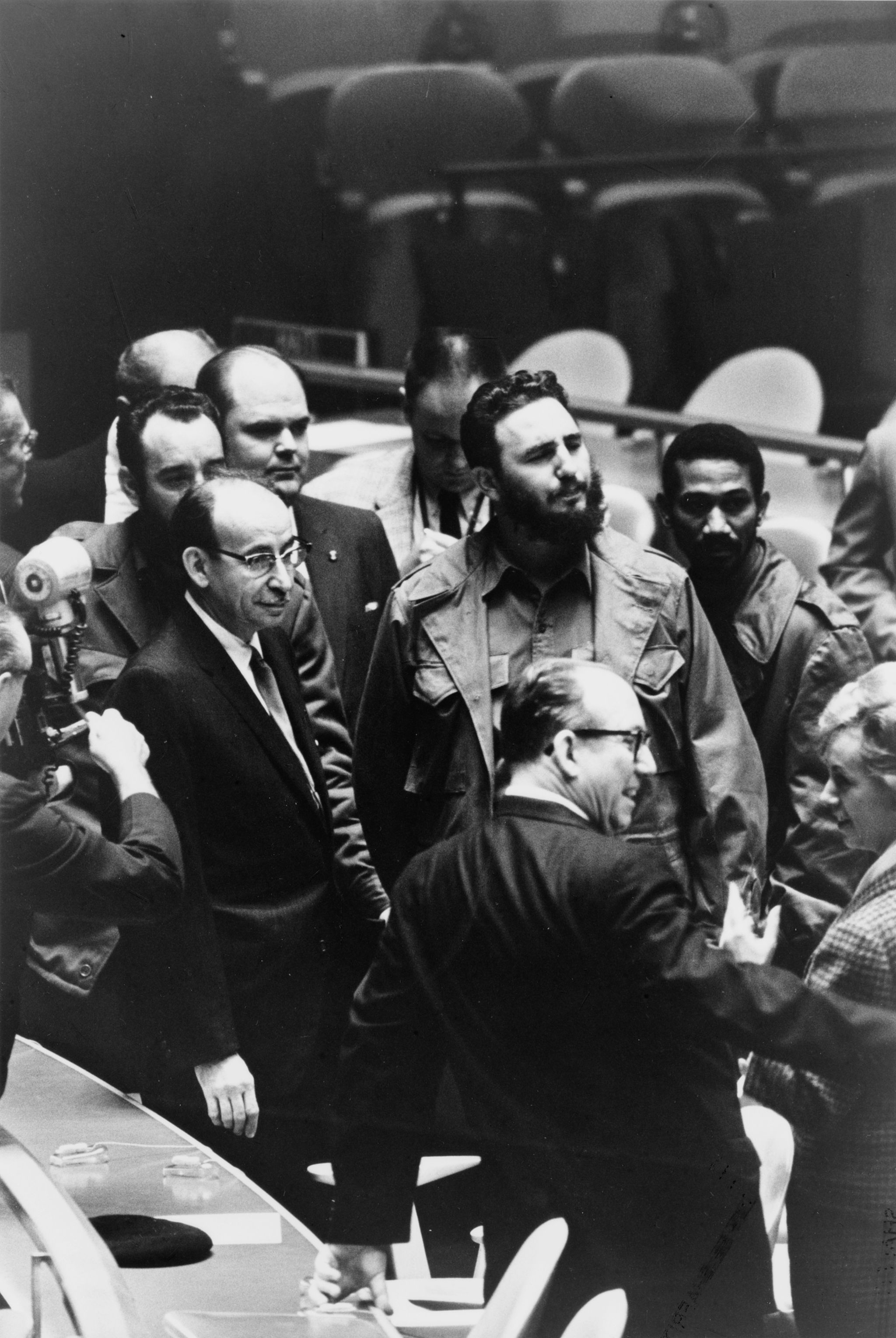
Fidel Castro, 1960: First speech to the UN last more than 4 hours. He railed against Kennedy Nixon and American imperialism. He used the occasion of the speech to make a victory tour around New York, all while he was systematically jailing and often killing opponents
Wikipedia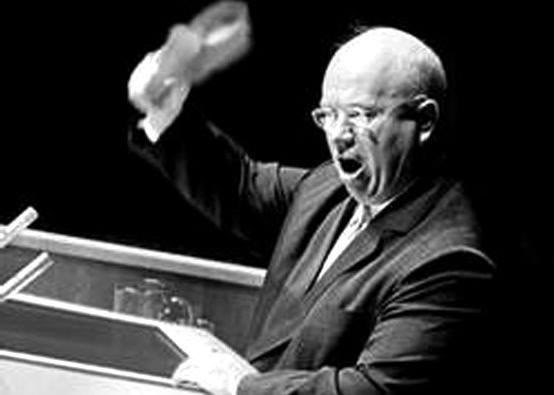
Nikita Khrushchev, 1960 Soviet Premier, 1960: Khrushchev speech is most famous for the line, "Mr. President, call that toady of American imperialism to order," as a Filipino delegate railed against Soviet imperialism. He banged his shoe on the table as he shouted it.
United Nations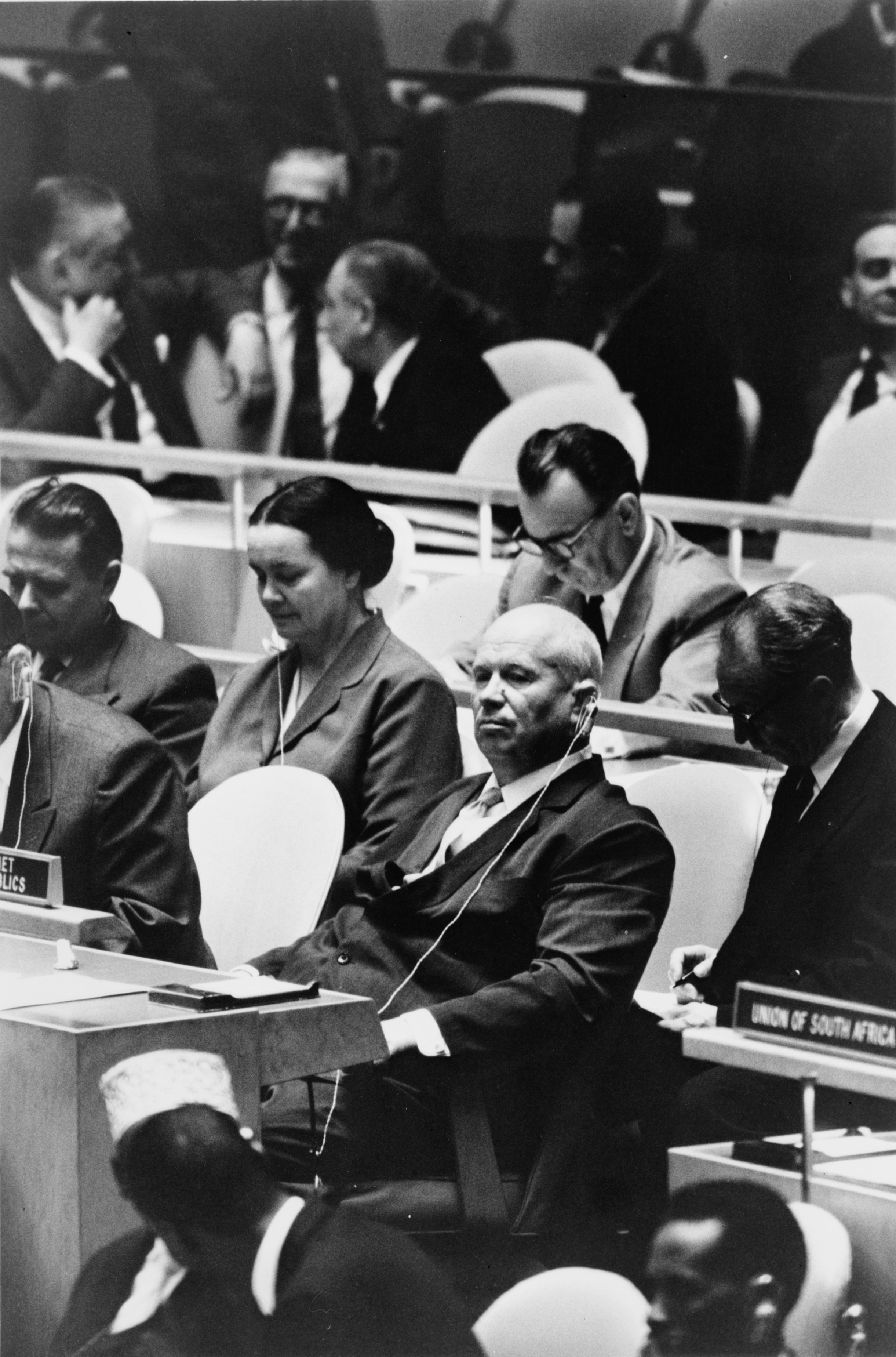
Nikita Khrushchev, 1960 Soviet Premier, 1960: Khrushchev speech is most famous for the line, "Mr. President, call that toady of American imperialism to order," as a Filipino delegate railed against Soviet imperialism. He banged his shoe on the table as he shouted it.
United Nations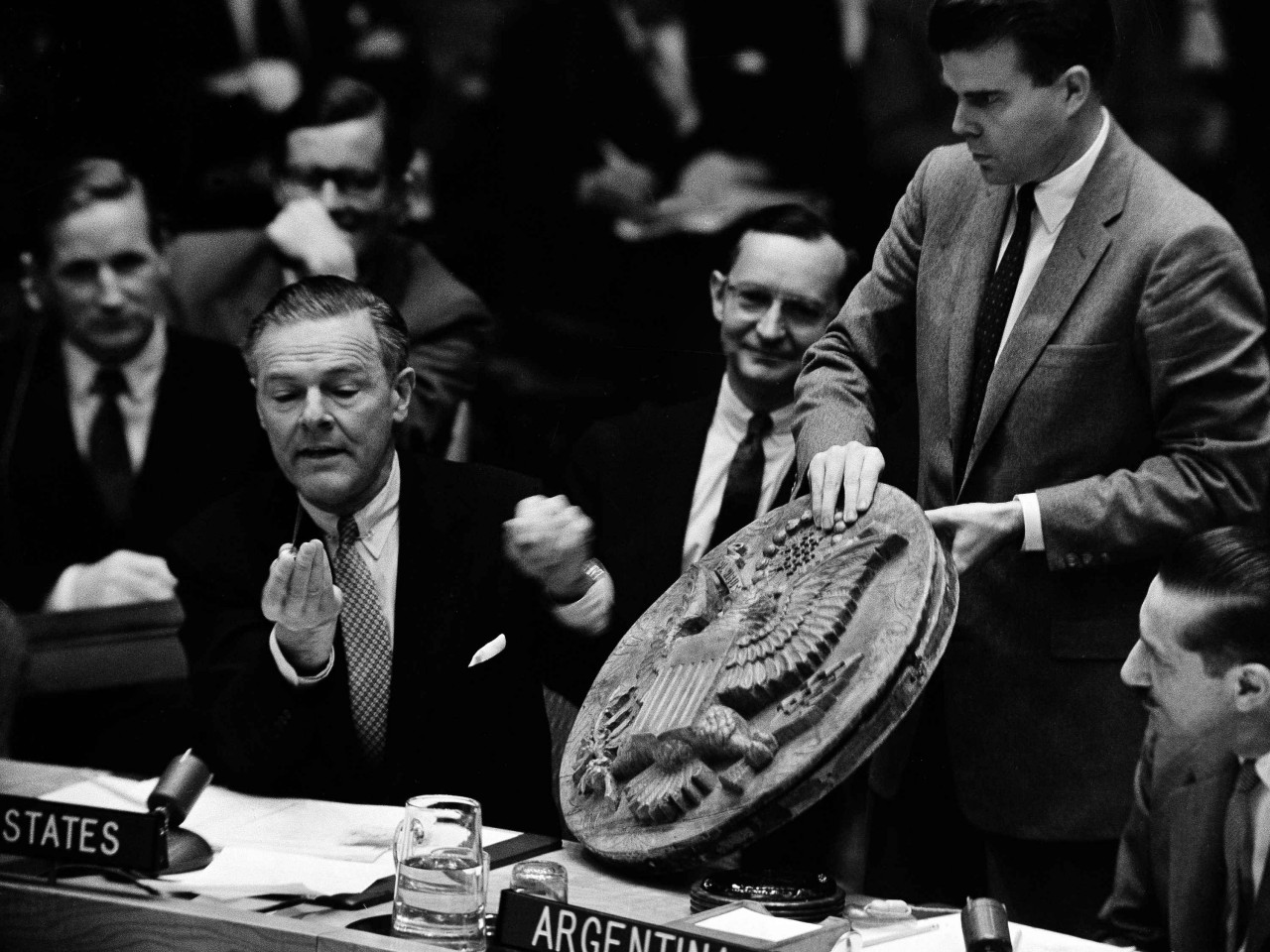
U.S. Ambassador Henry Cabot Lodge, 1960: While debating the shooting down on a U.S. spy plane over Russia, Lodge pulled out a bug that had been implanted in a wooden seal given to the U.S. embassy in Moscow. "It so happens that I have here today a concrete example of Soviet espionage so that you can see for yourself," Lodge said.
United Nations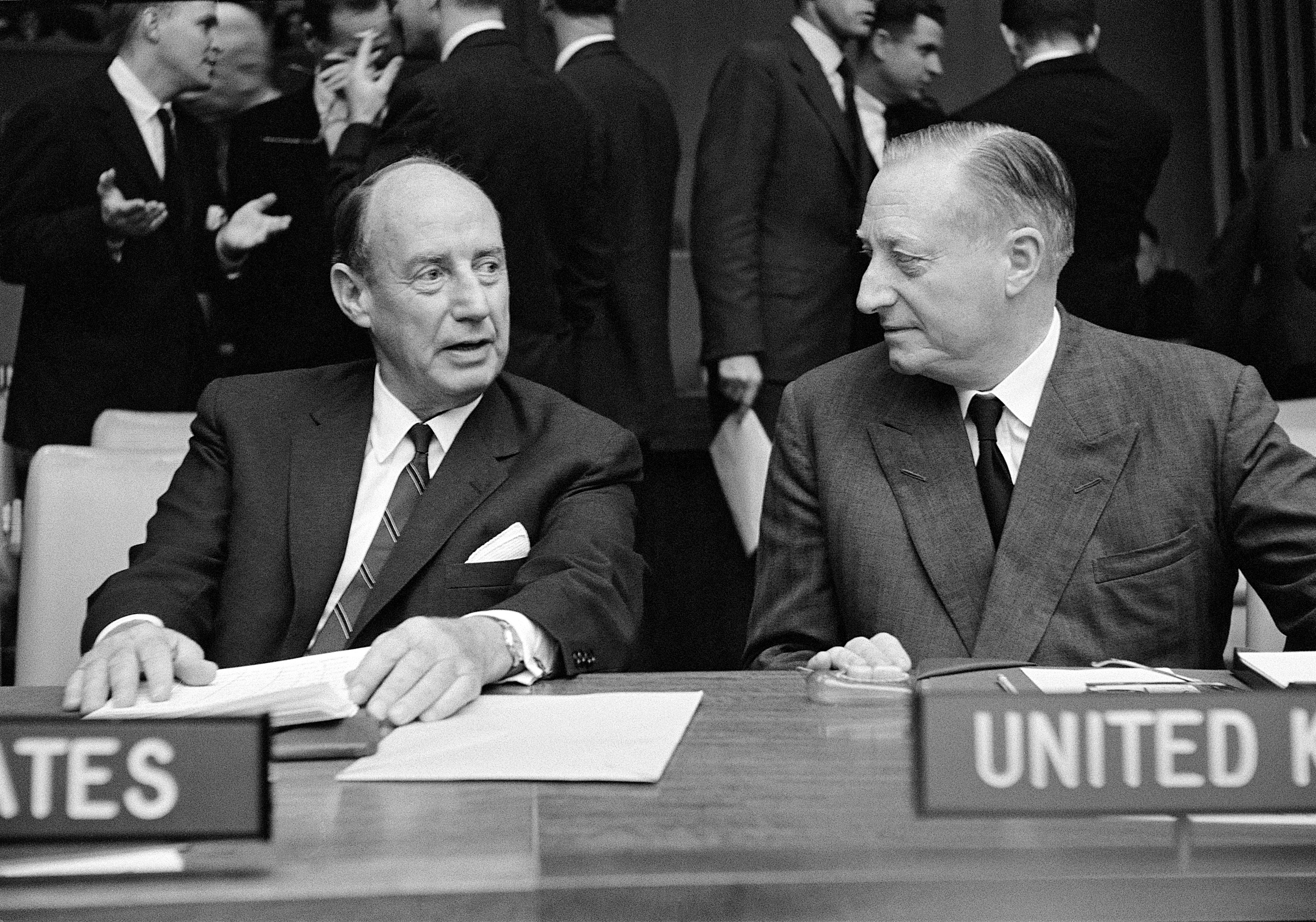
Adlai Stevenson II, 1962. The United States and Russia were on the brink of nuclear war when Stevenson gave his most famous speech. As the Kennedy brothers looked on nervously from Washington, the mild-tempered Stevenson exploded at the Soviet delegate, yelling "Don't wait for the translation, answer 'yes' or 'no'!" when he asked Valerian Zorin if the USSR was stockpiling nukes in Cuba. When Zorin refused to answer, Stevenson said, ""I am prepared to wait for my answer until Hell freezes over," then presented spy photos of the missiles.
United Nations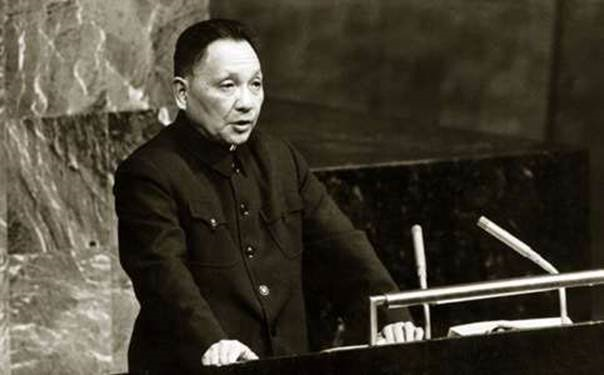
The Chinese Vice-Premier used a 1974 speech to outline Mao Zedong's Three Worlds Theory, which held that there are three types of nations in this world: superpowers, allies of superpowers, and non-aligned countries. Xiaoping included China in the first group with Russia and the United States, a move that continued to allow U.S.-Chinese relations to normalize just two years after Nixon visited. It also planted the seeds of the Chinese economic boom.
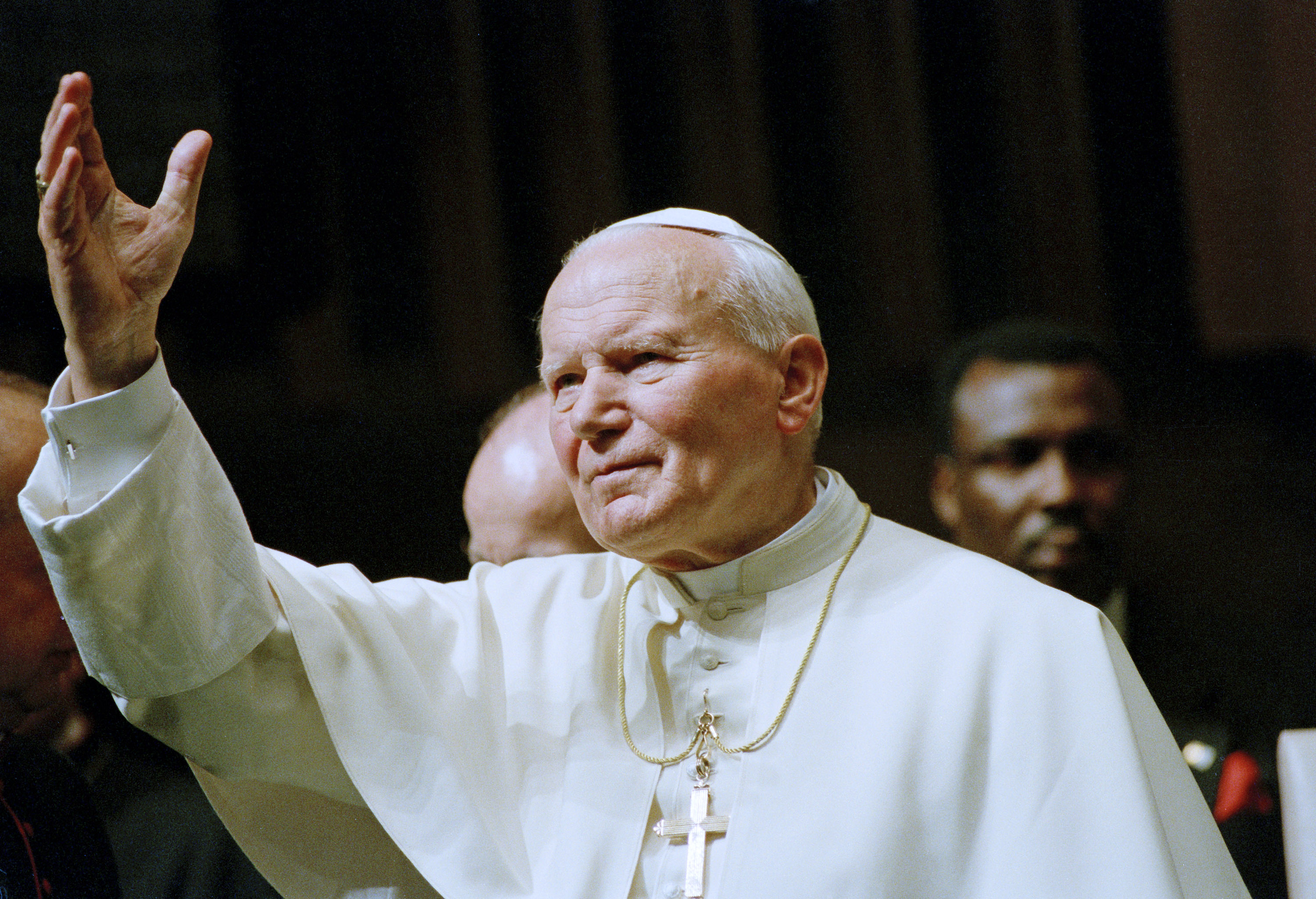
Pope John Paul II, 1979 and 1995. Both of John Paul's speeches to the United Nations shared a common human rights there. In 1979, he said the UN had to work harder to reach its objectives "to promote respect for human rights ... without distinction of race, sex, language or religion." In 1995, John Paul called for nuclear disarmament.
United Nations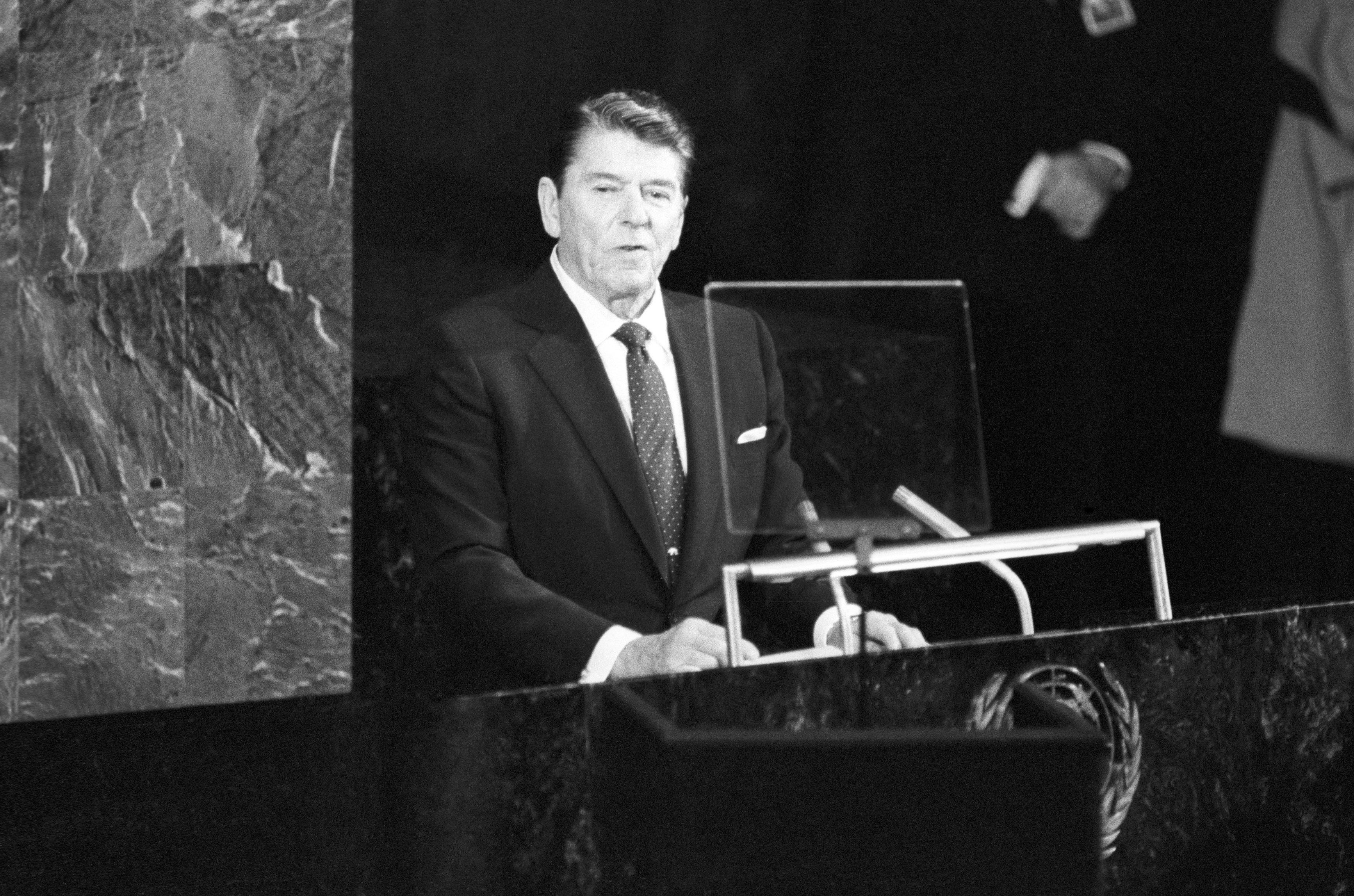
Ronald Reagan, 1987. It was becoming apparent that the Cold War was nearing an end when Reagan gave this speech. But it's best remembered for the science fiction the celebrated former president brought to the United Nations. "I occasionally think how quickly our differences would vanish if we were facing an alien threat from outside this world," Reagan said, confusing many of the delegates. According to his biography, Reagan had a mild obsession with aliens, and aides tried and failed to get him to leave it out of this and other speeches.
United Nations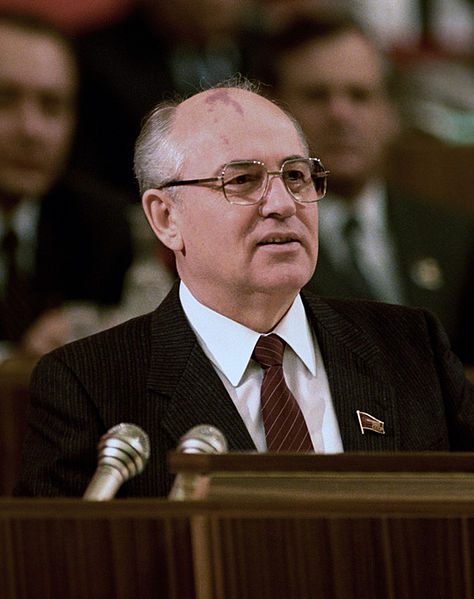
Mikhail Gorbachev, 1988. In this address, the Soviet Secretary General made key concessions that signaled the end of the Cold War. He announced that he would drastically reduce the number of Soviet troops in Eastern Europe, "By agreement with our allies in the Warsaw Pact, we have made the decision to withdraw six tank divisions from the GDR, Czechoslovakia, and Hungary, and to disband them by 1991," he said, a statement that paved the way for the fall of the Berlin Wall one year later.
United Nations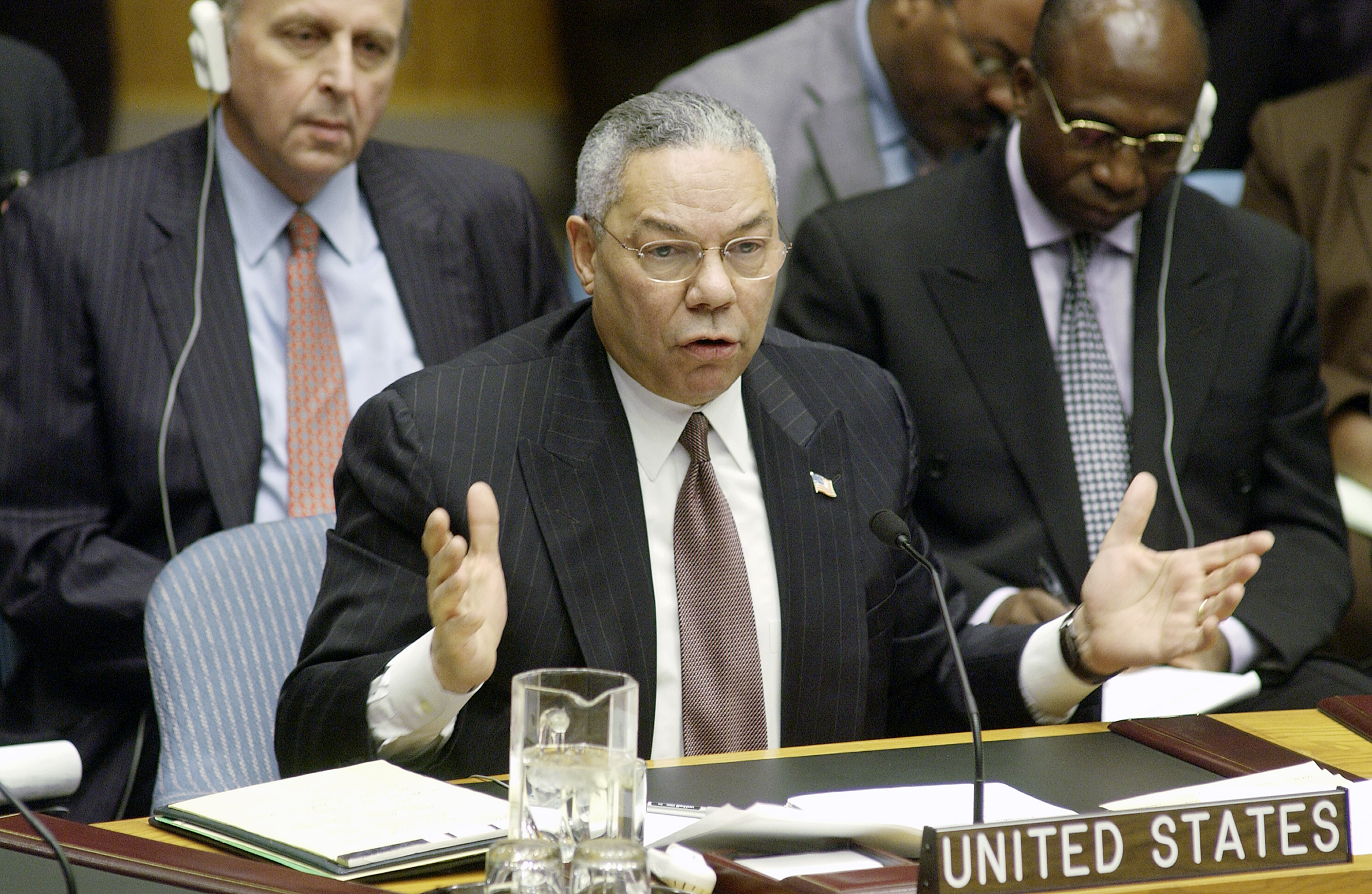
Colin Powell, 2003. In a speech to the UN, Powell presented doctored evidence of Iraqi weapons of mass destruction as a justification to go to war. The evidence turned out to be false, and Powell is still trying to rebuild credibility today.
United Nations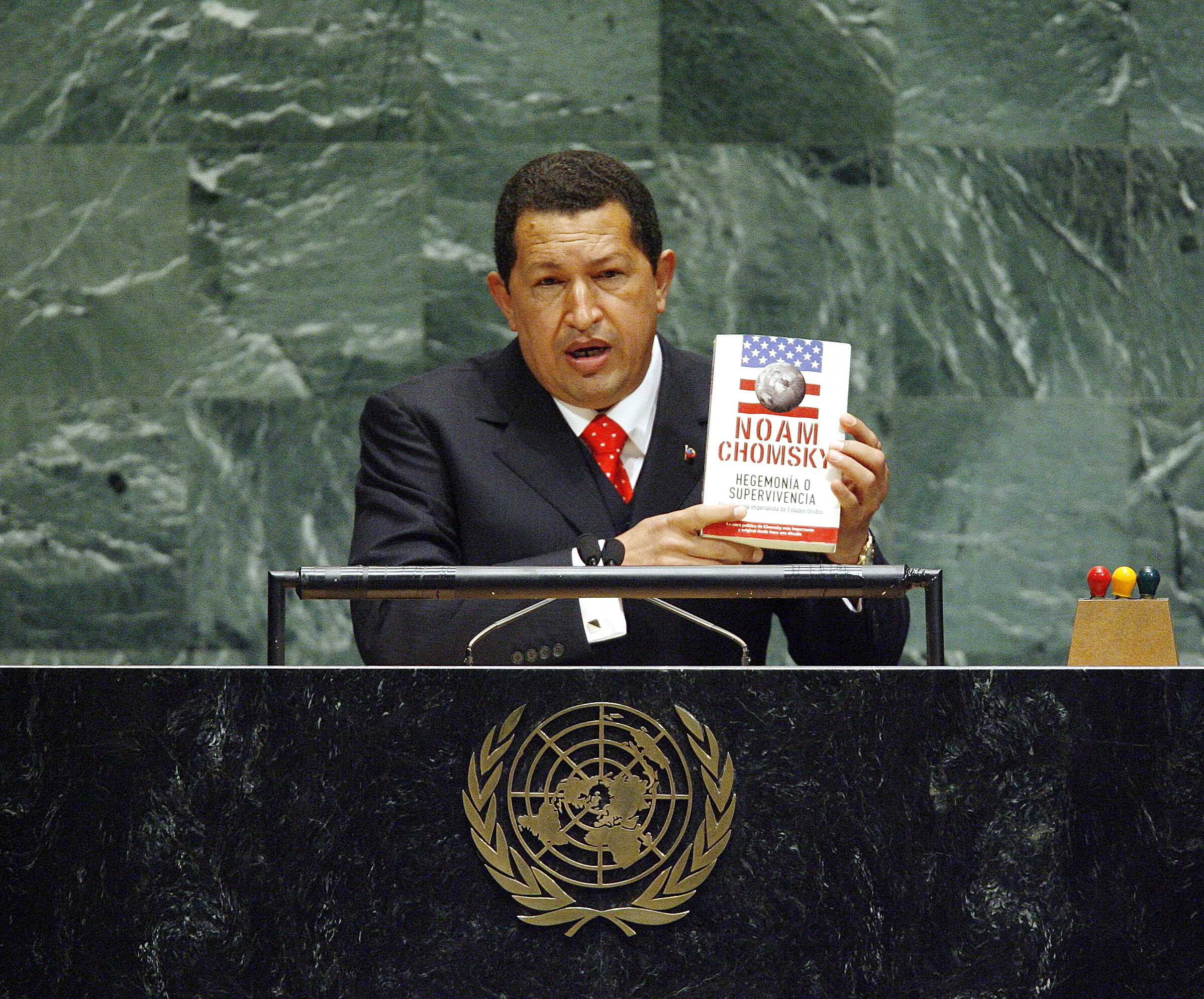
Hugo Chavez, 2006. The late Venezuelan president used this speech to slam American imperialism, saying that it "puts at risk the very survival of the human species." He then liked George W. Bush to the devil. "In this very place, it still smells of sulfur," he said, referring to the speech Bush gave the previous day. "Yesterday, ladies, gentlemen, from this same rostrum, the president of the United States, who I call the devil, came here talking as the owner of the world." He also did wonder for Noam Chomsky's book sales, recommending "Hegemony or Survival: America's Quest for Global Dominance."
United Nations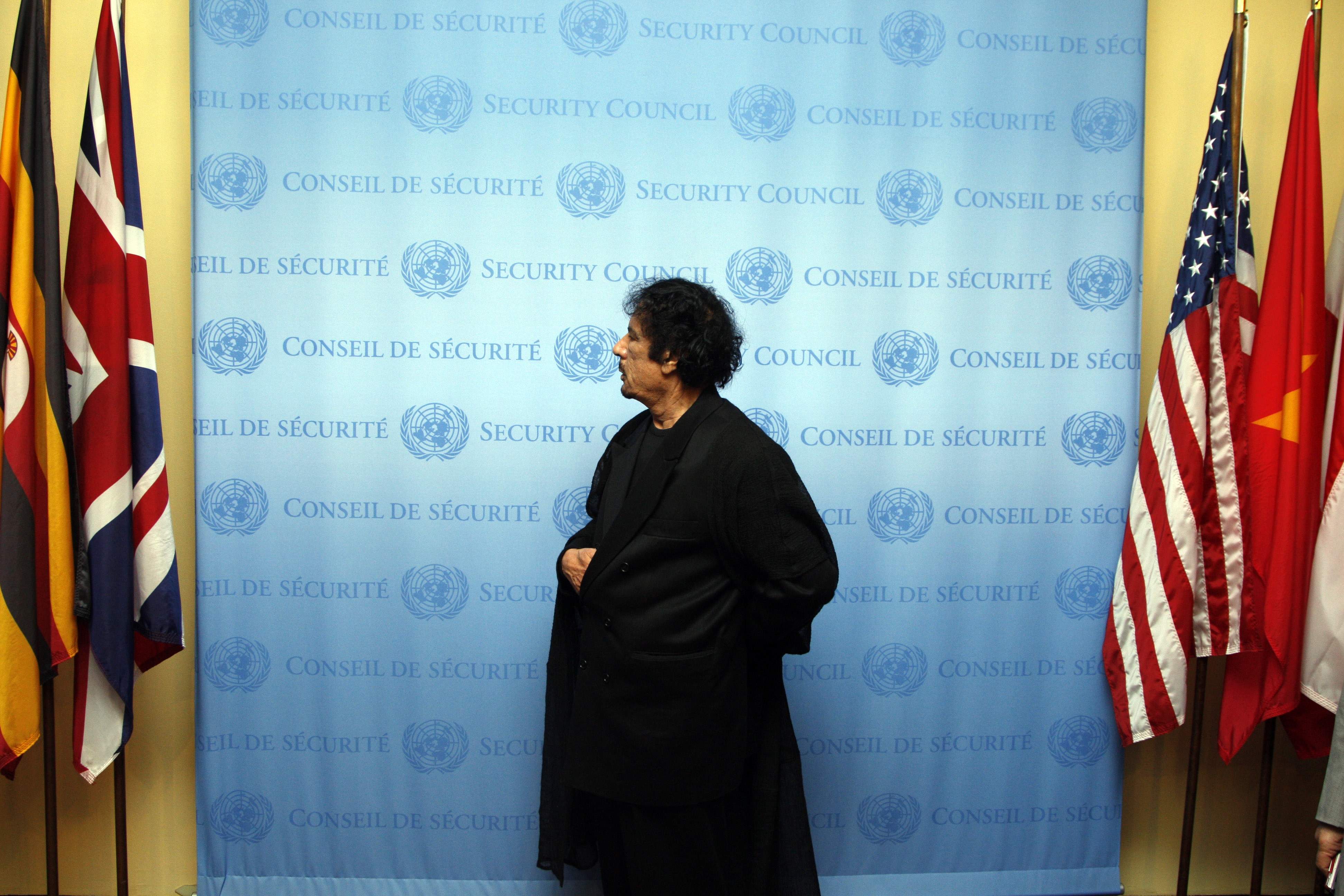
Muammar al-Qaddafi, 2009. Qaddafi was in power for 40 years when he was invited to address the UN in 2009. He quickly made up for lost time, saying the UN Security Council "should not be called a security council, it should be called a terror council." He then linked it to al-Qaeda.
United Nations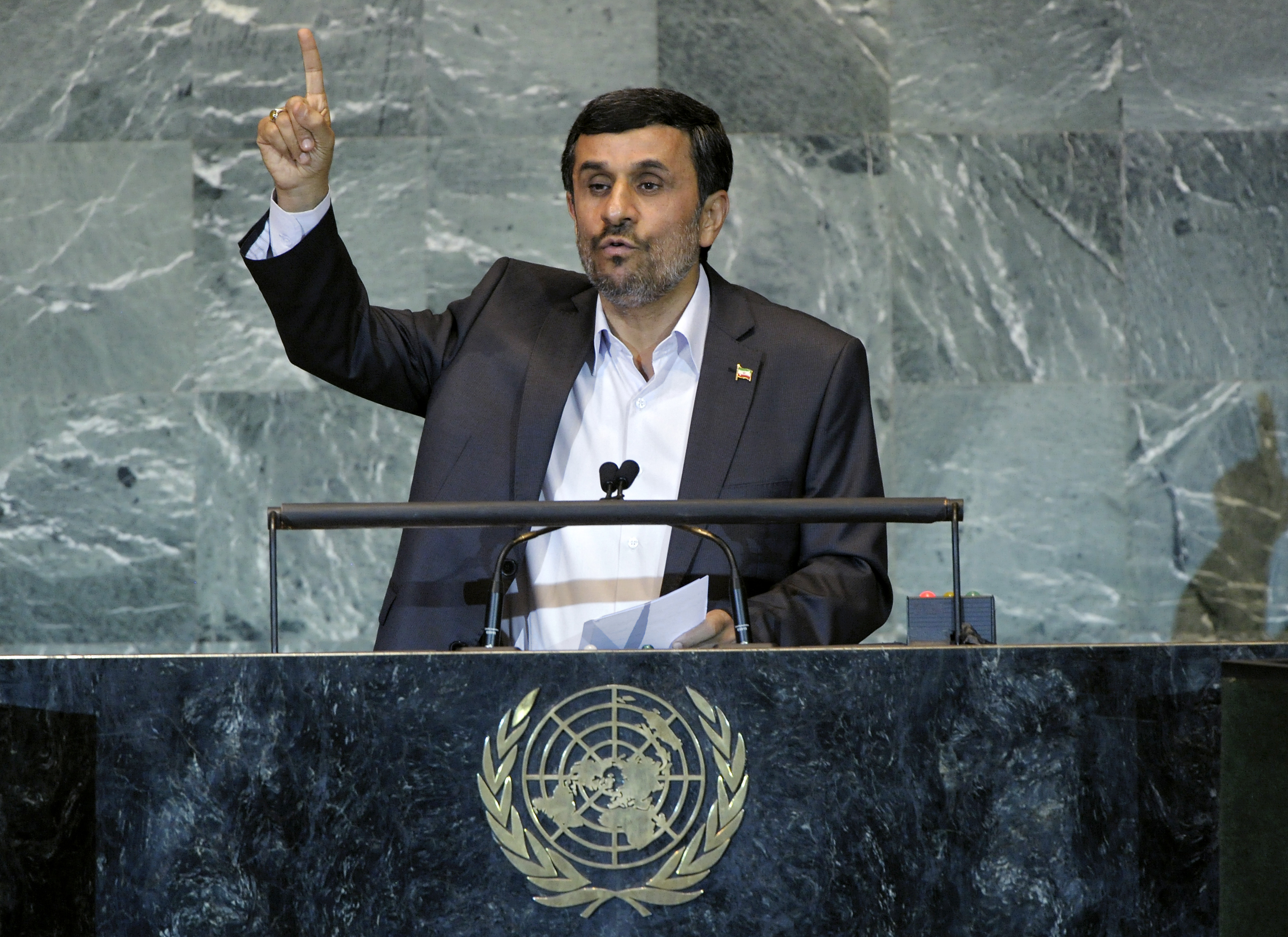
Mahmoud Ahmadinejad, Iranian president, 2005-2012, numerous speeches: Ahmadinejad's speeches were always occasions for controversy. He's accused the United States of nuclear apartheid and has called Israel a "tumor," prompting the US and Israeli delegations to walk out. He's also caused controversy at Columbia University when he was invited to speak there in 2007. In that speech, he denied the existence of homosexuality.
United Nations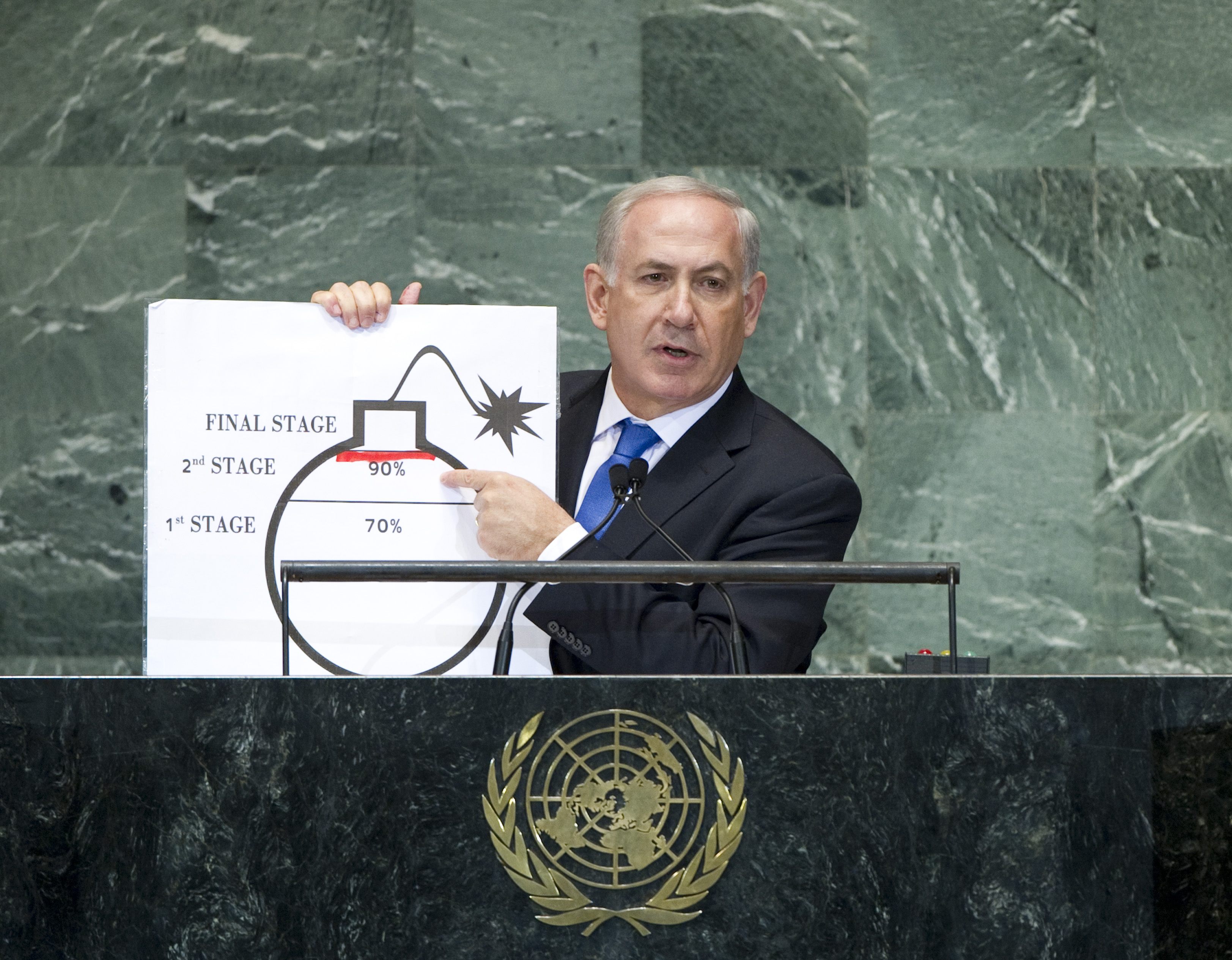
Benjamin Netanyahu, 2012. The Israeli Prime Minister's speech is also famous for his use of props. While explaining the danger of Iran's nuclear program, he helped up a placard with a bomb printed on it. He then drew a ride line across it. But the gesture proved to be confusing, even to Israelis. The speech is now jokingly referred to as "Bibi's Bomb."
United Nations