
10 Supermarket Foods That Can Make You Sick
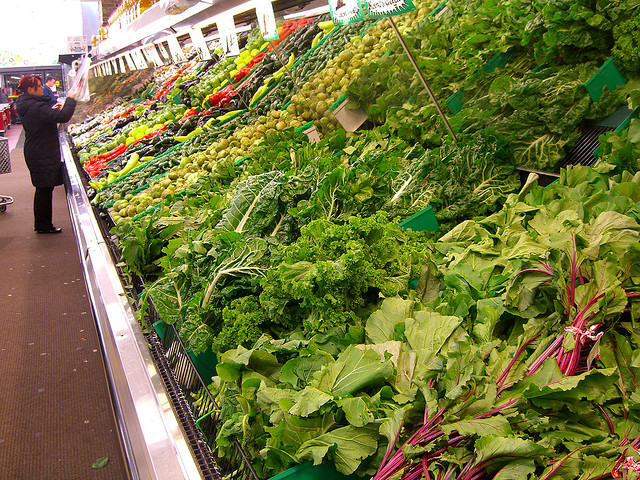
Lettuce and spinach may be on the top of most nutritionists’ lists, but they’re also among the foods most linked to outbreaks of illness. The contaminations often starts at the farm through contact with wild animals or manure.
flickr/SanTheo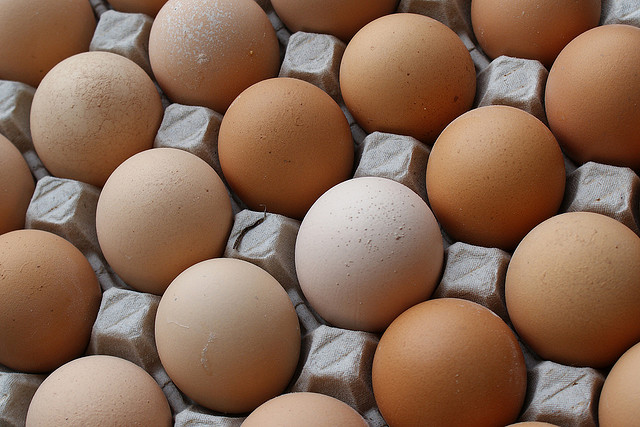
The risk for salmonella makes eggs the second-most popular source of food-based illnesses. Consumers can protect themselves by fully cooking all eggs and eating or storing eggs promptly after cooking.
flickr/Pietro Izzo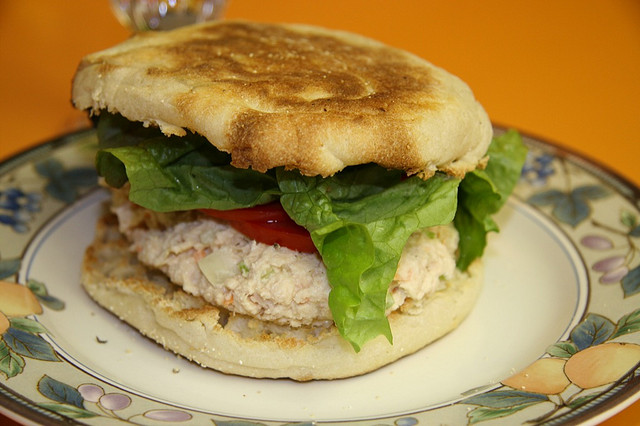
If not properly stored immediately after being caught, tuna begins to decay and can release scrombotoxin, which can cause food poisoning.
Flickr/RatRanch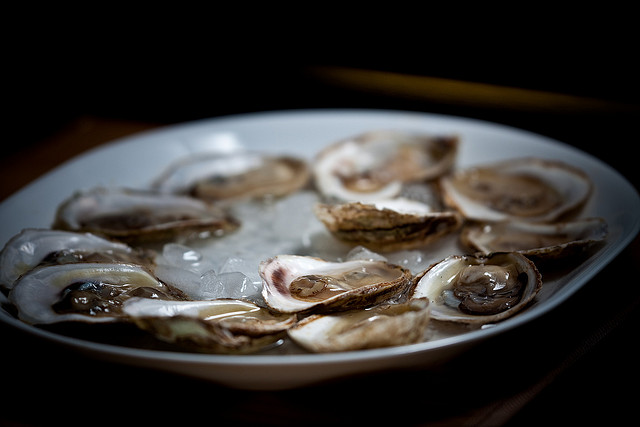
Raw or undercooked oysters can breed vibrio bacteria, which can cause mild food poisoning in healthy individuals and life-threatening illness among those with a weakened immune system. Best practices in preparing oysters is to discard any open shells before cooking, and any shells that didn’t open while cooking.
Flickr/Peri Apex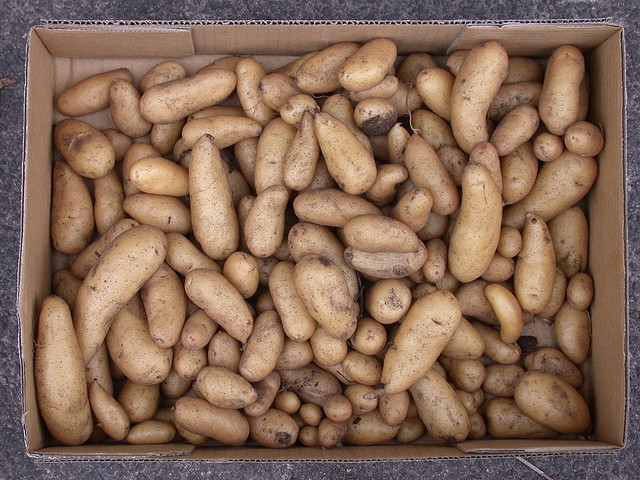
Baked potatoes become breeding grounds for botulism when they’re wrapped in foil and left out to cool too long. Unwrap potatoes after baking them, and store them in a cool, dark place before cooking.
Flickr/Grailbeard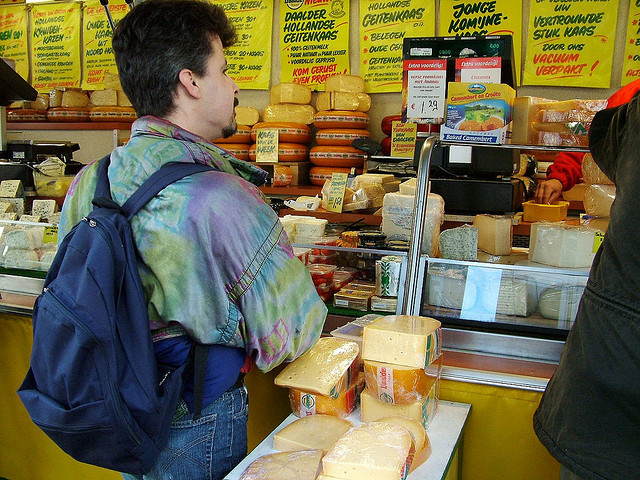
Sticking with pasteurized cheese greatly reduces the risk of bacteria, but some soft cheeses—even those made with pasteurized cheese—are vulnerable to contamination during the cheese-making process.
Flickr/Smiling_Da_Vinci
Everyone may scream for this summer treat, but when it’s made with undercooked eggs the cold stuff can become dangerous. Even store-bought ice cream can breed bacteria when it’s put back in the freezer after unfreezing.
Flickr/Joelk75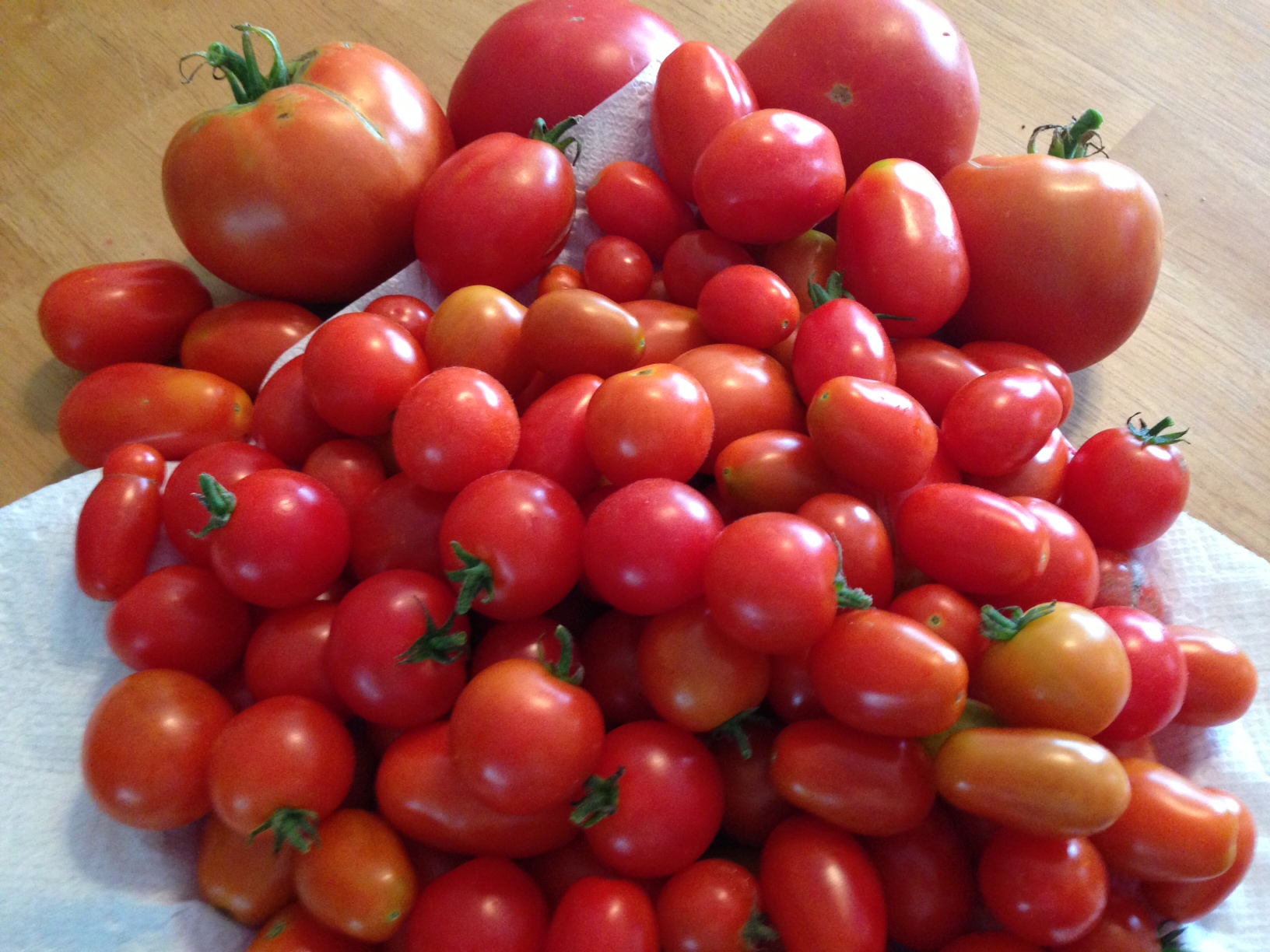
Salmonella can contaminate tomatoes on the farm via the roots, flowers or cracks in the skin. If an infected tomato is eaten raw, it has a high risk of infecting the person who consumers it.
TFT/Maureen Mackey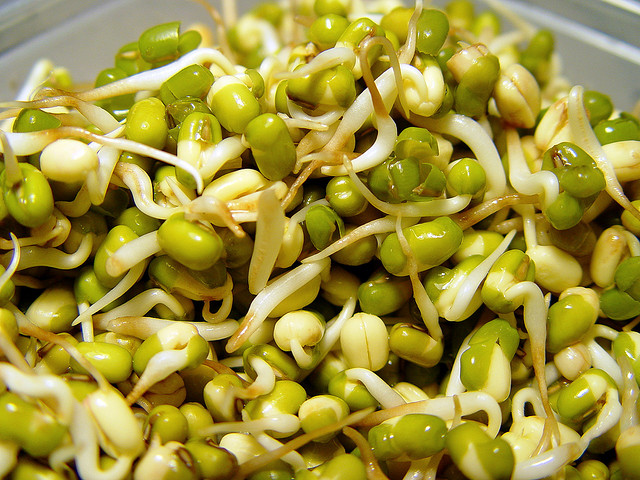
The humid settings ideal for cultivating sprouts are also model conditions for salmonella, listeria and E. Coli. The U.S. Department of Health and Human Services recommends that children, the elderly, pregnant women, and those with a weakened immune system should avoid eating sprouts all together.
flickr/ksbuehler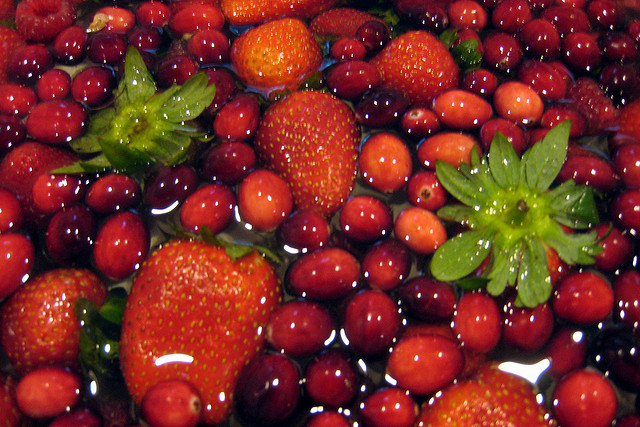
Strawberries, blackberries, and blueberries have been linked to a number of food-borne illness outbreaks in recent year. Last summer, a hepatitis A outbreak the sickened 150 people was traced back to frozen organic berries.
flickr/KCIvey