
10 Most Dangerous Infrastructure Problems

Dams again earned a grade of D. The average age of the 84,000 dams in the country is 52 years old. The nation’s dams are aging and the number of high-hazard dams is on the rise to nearly 14,000 in 2012. The number of deficient dams is currently more than 4,000. The Association of State Dam Safety Officials estimates that it will require an investment of $21 billion to repair these aging, yet critical, high-hazard dams. - American Society of Civil Engineers
REUTERS/Ho New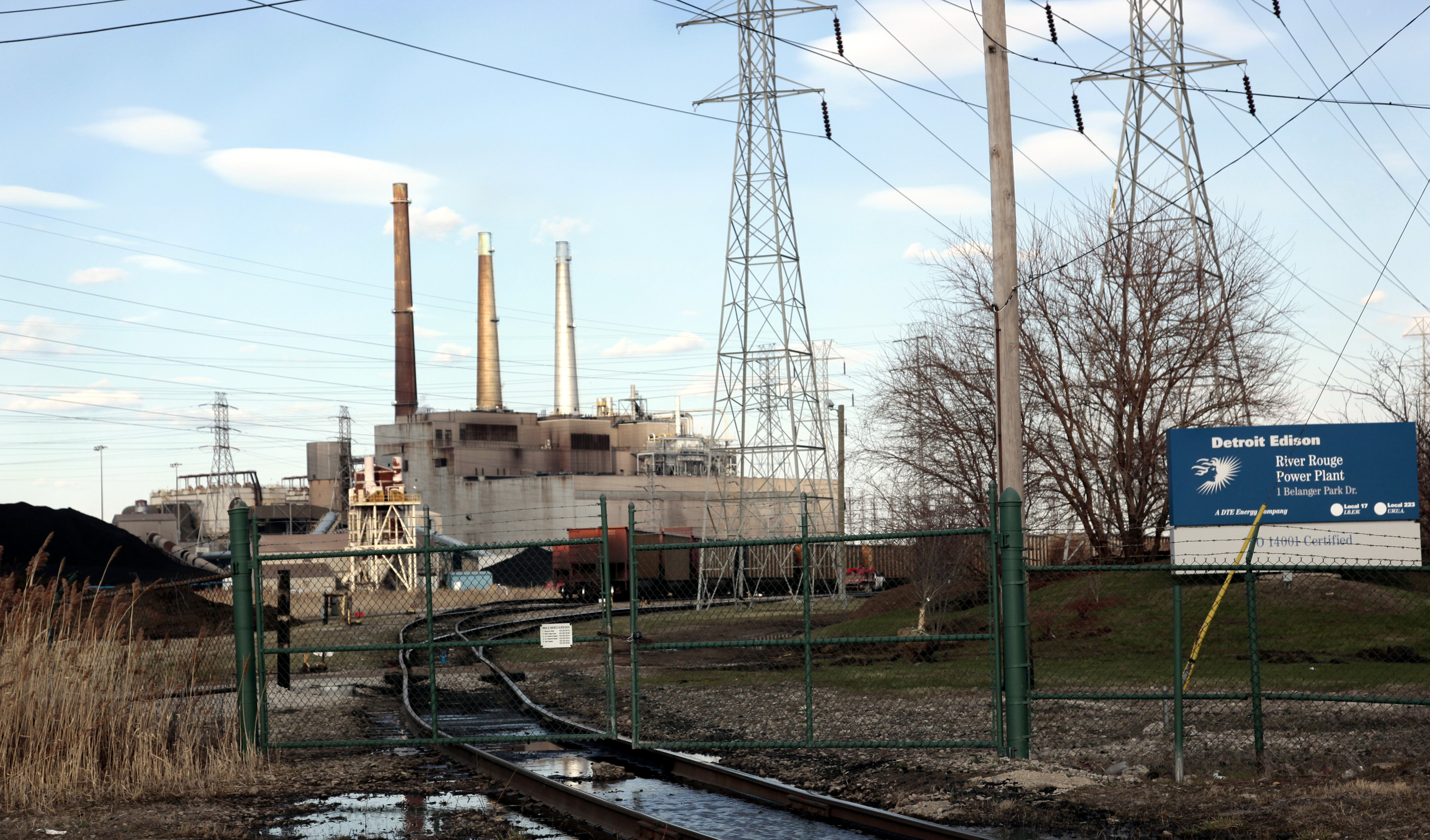
America relies on an aging electrical grid and pipeline distribution systems, some of which originated in the 1880s. Investment in power transmission has increased since 2005, but ongoing permitting issues, weather events, and limited maintenance have contributed to an increasing number of failures and power interruptions. While demand for electricity has remained level, the availability of energy in the form of electricity, natural gas, and oil will become a greater challenge after 2020 as the population increases. Although about 17,000 miles of additional high-voltage transmission lines and significant oil and gas pipelines are planned over the next five years, permitting and siting issues threaten their completion. Thus, the grade for energy remained a D+. - American Society of Civil Engineers
REUTERS/Rebecca Cook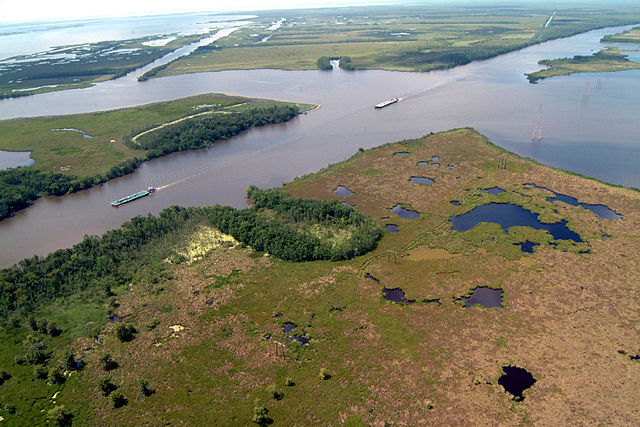
Our nation’s inland waterways and rivers are the hidden backbone of our freight network – they carry the equivalent of about 51 million truck trips each year. In many cases, the inland waterways system has not been updated since the 1950s, and more than half of the locks are over 50 years old. Barges are stopped for hours each day with unscheduled delays, preventing goods from getting to market and driving up costs. There is an average of 52 service interruptions a day throughout the system. - American Society of Civil Engineers
Wikimedia Commons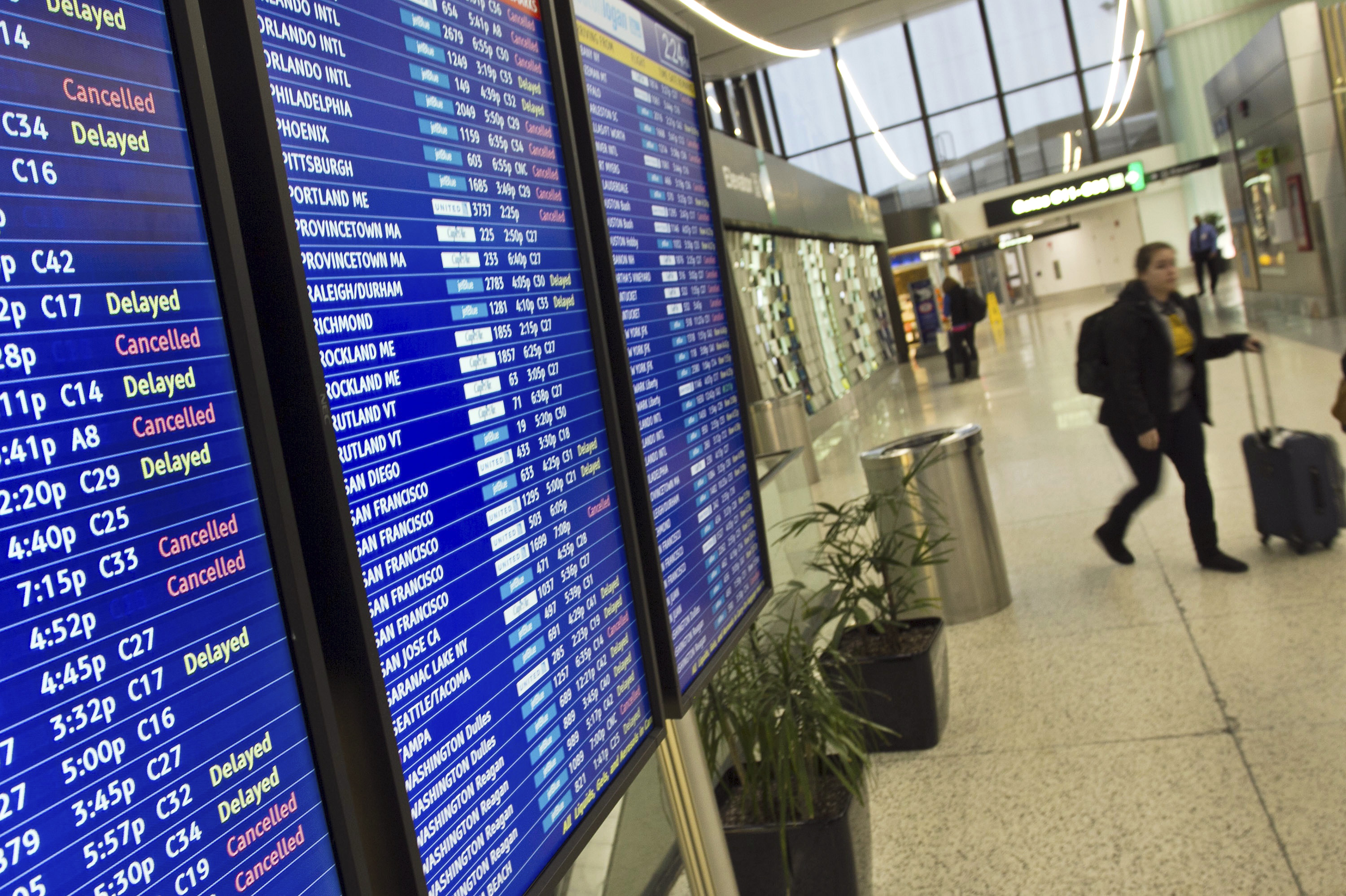
Despite the effects of the recent recession, commercial flights were about 33 million higher in number in 2011 than in 2000, stretching the system’s ability to meet the needs of the nation’s economy. The Federal Aviation Administration (FAA) estimates that the national cost of airport congestion and delays was almost $22 billion in 2012. If current federal funding levels are maintained, the FAA anticipates that the cost of congestion and delays to the economy will rise from $34 billion in 2020 to $63 billion by 2040. Aviation again earned a D. - American Society of Civil Engineers
(REUTERS/Dominique Reed)
At the dawn of the 21st century, much of our drinking water infrastructure is nearing the end of its useful life. There are an estimated 240,000 water main breaks per year in the United States. Assuming every pipe would need to be replaced, the cost over the coming decades could reach more than $1 trillion, according to the American Water Works Association (AWWA). The quality of drinking water in the United States remains universally high, however.
REUTERS/Brendan McDermid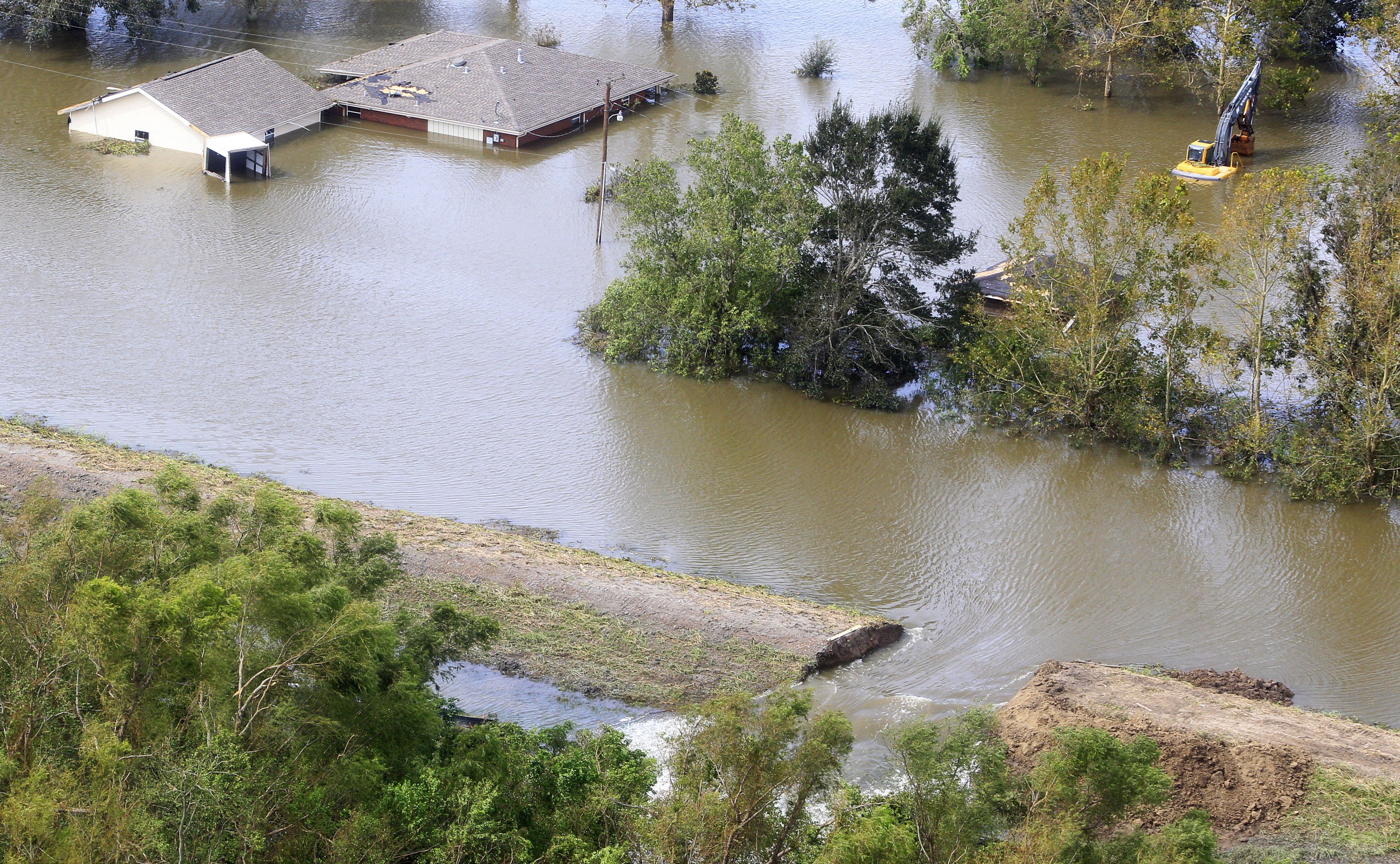
Levees again earned a near failing grade of D- in 2013. The nation’s estimated 100,000 miles of levees can be found in all 50 states and the District of Columbia. The reliability of these levees is unknown in many cases, and the country has yet to establish a National Levee Safety Program. Public safety remains at risk from these aging structures, and the cost to repair or rehabilitate these levees is roughly estimated to be $100 billion by the National Committee on Levee Safety. However, the return on investment is clear – as levees helped in the prevention of more than $141 billion in flood damages in 2011.
REUTERS/Sean Gardner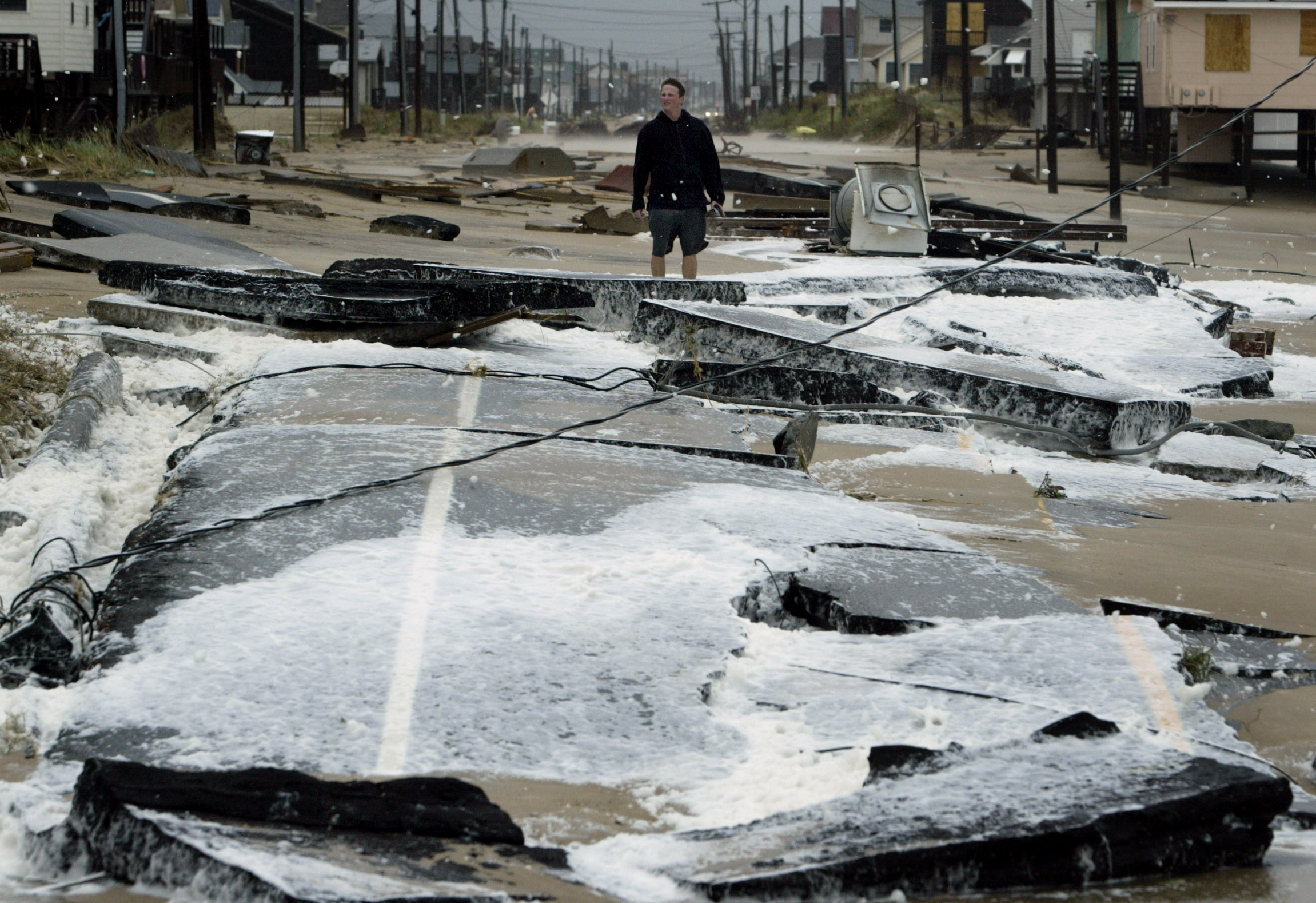
Forty-two percent of America’s major urban highways remain congested, costing the economy an estimated $101 billion in wasted time and fuel annually. While the conditions have improved in the near term, and federal, state, and local capital investments increased to $91 billion annually, that level of investment is insufficient and still projected to result in a decline in conditions and performance in the long term. Currently, the Federal Highway Administration estimates that $170 billion in capital investment would be needed on an annual basis to significantly improve conditions and performance. - American Society of Civil Engineers
REUTERS/Jason Reed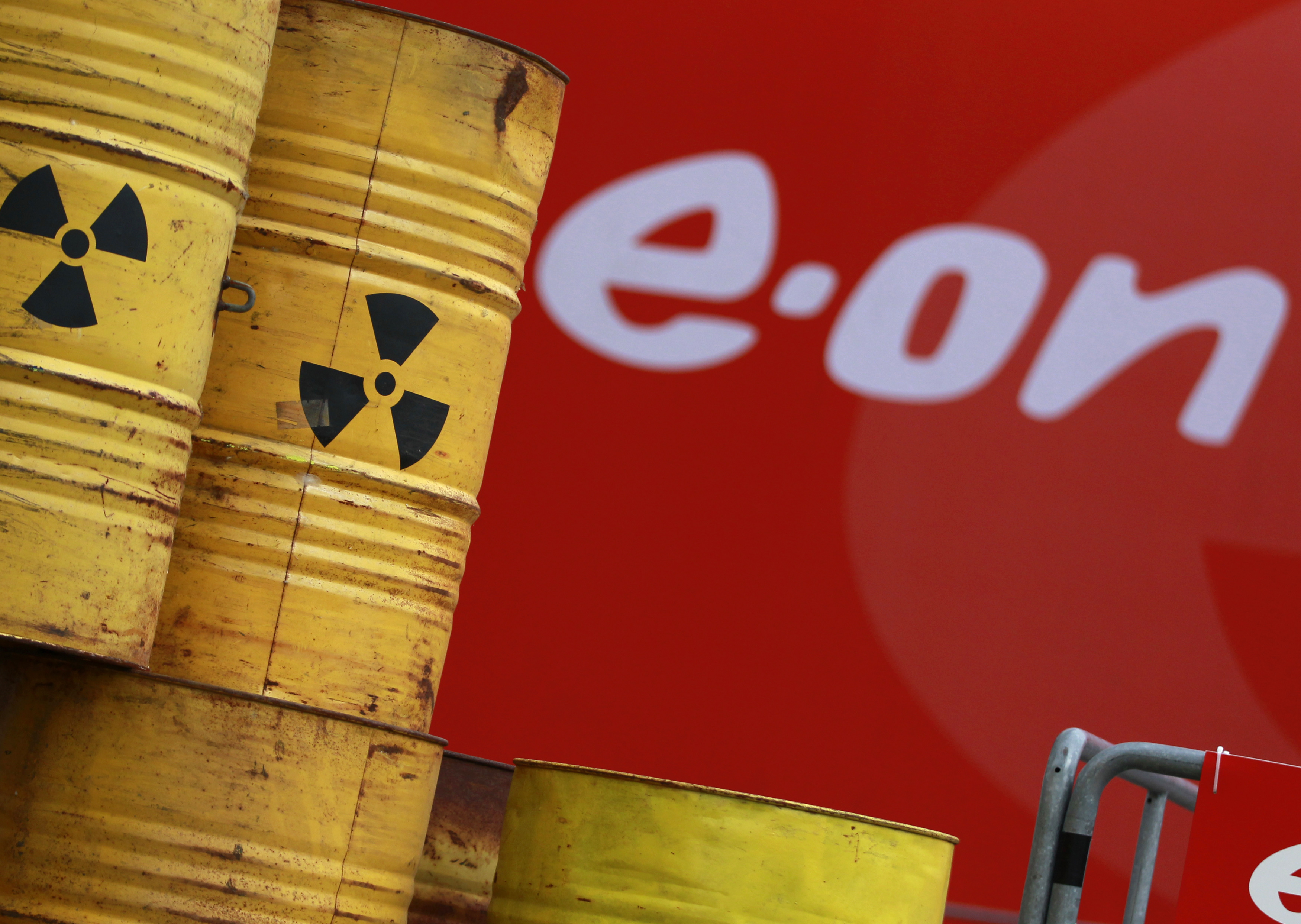
Annual funding for Superfund site cleanup is estimated to be as much as $500 million short of what is needed, and 1,280 sites remain on the National Priorities List with an unknown number of potential sites yet to be identified. More than 400,000 brownfields sites await cleanup and redevelopment. The Environmental Protection Agency (EPA) estimates that one in four Americans lives within three miles of a hazardous waste site. The grade for hazardous waste remained unchanged at a D. - American Society of Civil Engineers
REUTERS/Ina Fassbender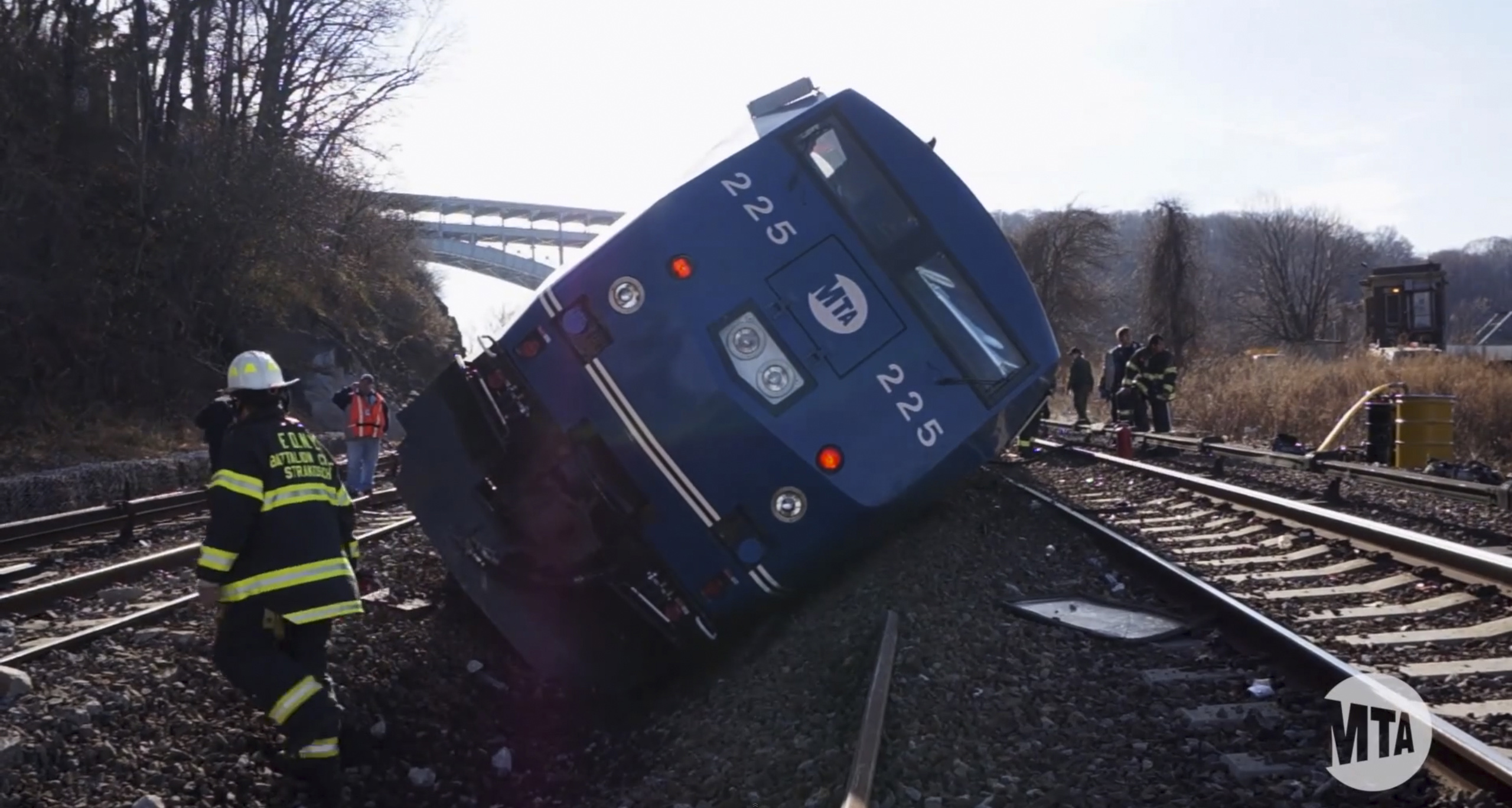
Railroads are experiencing a competitive resurgence as both an energy-efficient freight transportation option and a viable city-to-city passenger service. In 2012, Amtrak recorded its highest year of ridership with 31.2 million passengers, almost doubling ridership since 2000, with growth anticipated to continue. Both freight and passenger rail have been investing heavily in their tracks, bridges, and tunnels as well as adding new capacity for freight and passengers. In 2010 alone, freight railroads renewed the rails on more than 3,100 miles of railroad track, equivalent to going coast to coast. Since 2009, capital investment from both freight and passenger railroads has exceeded $75 billion, actually increasing investment during the recession when materials prices were lower and trains ran less frequently. With high ridership and greater investment in the system, the grade for rail saw the largest improvement, moving up to a C+ in 2013. - American Society of Civil Engineers (Editor's Note: We included the rail system because of high-profile accidents, one spewing toxic fumes from an oil fire and explosion in North Dakota, the other killing multiple people because of high speed in the New York City area.)
REUTERS/MTA Handout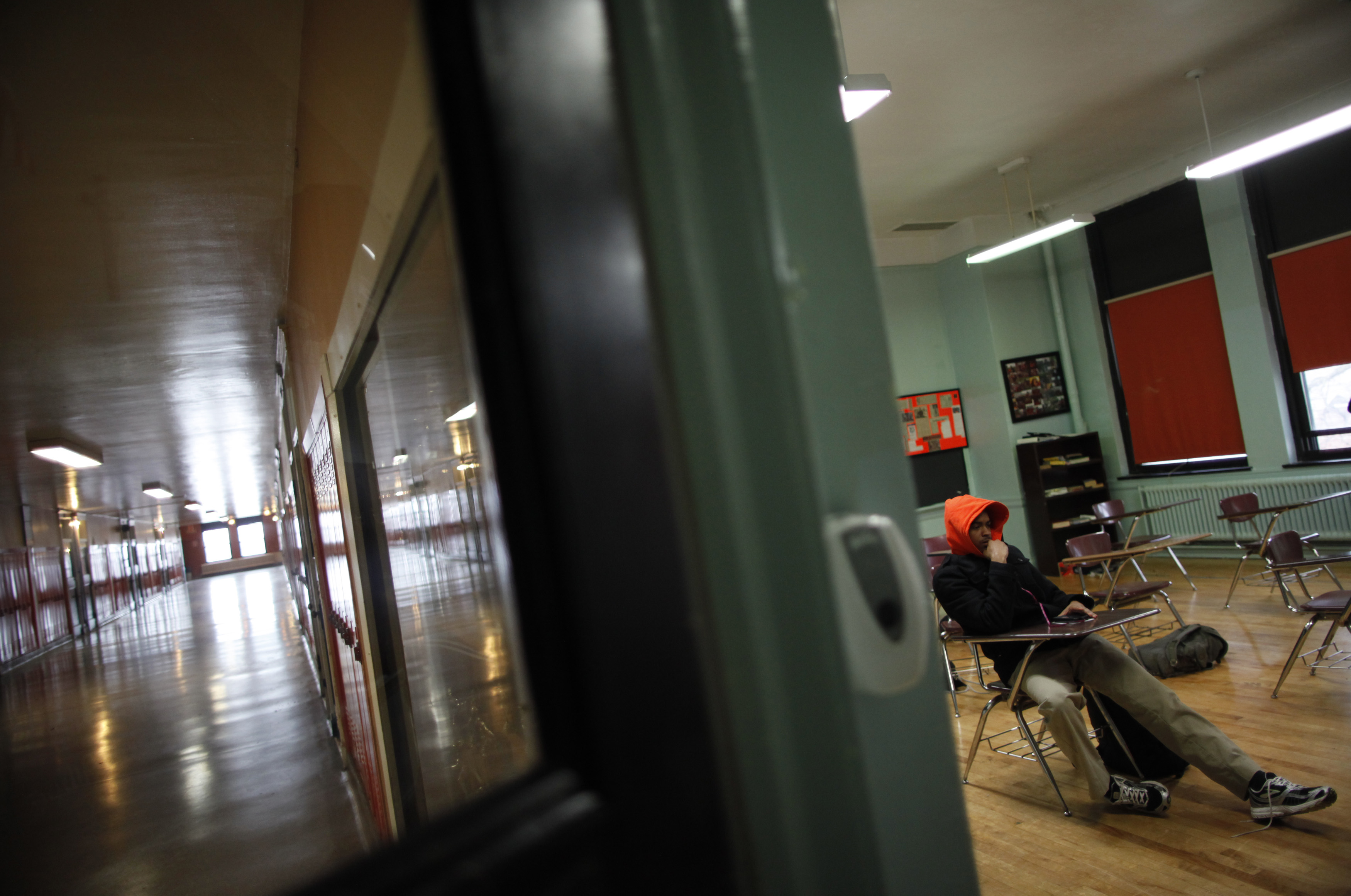
Almost half of America’s public school buildings were built to educate the baby boomers – a generation that is now retiring from the workforce. Public school enrollment is projected to gradually increase through 2019, yet state and local school construction funding continues to decline. National spending on school construction has diminished to approximately $10 billion in 2012, about half the level spent prior to the recession, while the condition of school facilities continues to be a significant concern for communities. Experts now estimate the investment needed to modernize and maintain our nation’s school facilities is at least $270 billion or more. However, due to the absence of national data on school facilities for more than a decade, a complete picture of the condition of our nation’s schools remains mostly unknown. Schools received a D again this year.
REUTERS/Jim Young