
The 10 Saddest States in America
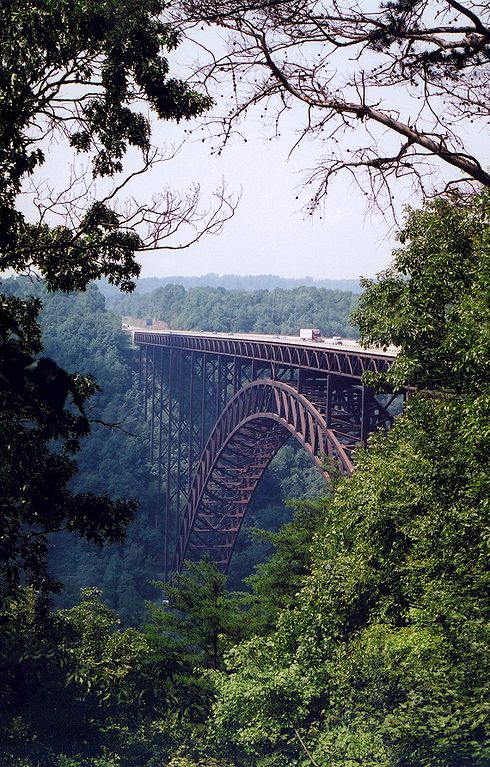
Well-being index: 61.4
West Virginia has remained on the bottom of the list of happiest states for the past five years. The Mountain State ranked last on every single sub-index except work environment.
Wikimedia Commons
Well-being index: 63
Kentucky has held onto its spot as the second unhappiest state for the past five years. The state’s struggling automobile industry doesn’t help; its unemployment rate is an above-average 7.9 percent.
Wikimedia Commons
Well-being index: 62.7
Mississippi’s unemployment rate is still 7.8 percent and the state has the lowest payroll-to-population rate in the country, according to Gallup. The state is also on the front line of the obesity epidemic; it has the highest obesity rate in the country, with more than a third of its residents more than 30 pounds overweight.
Wikimedia Commons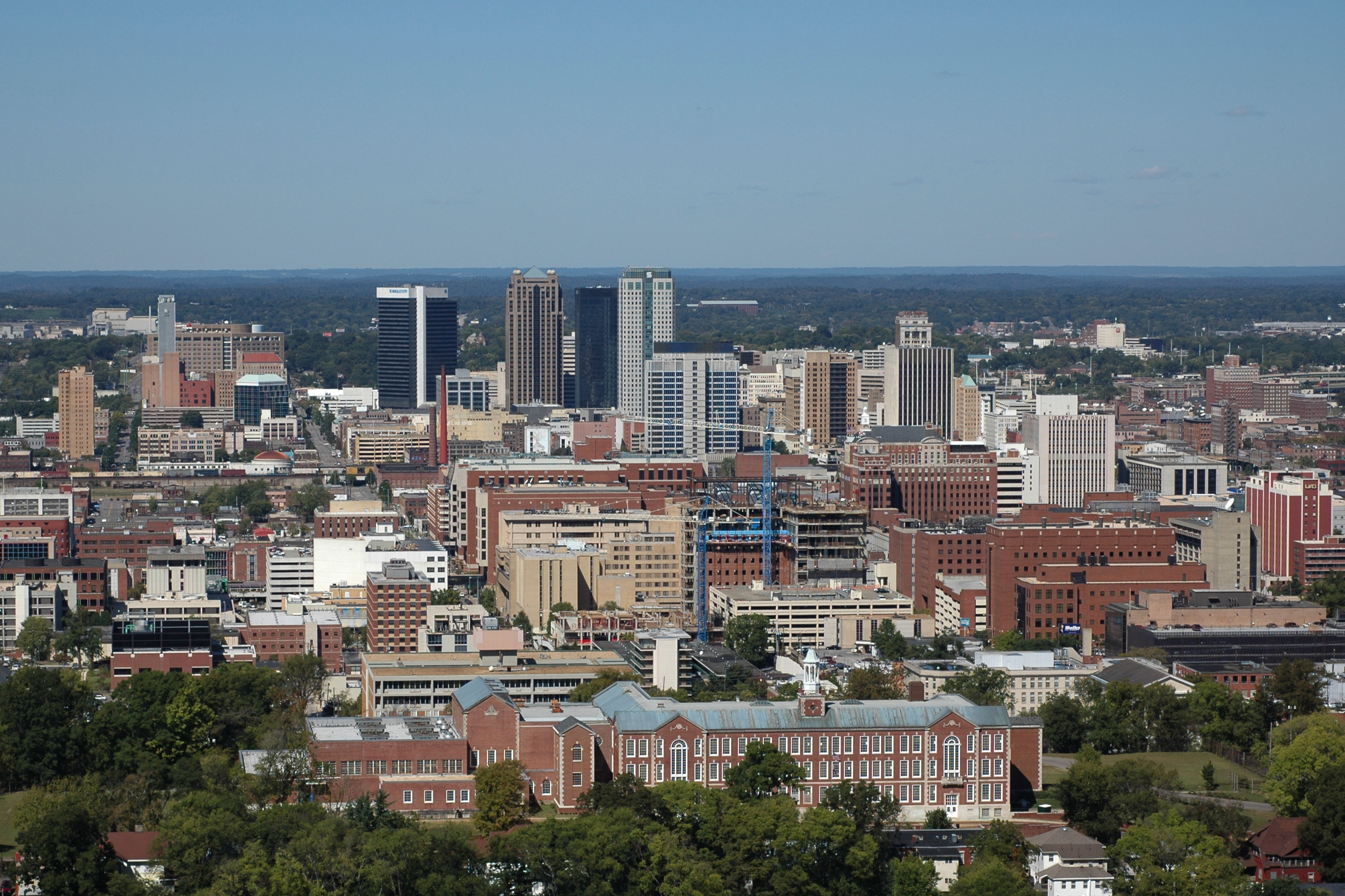
Well-being index: 64.1
Although the state’s unemployment rate of 6.1 percent is close to the national rate, the state ranks among the worst for job creation and relies heavily on low-skill, low-wage jobs. A 2012 Georgetown University report predicted that by 2020, 53 percent of the jobs in the state will require a post-secondary degree, compared to nearly two-thirds of jobs nationwide.
Wikimedia Commons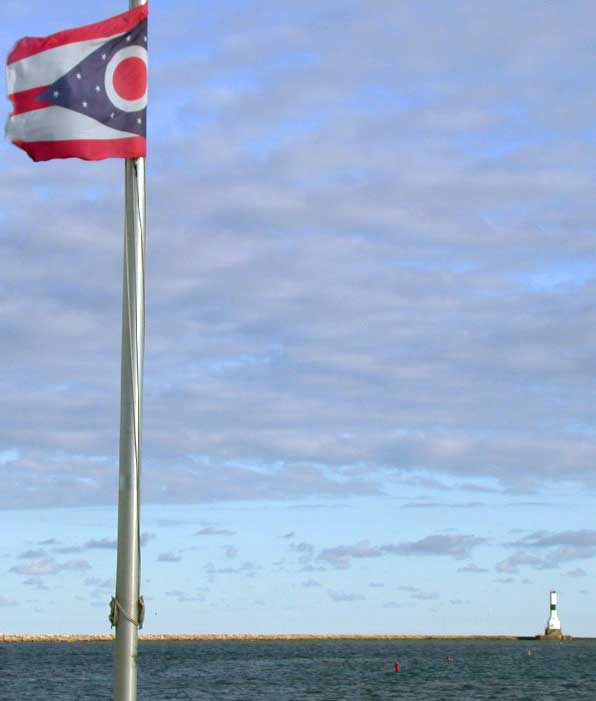
Well-being index: 64.2
While it has shown a modest economic recovery since the recession, the Buckeye State’s unemployment rate remains stubbornly above 7 percent. Economists predict it could take another five years for Ohio to recover all the jobs it lost in the Great Recession.
Wikimedia Commons
Well-being index: 64.3
In addition to its struggling economy, Arkansas faces some challenges with the health of its residents. The state ranks 49th of 50 in America’s Health rankings, reflecting high rates of obesity and smoking.
Wikimedia Commons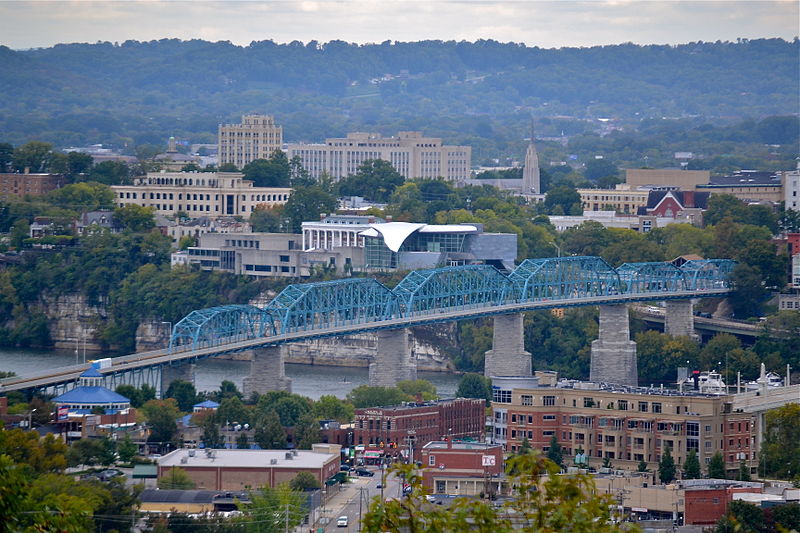
Well-being index: 64.5
Unemployment in the Volunteer State finally slipped below 8 percent in December, but it remains far higher than the U.S. rate, and it’s not expected fall to 7 percent until 2015, according to the Center for Business and Economic Research at the University of Tennessee. The labor market is expected to continue to struggle through 2020.
Wikimedia Commons
Well-being index: 64.5
Even through the Show Me State has managed to get its unemployment rate back down to 6 percent, the state has yet to see significant job creation. Although nonfarm employment has trended higher, slack remains in the labor market, according to Moody’s Analytics.
Wikimedia Commons
Well-being index: 64.7
Thanks to its strong energy economy, Oklahoma has rebounded faster from the Great Recession than some other states. Still, it faces some other issues that lead to a low score, including a population that’s not in great health (nearly a third of its residents are obese) and a growing income inequality. In the past decade, the percentage of Oklahoma children living in poverty has grown from 21.4 percent to more than 27 percent, according to America’s Health Rankings.
Wikimedia Commons
Well-being index: 64.9
Growth in Louisiana’s private industries and oil markets has helped the Bayou State’s economy grain ground in the past year, according to Moody’s Analytics. But the population’s health remains among the worst in the country, with a high prevalence of physical inactivity, obesity, and diabetes, according to America’s Health Rankings.
Wikimedia Commons