
The 12 Worst States for Retirement

Retirement security score: 2 out of 10
The Golden State is among the worst for retirement security because of low retirement income scores and high retiree cost scores. The state’s 8.5 percent unemployment rate for workers over age 55 is the second worst in the country (after Nevada).
Wikimedia Commons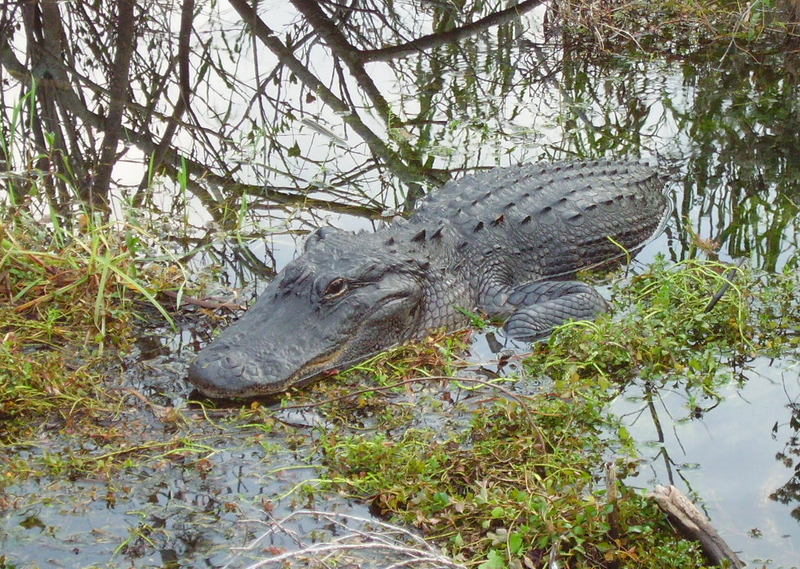
Retirement security score: 2 out of 10
While Florida has a reputation as a retiree haven, it doesn’t offer the financial security found in some other states. Although it doesn’t have an income tax, it has relatively poor labor market conditions for retirees as well as high retirees costs.
Wikimedia Commons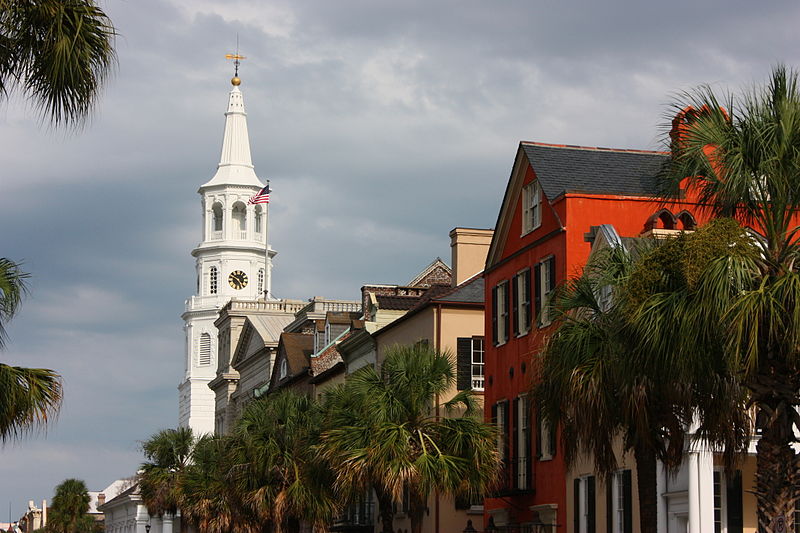
Retirement security score: 2 out of 10
The mild climate and abundant golf courses make the Palmetto State another popular destination for retirees. However, the state lost two points on its Security Score since 2000, reflecting a large decease in its labor market score and a small decline in its retirement income score.
Wikimedia Commons
Retirement security score: 3 out of 10
In addition to the weather, Arizona retirees benefit from extremely low housing costs, but that’s because the state was so overbuilt during the real-estate boom that home prices were completely gutted. Real estate markets have bounced off the bottom, but they’ve recently started cooling off again.
Wikimedia Commons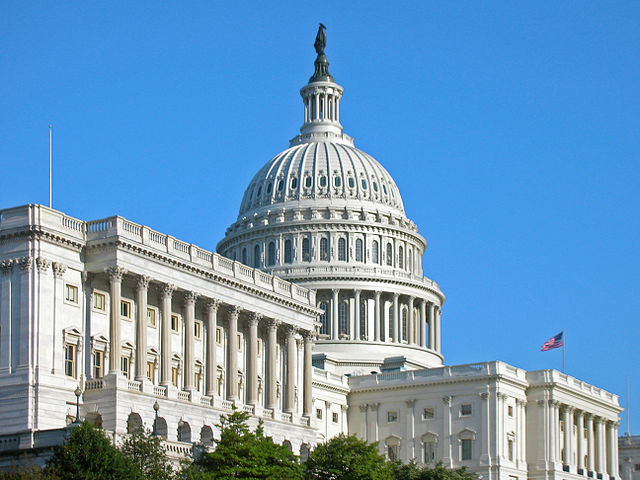
Retirement security score: 3 out of 10
Cherry blossoms and free museums don’t come cheap. Like most major Northeast cities, residents of the nation’s capital face high housing expenses and a high cost of living.
Wikimedia Commons
Retirement security score: 3 out of 10
Residents of the Peach State just aren’t saving enough for retirement. The average defined contribution retirement balance is only $21,922, putting this state among the bottom three on that measure; the state’s scores were middling across pretty much every other measure.
Wikimedia Commons
Retirement security score: 3 out of 10
As if the harsh winters and remote location weren’t tough enough on seniors, the cost of living in Maine is among the highest in the country. Even though the state’s income tax rate fell from 8.5 percent to 7.95 percent last year, that’s still a hefty levy on retirees.
Wikimedia Commons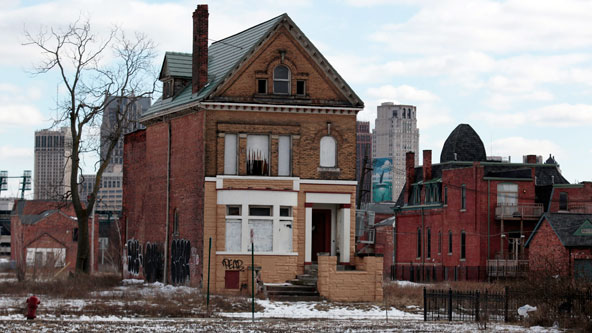
Retirement security score: 3 out of 10
Michigan’s score fell the most of any state (3 points) on the latest scorecard. Retirees in the Wolverine State also have to deal with harsh winters and a struggling economy.
REUTERS/Rebecca Cook
Retirement security score: 3 out of 10
The state may not have an income tax, but that’s little comfort for those who don’t have a job. The unemployment rate for older workers in Nevada is 9.8 percent, the highest in the country.
Wikimedia Commons
Retirement security score: 3 out of 10
Nearly half (48.1 percent) of Garden State residents age 55 and older spend more than 30 percent of their income on housing costs, the highest rate of any state. On top of that, New Jersey is among the worst states for taxes, thanks to its high income tax, sales tax, and property tax rate.

Retirement security score: 3 out of 10
Just 32 percent of New Mexico private sector employees participate in a workplace retirement plan, the lowest rate in the country. Public sector employees of the state may not fare much better: A report by State Budget Solutions released in September finds that New Mexico is among the top five states with the largest unfunded pension liability per person.
AMC
Retirement security score: 3 out of 10
With a relatively high income tax rate, the Tar Heel state is not particularly friendly to retirees right now. However, starting this year, the state will change its income tax policy from a graduated bracket system with a top rate of 7.75 percent, to a simpler structure with a flat rate of 5.8 percent in 2014 and 5.75 percent in 2015, which should make it more welcoming to retirees.
Wikimedia Commons