
6 Cheap and Easy Ways to Make Your Home Smarter
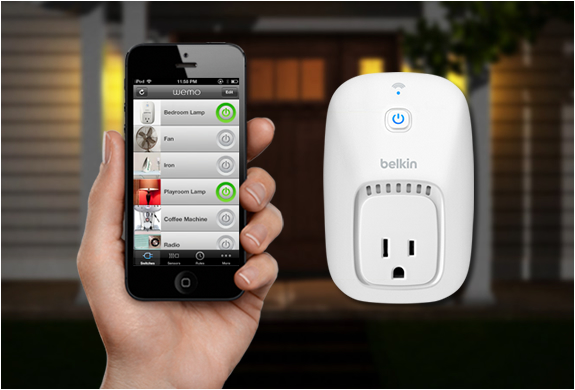
For non-overhead lights that make use of an outlet, and anything else that needs to be plugged in, like a window air conditioner, the Belkin WeMo Insight Switch can help smarten up ordinarily dumb devices. Not only can you remotely control power being directed to your appliances (say, your slow cooker when you’re held up at work), but you can also see when these appliances are being used. In addition, the switch monitors electricity usage, giving you the power to save money. The WeMo Insight Switch retails for about $50, but that’s just for one unit. If you really are keen on building an awesome smart home, you’ll need to get at least a few of them.
Belkin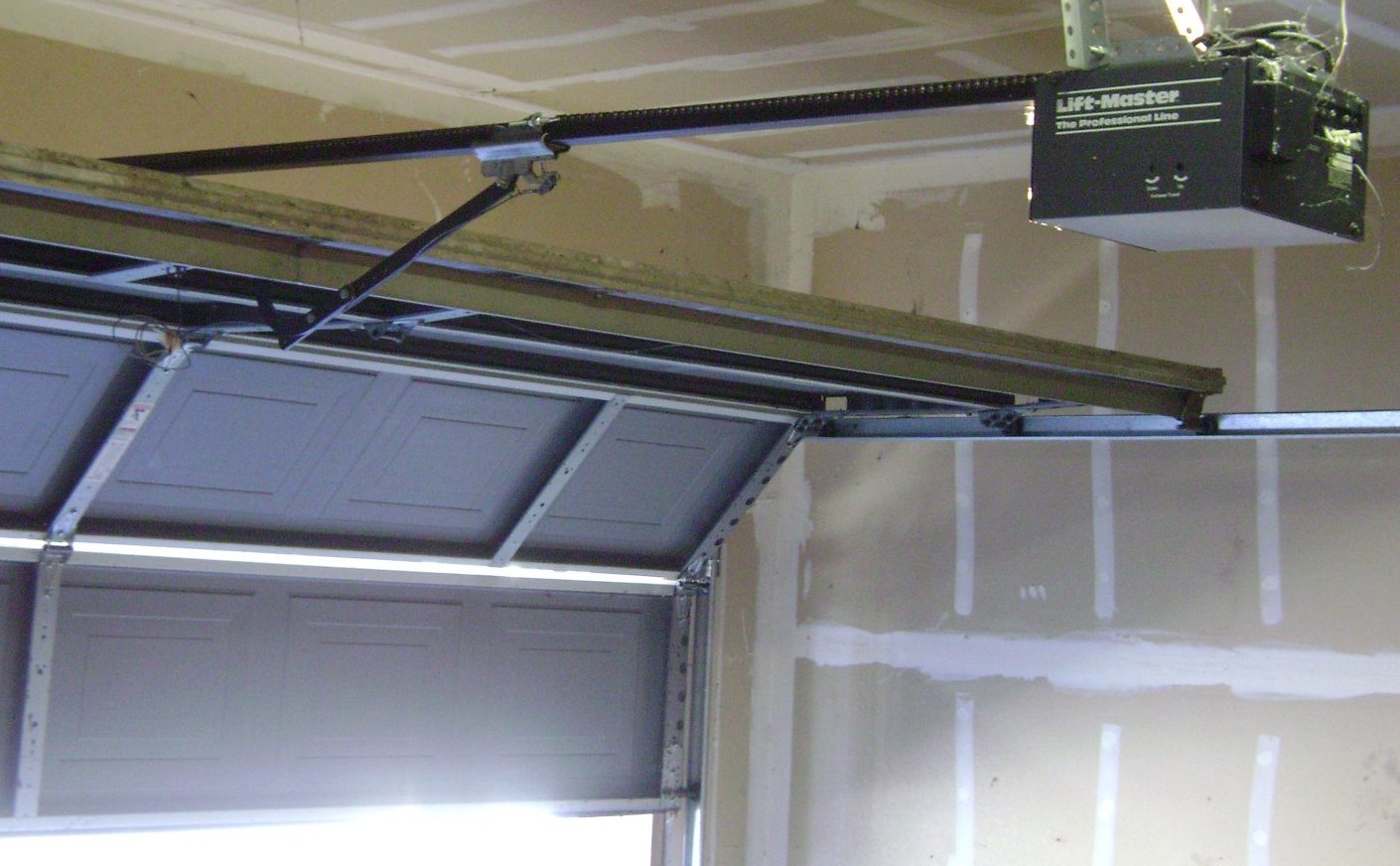
The notoriously hinky garage door openers only seem to work 30 percent of the time, forcing your frustrated button-pressings to stop and start the door midway through its opening process. And let’s not even touch on the issue of losing remotes between the car seats.
No more! There’s now a wide variety of devices that plug into your present garage door opener mechanism to make it “smart,” enabling you to control it via a smartphone app or computer. One highly rated contender, the Iris, runs about $100.
Wikimedia Commons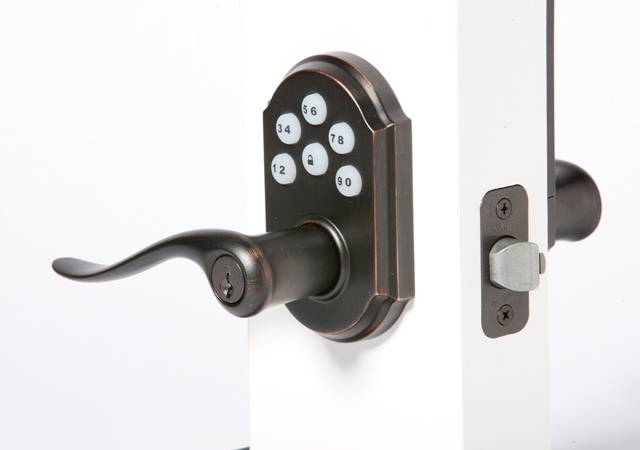
Remotely controlled locks are great for taking care of the ever-present “did I lock the front door” paranoia. You’ll also never forget your keys again!
Plenty of companies exist that sell variations on the remote door lock, but our favorite is the KwikSet, which boasts a regular keyhole, a keypad, and is also controllable and able to be monitored via a smartphone app. Expect to pay about $200 a lock.
Kwikset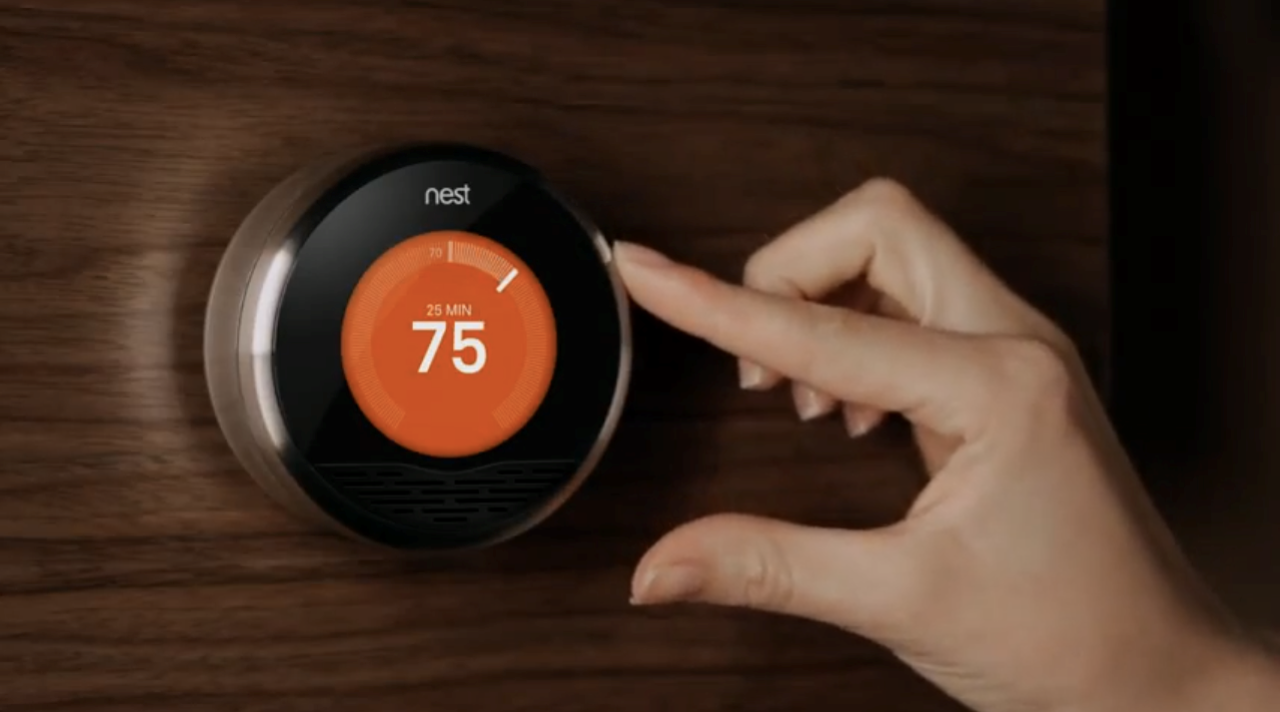
Arguably the most important part of an automated dwelling, a smart thermostat has an added benefit besides just being (and keeping you) cool — it can also save you a ton of cash in utility bills. A smart thermostat eliminates the troublesome human element in home cooling, switching your AC off when you leave, turning it back on when you approach the house, and monitoring ambient and outside temperatures in order to keep the house comfortable.
There are two main players in the market: Nest, which pioneered the idea of a “smart thermostat” and is now owned by Google, and Lyric, Honeywell’s entry into the market. Both products offer a modern, unobtrusive design and are available at a similar price point. The Nest is $279 and the Lyric is slightly cheaper, ranging from $250 to $270, depending on the retailer.
Nest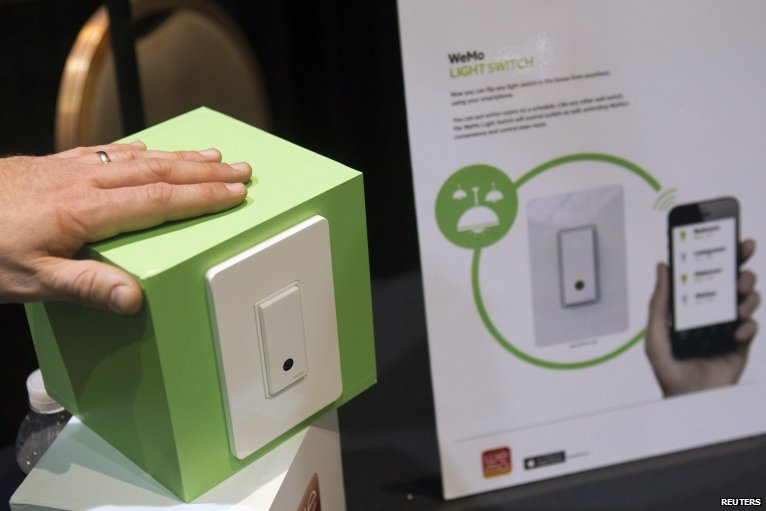
Installing an automated lighting system is probably one of the smartest decisions a homeowner can make. Being able to see lights that have accidentally been left on and control them remotely is a great way to save energy and the environment. On the flip side, a system like this can also be used to make your house seem inhabited while you’re away on holiday.
The Belkin WeMo family of products includes “smart plugs” (mentioned later in this list) and “smart switches.” Replace regular light switches with these Wi-Fi enabled ones to control lighting from an Android device, iPhone or iPad and to program lights to turn on or off at set times. Belkin promises the switches are easy enough for any DIY enthusiast to install. At $50 a pop, though, the cost will add up if you have a lot of lights in your home.
Belkin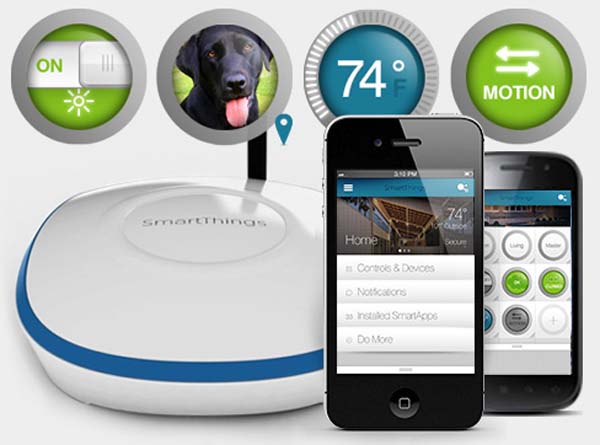
The greatest challenge to a truly automated home, if you’re not building one from scratch, is the fact that nothing is centralized: Every device seems to use a different wireless protocol and comes with its own app or control mechanism. Centralized hubs like SmartThings help overcome that obstacle by accepting a variety of devices that run on three of the more popular protocols and sending all the information to a single app on your phone.
A SmartThings starter kit, which consists of the hub itself, a motion detector and a door open/close sensor, retails for $199. It also comes with a key fob that will detect when you’re away from the house and alert you accordingly.
SmartThings