
20 American Cars That Rock Cuba
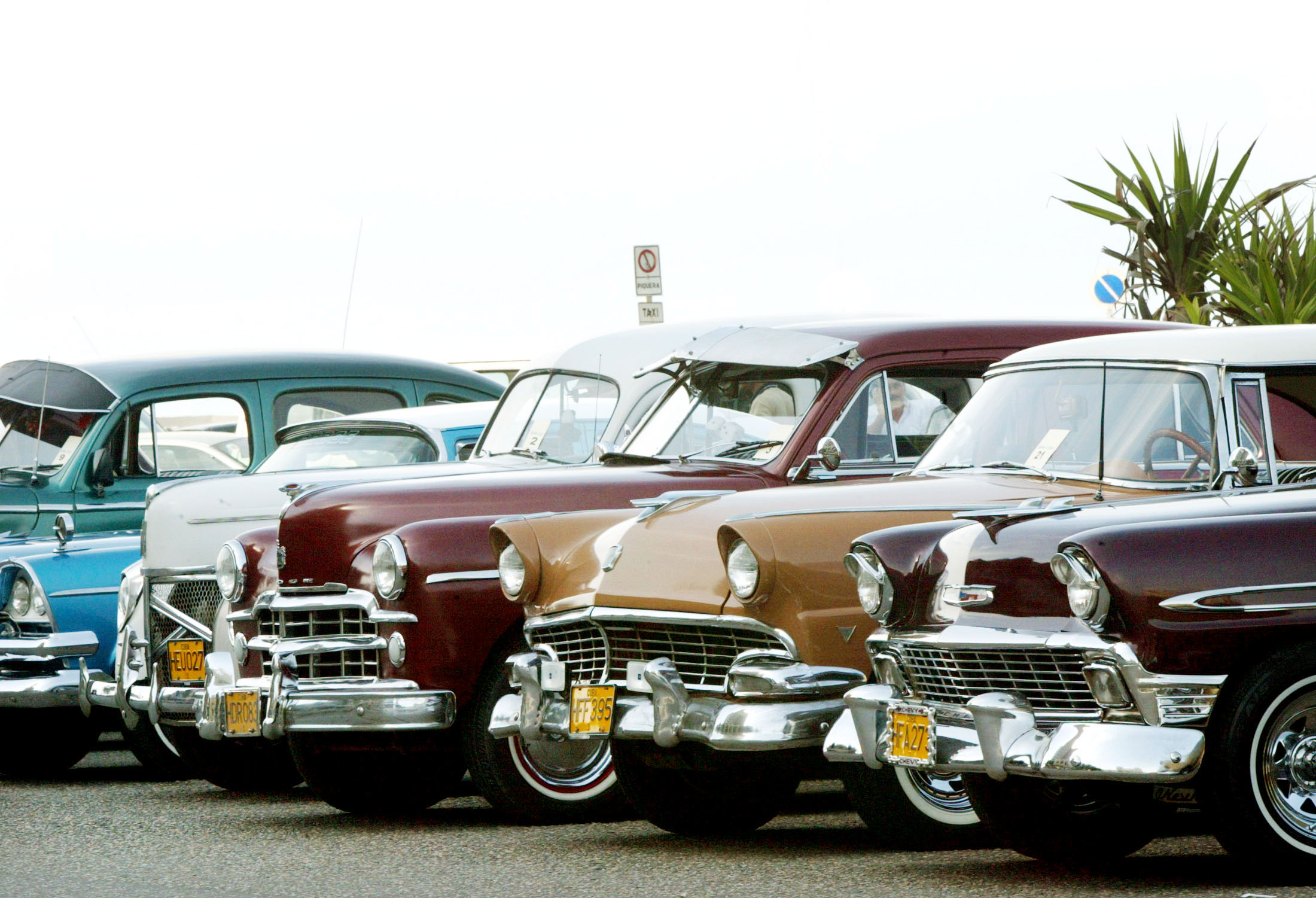
A collection of U.S. classic automobiles are parked on a street in Havana, October 2, 2003. Cuba has been called "the greatest living American car museum in the world," as streets are full of classic 1940s and 1950s automobiles, imported before the revolution. (All captions courtesy Reuters.)
REUTERS/Claudia Daut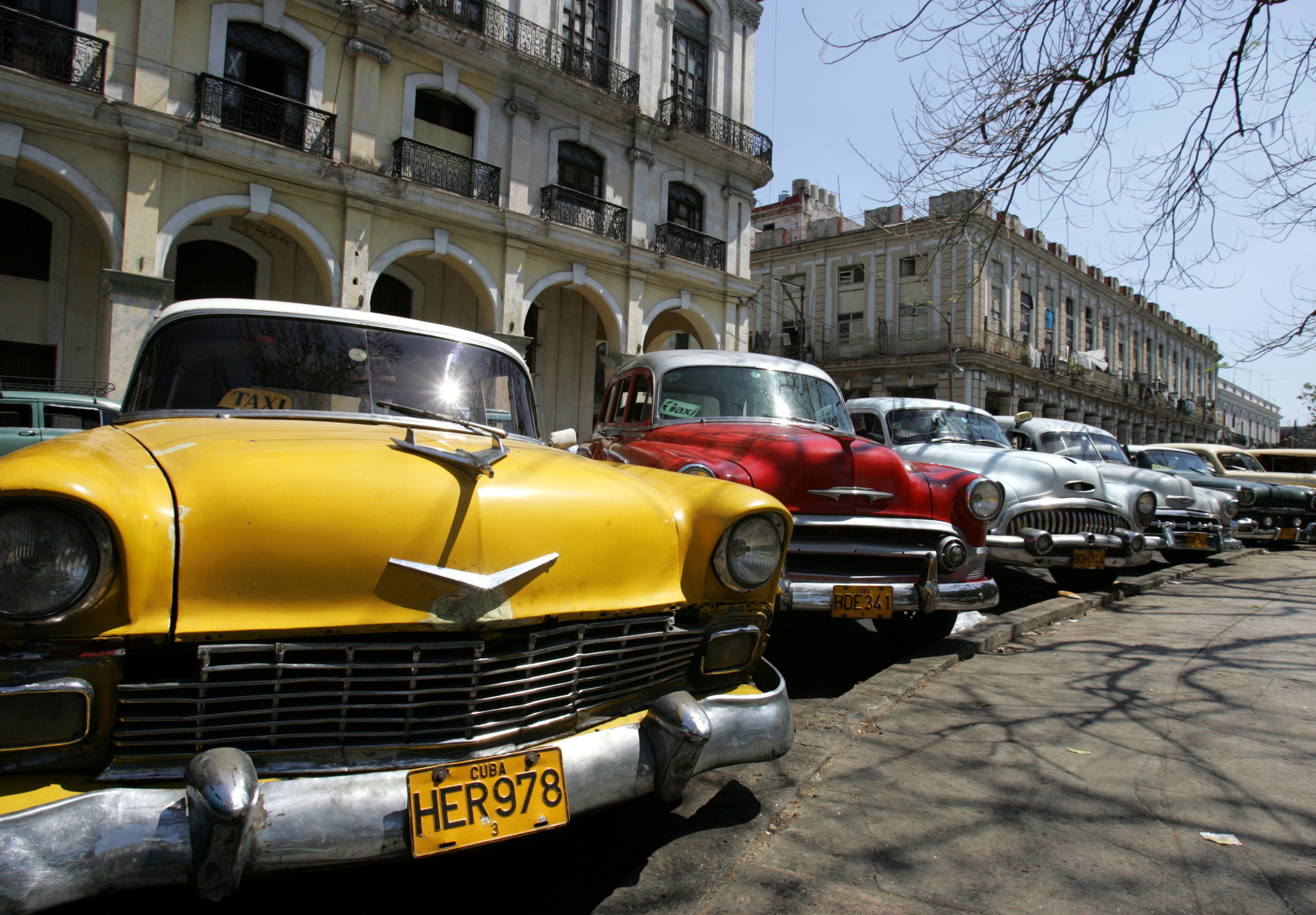
A 1956 Chevrolet Bel Air (L) used as a taxi is parked next to other vintage cars near Havana's train station. In Communist Cuba, more than 60,000 American cars made in the 1940s and 1950s are still in full use. Since the collapse of the Soviet Union plunged Cuba into a deep economic crisis in 1991, the old American cars have been pressed into service as jitney cabs to fill the void left by a deficient public transport system.
© Claudia Daut / Reuters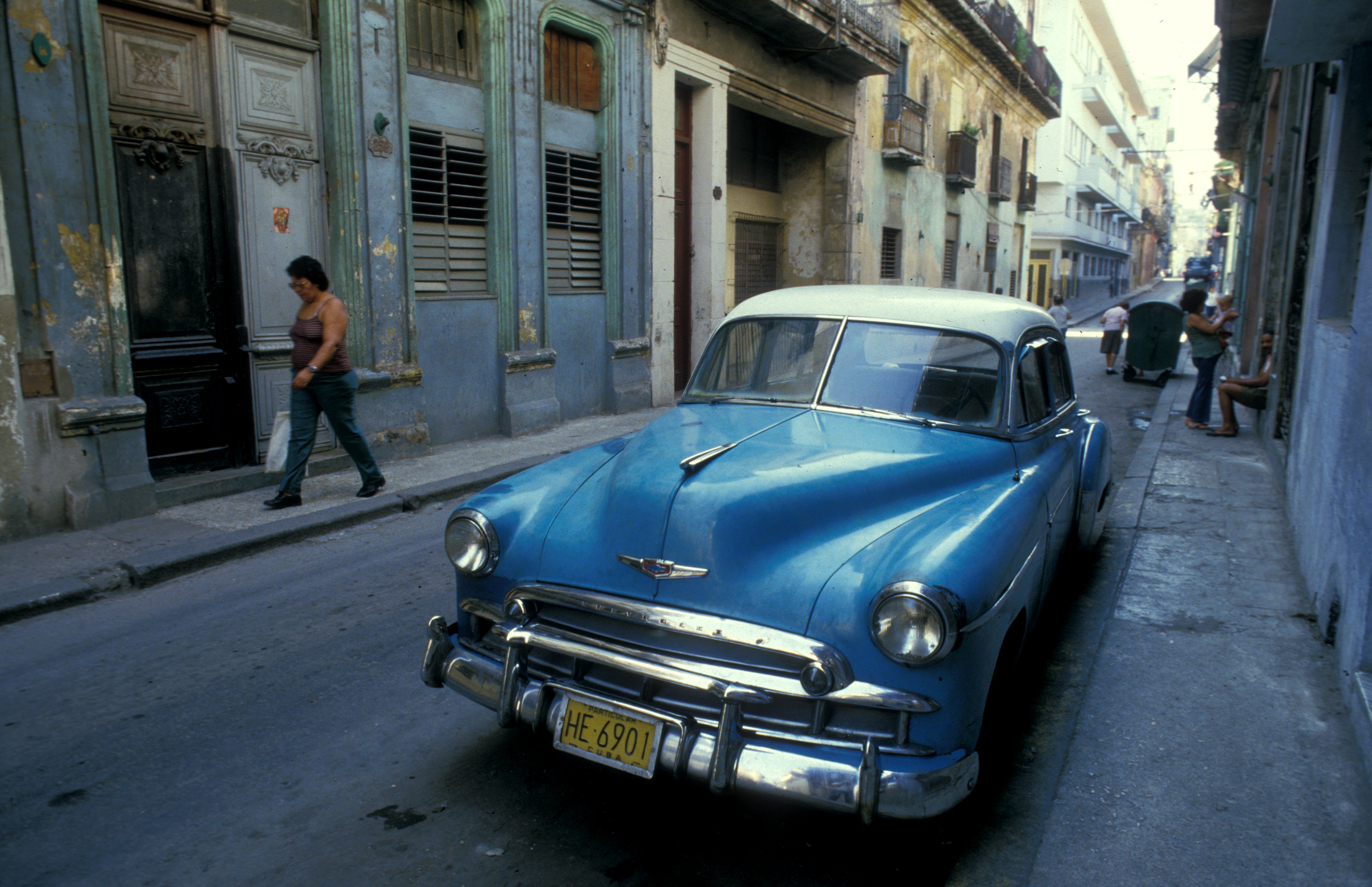
A Chevrolet car is parked in an Old Havana street, August 8, 1985.
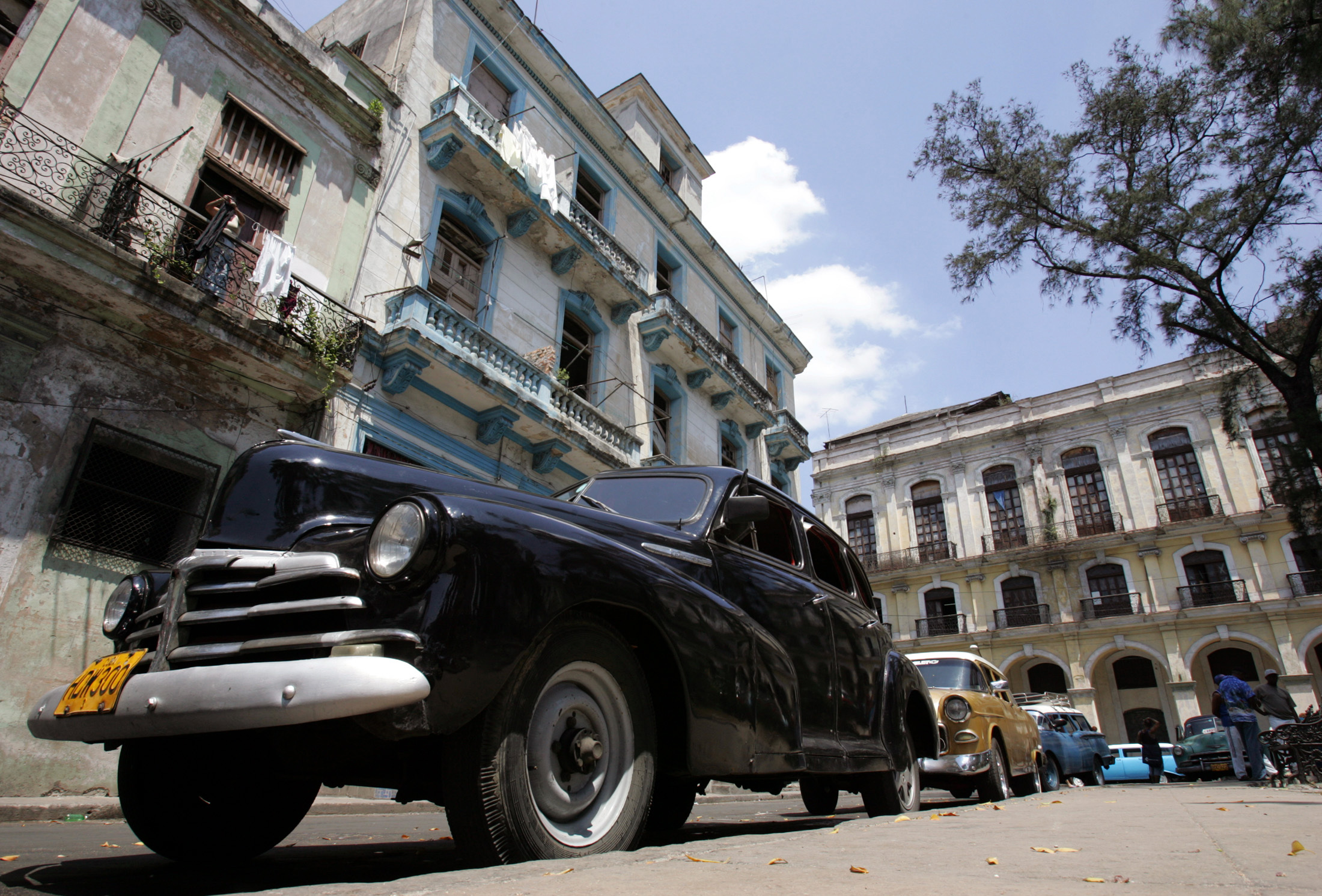
A 1947 Chevrolet Fleetmaster is parked next to other vintage cars used as taxis near Havana's train station.
© Claudia Daut / Reuters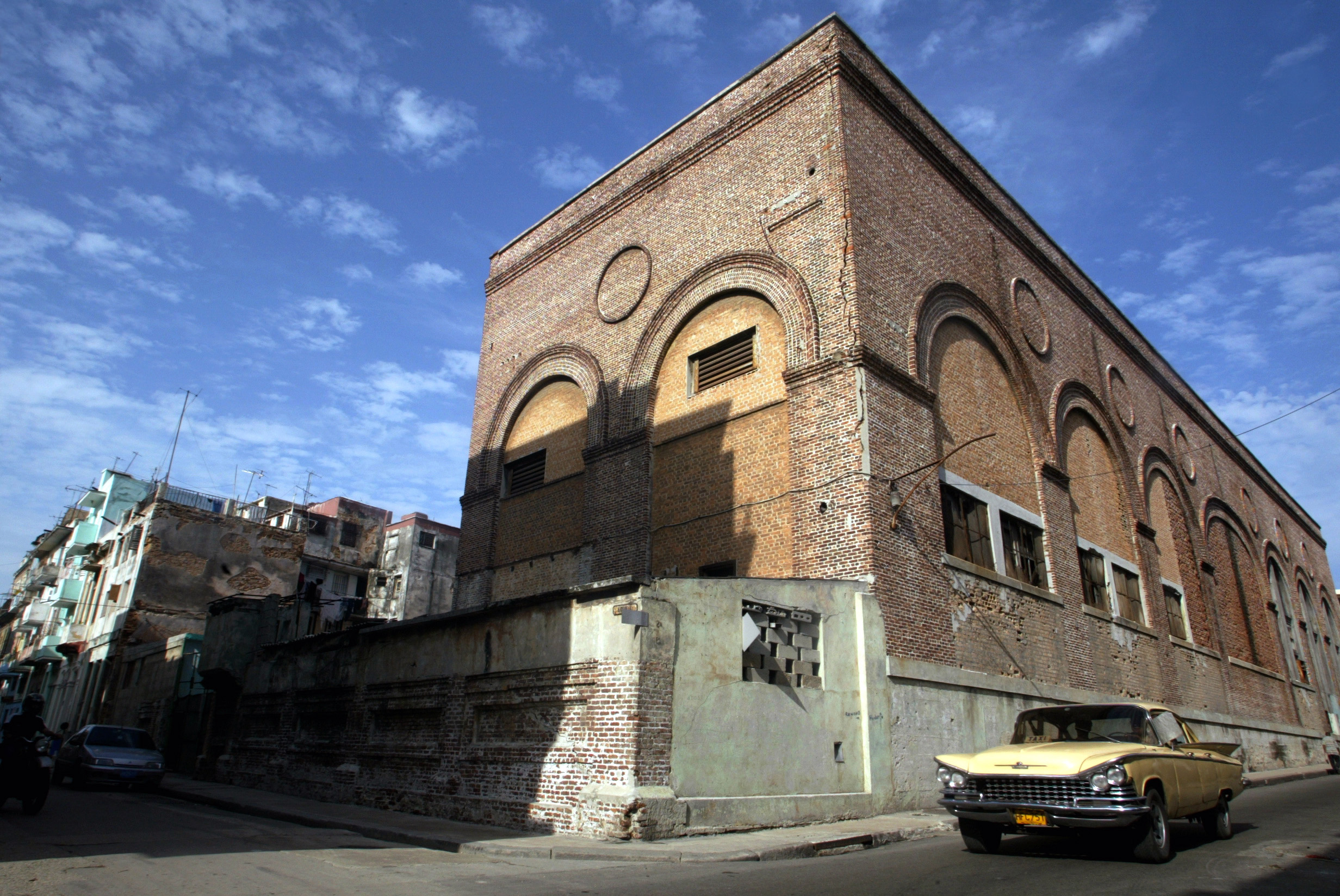
A vintage car drives past a building in Havana.
© Enrique de la Osa / Reuters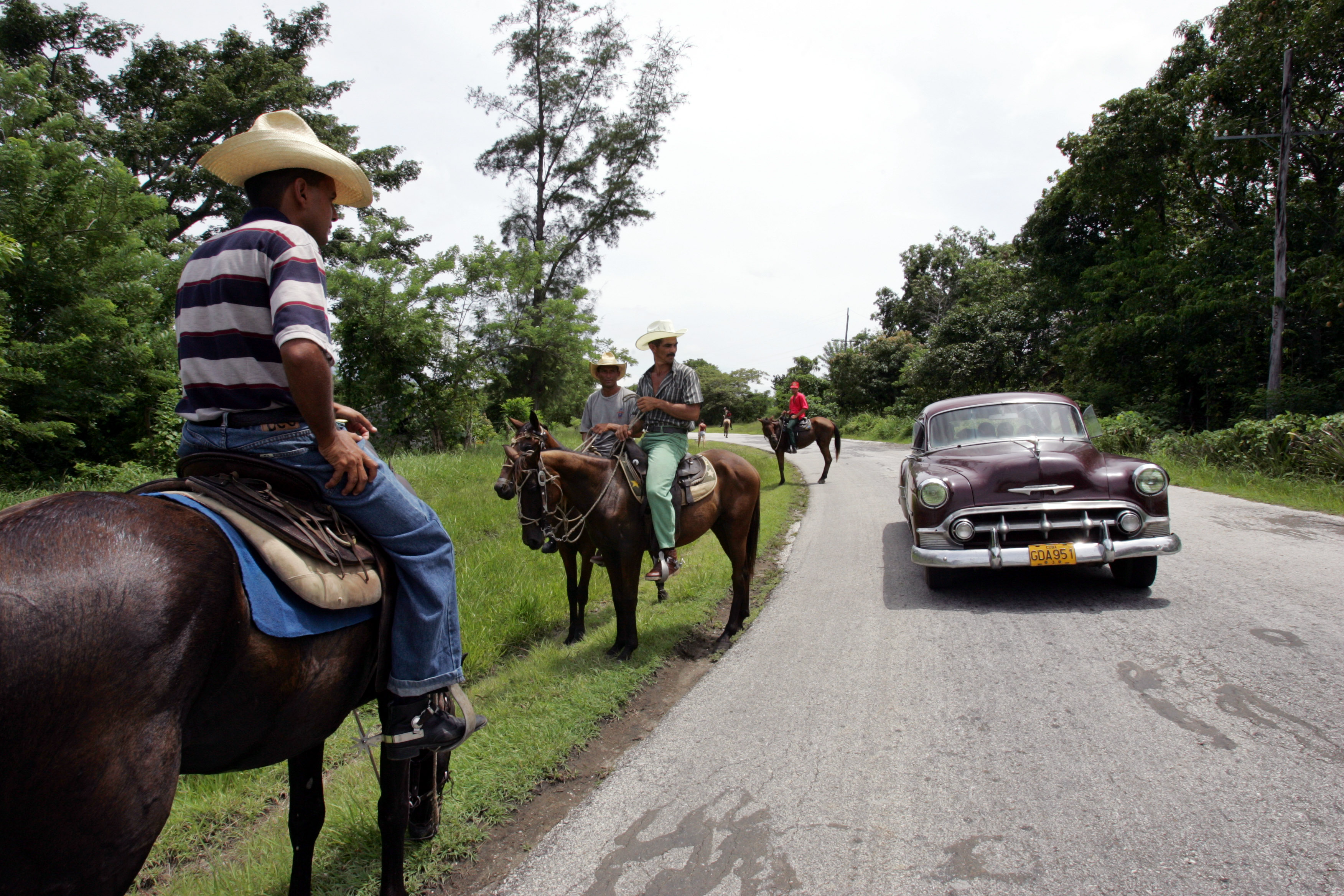
Guajiros, Cuba's cowboys, let a vintage car drive past on a road near Bartolome Maso, Cuba.
© Claudia Daut / Reuters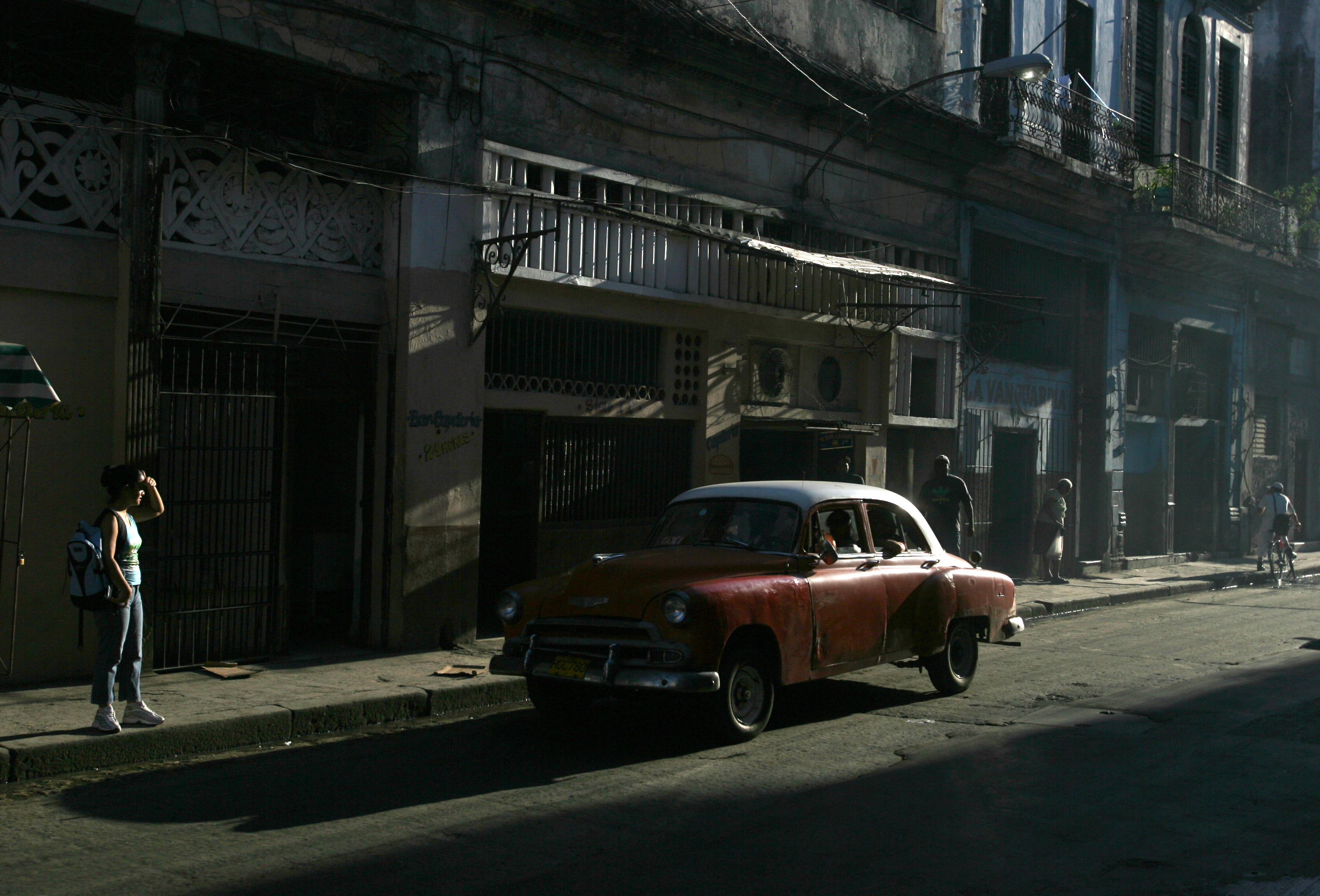
A vintage Chevrolet is driven down a street in Old Havana, as the city prepares for the arrival of heads of state of the member countries of the Non-Aligned Movement.
© Jorge Silva / Reuters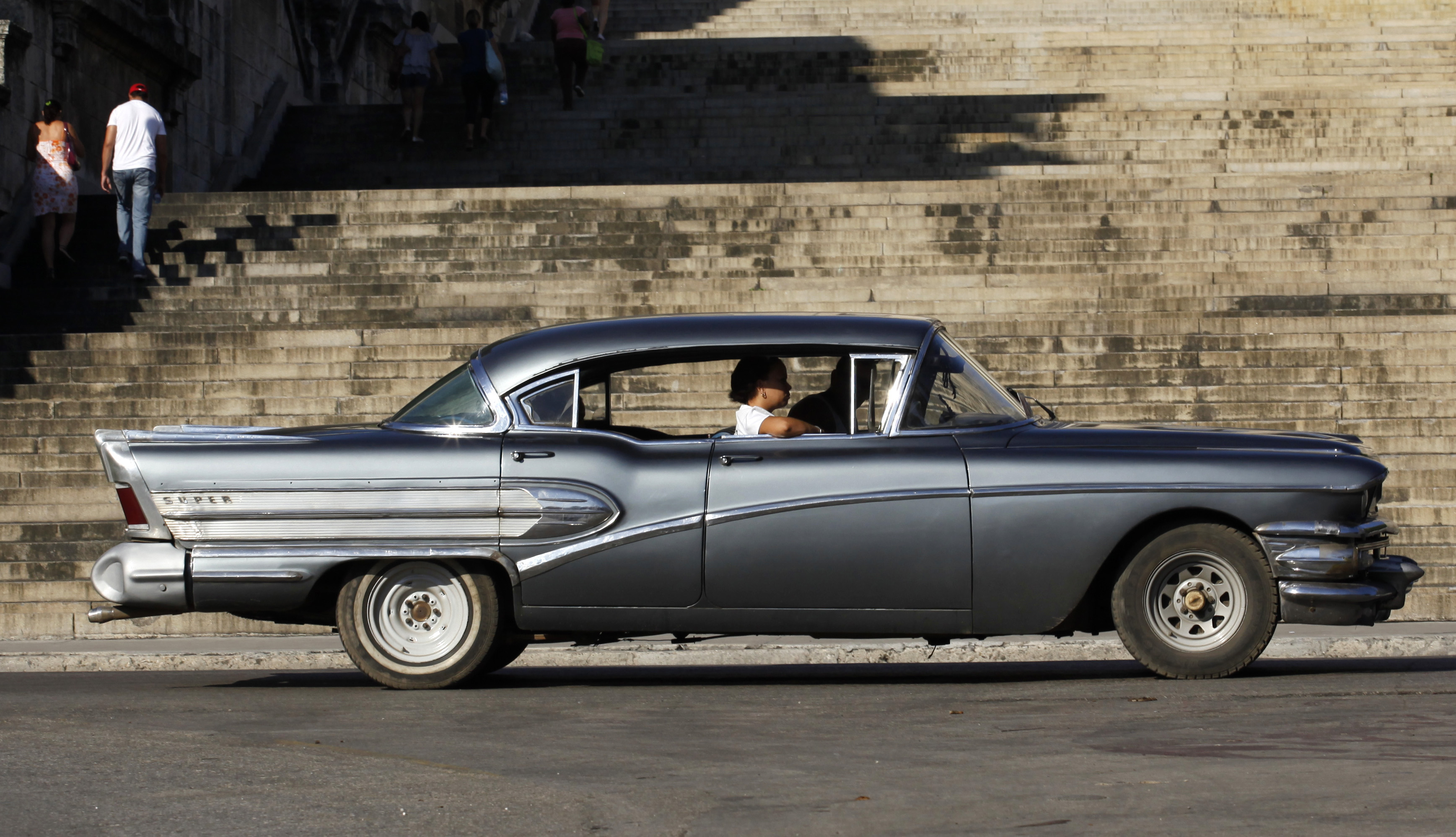
A vintage car drives by Havana's University.
© Desmond Boylan / Reuters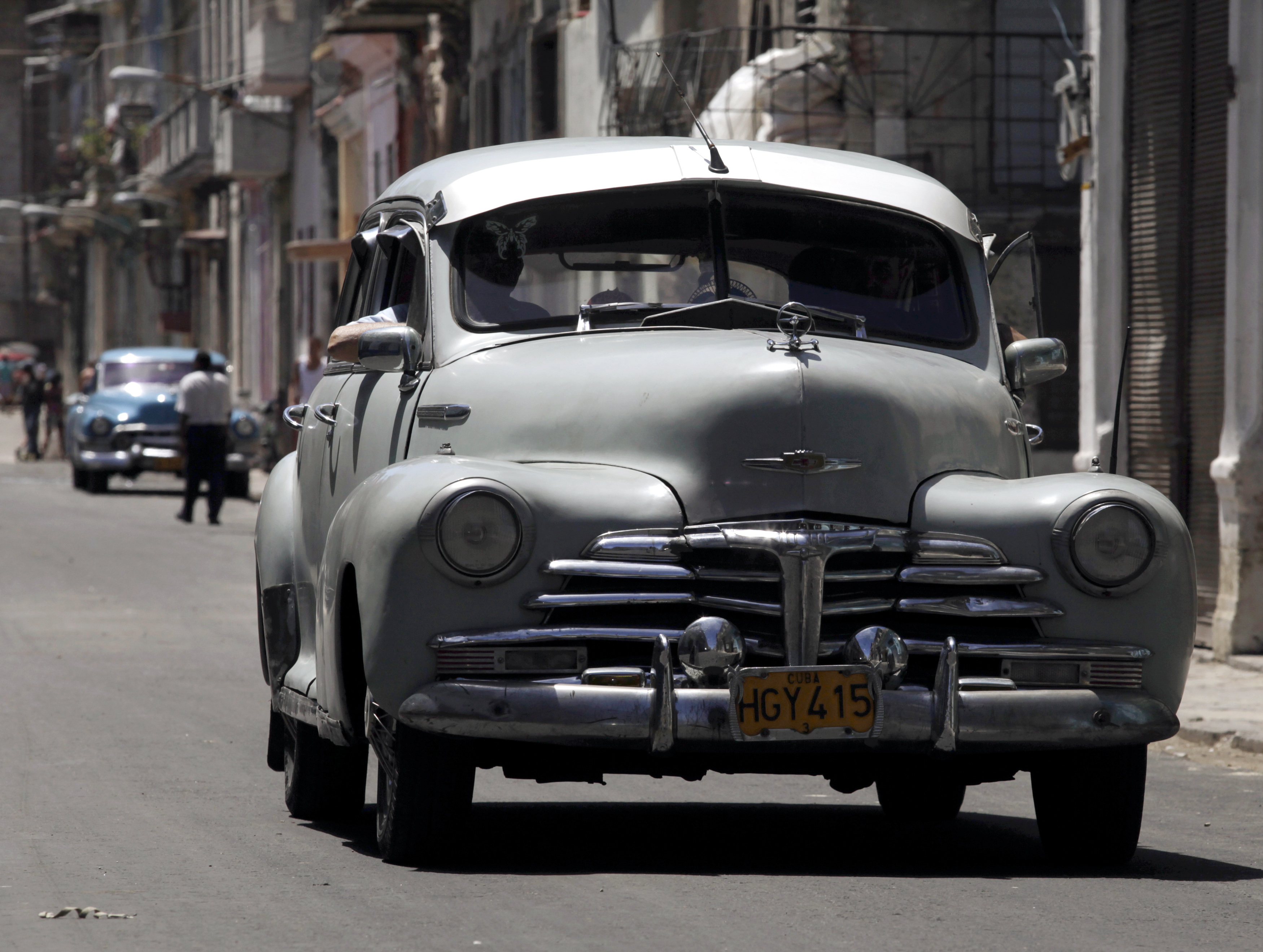
A 1947 Chevrolet car drives along a street in Havana.
© Enrique de la Osa / Reuters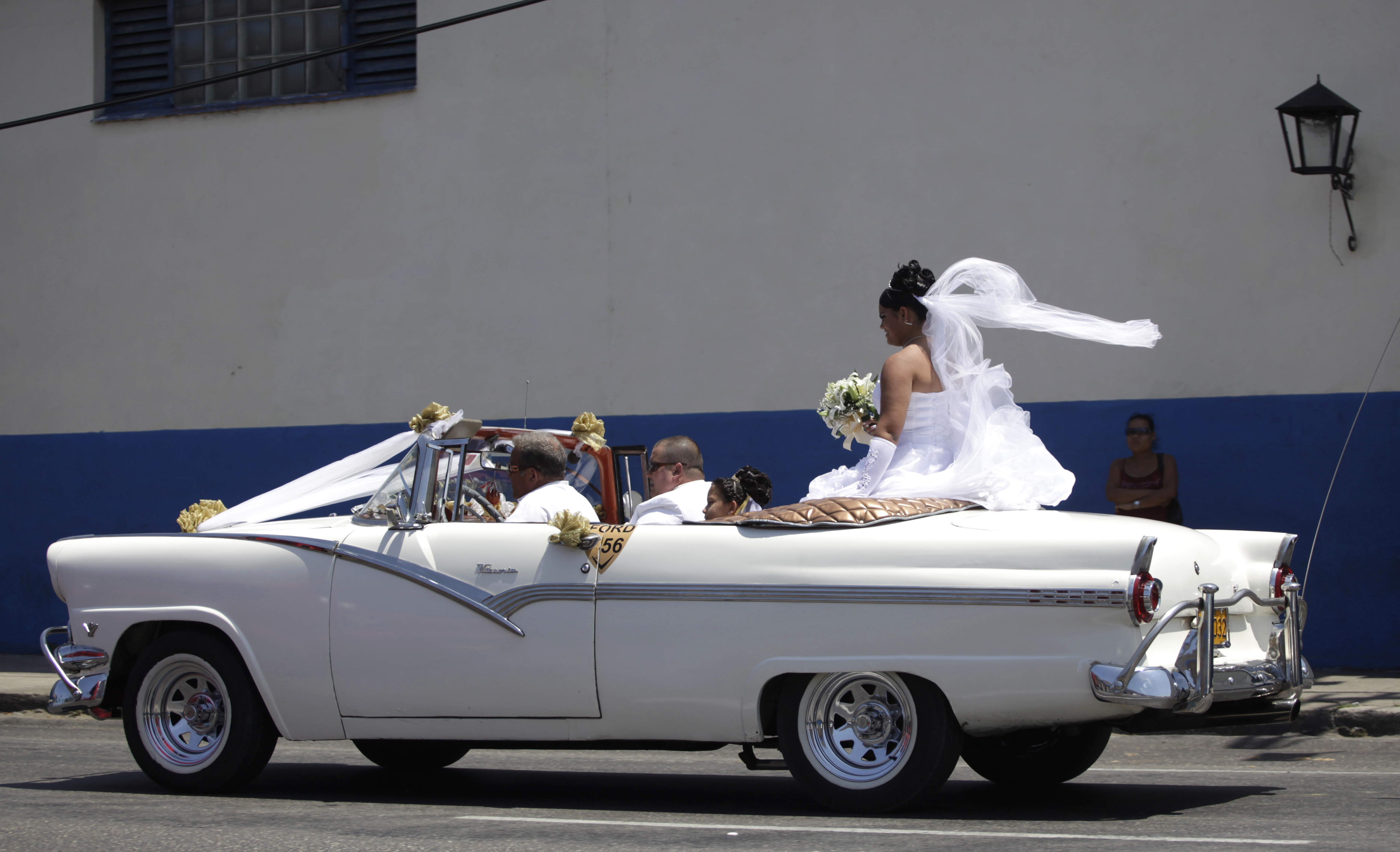
A bride rides a convertible car during a wedding celebration in Havana.
© Desmond Boylan / Reuters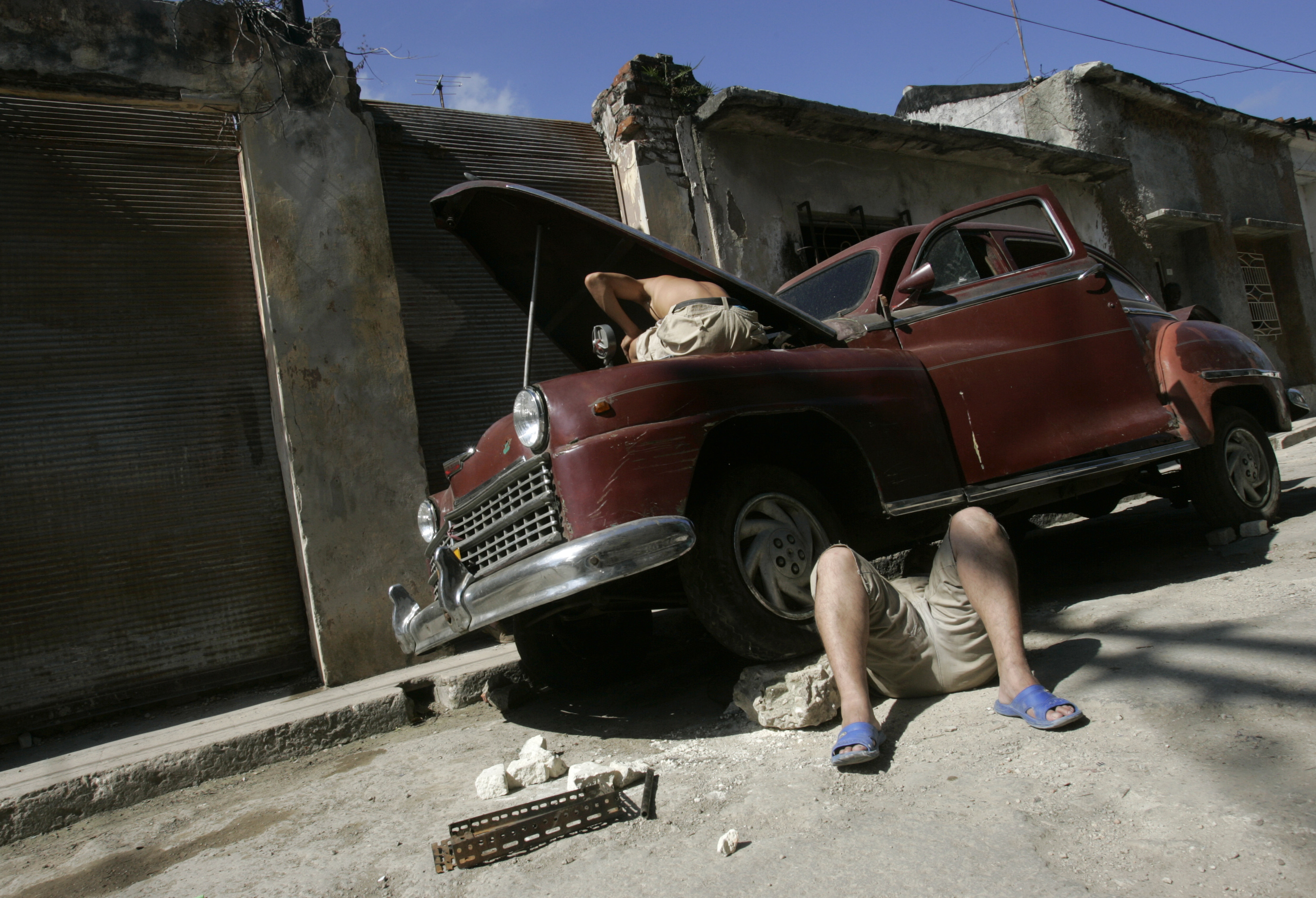
Men repair a vintage U.S. car in Guanabacoa, outside of Havana.
© STR New / Reuters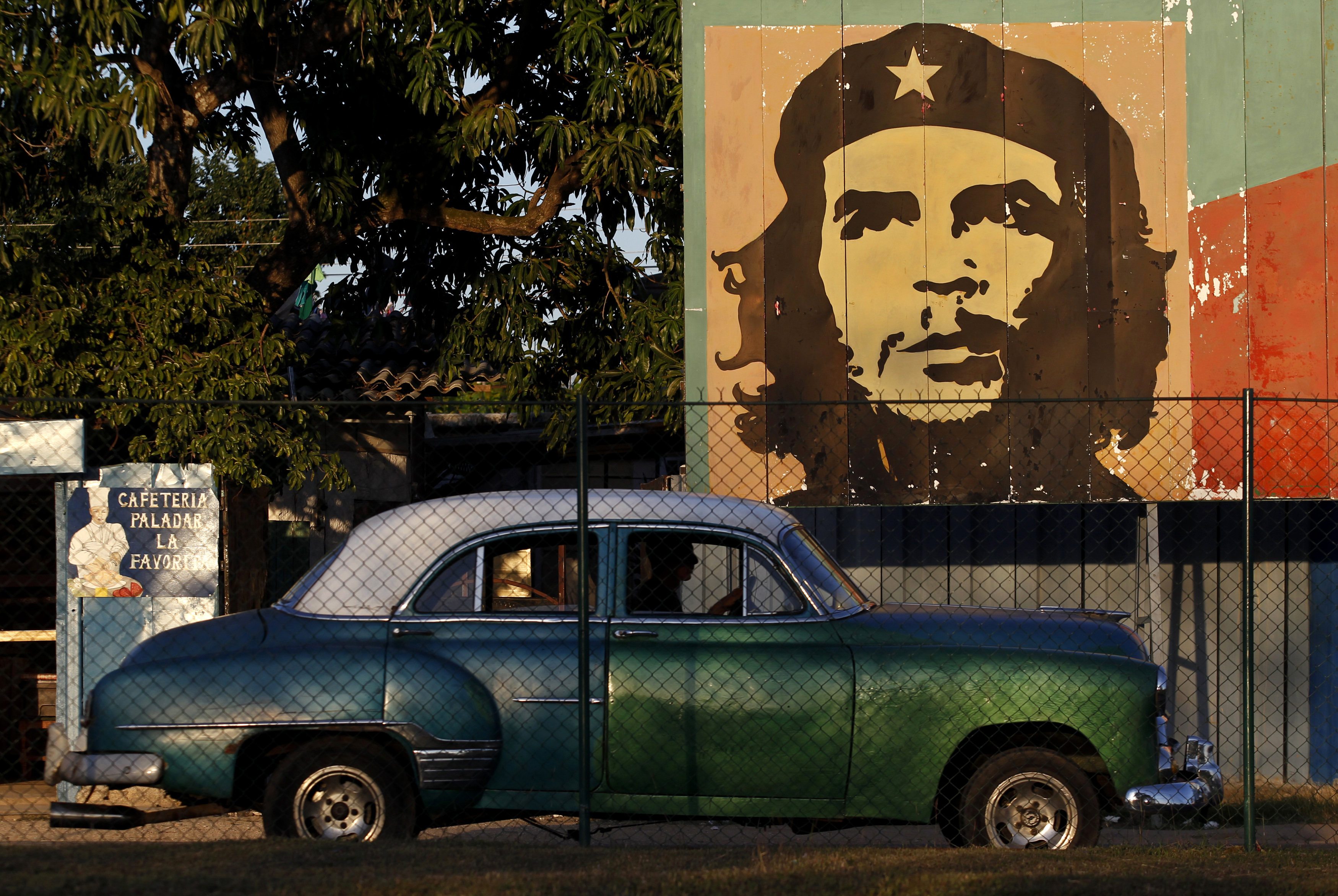
A car drives past a mural of revolution leader Che Guevara in Havana.
© Enrique de la Osa / Reuters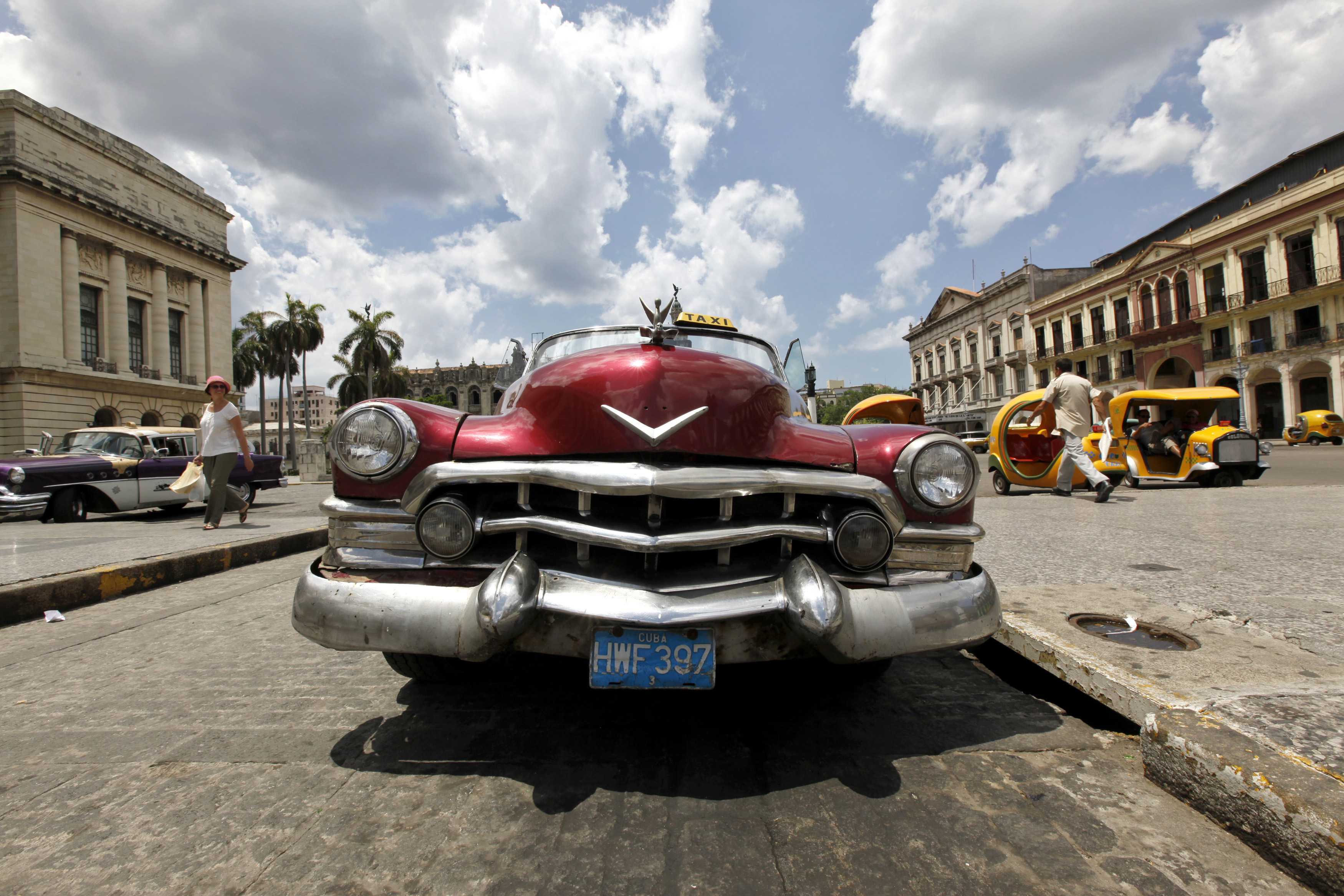
A vintage taxi waits for customers at Cuba's Capitol in Havana in this photo. The cars predate communist Cuba's 1959 revolution, having rolled off the assembly line decades before the U.S. auto industry's current crisis of steep losses in reputation and market share. They hark back to a time when Detroit's Big Three automakers were the envy of the world and a symbol of American economic power.
© Desmond Boylan / Reuters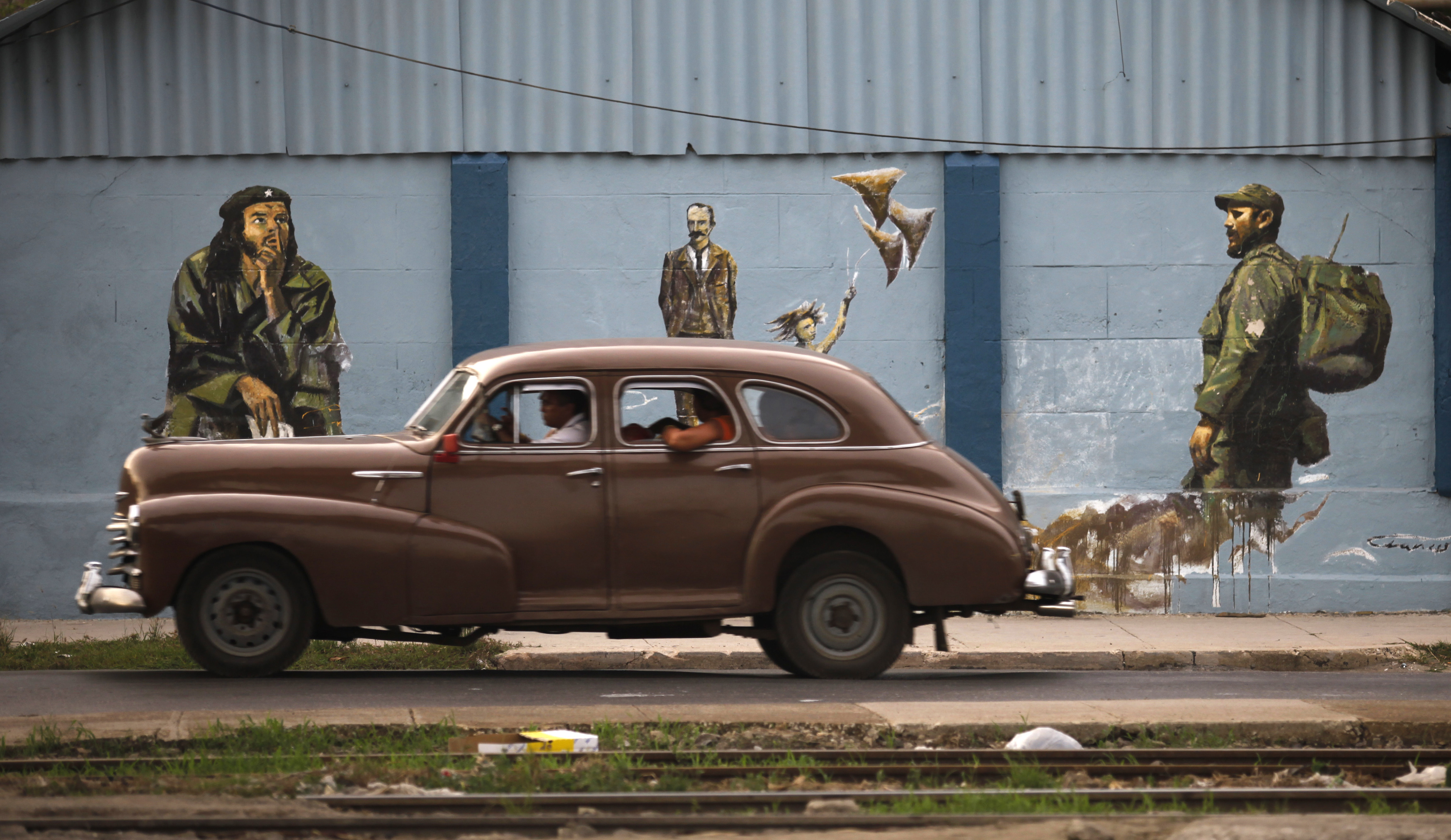
A vintage car drives by a mural showing Cuba's former leader Fidel Castro (R), national hero Jose Marti and revolution leader Che Guevara (L) in Havana, August 13, 2009.
© Desmond Boylan / Reuters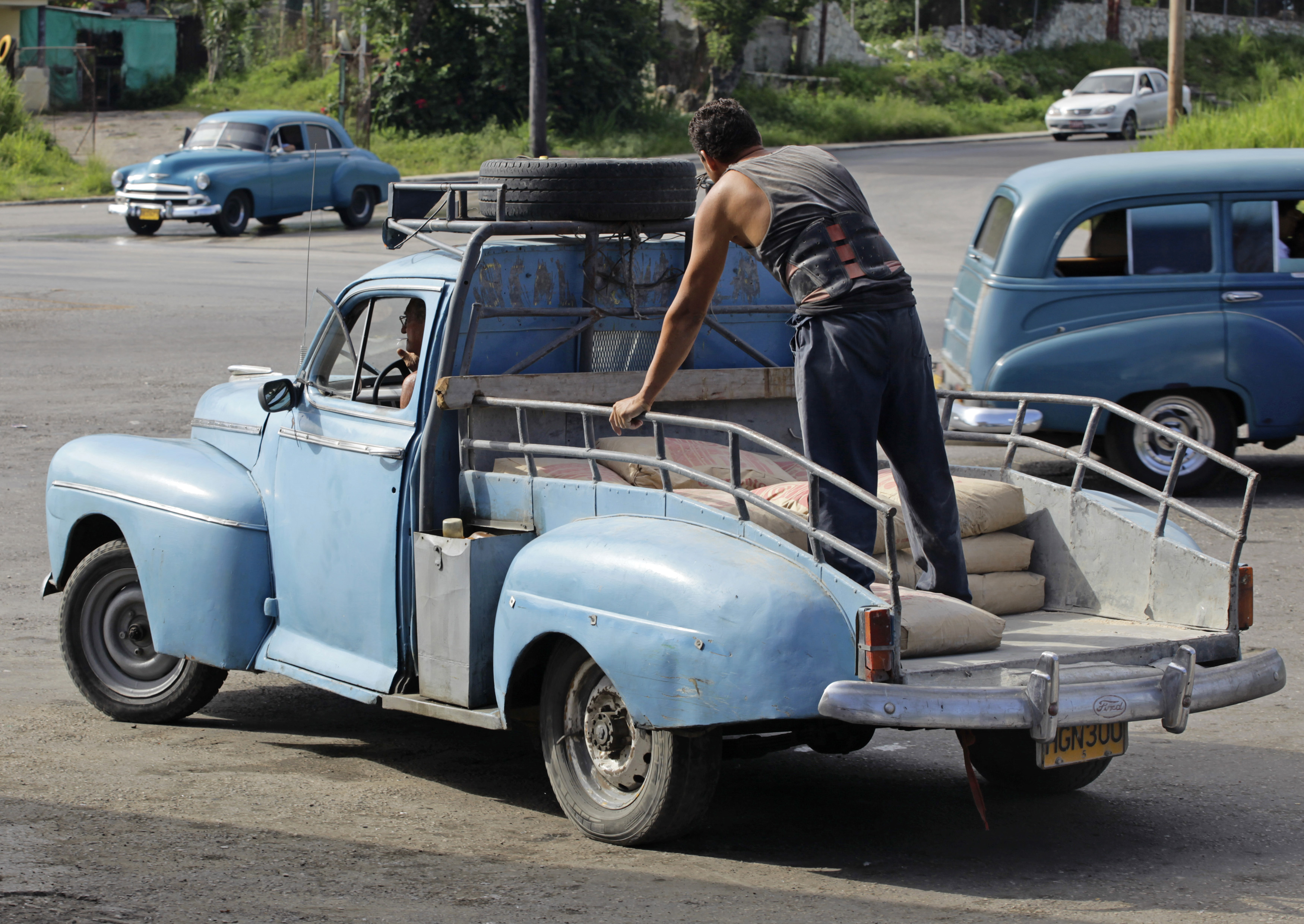
Cuban Gilberto Ruiz, 70, drives his modified 1948 Ford Deluxe sedan with a load of cement sacks in Havana, July 12, 2012. Gilberto, an unemployed man with a big family to support and an expired license to use his car as a private taxi, literally welded himself into a new job by turning his sedan into a pickup truck to work in the private transportation business. Picture taken July 12, 2012.
© Desmond Boylan / Reuters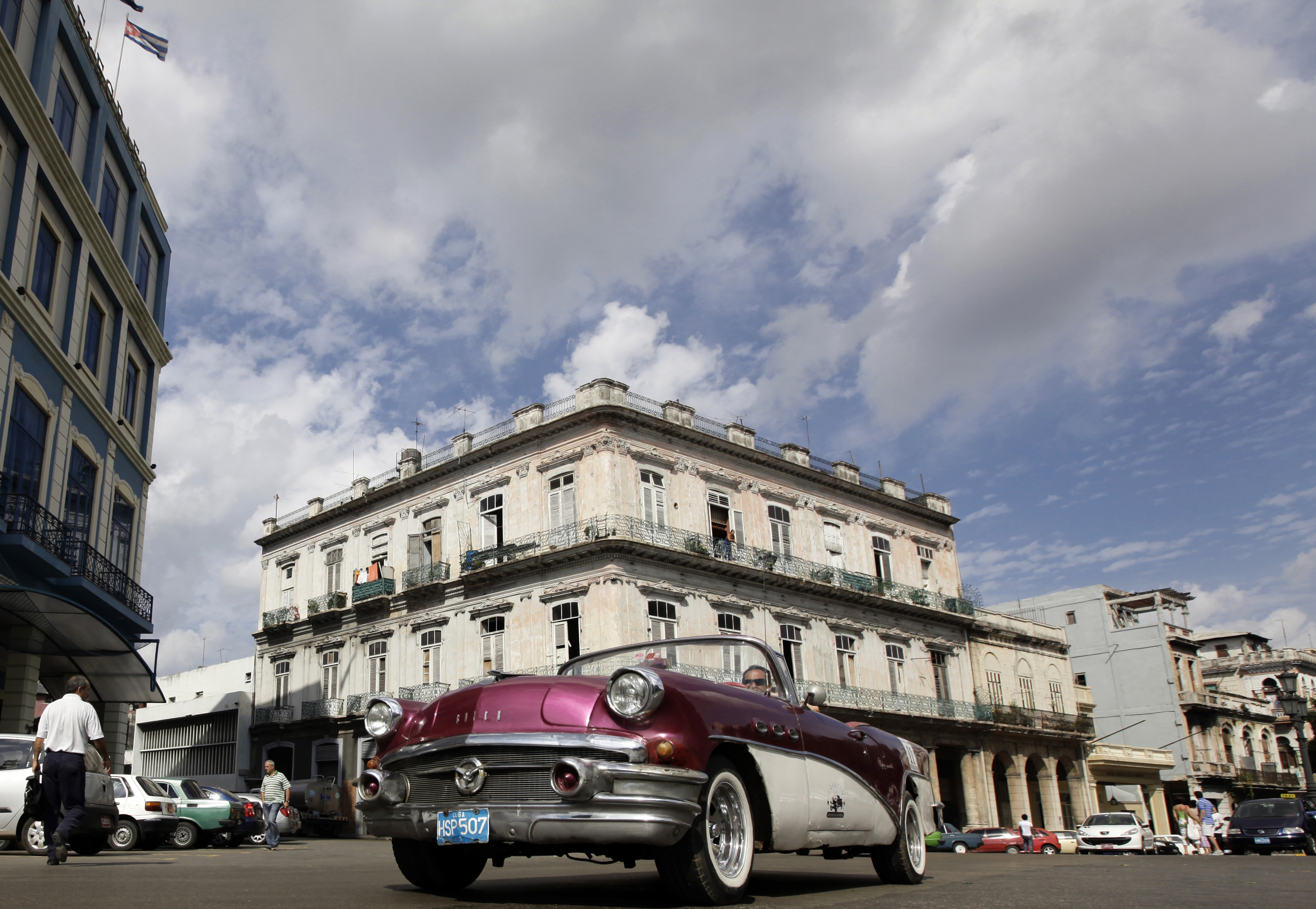
A Buick 1956 convertible is driven on a street in Havana.
© Desmond Boylan / Reuters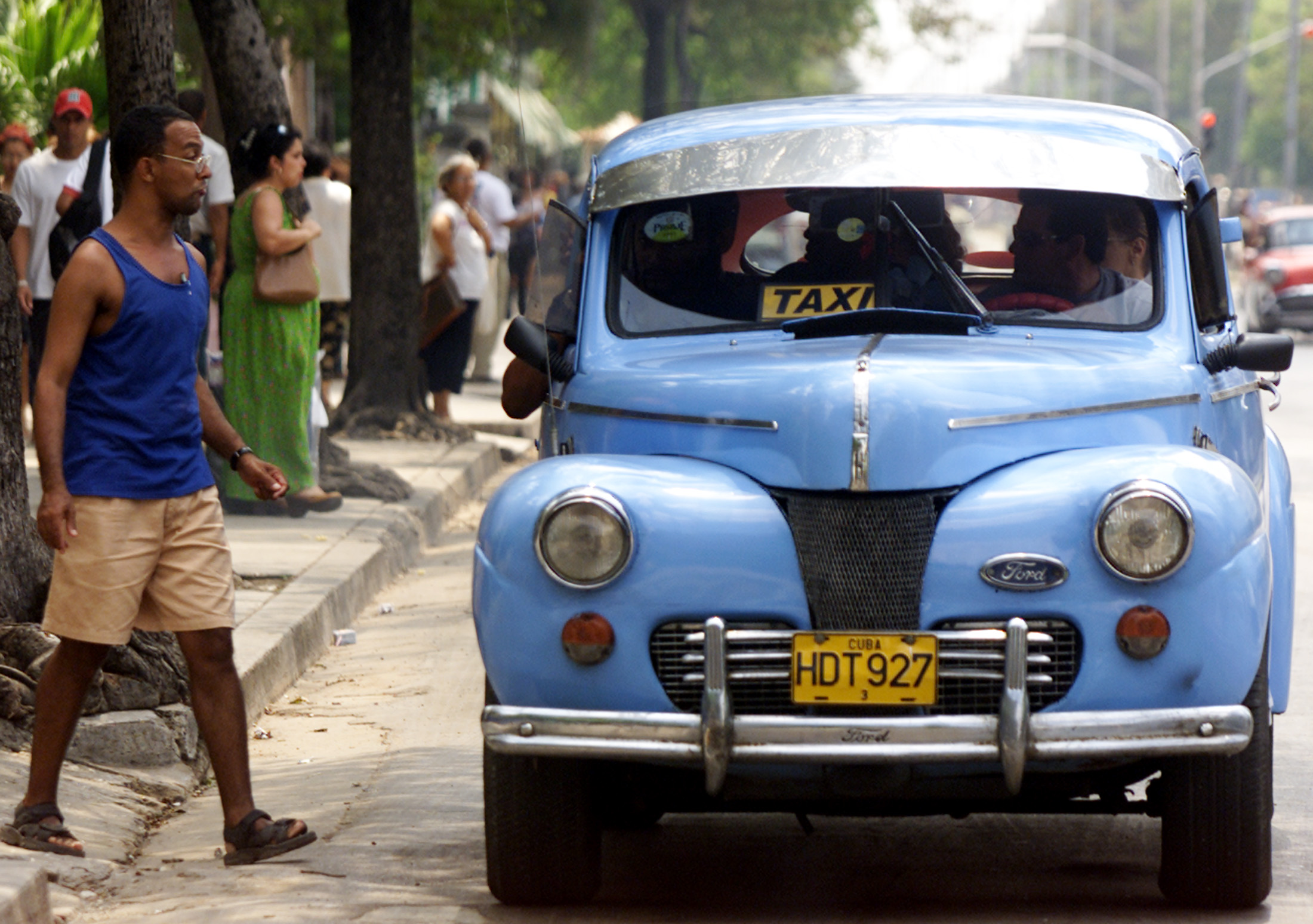
A Cuban man hails a crowded private taxi, a 1940s Ford, in downtown Havana, April 12, 2004. Cuba allowed private taxis a decade ago to cope with transport shortages in a severe economic crisis. Having weathered the meltdown, the Cuban government has been rolling back market-oriented reforms and curbing private enterprise. Privately-owned taxis, mostly vintage American cars, have not been restricted.
© Reuters Photographer / Reuter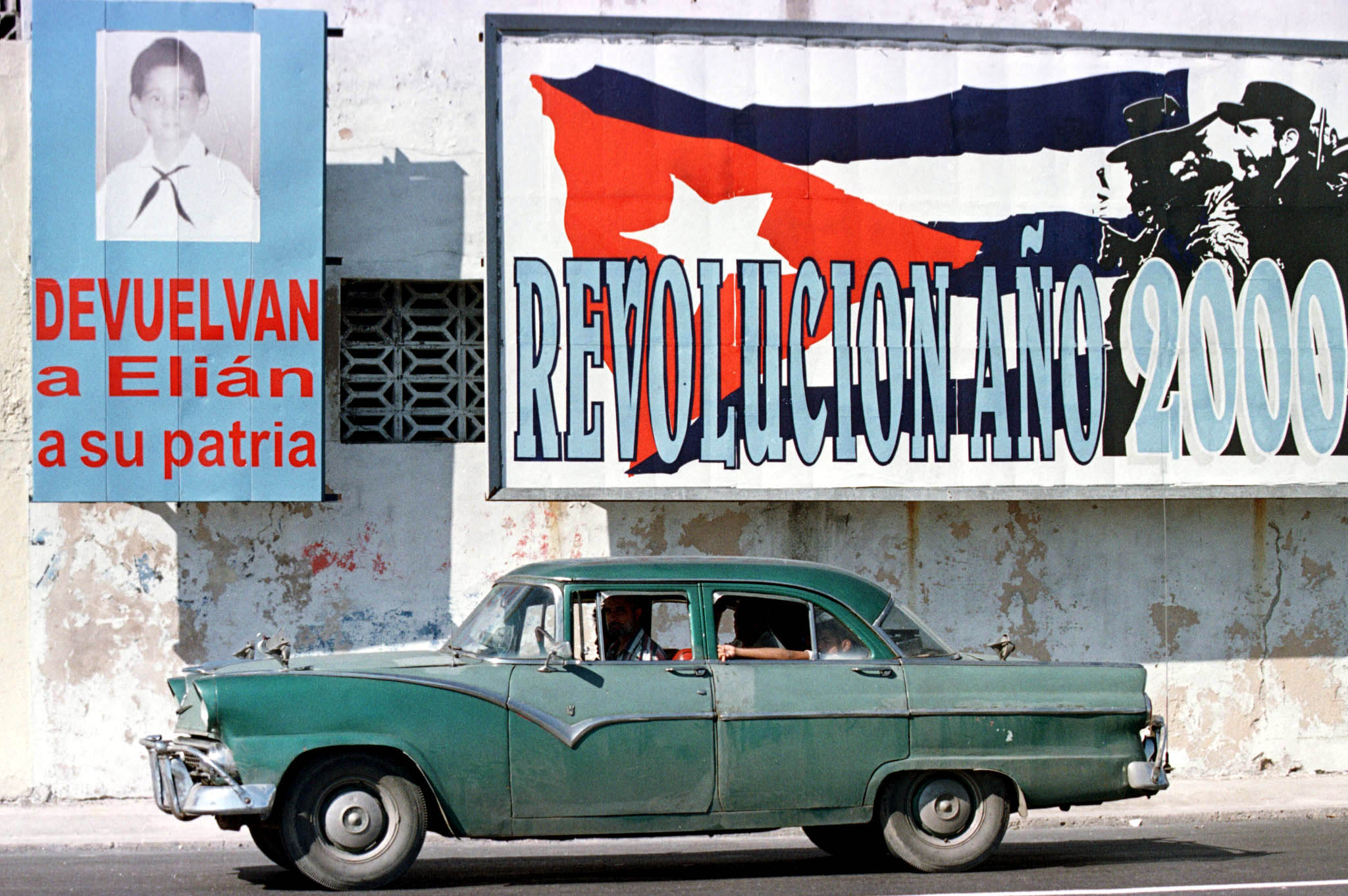
An old 1955 Ford drives past two billboards referring to Elian Gonzalez (L) which reads: "Return Elian to his homeland" and another one with the images of Fidel Castro referring to "Revolution, Year 2000" near the sea-front boulevard, Malecon, in Old Havana City.
© Rafael Perez / Reuters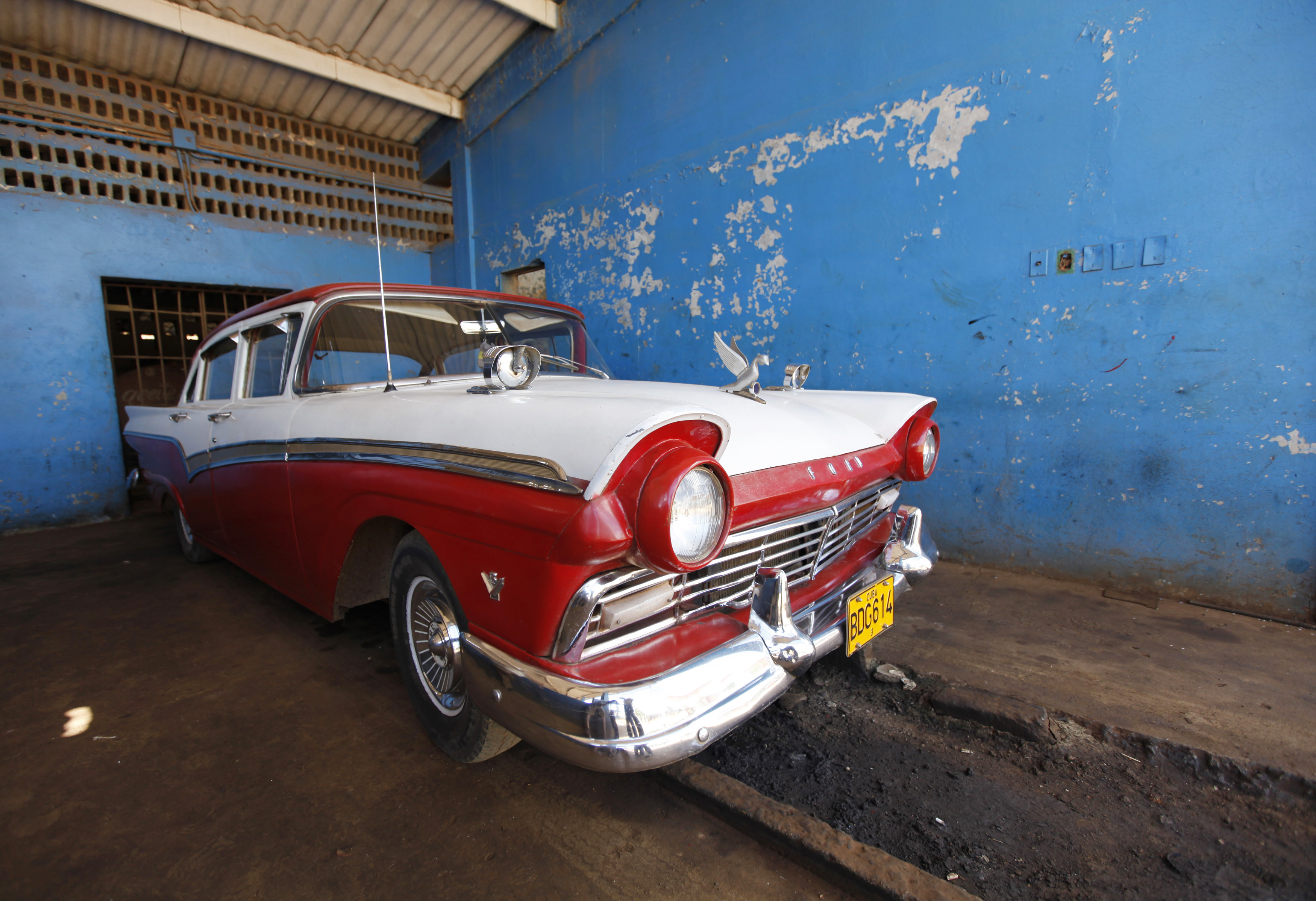
A Ford Motor Company 1954 V8 model car is parked in a garage in the village of Quivican, around 50 kms (31 miles) south of Havana.
© Desmond Boylan / Reuters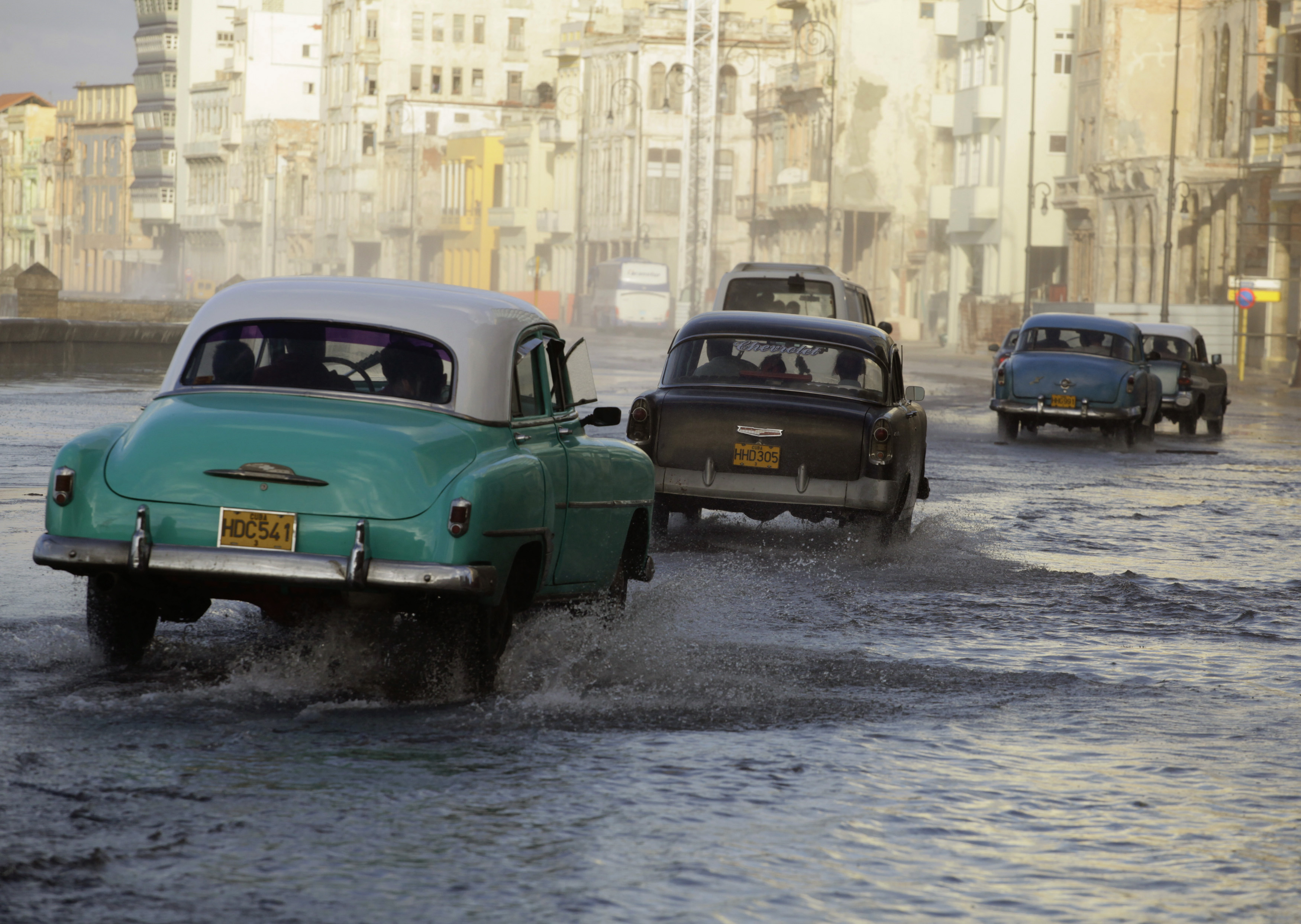
Cars are driven on Havana's flooded seafront boulevard 'El Malecon' as a cold front rolls over Havana.
© Desmond Boylan / Reuters