
10 Biggest Tech Flops of the Century
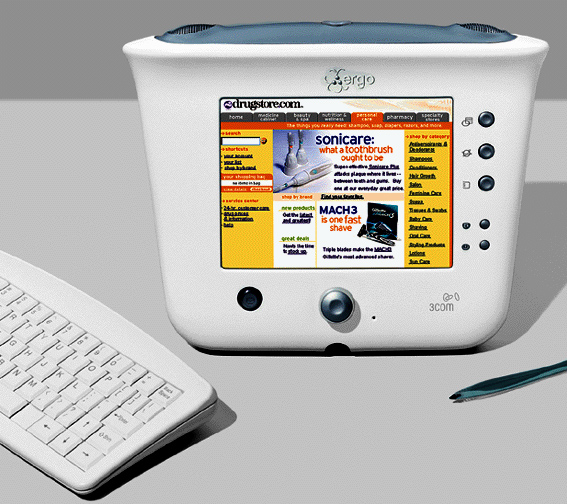
Named after Audrey Hepburn, this device was the first of the ill-fated "Ergo" line, a planned series of web devices intended for specific rooms of a house. The Audrey could browse the web, send e-mails, and supported handwritten notes with a stylus, but was generally regarded as pretty awful and was quickly discontinued.
HowStuffWorks
To say the Segway suffered from early overhype would be an understatement. In its lead-up to its release, Steve Jobs was quoted as saying that it would be "as big a deal as the PC." While sales did not meet expectations, it has found a new lease on life for use in warehouses, malls, and by pedestrian police officers.
Wikimedia Commons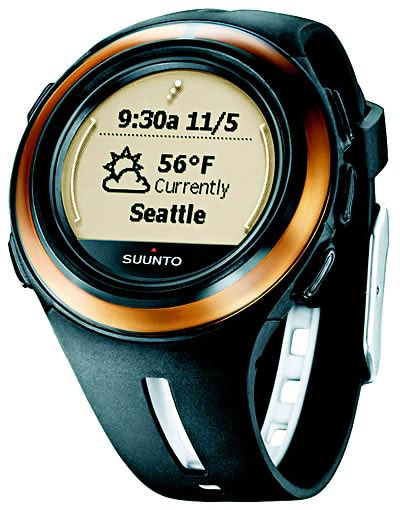
A decade or so before its time, Microsoft's SPOT (Smart Personal Objects Technology) was a line of smart appliances, including watches. Using FM Radio signals, the devices received handy bits of information, like weather data and GPS updates. Sadly, the FM bandwidth couldn't carry enough data to do anything too interesting, meaning SPOT appliances were only handy as a gimmick and a technological experiment.
Wikimedia Commons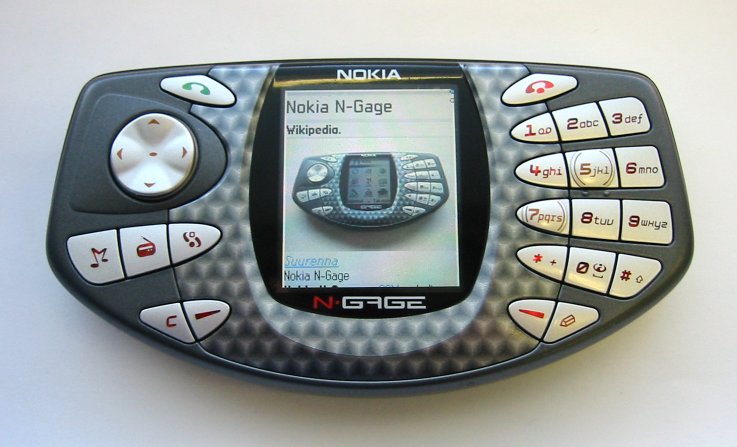
As cellphone gaming started to evolve past "Snake," Nokia released the N-Gage, an unnatural cross-breed between a Game Boy and a phone. While not a bad idea in theory, the buttons were awfully placed, none of the games were any good and you had to hold it sideways to your ear to make a call.
Wikimedia Commons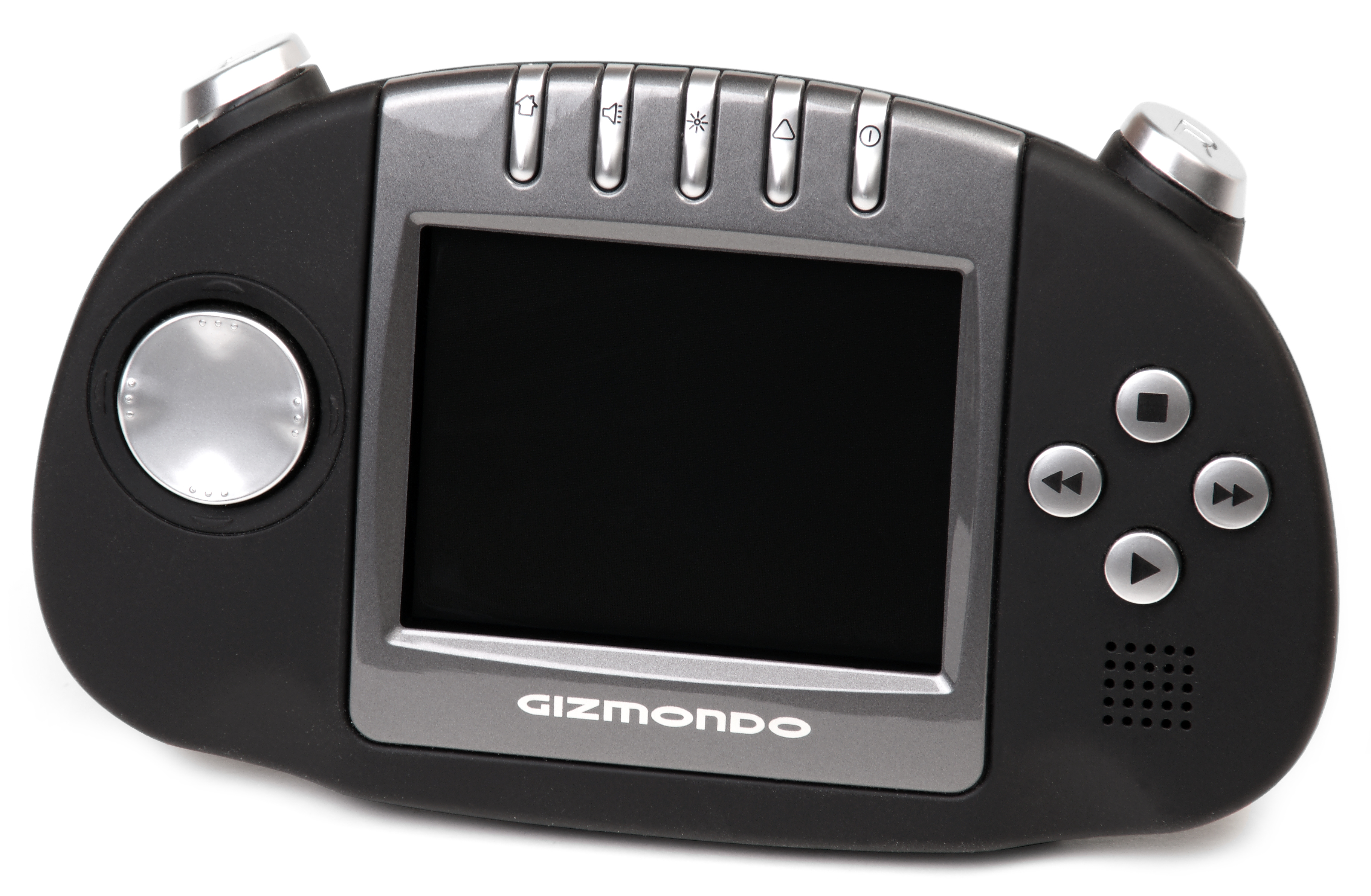
The worst-selling handheld console in history, little known company Tiger Telematics released this overhyped system in 2005 with the intention of competing with Sony and Nintendo. However, its founder's links to organized crime and some questionable marketing decisions (as well as just not being very good) ultimately led to it selling fewer than 25,000 units.
Wikimedia Commons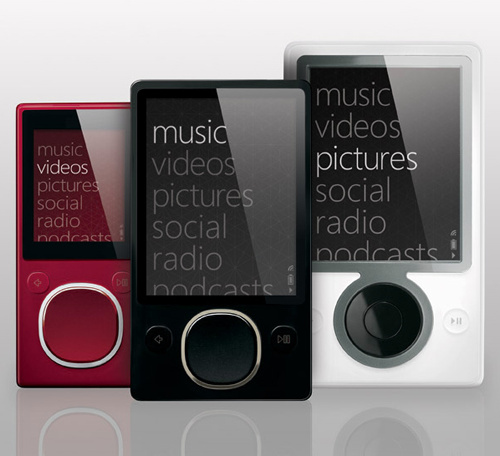
As a Zune owner, this caption breaks my heart to write. Created as an answer to the iPod, the Zune (especially the Zune HD) was gorgeous, but just couldn't match up to Apple's established brand or the dominance of the iTunes store.
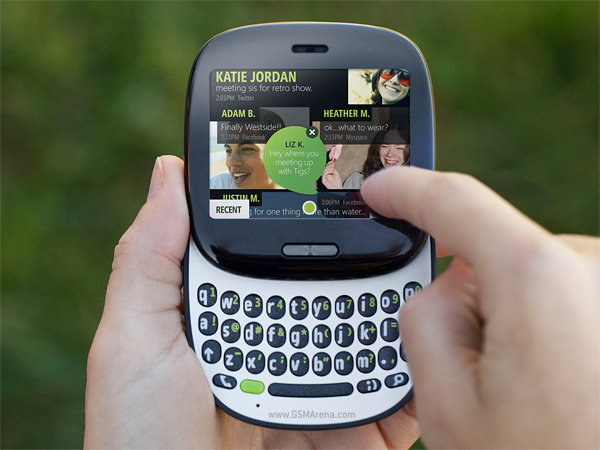
Inexplicably released alongside the competition of iPhones and Droids, Microsoft's old-tech 'Kin' was intended to appeal to hip young things. However, the aforementioned 'hip young things' already had an iPhone or Droid, and the Kin's desperate attempts to seem cool reeked of corporate brainstorming. It only lasted 72 days on the market before being shut down completely.
Wikimedia Commons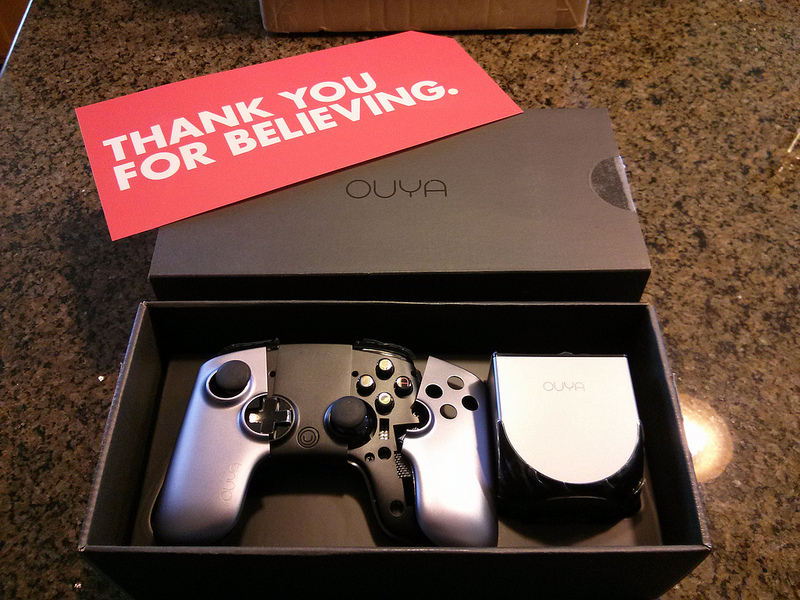
It sounded so good – a crowdfunded, completely open gaming system that sold for $99 and offered a library of free games. What investors actually got was a somewhat disappointing Android-based machine with a frame rate like treacle and a games library less populated than Montana.
Flickr/Silwenae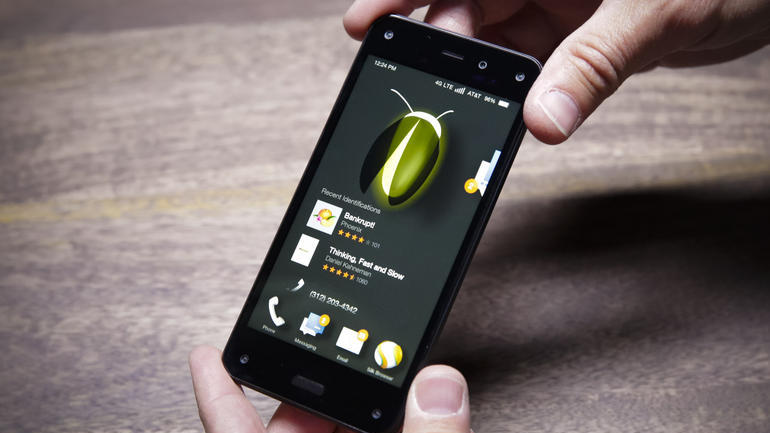
Released with a hefty price tag, Amazon's Fire Phone was meant to compete with the likes of the iPhone and the Samsung Galaxy. However, in the end, it wound up losing Amazon $475 Million as no-one bought them. Suffering from a low battery life, laggy interface, and a low-resolution screen, the phone also put too much emphasis on acting as an Amazon shopping tool.

Google has been pitching Google glass for a while now -- the glasses that will allegedly transform your eyesight with a hyper-informative UI, while also enabling you to watch movies or browse the net without a screen in front of you. It sounds like the stuff of science fiction and, for the most part, it still is. Google's attempts so far have given people nausea, required awkward voice commands and hand gestures, and just look damn stupid.
Google