
Timeline: The Troubled Story of Iran-US Relations
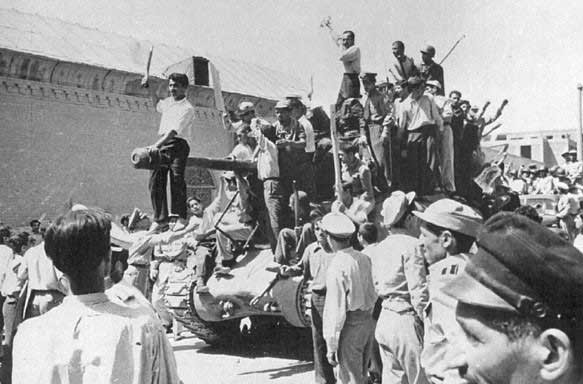
In 1953 the U.S. and Britain supported a coup against the democratically elected Prime Minister of Iran, Mohammad Mosaddegh. The Prime Minister wanted to audit the Anglo-Iranian Oil Company books (now BP), which they refused to hand over. So the Iranian parliament decided to nationalize the company. That did it—oil equals national security in developed countries and Britain and U.S. weren’t about to give up their stash. Democracy in Iran was replaced by a government headed by Mohammad-Rezā Shāh Pahlavi, the Shah of Iran, who ruled the country for 26 years until he was deposed in 1979.
Wikimedia Commons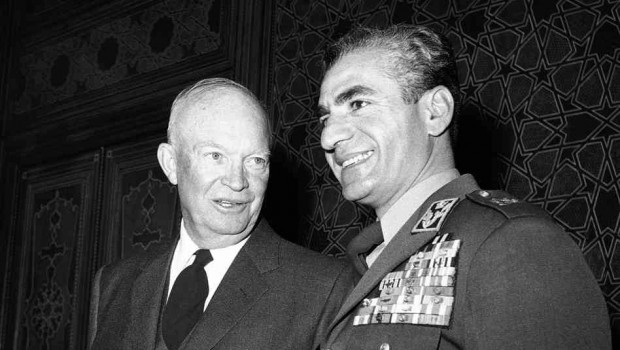
The Shah with Dwight D. Eisenhower in 1959.
Eisenhower's administration decided to overthrow Iran's government, though the predecessor Truman administration had opposed a coup.
Wikimedia Commons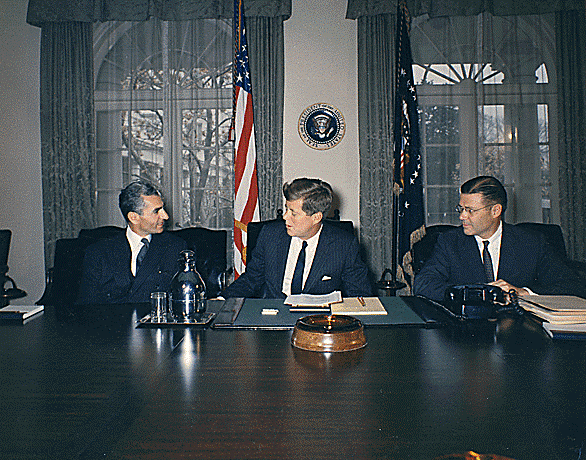
The Shah with John F. Kennedy and Robert McNamara in 1962
Kennedy congratulates the Shah on implementing reforms known as the White Revolution—an outreach to the peasant and working classes in Iran.
Wikimedia Commons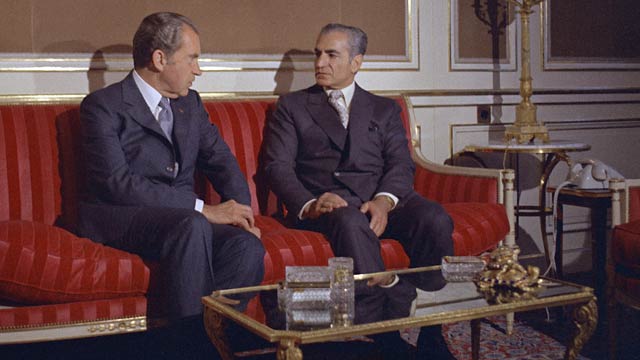
As the US became increasingly dependent on foreign oil, Nixon became increasing interested in courting the Shah of Iran. Increased oil production resulted in increased arms sales to Iran.
Wikimedia Commons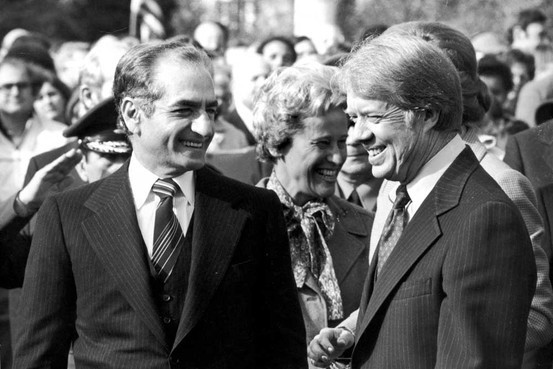
While Carter was beginning his term in office, the Shah was close to ending his 26 years as ruler of Iran. Radical Islamists, led by the Ayatollah Khomeini were organizing to depose the Shah.
Wikimedia Commons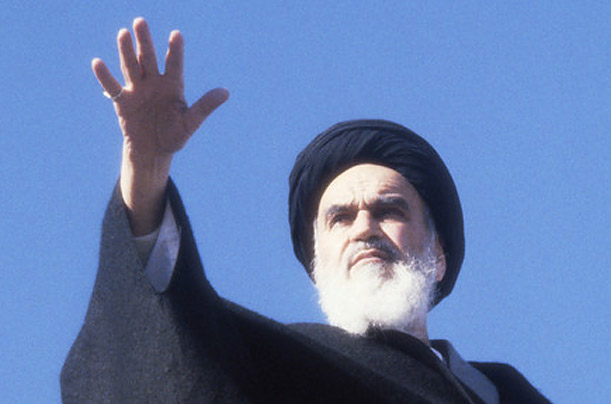
Iran’s Islamic revolution led by the Ayatollah Khomeini takes place in March 1979. He imposes a rigid Islamic constitution and other social and cultural changes that shock the educated elite in Iran. In October 1979 the US admits the Shah into the US for cancer treatment outraging the new leadership who demanded the Shah’s return. On Nov. 4, radical Iranian students take over the American Embassy, holding 52 staffers hostage for 444 days—The Iran Hostage Crisis.
Wikimedia Commons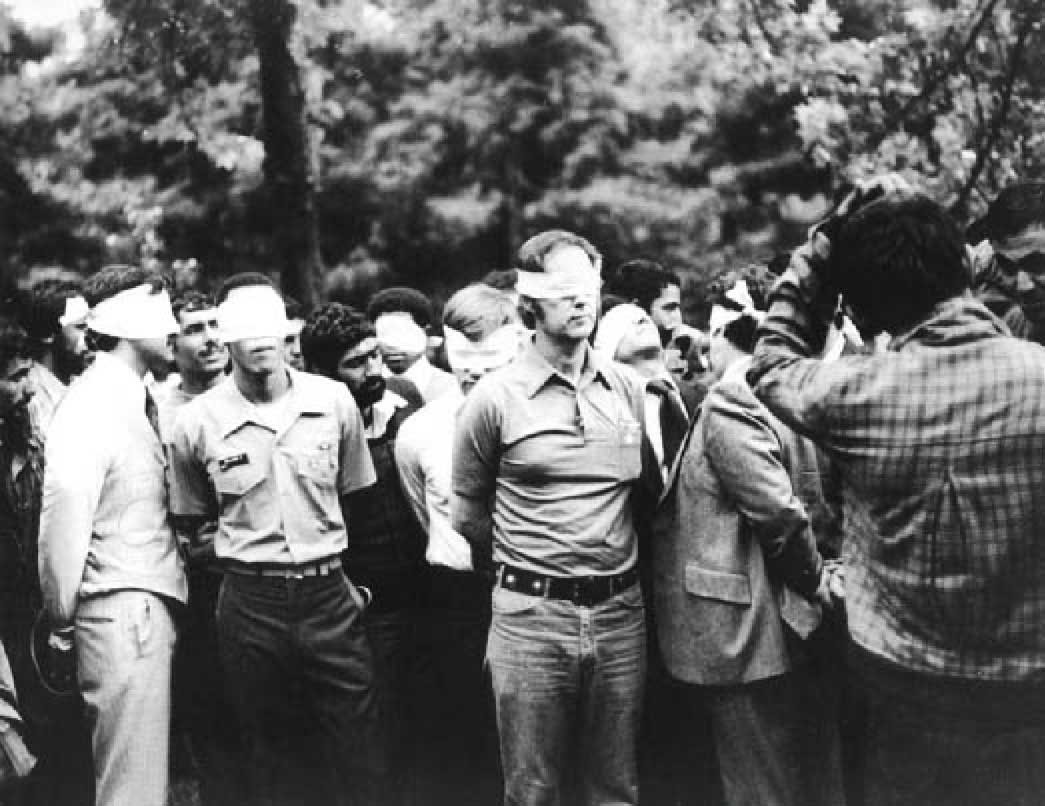
In January 1981, Ronald Reagan, who just taken the oath of office, welcomed home the 52 American hostages who had been held captive for 444 days.
Bettman Archives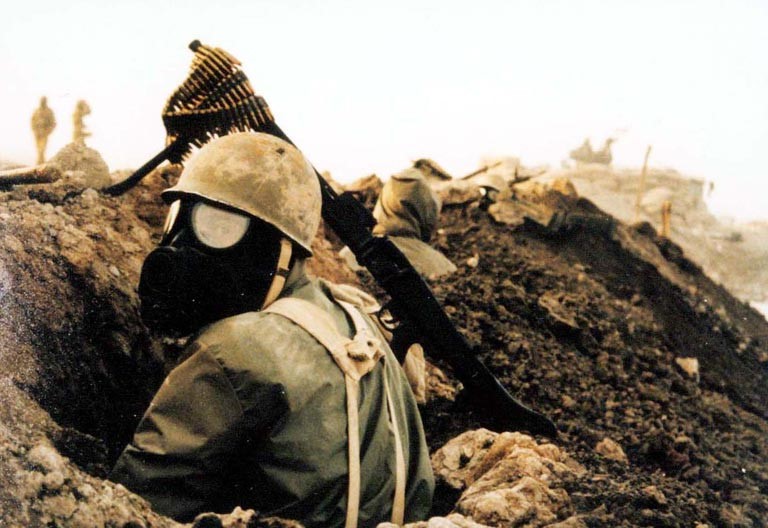
After the revolution, Iraq sensed weakness in Iran and started a border war Iran. The Iran-Iraq War lasted nearly eight years, supported in part by Reagan’s directive that the U.S. “would do whatever was necessary to prevent Iraq from losing the war with Iran.” The U.S. sold weapons to Iraq to help their cause.
Wikimedia Commons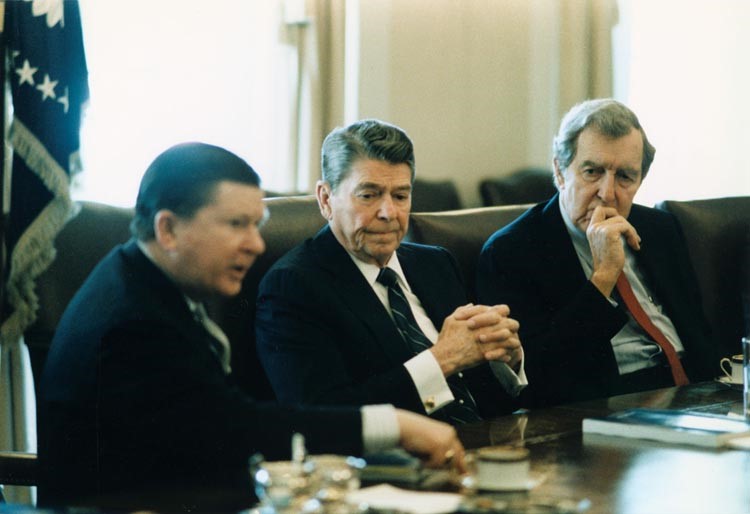
1987-President Ronald Reagan receives the Tower Commission Report regarding the Iran-Contra affair in the Cabinet Room with John Tower and Edmund Muskie. - Reagan Library
The Iran-Contra affair was a scandal that forced Ronald Reagan to issue a public apology about clandestine arms sales to Iran. His administration was accused of trading arms for 7 hostages held in Lebanon by a group tied to Iran. Reagan denied this, but he acknowledged the sale, a portion of the proceeds of which were used to fund the Contras in Nicaragua.
Reagan Library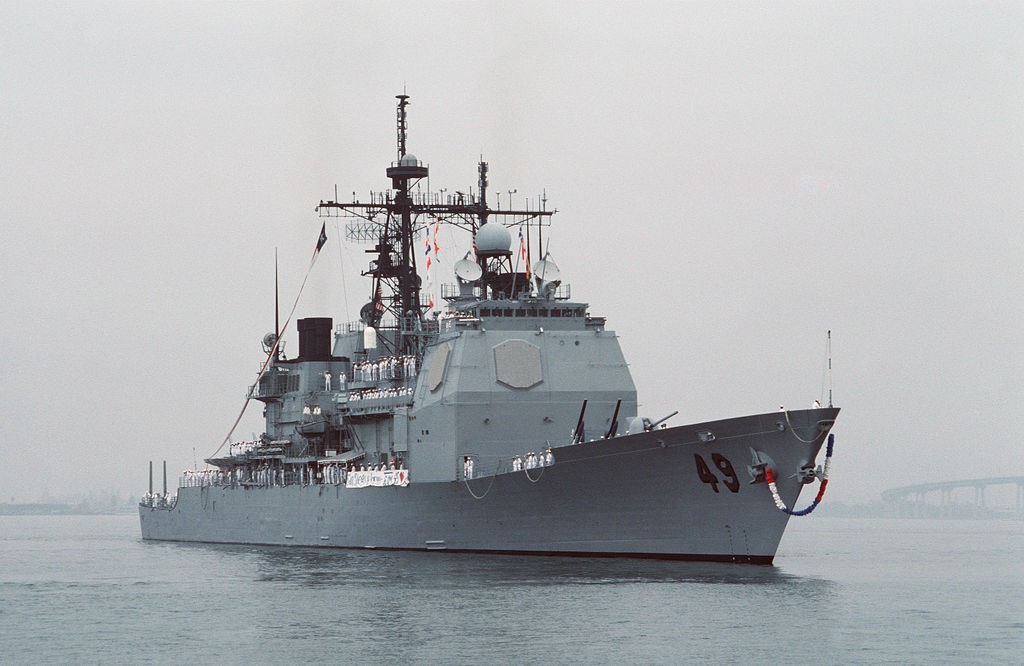
In July, 1988, a surface to air missile fired from the USS Vincennes shot down a civilian passenger flight from Tehran to Dubai while flying in Iranian airspace. All 290 people died. It was an error, complicated by never officially apologizing to Iran until 1996, when the U.S. paid $62 million to compensate the families of the victims.
Navy Camera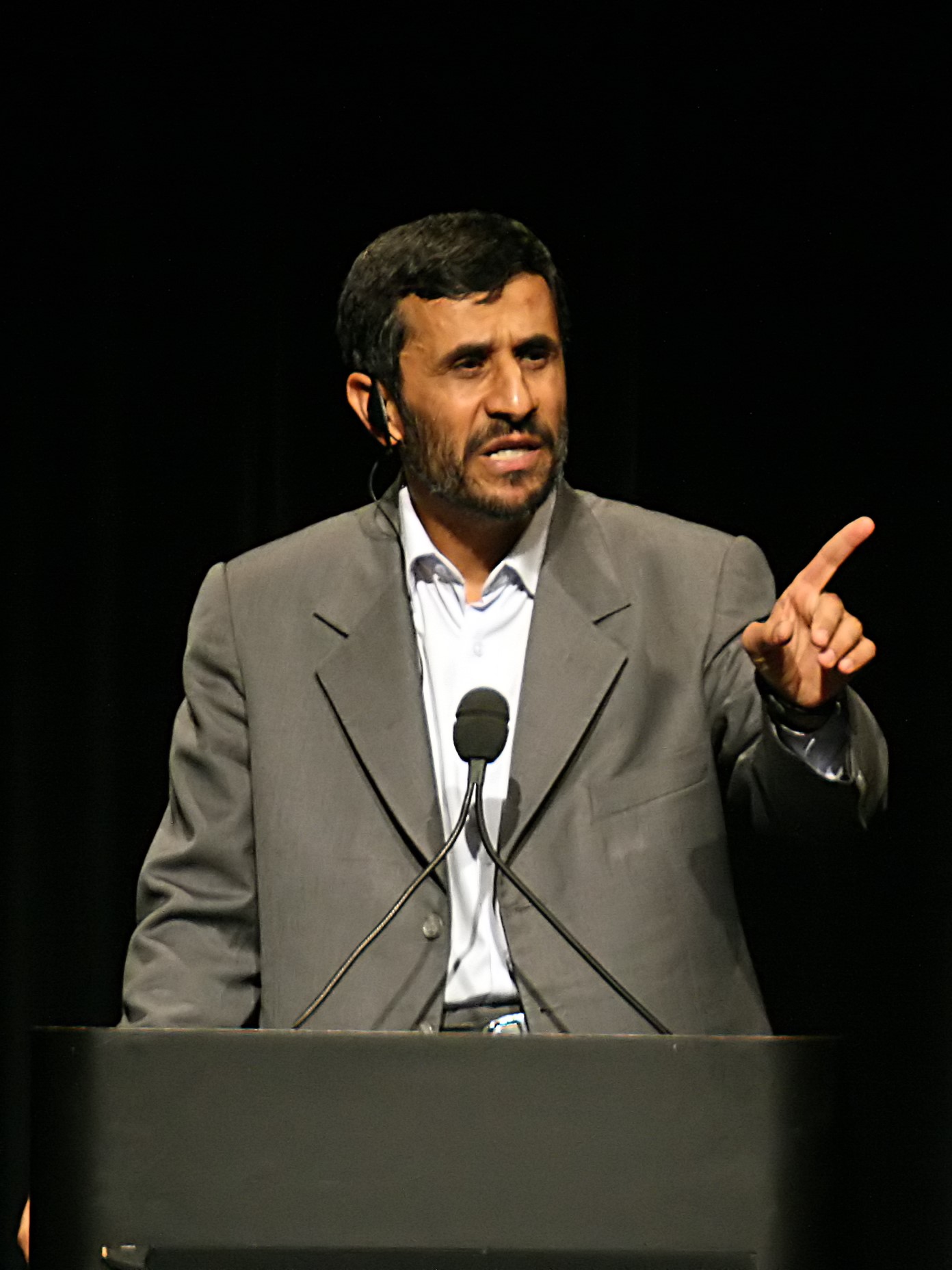
Mahmoud Ahmadinejad at Columbia University in 2007.
Mahmoud Ahmadinejad was elected president of Iran 2005 and served until 2013. He was considered a volatile and provocative leader who routinely called for the destruction of Israel and was outwardly hostile to Saudi Arabia, Britain and the U.S.
Daniella Zalcman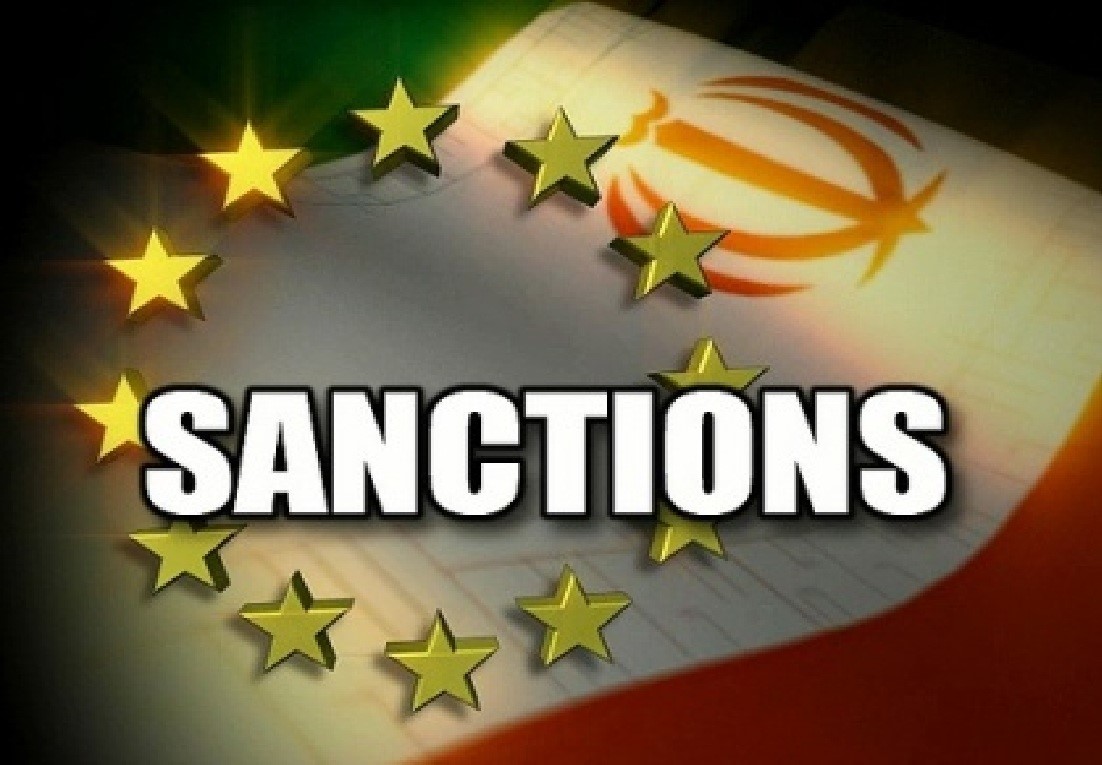
After the Iran hostage capture in 1979 by the Islamists, sanctions were imposed on Iran. In 1995 sanctions were expanded to prevent businesses from dealing with Iran. But it wasn’t until 2006, when Iran refused to suspend its uranium enrichment program, that the UN Security Council got really serious and prevented banking and insurance transactions, along with oil and gas investments.
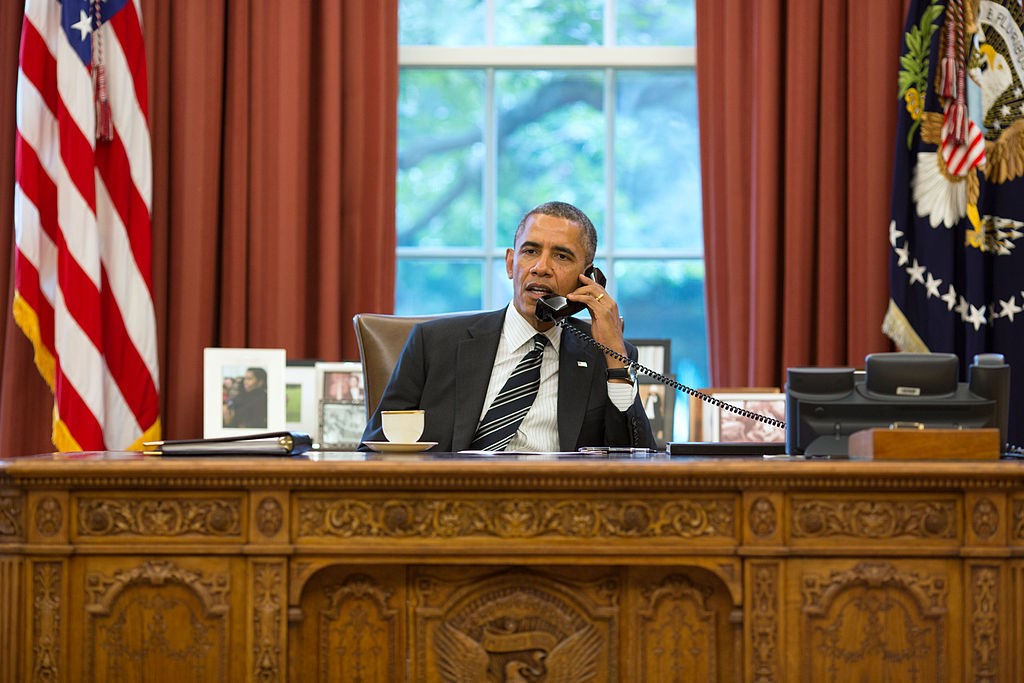
President of the United States, Barack Obama, talks with the President of Iran, Hassan Rouhani, during a telephone call in the Oval Office on 27 September 2013.
Pete Souza - White House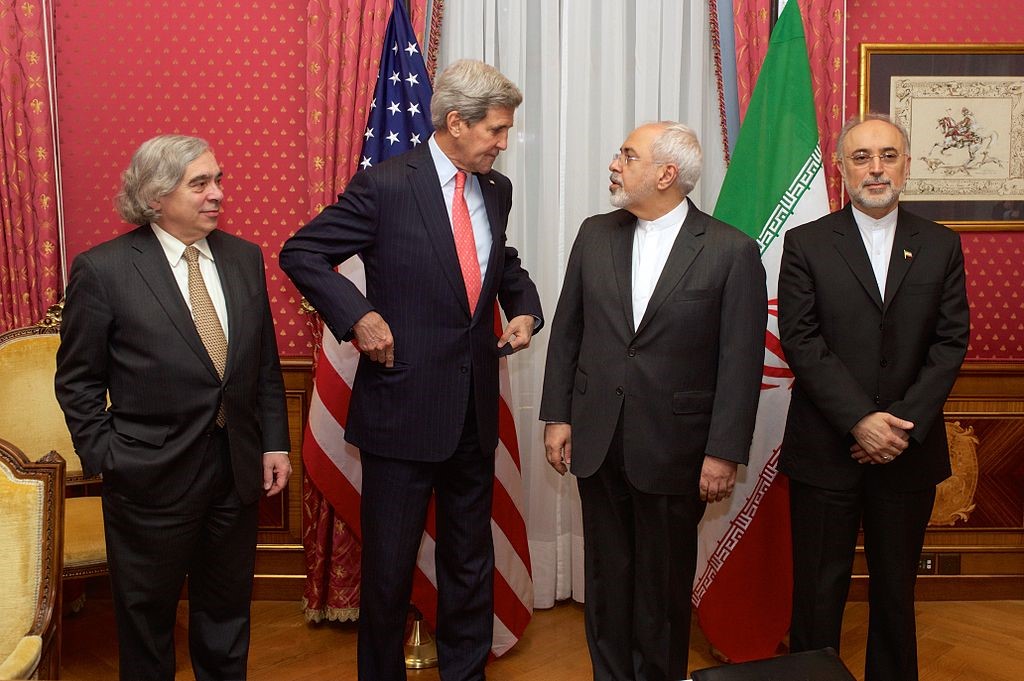
The ministers of foreign affairs of the United States and Iran, John Kerry and Mohammad Javad Zarif, meeting in Lausanne (Switzerland, 16 March 2015).
It was Iran’s refusal to agree to a nuclear non-proliferation agreement that prompted the idea of negotiating with the rogue nation in 2006. The P5+1—United States, Russia, China, France, United Kingdom plus Germany and European Union—began talks with Iran, which ultimately took shape after Ahmadinejad left office and Hassan Rouhani replaced him in 2013.
United States Department of State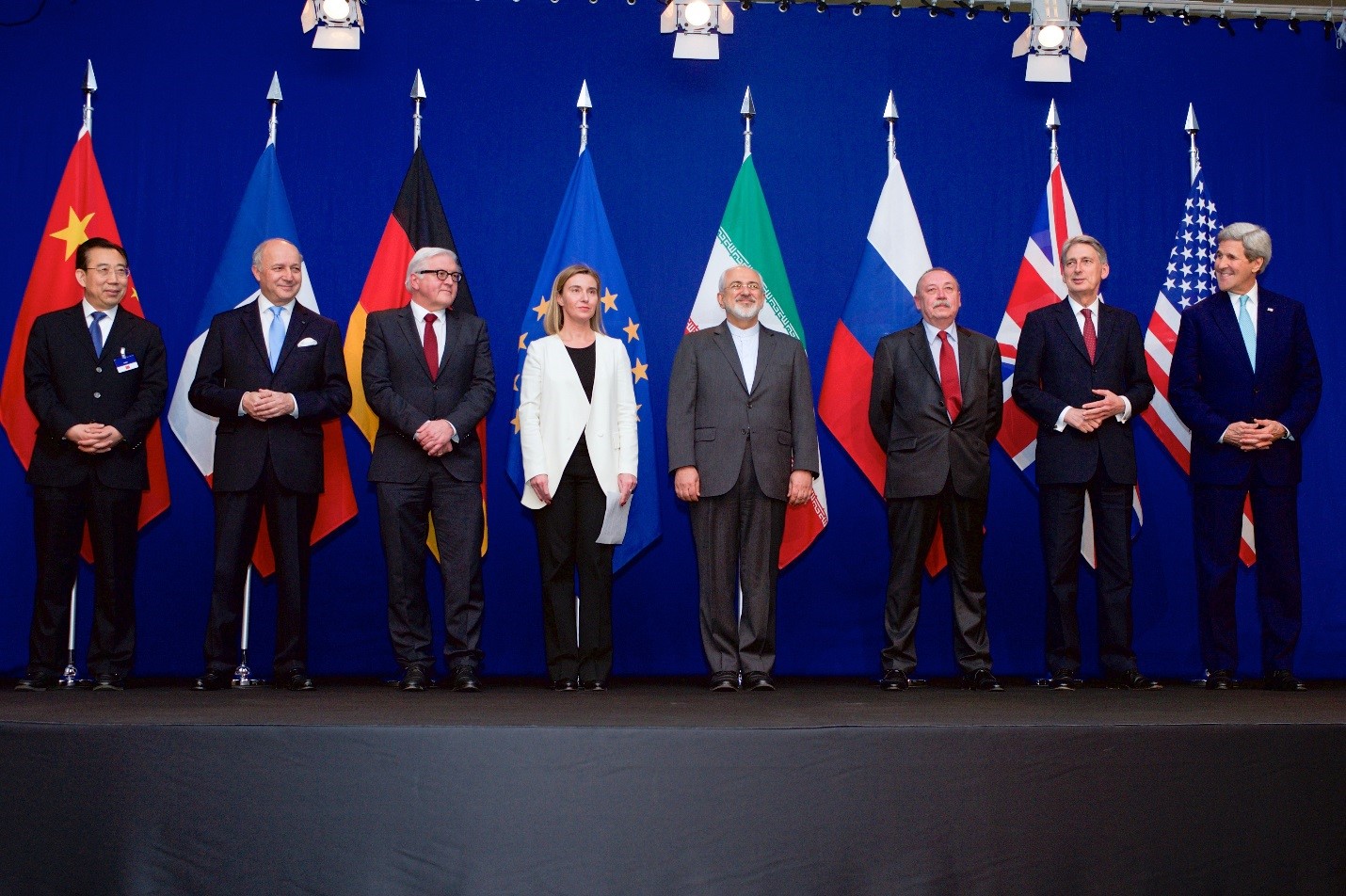
The ministers of foreign affairs of France, Germany, the European Union, Iran, the United Kingdom and the United States as well as Chinese and Russian diplomats announcing the framework of a Comprehensive agreement on the Iranian nuclear programme
United States Department of State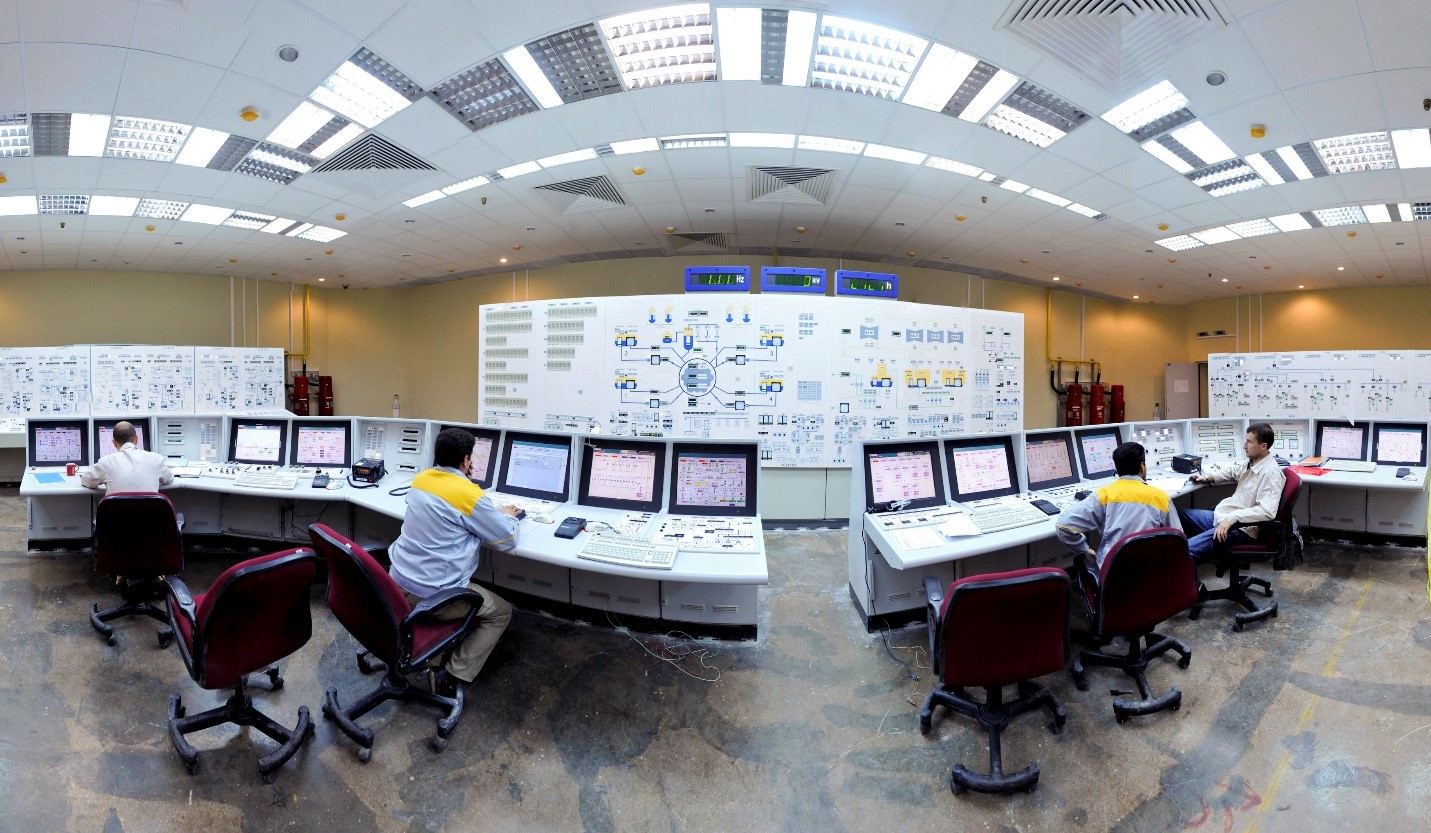
Russian (L and R) and Iranian operators monitor the nuclear power plant unit in Bushehr, about 1,215 km (755 miles) south of Tehran, November 30, 2009.
REUTERS/ISNA/Mehdi Ghasemi