
Star Wars: The Rise of a Financial Empire
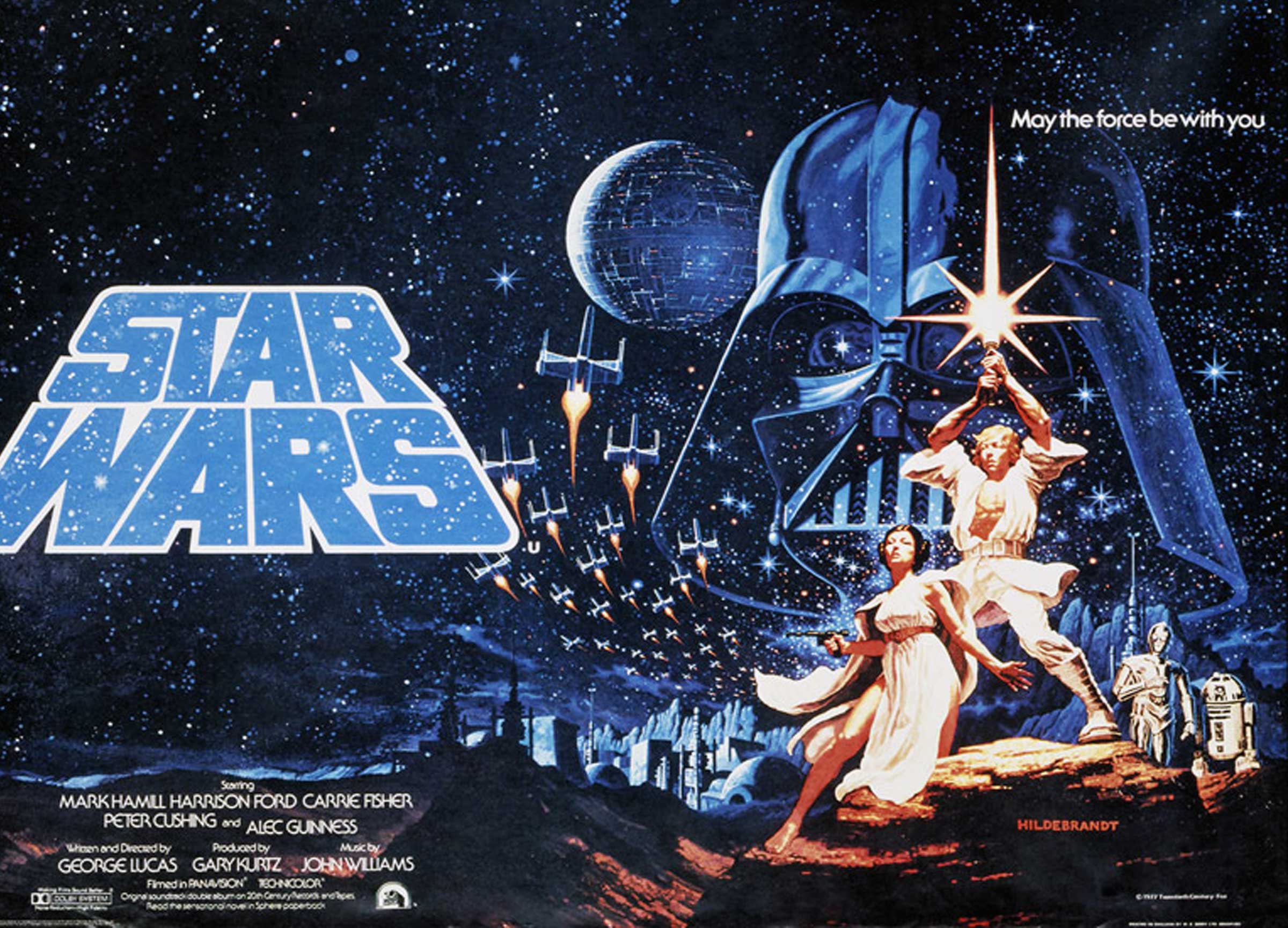
The little film that started it all. Made for $11 million in 1977, it would go on to have a worldwide box office total of $410 million, with subsequent rereleases and special additions bringing the global total to $775 million. Adjusted for inflation, it is second only to Gone with the Wind among all-time Hollywood moneymakers.
20th Century Fox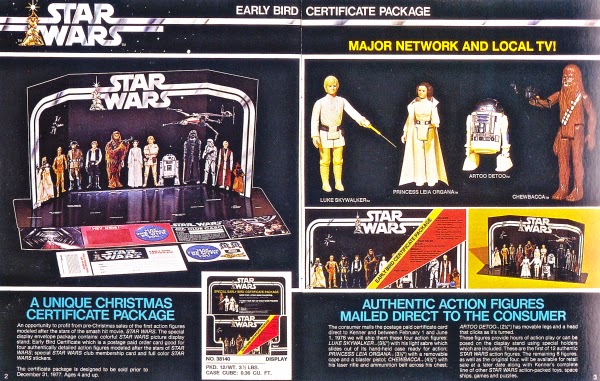
Before Star Wars, no one took toy sales seriously. In fact Sir Alec Guinness was given a percentage of the toy sales in lieu of a larger salary for the film, a move that would inadvertently make him extremely wealthy. To meet the huge demand for movie-themed Christmas toys in 1977, Kenner sold empty boxes with the promise that it would ship real action figures as soon as they were ready. In 1978 alone sales totaled $100 million. Between 1978 and 1985, Kenner sold more than 300 million Star Wars toys. Analysts predict that movie-themed toys will bring in $5 BILLION in 2016 alone.
Star Wars.com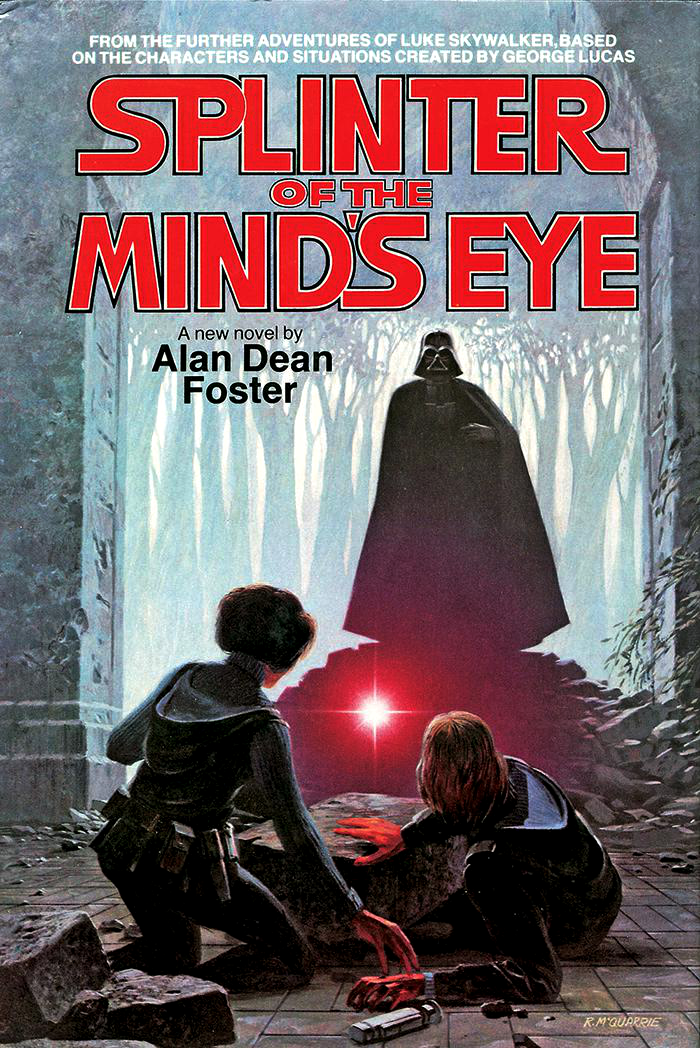
Almost immediately, fans wanted to see more stories set in this world and novels were an easy way to provide that. Before the release of the first film, a novelization was released, officially credited to Lucas but mostly written by sci-fi author Alan Dean Foster. Foster also wrote a novel called A Splinter of the Mind’s Eye as a possible sequel. The novel was devoured by fans but quickly disowned by Lucas when the actual sequel began production. It stands as one of the true oddities of early fandom (see also the notorious "Star Wars Holiday Special"). There are 358 titles related to the film series, with earnings of $1.8 billion.
Del Rey Books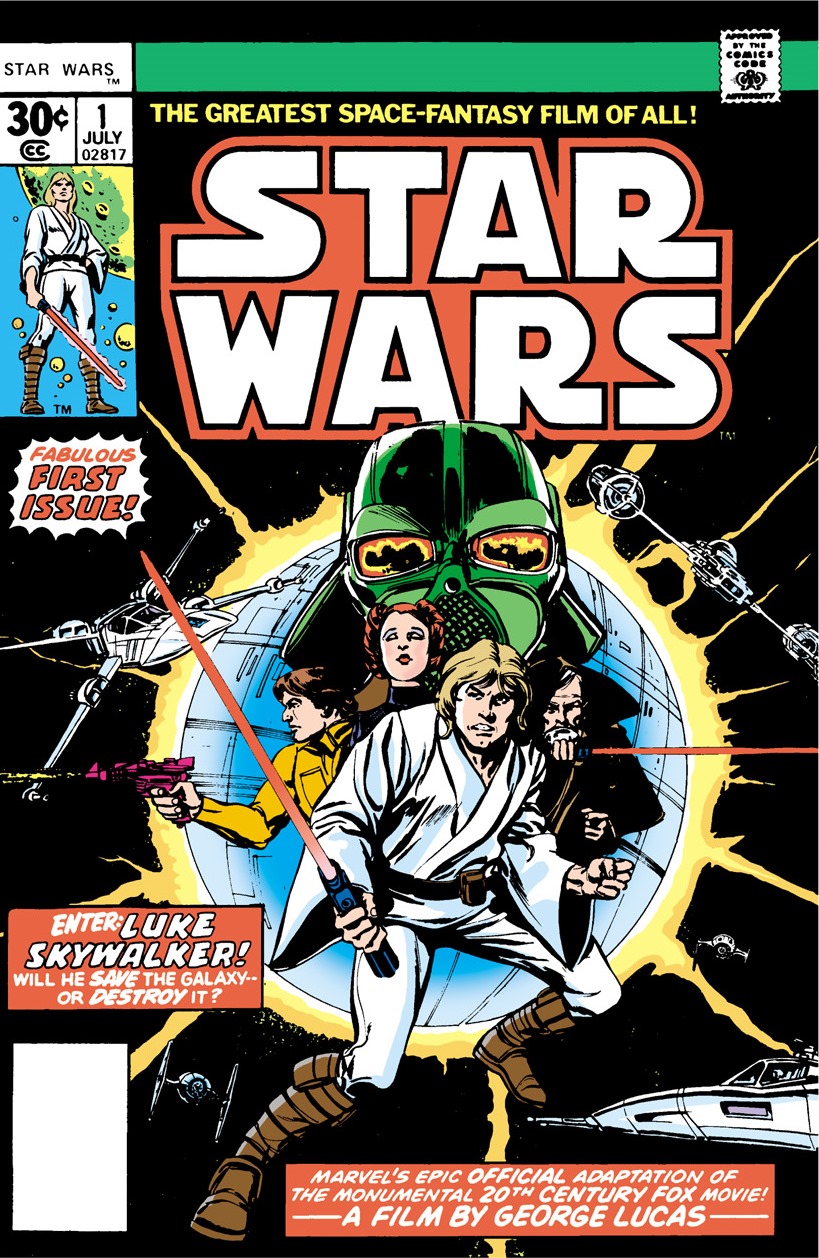
In 1977, Marvel Comics agreed to a deal with Lucas to release comic book adaptations of the film. Concerned that film tie-ins rarely performed well, Marvel negotiated a deal that would see the first 100,000 copies sold with no royalties back to Lucas. The first batch sold so swiftly that Lucas was able to renegotiate from a position of strength. By Marvel’s own admission, the strong sales in 1977 and 1978 saved the struggling comic book giant. Marvel would continue to publish comics until 1985, and has resumed doing so now that Star Wars and Marvel are both in the Disney stable. The first issue sold over 1 million copies in its first two weeks.
Marvel Comics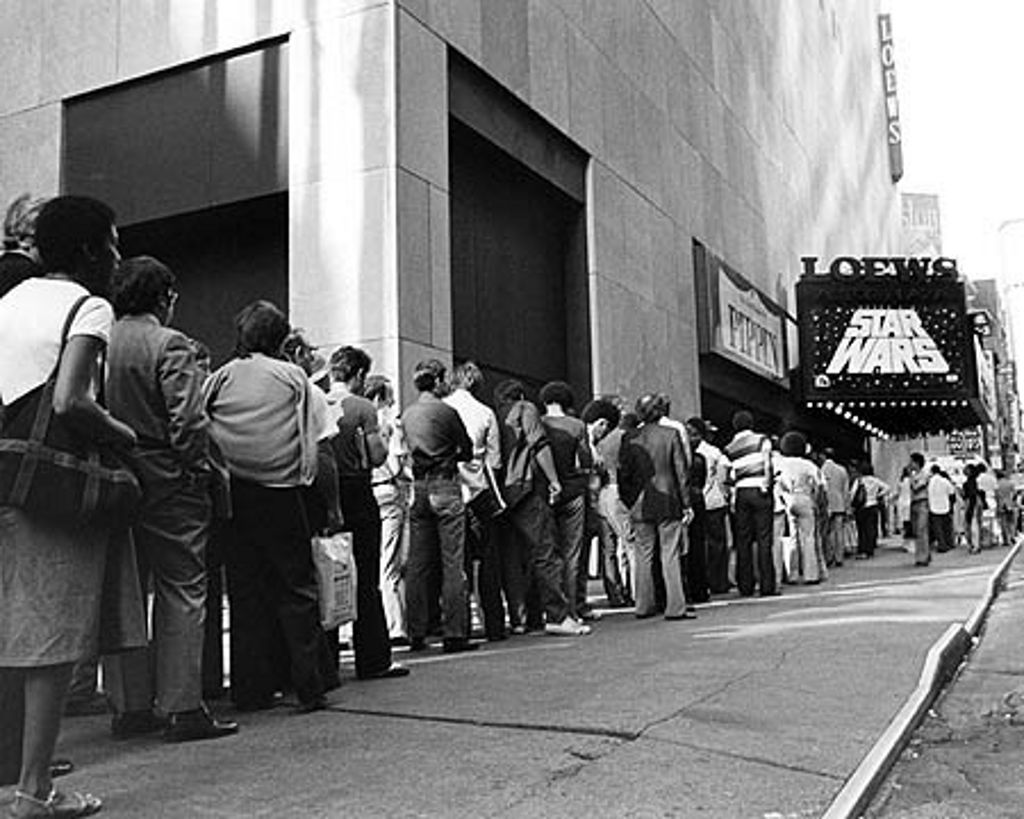
By the end of the summer of 1977, Star Wars was a global phenomenon and it wasn't just toys and comic books that were flying off the shelves. T-shirts, pajamas, lunch boxes, posters, school suppplies, coffee mugs, breakfast cereals, sheets, blankets, collectible glasses from Burger King -- all were emblazoned with the movie's iconography. Today the trend continues with iPhone cases, GPS apps and even commercial airliners. Leaving toys aside, Star Wars merchandising has pulled in $975 million while image and logo licensing has earned $825 million.
Wikipedia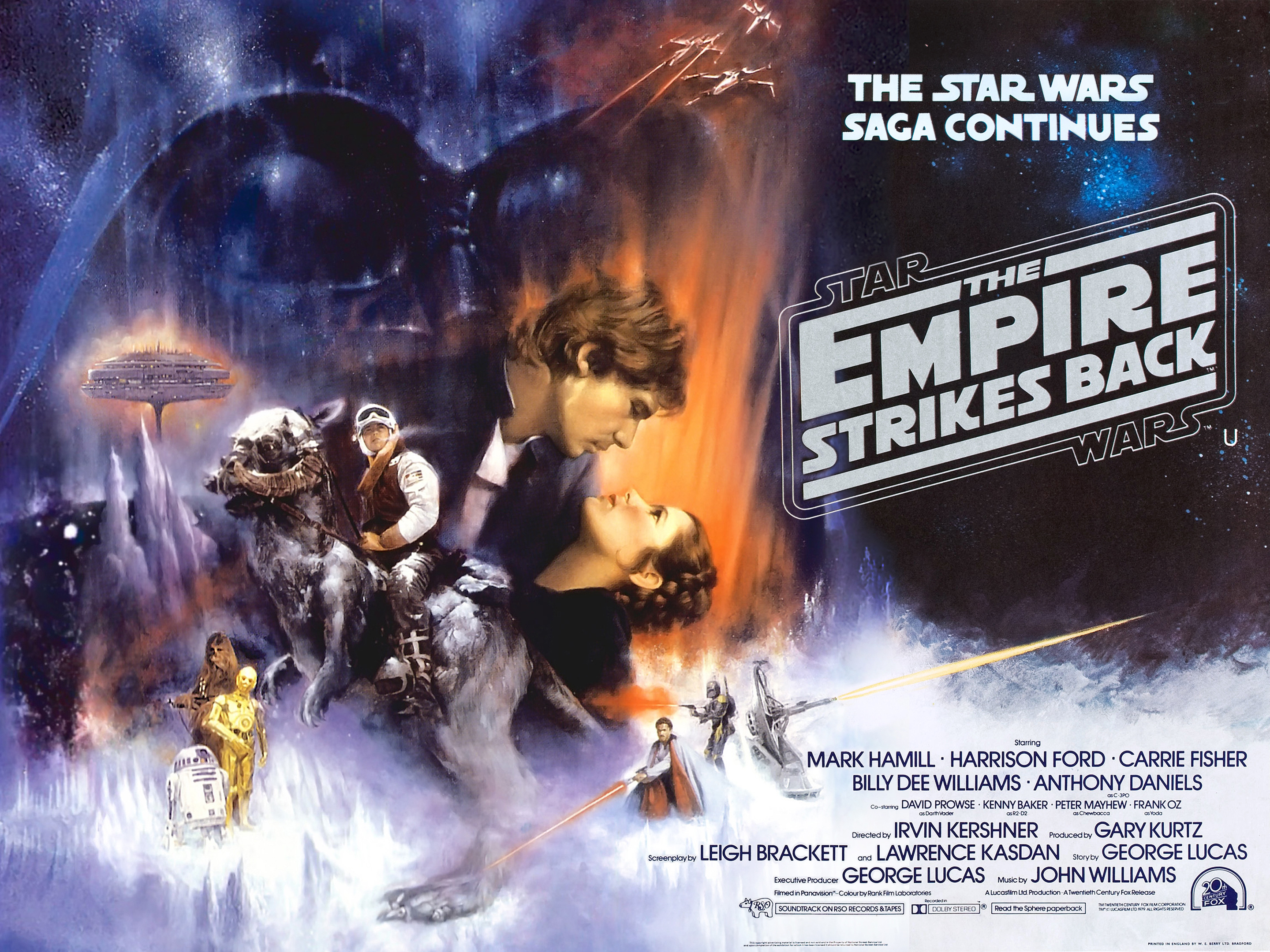
Of course we know how the story turns out, but there had to be a lot of sweaty palms on May 16, 1980, when the sequel to the biggest movie ever (at the time) was released. Made for the then outrageous sum of $33 million, the film featured a darker tone and a new director. Episiode V grossed $11 million in its first weekend, making $209 million in its initial domestic release. Its current global box office total stands at $538 million.
20th Century Fox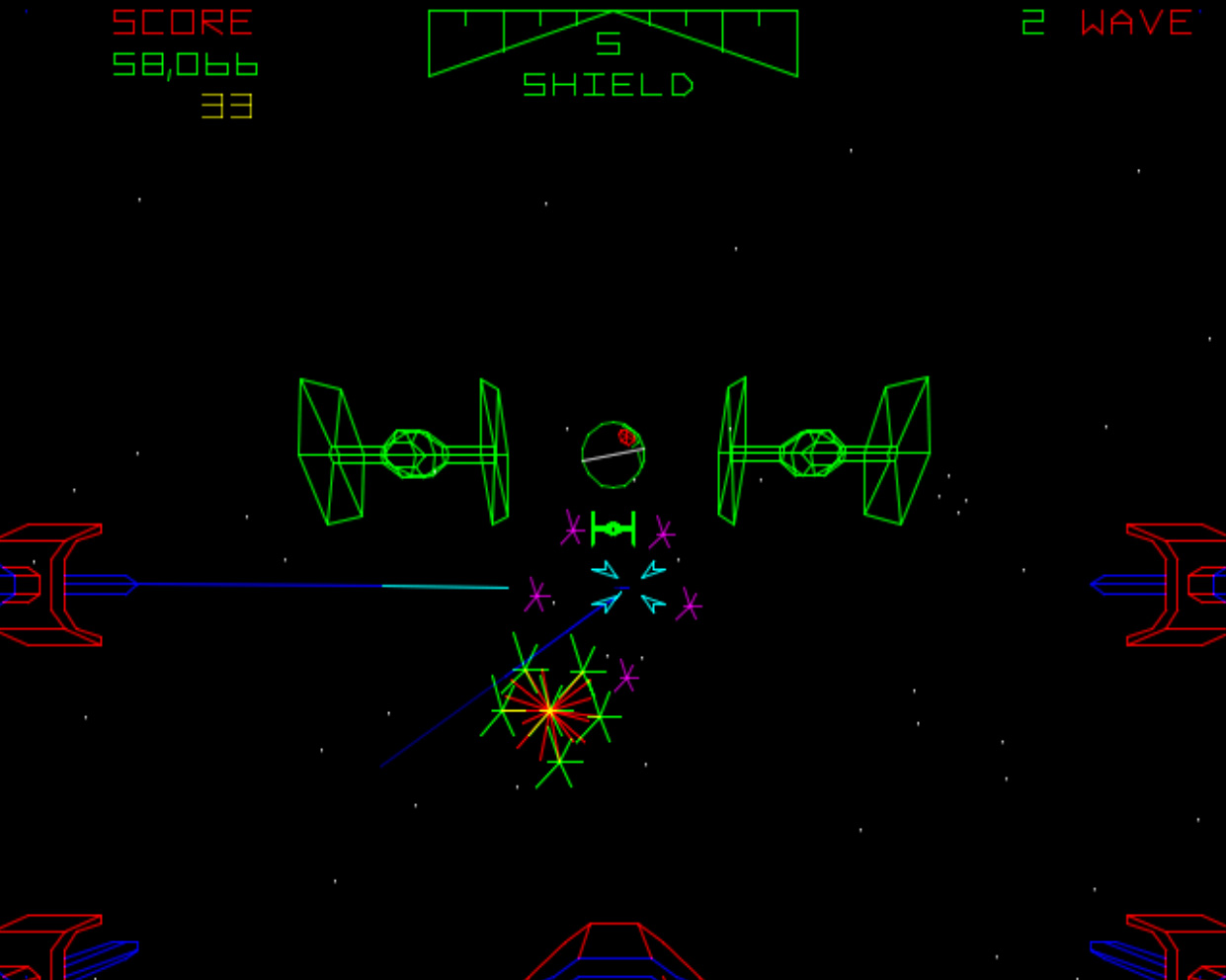
By the early '80s, the arcade craze was in full swing and Star Wars was a natural fit. The arcade game, a wireframe simulation of the first film’s climactic assault on the Death Star with audio clips from the film, became a craze. The game has been voted the fourth best video game of all time and is still a hot item for collectors with the space to store it. In total 138 Star Wars video games have been made (the 139th is coming next month), with revenue totaling approximately $3.5 billion.
Sega Interactive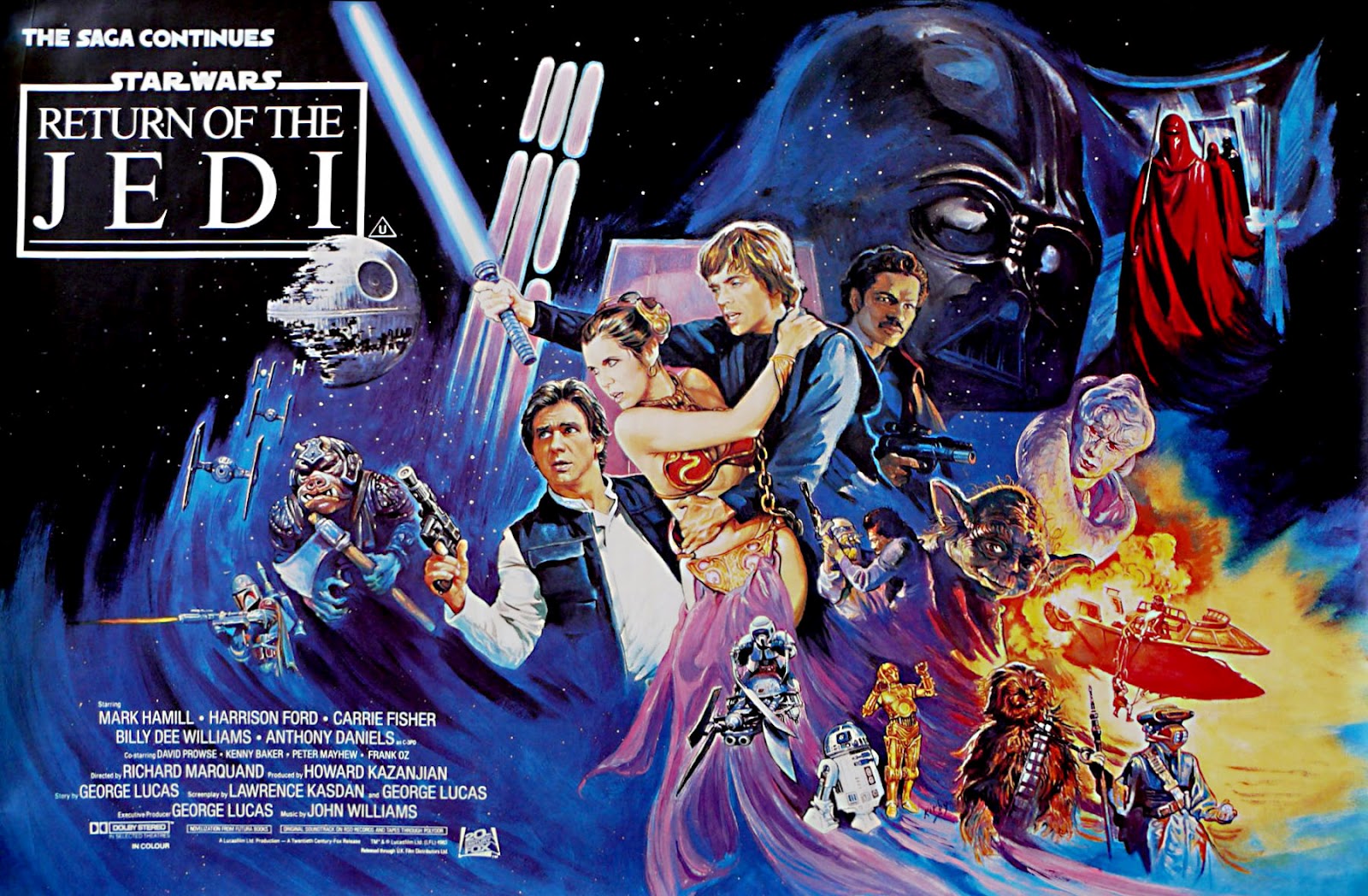
By the time of "Jedi," you could see the concerns of "Star Wars" the business overtaking the "Star Wars" the story. Loaded with exotic characters, parts of "Jedi" play less like a film than a toy catalog. This would be the last "Star Wars" film for 16 years. At least in part due to its kid-friendlier nature, the film pulled in $572 million in global box office.
20th Century Fox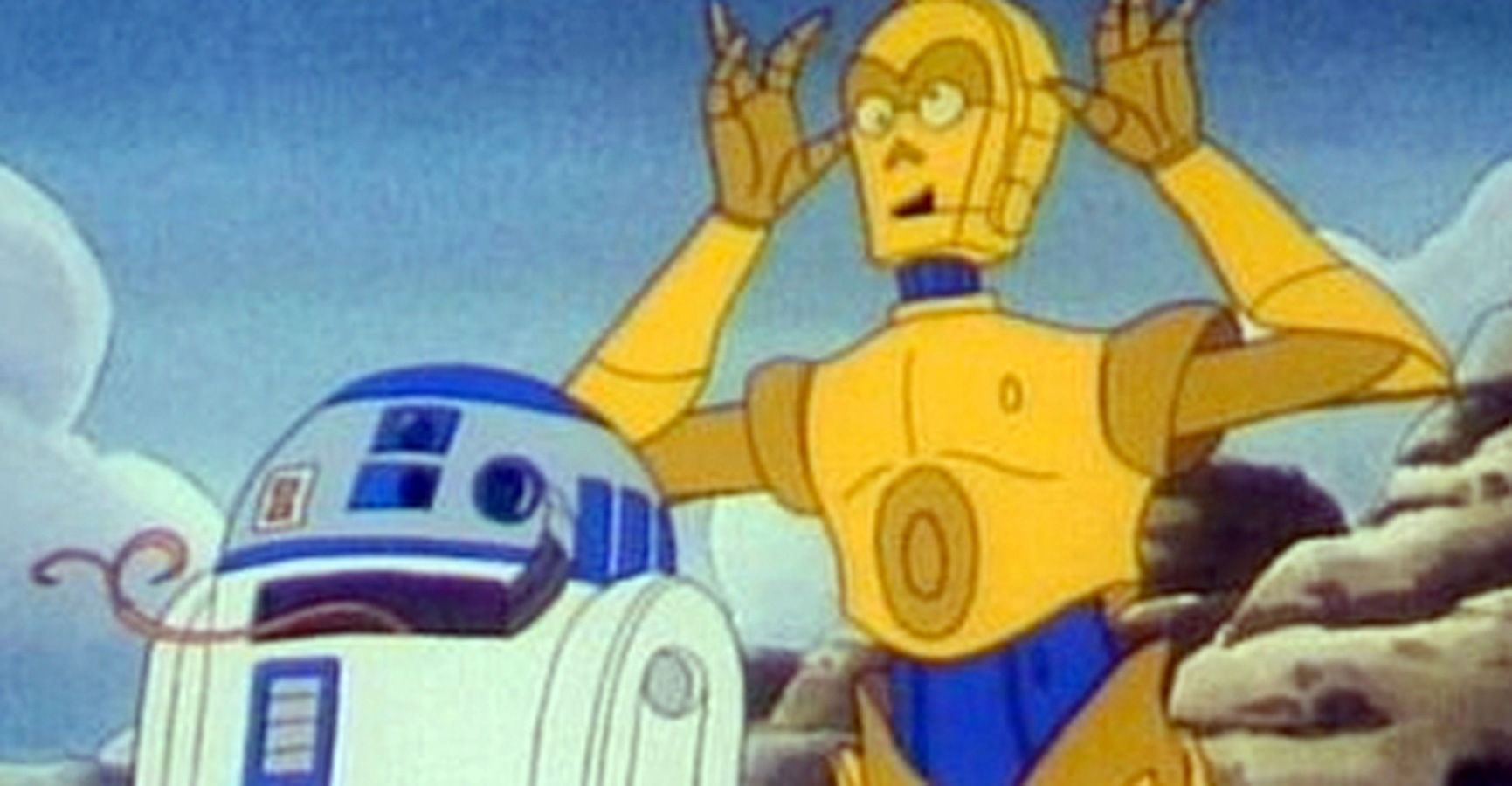
Lucas tired of the franchise and dropped out for a decade and a half, but fans still wanted more. Given its growing reputation as children’s entertainment, it made sense for the franchise to expand into cartoons and family-friendly films. Two series were produced, one with R2-D2 and C3PO, the two robots that form the movies’ peanut gallery, and the other with Ewoks, a race of tribal teddy bears that had been the merchandising bonanza of the third film. The series and two accompanying live action movies starring Wilfred Brimley (no, really) were all remarkably saccharine and disappeared without a fuss. It would be nearly two decades before Star Wars returned to TV.
Nelvana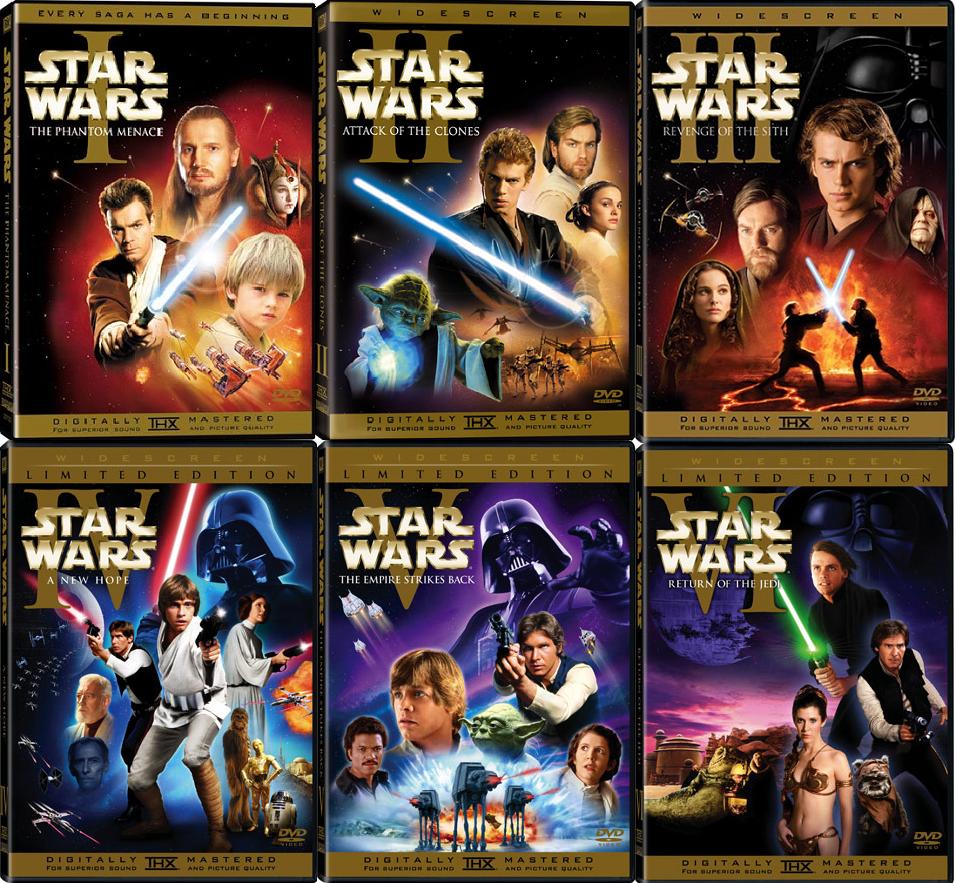
Though the idea of “owning a movie” has become somewhat quaint in the age of digital streaming, it was still a powerful concept in the '90s and "Star Wars" has done bang-up business in basically every format imaginable. VHS sales total $873 million, DVD sales are $2.9 billion, DVD rentals have brought in $875 million, and digital sales total $643 million.
20th Century Fox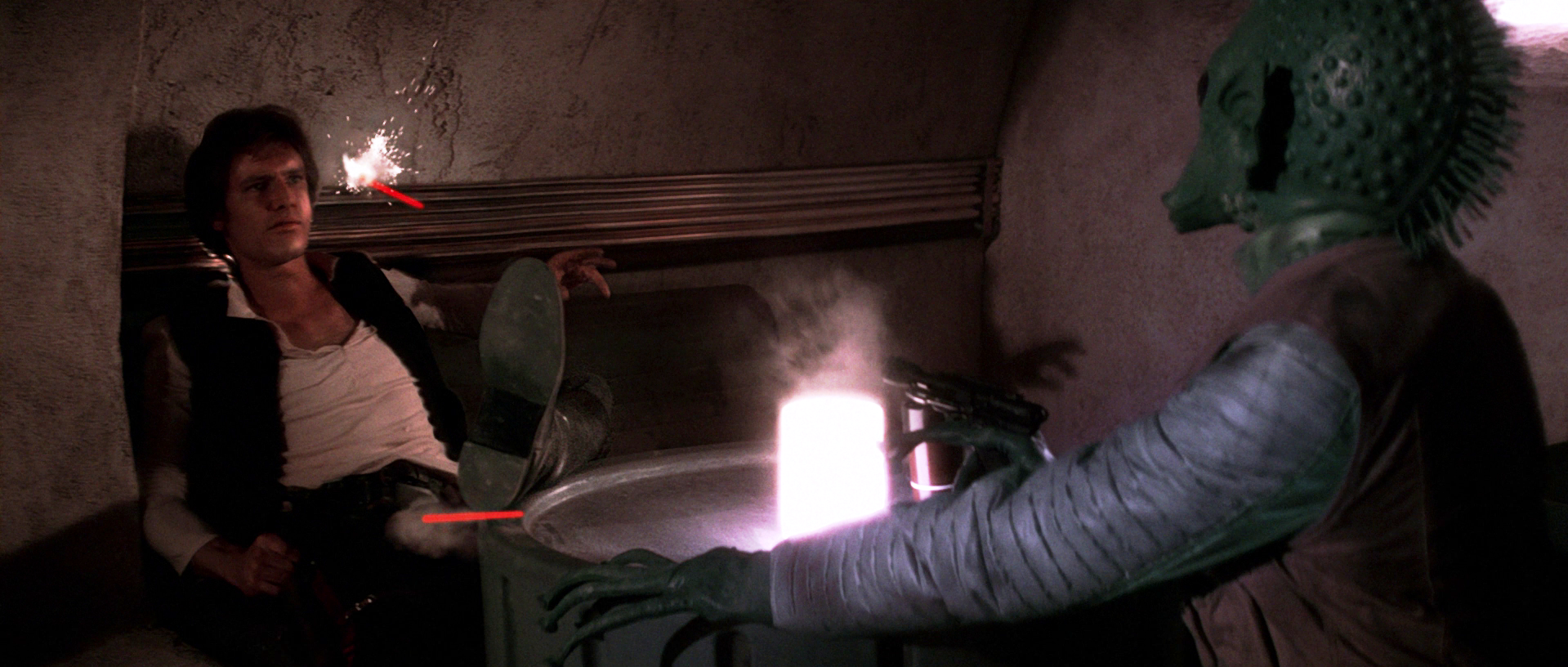
In 1996, partially inspired by the unexpected success of the “Heir to the Empire” novels, which sold 15 million copies, Lucas began to revive his dormant kingdom. Steven Spielberg’s Jurassic Park (1993) opened the door for CGI use and Lucas was eager to revisit his old films with the new tools. Released once a month for the first three months of 1997, the films, featuring new special effects and some new scenes, made $138 million, $67 million and $ 45 million respectively. The results were good enough for the first film to be the eighth highest grossing film of the year.
20th Century Fox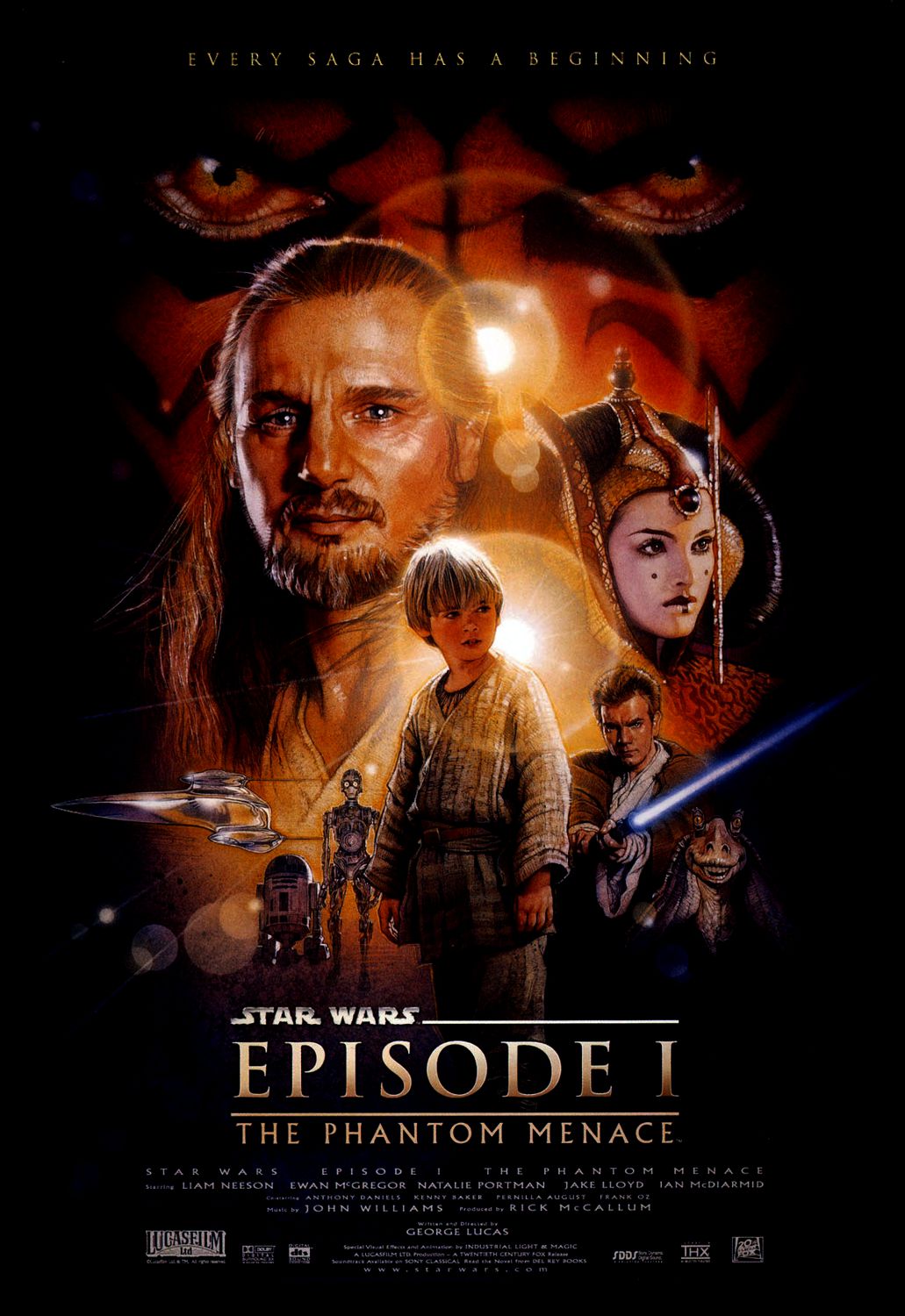
Of all the little-loved prequel films, this is the one that looks worst in hindsight. There are plenty of places on the Web to read the bad reviews, and it really is terrible. But none of that changesd dissuaded the loyal fan base. Even with disastrous word of mouth, the film took in $924 million.
20th Century Fox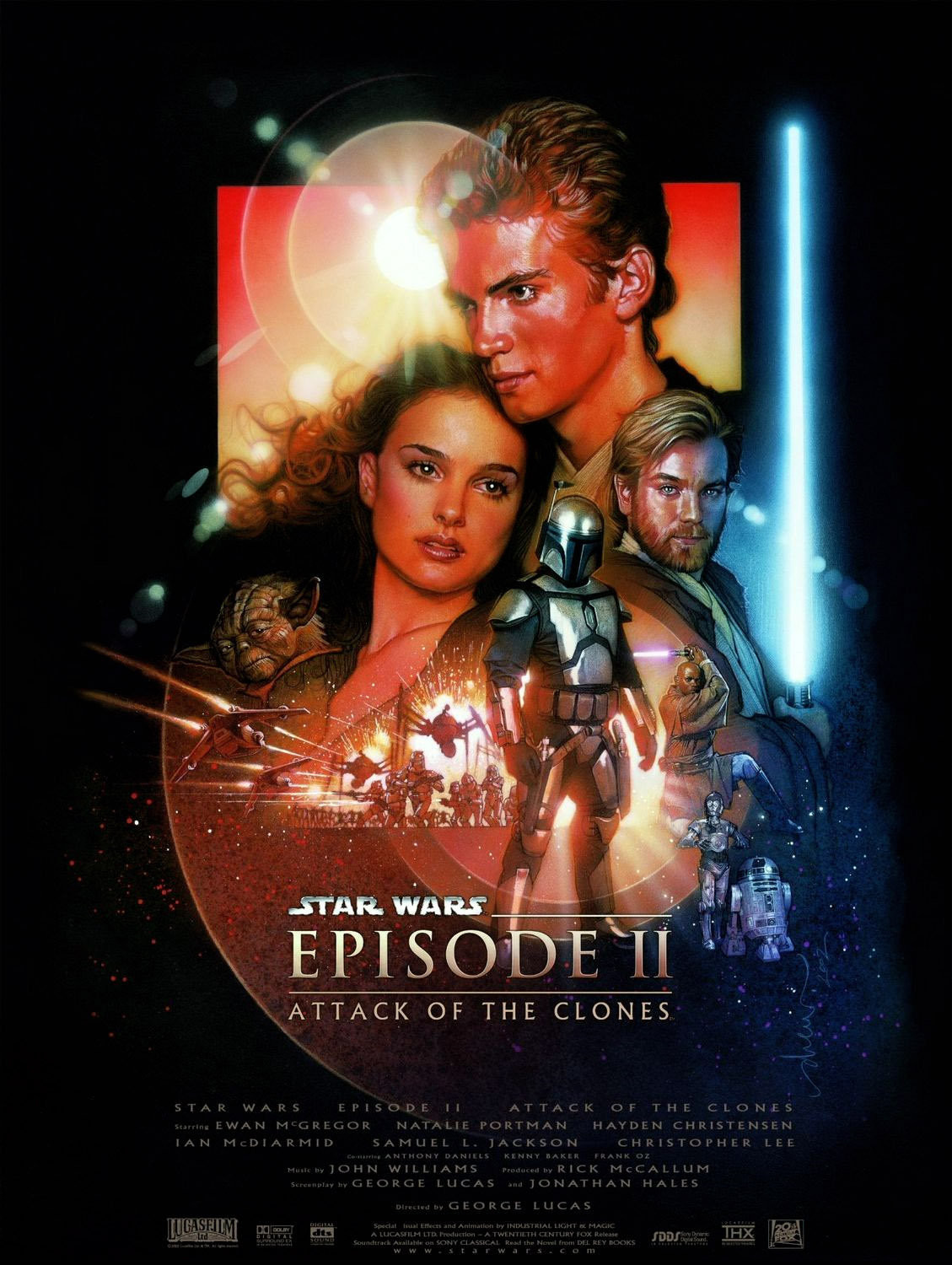
The worst performer of the prequel trilogy, the film was actually a mild improvement over the first one. But an exceptionally cheesy romantic subplot and the continued presence of Jar-Jar did little to help it. Though some of the more discerning fans stayed away this time, the film still made $649 million in global box office.
20th Century Fox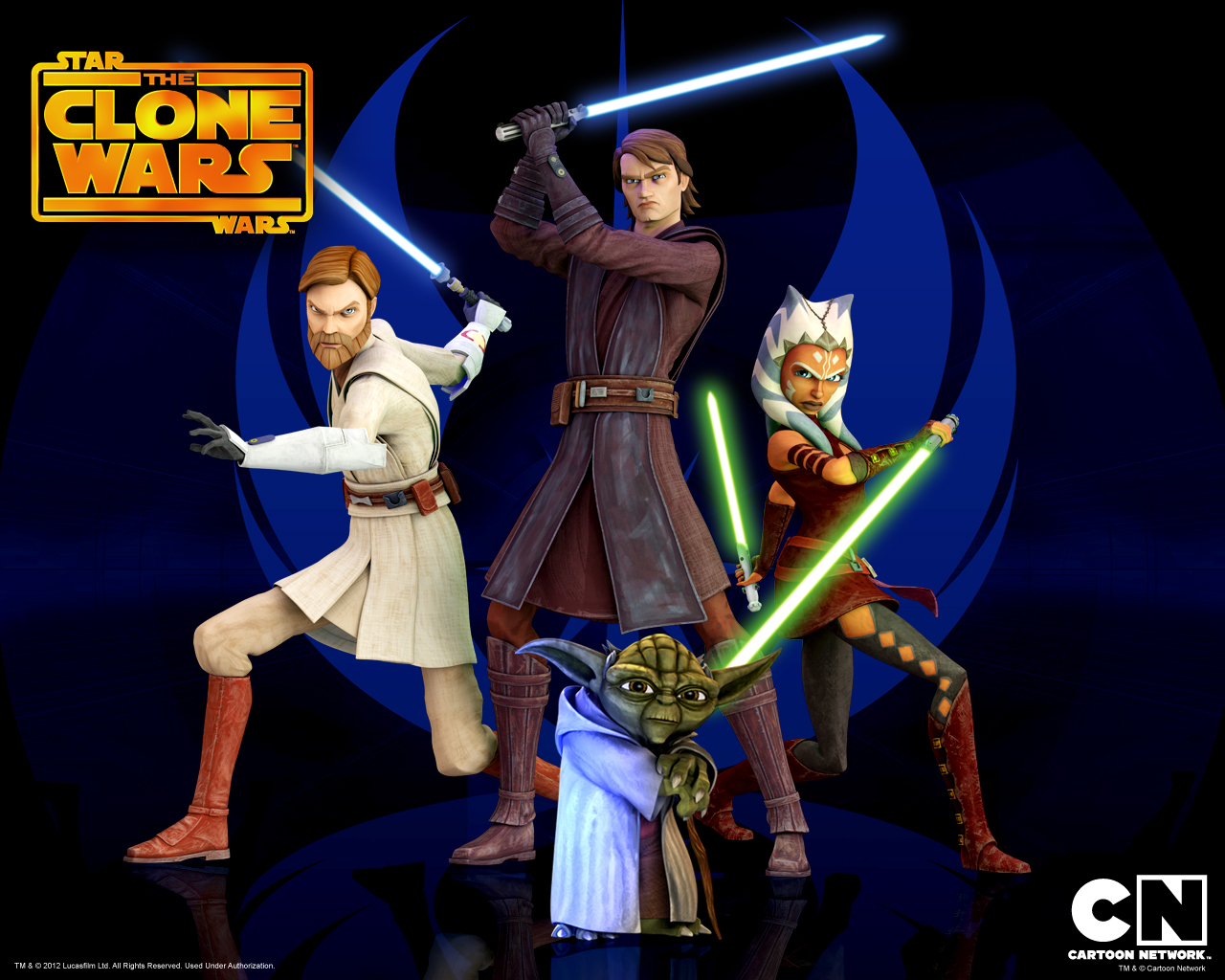
Two separate cartoon series represent both the franchise’s return to television and further proof that there was an appetite for more intelligent fair in the Star Wars universe -- ironically, in a cartoon. The 2008 premiere of Star Wars: The Clone Wars was the highest rated program in Cartoon Network history, with over 3 million viewers.
Lucasfilm Animation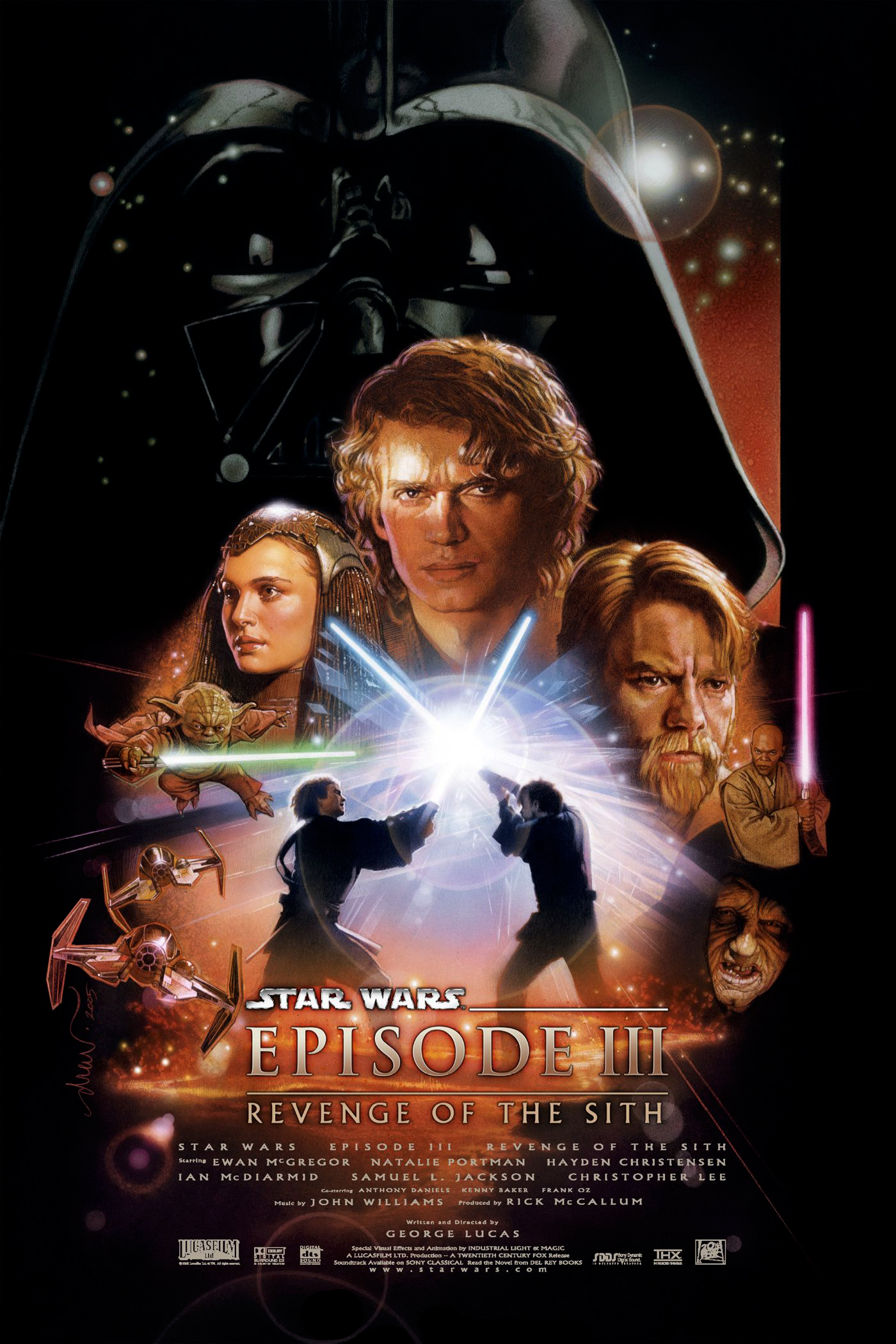
Easily the best of the prequels, the film was pitched to fans as, “No, this one is good ... really!” While it still was not the grown-up film that so many adult fans wanted, it managed to outperform the previous film, with total global box office of $848 million.
20th Century Fox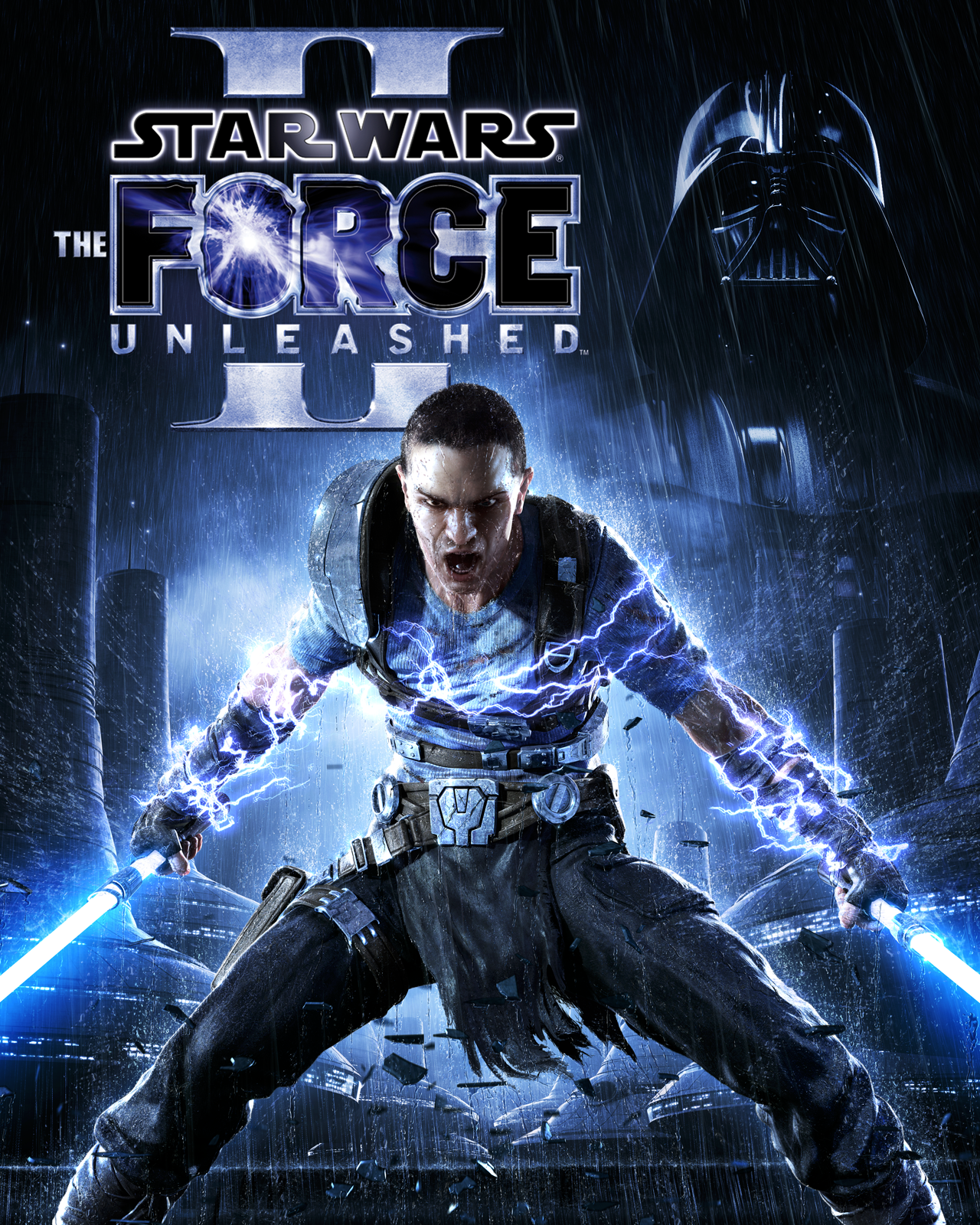
Though many Star Wars games had been produced, there was one thing the series had avoided: Letting players be evil. All of that would change with “The Force Unleashed.” Players were cast in the roll of Darth Vader’s apprentice and rewarded for doing as much evil as possible. Selling nearly six million copies, it was the fastest-selling Star Wars game of all time. Sadly, it was followed by an underwhelming sequel that cast a cloud on the series (sound familiar?).
Lucas Arts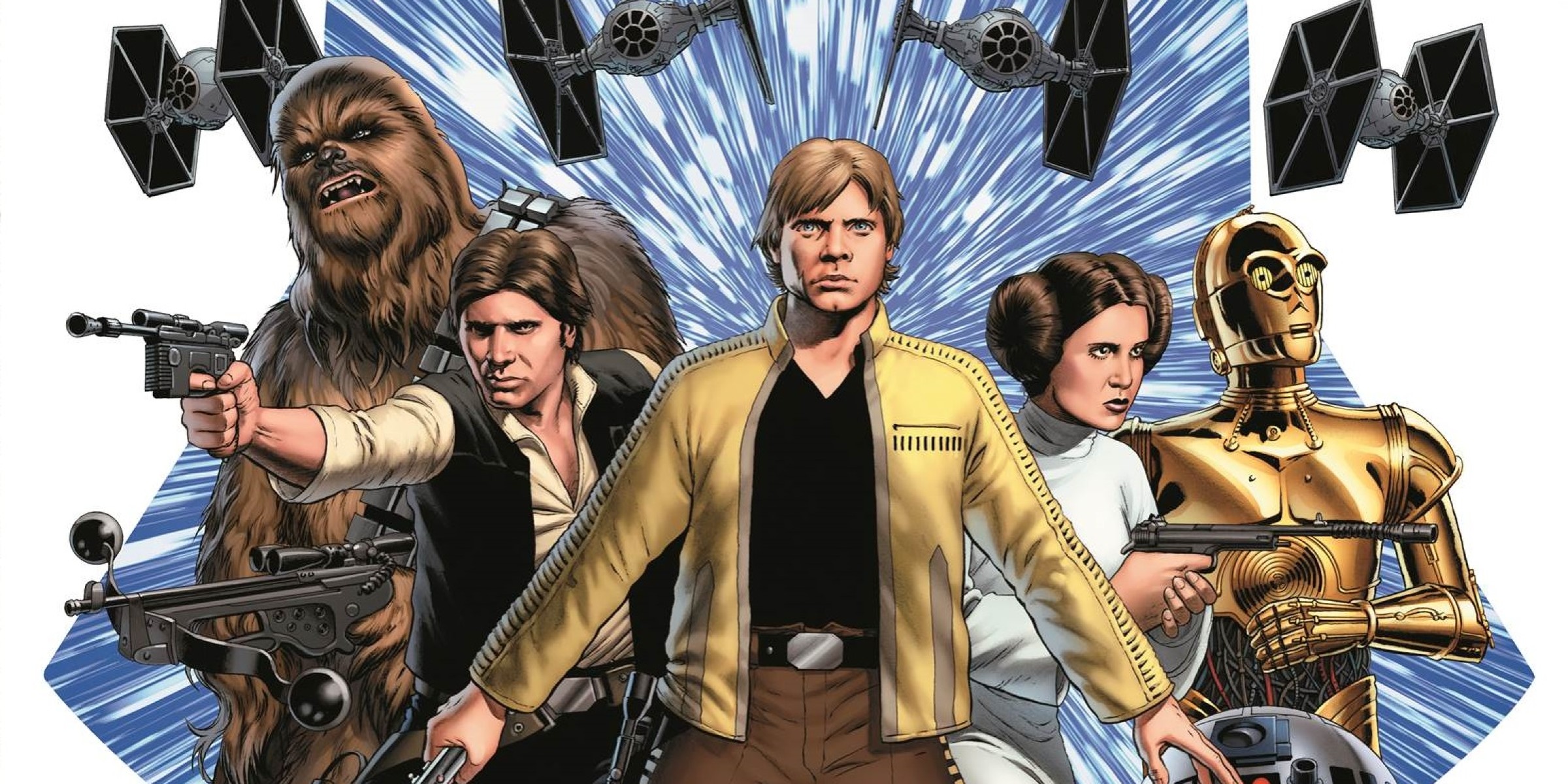
In preparation for the launch of the new Star Wars film in 2015, Disney is flexing its very considerable marketing muscle. Using their comic book, novel, television, toy and video game arms, Disney has pushed out dozens of pieces of content to replace the older “expanded universe” works from the ‘80s and ‘90s, now relegated to footnote status. Within two weeks of its release, the first issue of the new comic book became the best selling comic of 2015.
Marvel Comics
With a budget 20 times the size of the original and public anticipation going through the roof, there is little doubt that this film will make ungodly amounts of money. Even if critics pan the movie, the prequel films prove that anything with the Star Wars name will bring in the cash -- and it's hard to imagine anything being as bad as "Star Wars Episode I."
Walt Disney Studios Motion Pictures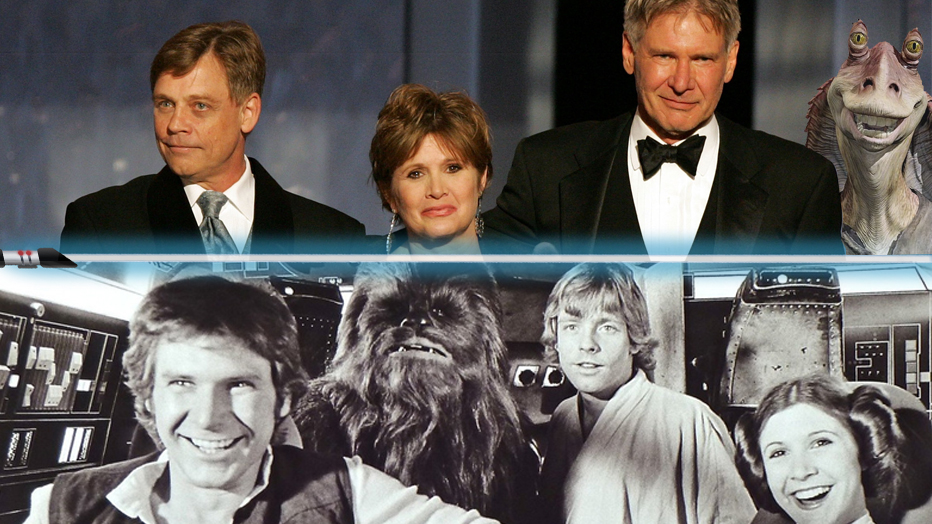
One reason to be excited about the new film is the return of the original cast to their iconic roles. They were paid $10,000, $650,000 and “an embarrassingly small amount” for their work on the original film (though this was supplemented by invaluable percentage points). Their paydays for the current film have not been disclosed, but think astronomical numbers.
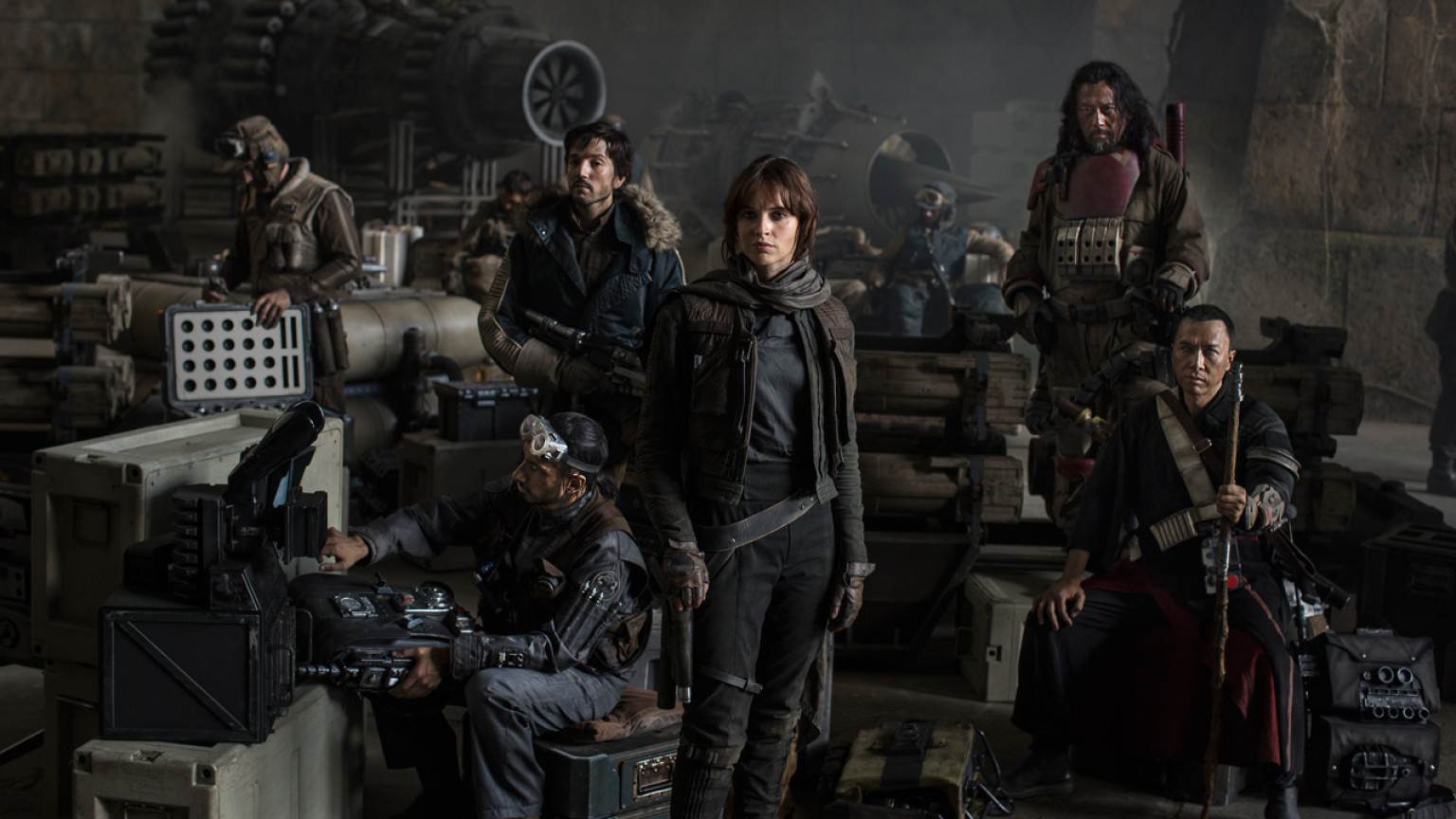
If you think you can just ride it out through Christmas to escape the madness, think again. Not only are Episodes VIII and IX already in the works, so is a standalone film about stealing the plans for the Death Star … and a young Han Solo film … and a Boba Fett film … and a Yoda film … and … you think Star Wars is at an end … it’s just beginning…
Walt Disney Studios Motion Pictures