
The 10 Healthiest States in America

Strengths: high rate of high school graduation, low prevalence of low birth weight, few mental health days
Challenges: High prevalence of excessive drinking, large disparity in health status by education level, low immunization among adolescents for tetanus, diphtheria, and pertussis
Nebraska maintained its 10th-place spot this year. The state’s physical inactivity rate decreased 16 percent in the past year, while smoking rates declined 12 percent over the past two years.
* Rankings are from the United Health Foundation’s annual report for 2015.
Flickr/Diana Robinson
Strengths: low incidence of infectious disease, low rate of cardiovascular deaths, small disparity in health status by education level
Weaknesses: low rate of high school graduation, low immunization coverage among children, high prevalence of excessive drinking
The Evergreen State was among the states that showed the most improvement this year, jumping four spots from 13th to 9th. In the past year, disparity in health status by education level declined 30 percent.

Strengths: low prevalence of obesity, low prevalence of physical inactivity, low prevalence of diabetes
Challenges: large disparity in health status by education level, high incidence of pertussis, high prevalence of low birth weight
Colorado retained its eighth-place spot this year. The state has decreased preventable hospitalization 13 percent in the past year, and the percentage of children in poverty declined 23 percent.
Flickr/Michael Levine Clark
Strengths: low rate of cancer deaths, low prevalence of diabetes, low prevalence of smoking
Challenges: low immunization coverage among adolescents, high rate of drug deaths, limited availability of primary care physicians
The Beehive State has the lowest smoking rate in the nation, 9.7 percent, compared to a national rate of 18.1 percent. The state also has the lowest diabetes rate (7.1 percent) in the country.

Strengths: High immunization among adolescents for tetanus, diphtheria, and pertussis, low incidence of infectious disease, low premature death rate
Challenges: Large disparity in health status by education level, high prevalence of excessive drinking, low per capita public health funding
Connecticut fell two places from last year’s list. The state decreased the percentage of children living in poverty 20 percent in the past year. Preventable hospitalizations have declined 16 percent in the past two years.
Flickr/PJD-DijiPic
Strengths: Low percentage of children in poverty, high immunization coverage among adolescents, high immunization coverage among children
Challenges: Low per capita public health funding, high prevalence of excessive drinking, high rate of drug deaths
New Hampshire’s rank moved up two places this year. The Granite State saw an improvement in physical inactivity, which decreased 14 percent over the past year. The number of poor physical health days reported by residents decreased 11 percent over the past two years.
Flickr/Joe Parks
Strengths: Low rate of cardiovascular deaths, low percentage of uninsured population, few poor physical health days
Challenges: Low per capita public health funding, high prevalence of excessive drinking, low immunization among adolescent males for HPV
Minnesota inched up two places in the rankings this year. The state showed improvement in physical inactivity, which decreased 14 percent from 2014 to 2015, and smoking rates decreased 13 percent in the past two years.
Flickr/Doug Kerr
Strengths: low percentage of uninsured population, low infant mortality rate, low prevalence of obesity
Challenges: high violent crime rate, large disparity in health status by education level, high prevalence of excessive drinking
Thanks to pre-Obamacare state healthcare reform, the Bay State has the lowest percentage of residents without health insurance (3.5 percent) in the country. The state also ranks first in the per capita number of primary care physicians, with 206.7 doctors per 100,000 residents, compared to a national rate of 127.4.
Wikimedia Commons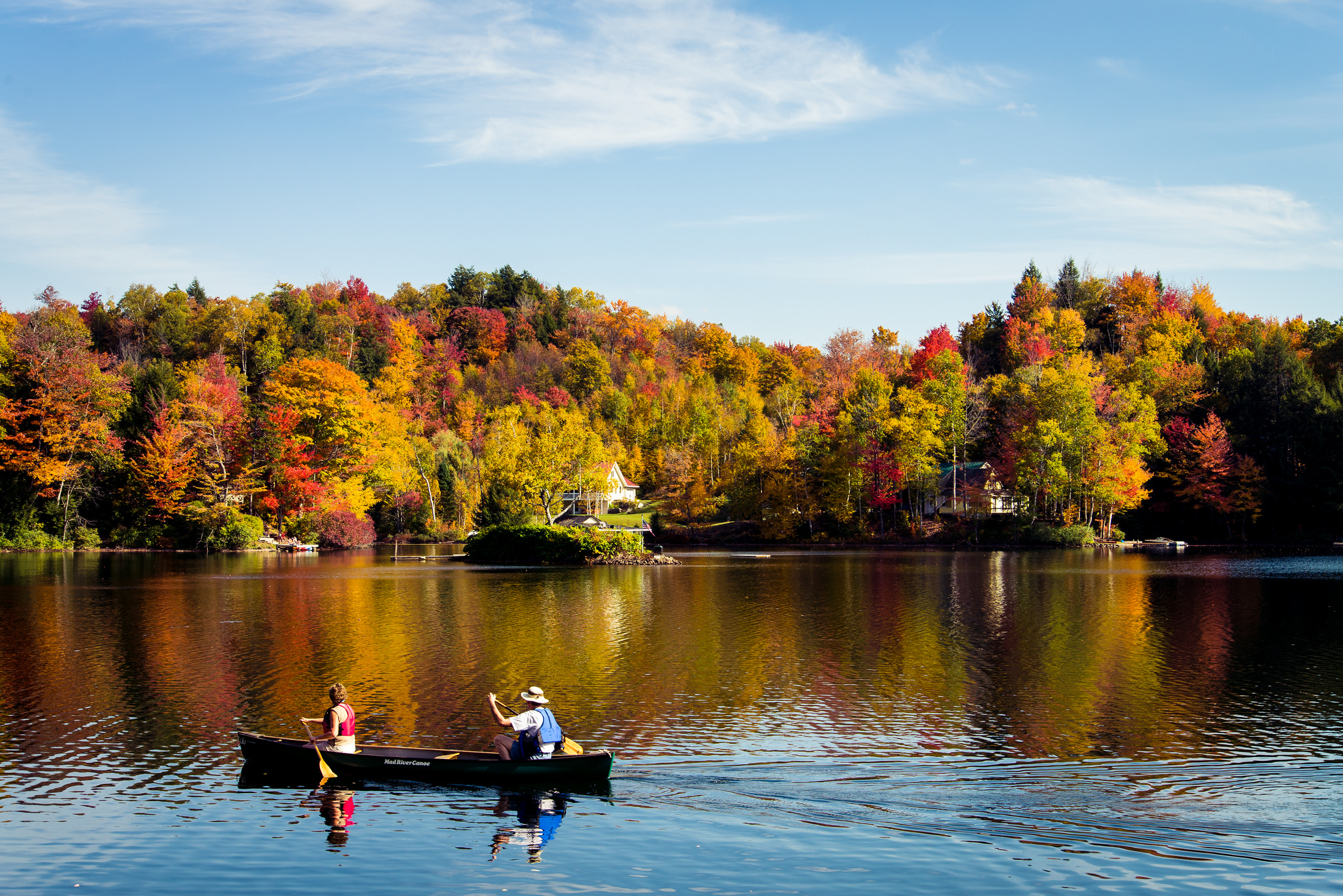
Strengths: low violent crime rate, low infant mortality rate, low percentage of uninsured population
Challenges: large disparity in health status by education level, high prevalence of excessive drinking, high rate of pertussis
Vermont maintained its position as the second-healthiest state in the country. The state has the lowest violent crime rate in the country, with just 121.1 violent crimes per 100,000 people, compared to a national rate of 367.9.
Flickr/Nicolas Enwin
Strengths: few mental health days, low prevalence of obesity, low rate of preventable hospitalizations
Challenges: high prevalence of excessive drinking, high incidence of salmonella, low immunization for adolescents for tetanus, diphtheria, and pertussis
The Aloha state topped the list for the fourth consecutive year, thanks to a low prevalence of obesity, low rates of preventable hospitalizations and few poor mental health days. The state has consistently been in the top six states since the launch of the report in 1990.
Flickr/Jasperdo