
10 Horrifying Problems at the Rio Olympics
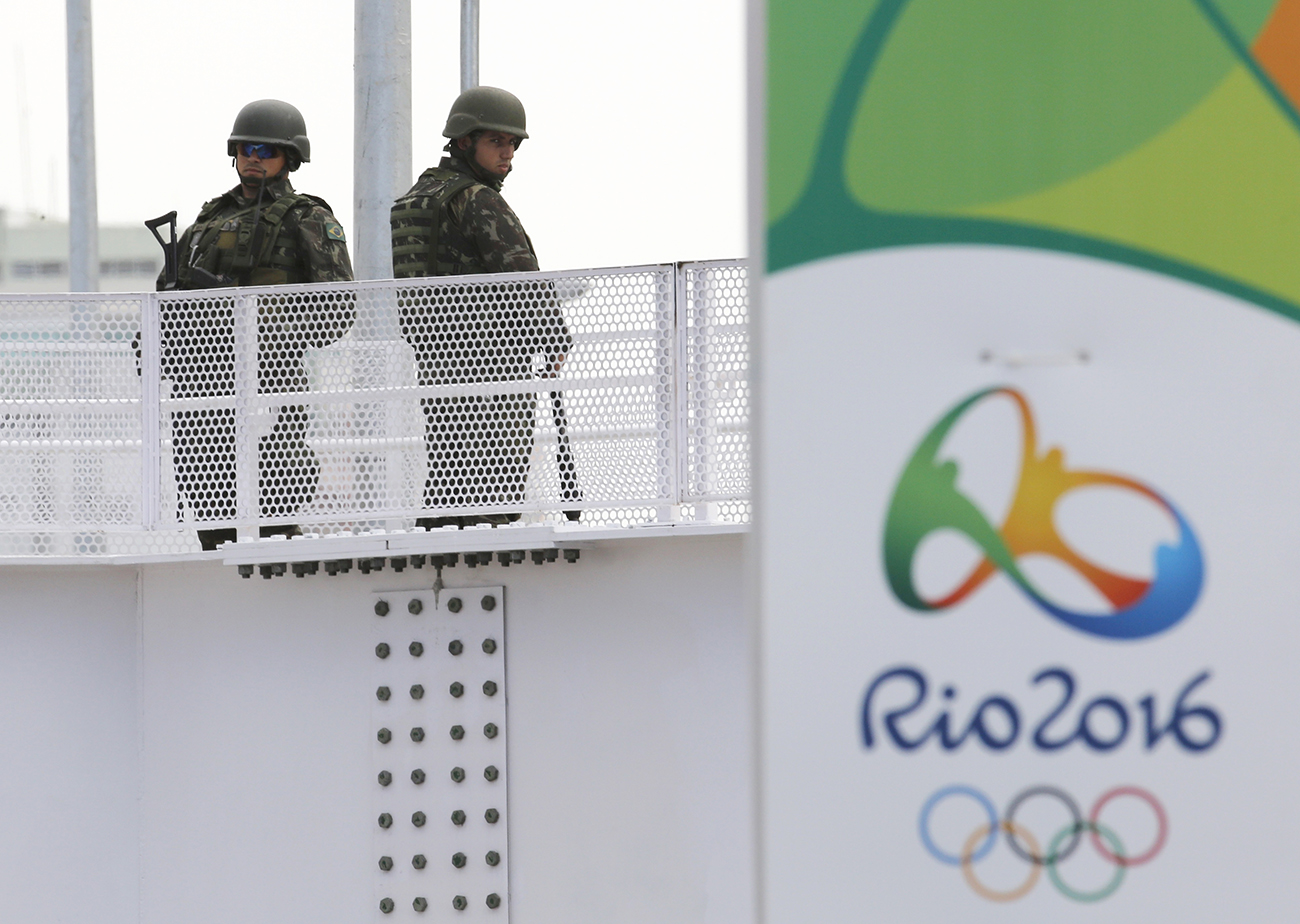
Rio’s Olympic Games are facing a lot of negative press for a litany of problems, even before the opening on August 5. Some say that problems and worries are normal before any Olympics — like Beijing’s pollution scare, London’s terrorism threats and Sochi’s time crunch -- but the list of hazards in Rio is extreme. Click through to see the top concerns.
© Nacho Doce / Reuters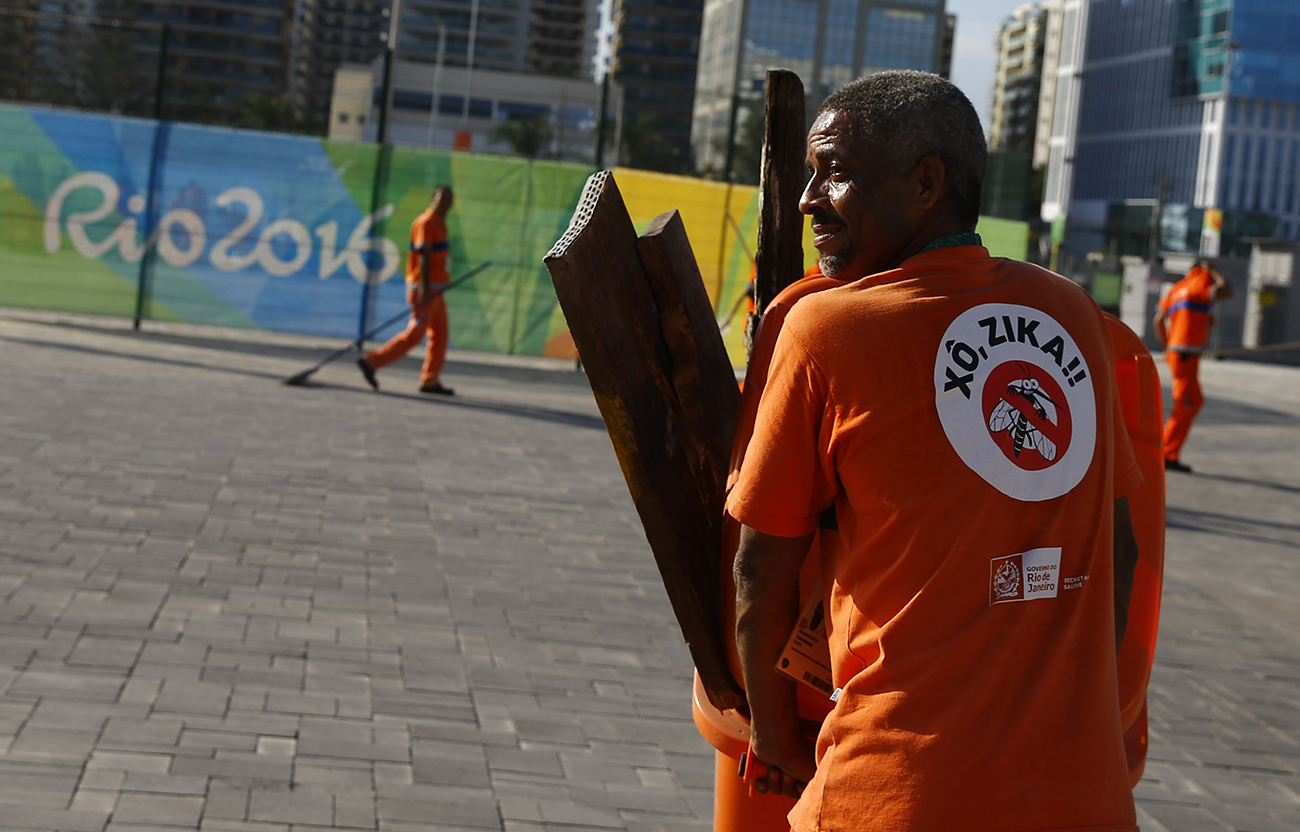
Medical professionals have signed a letter to the World Health Organization and International Olympic Committee asking to either postpone or relocate the Olympics due to the Zika virus in Brazil. The most serious known risk of Zika is that it can cause birth defects if a pregnant woman is infected; the CDC details the virus here. The WHO has also warned travelers about dengue fever and chikungunya, another viral infection.
© Pilar Olivares / Reuters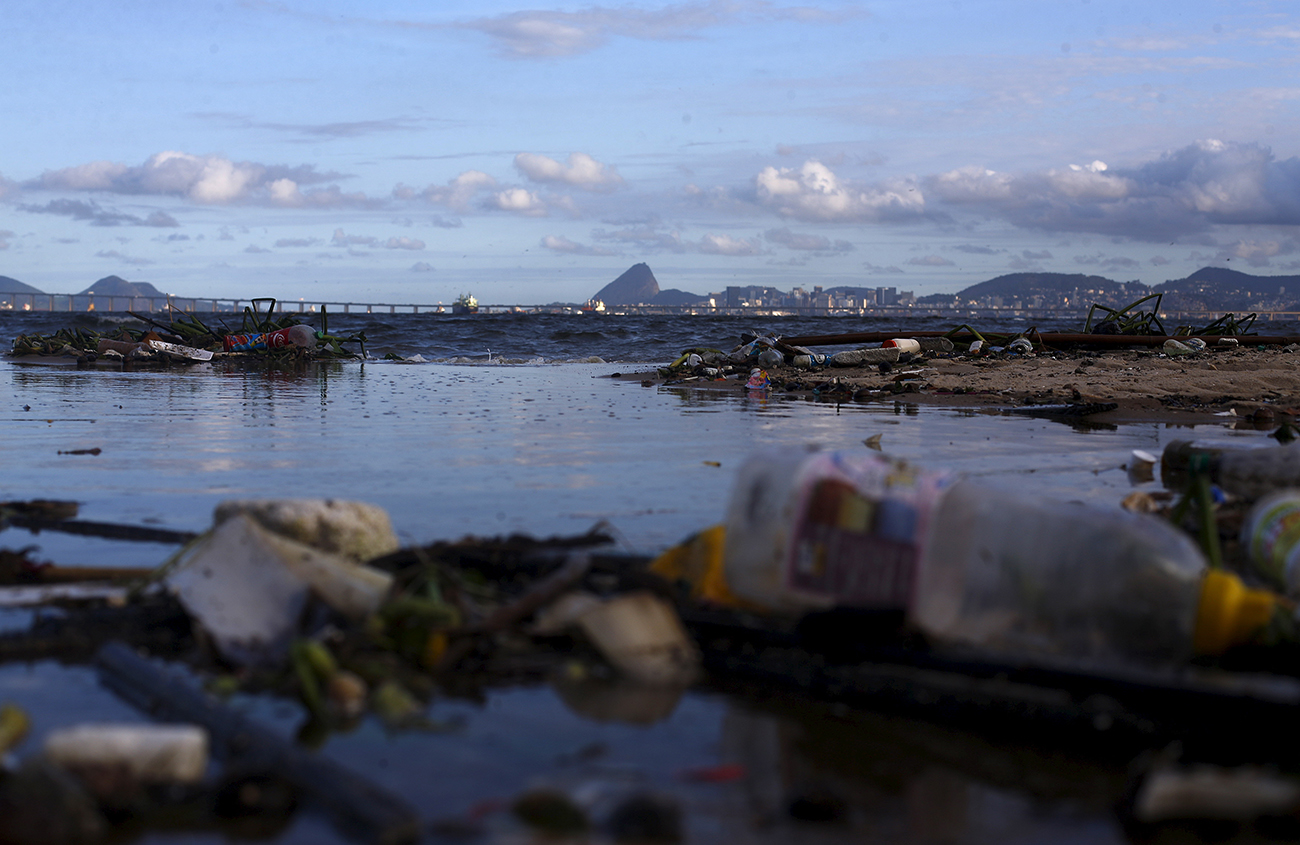
Practicing sailors have to steer clear of debris in Guanabara Bay. Scientists discovered a skin-infecting super bacteria off the shore of Rio’s beaches. After a German rower underwent urgent treatment for infection following an Olympic test event, the U.S. rowing team developed antimicrobial unisuits.
© Ricardo Moraes / Reuters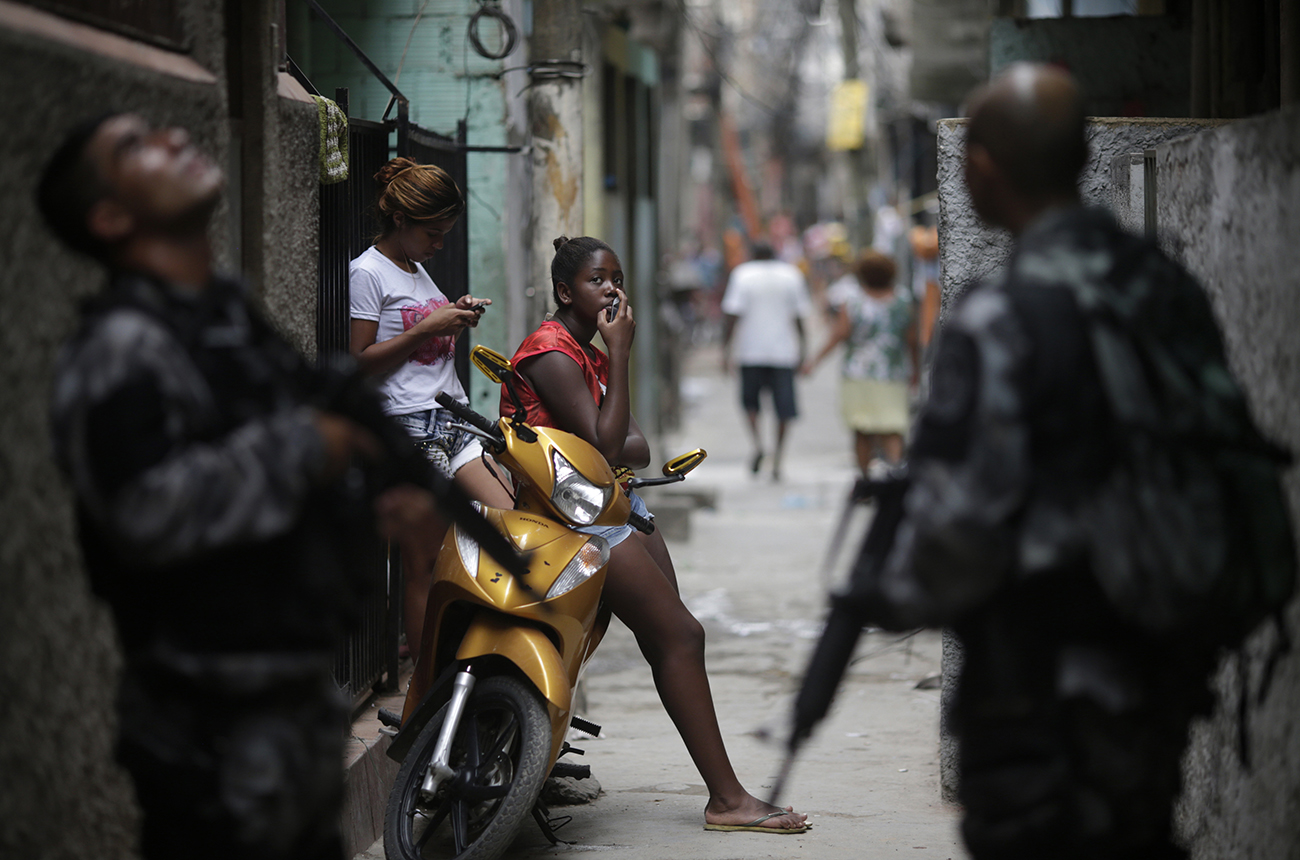
Brazil has one of the highest violent crime rates in the world. Public gunbattles have been a problem in Rio’s slums and a dismembered foot washed up near the beach volleyball site. Some expect the city to become more violent during the games, as drug gangs seek to flex their muscle. In June, an Australian Paralympic athlete and three Spanish sailing team members were robbed at gunpoint, both in broad daylight. Officials continue to promise that the expected 300,000 visitors will be safe.
© Ricardo Moraes / Reuters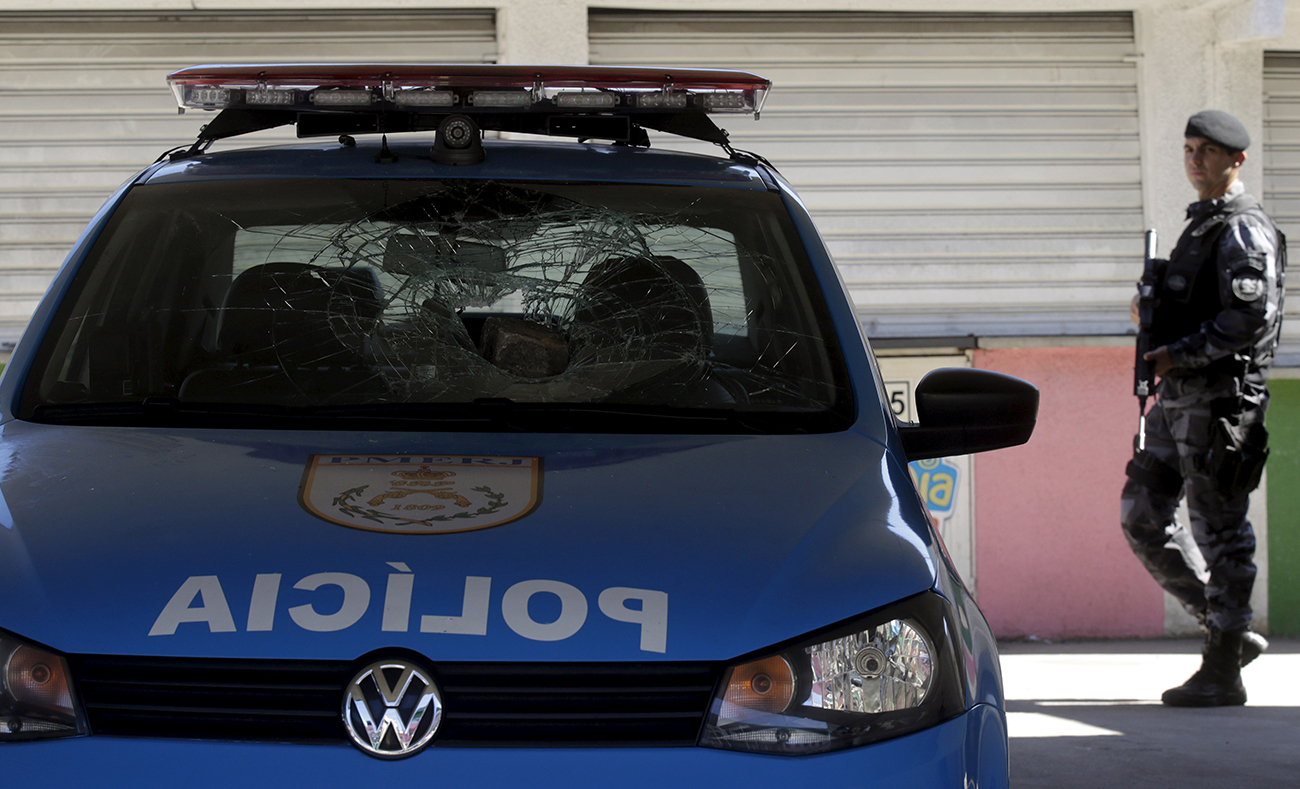
Brazil is planning to have 85,000 soldiers and police patrolling the streets of Rio for the games, and other nations competing will have their own security teams. But police have been protesting across the city and some officers recently held up a banner at the international arrivals area of the airport saying, “Welcome to Hell: Police and Firefighters Don’t Get Paid, Whoever Comes to Rio de Janeiro Will Not Be Safe.”
© Ricardo Moraes / Reuters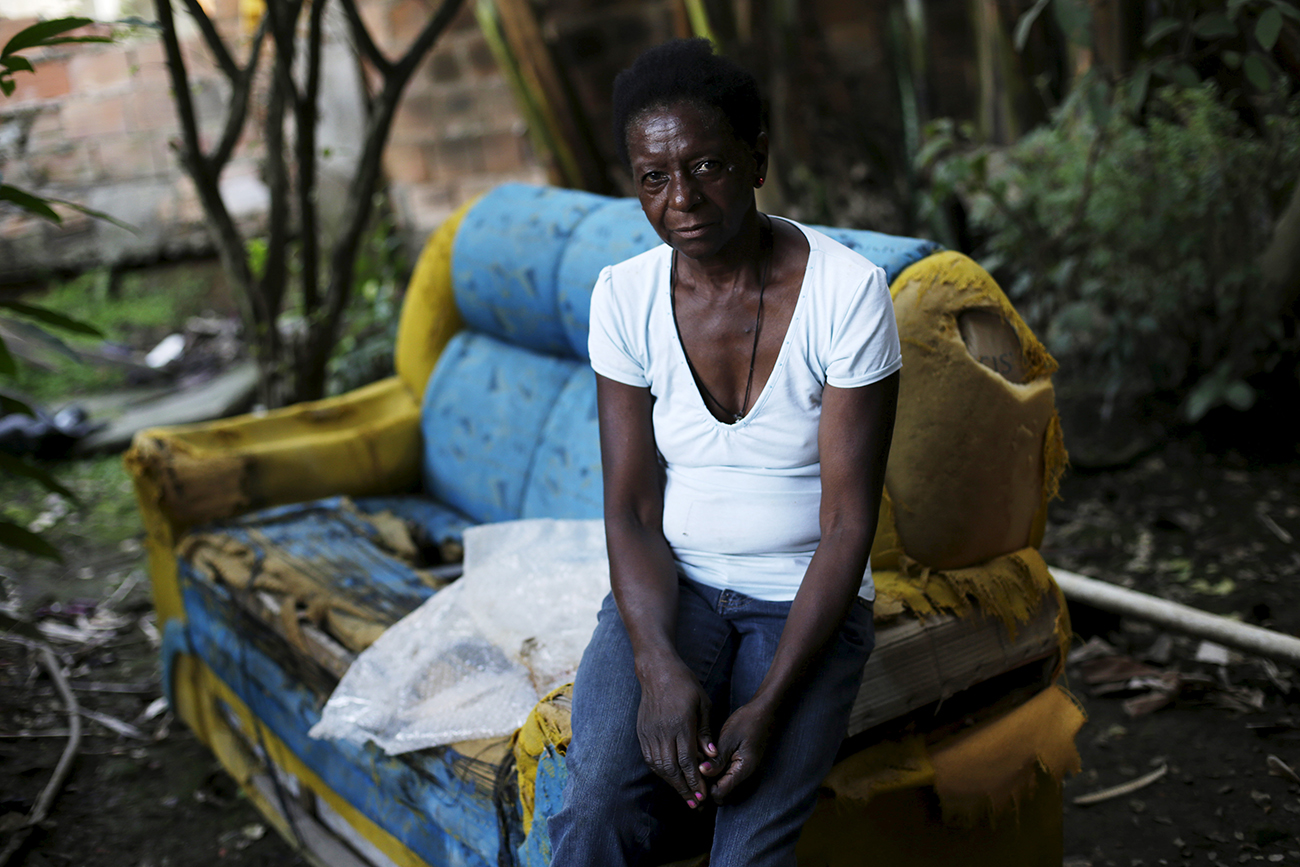
More than 4,000 families were evicted from their homes to make room for Olympic construction. And the homeless of Rio are being forcibly dragged from sidewalks to filthy, cramped homeless shelters.
© Ricardo Moraes / Reuters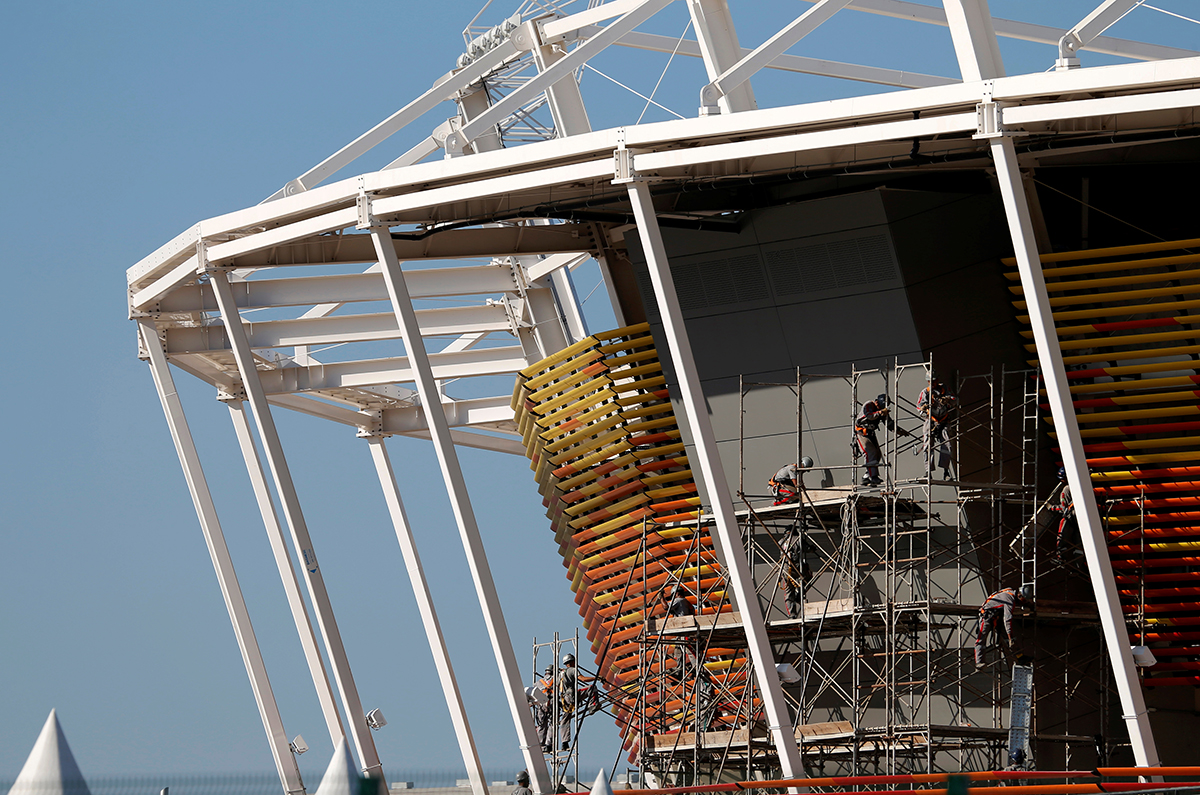
Some of that construction isn’t done. Rio’s mayor declared the cycling sports’ velodrome ready for action at the end of June. But the stadium’s stands were still not completed, with sheets covering unfinished areas.
© Sergio Moraes / Reuters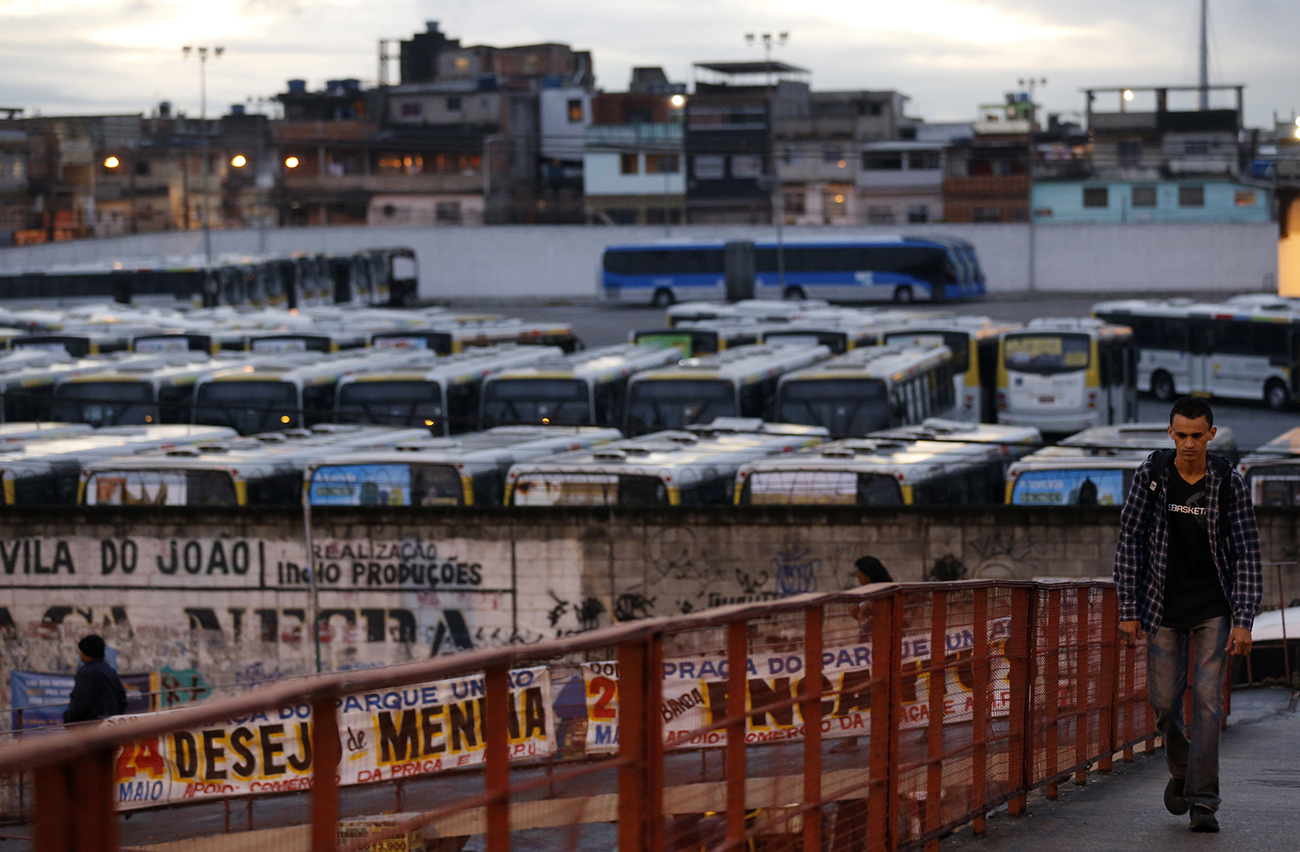
An improved public transportation system was proclaimed as one lasting legacy of Rio’s Olympics, but construction is behind here too. Confusing bus routes will lead lost tourists out of Olympic neighborhoods and into potential danger.
© Sergio Moraes / Reuters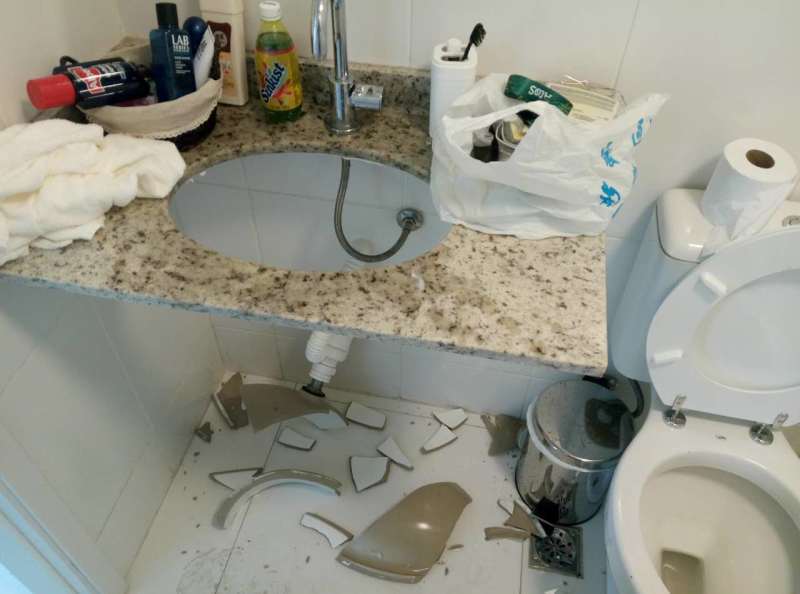
The Australian Olympic Committee and Sweden’s women’s soccer team refused to move into the athletes’ village due to problems with gas, electricity and plumbing. The United States, Italy and the Netherlands have paid to hire their own workers to fix their rooms.
© Team China @XHSports / Twitter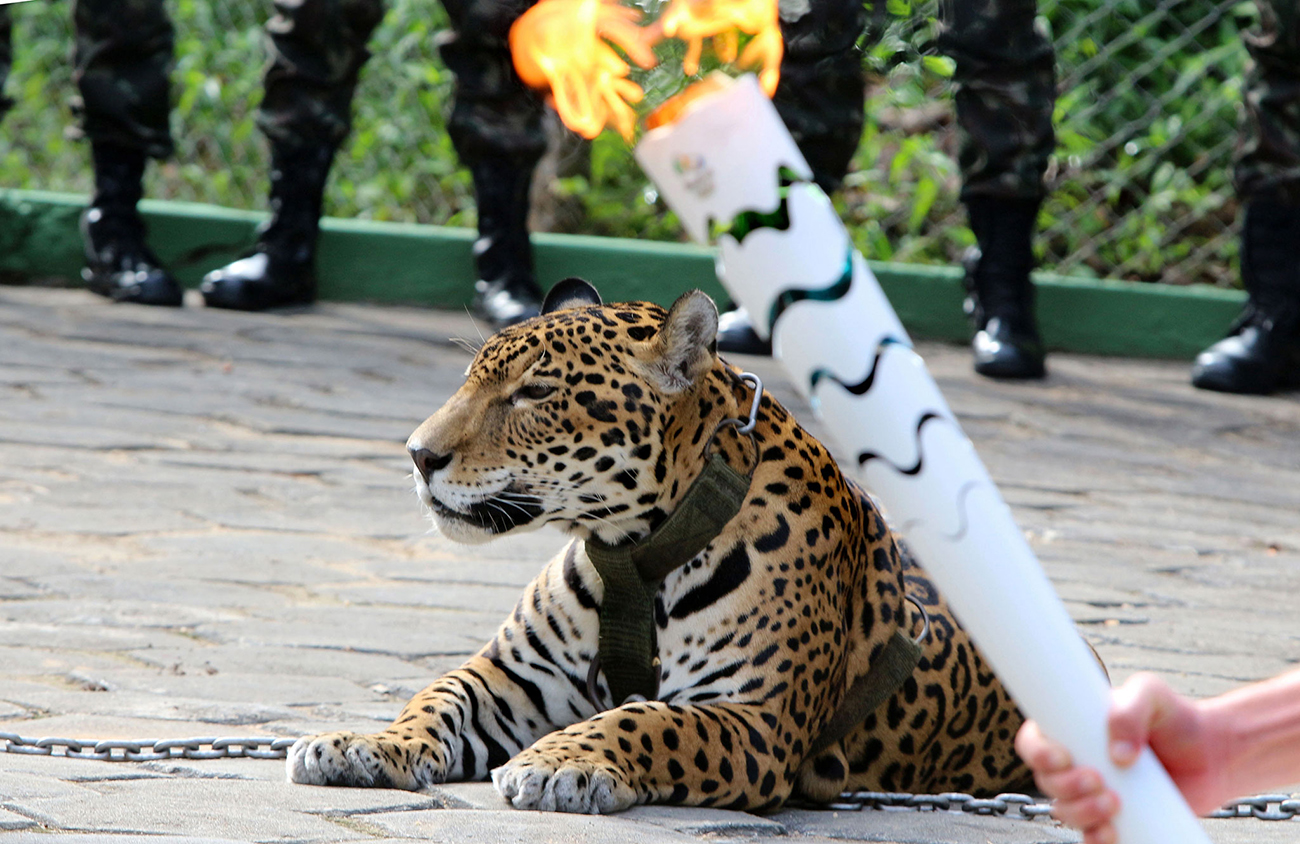
A female jaguar used in the relay in June escaped its handlers and attacked a soldier before being shot and killed. Last week, protesters stole the torch from its procession and extinguished it.
© AFP PHOTO / Jair Araujo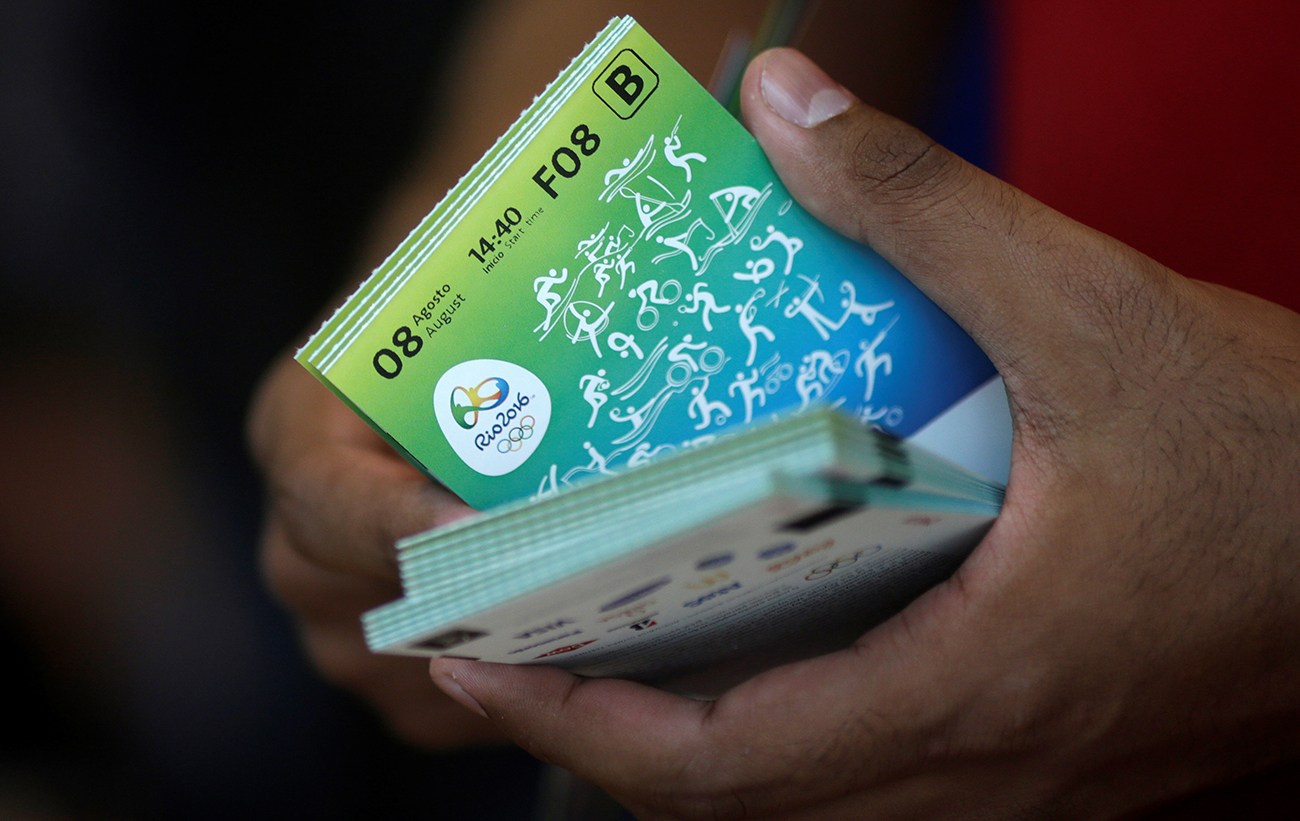
Rio expects 16 percent of its Olympics revenue to come from ticket sales. As of last week, 2 million tickets had not yet been sold. On the bright side, tickets are cheaper if you decide to go.
© Ricardo Moraes / Reuters