
15 Things That Will Cost More in 2017
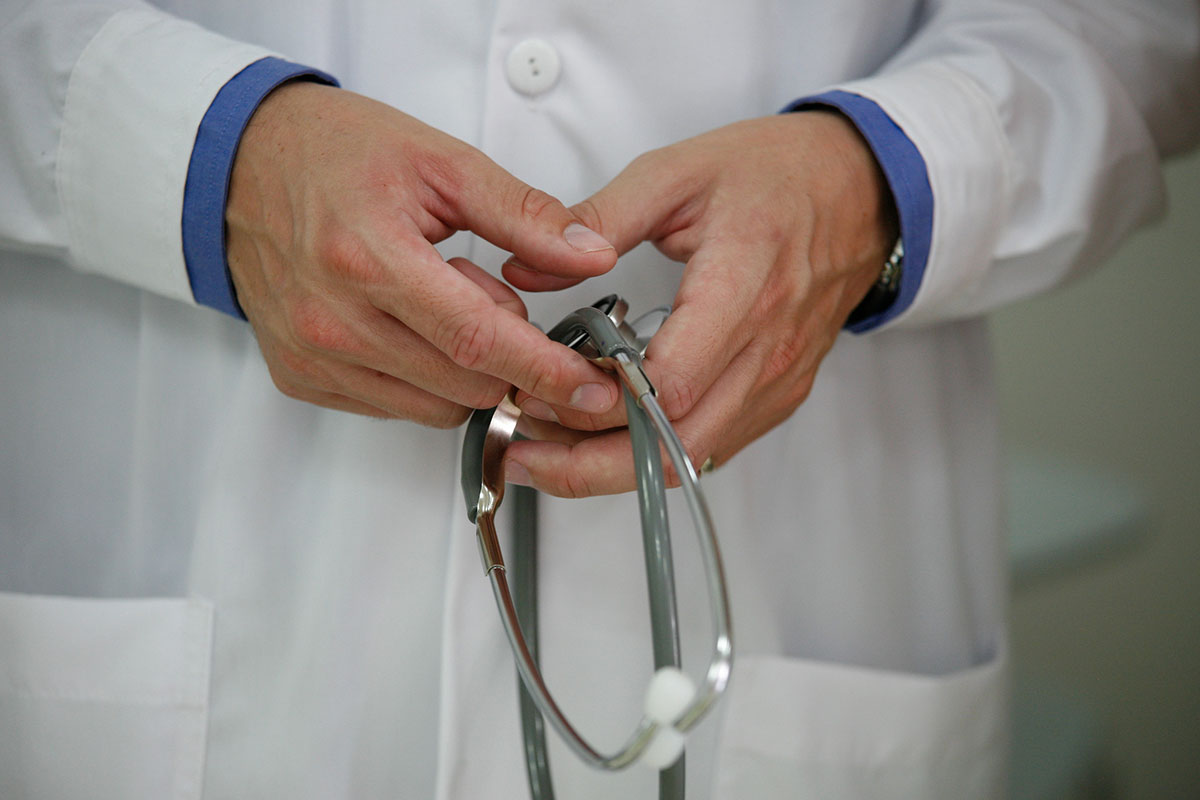
Premiums and deductibles for health insurance are going up for both those who buy their insurance through the public exchanges and those who get their insurance through work. Exchange premiums are rising an average of 25 percent, and employer-provided insurance is going up between 10 percent and 24 percent.
Flickr / Alex Proimos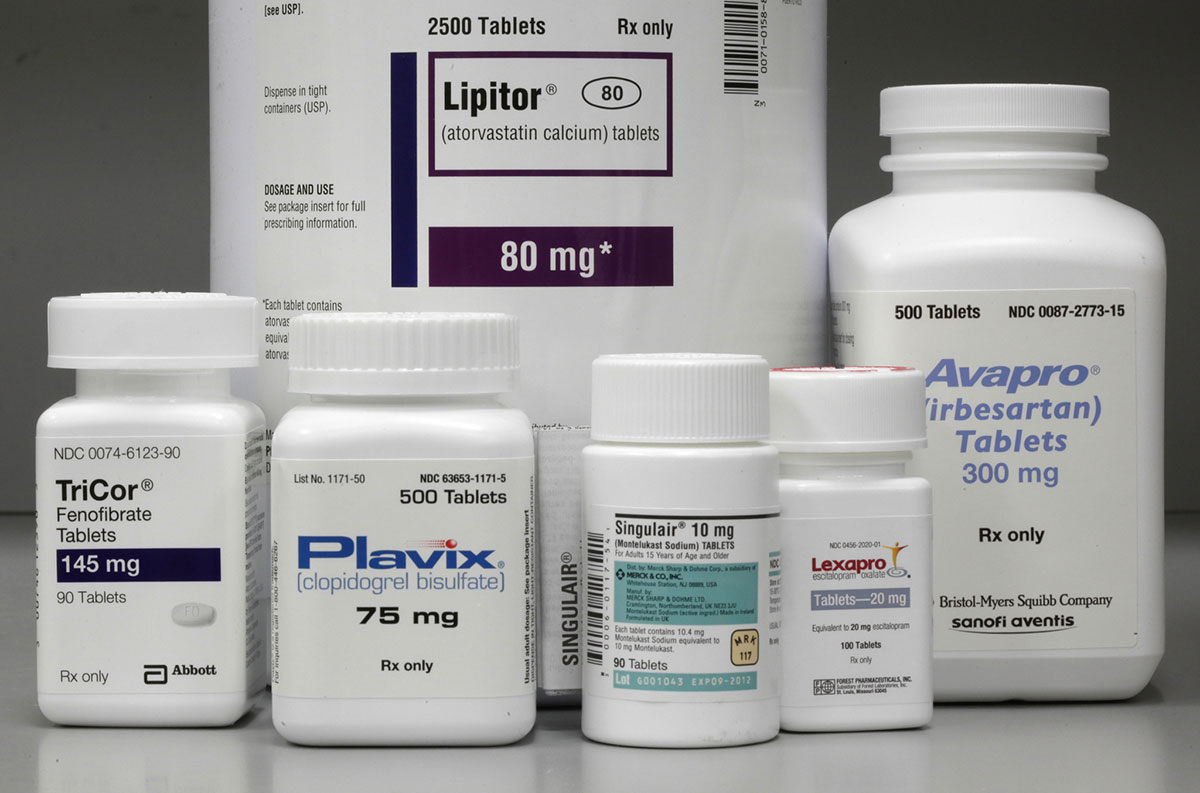
While price increases are occurring for all brand-name drugs, the hikes in specialty drugs are driving the trend. They’re projected to increase 18.7 percent next year (after growing 18.9 percent this year), according to HR consultancy Segal.
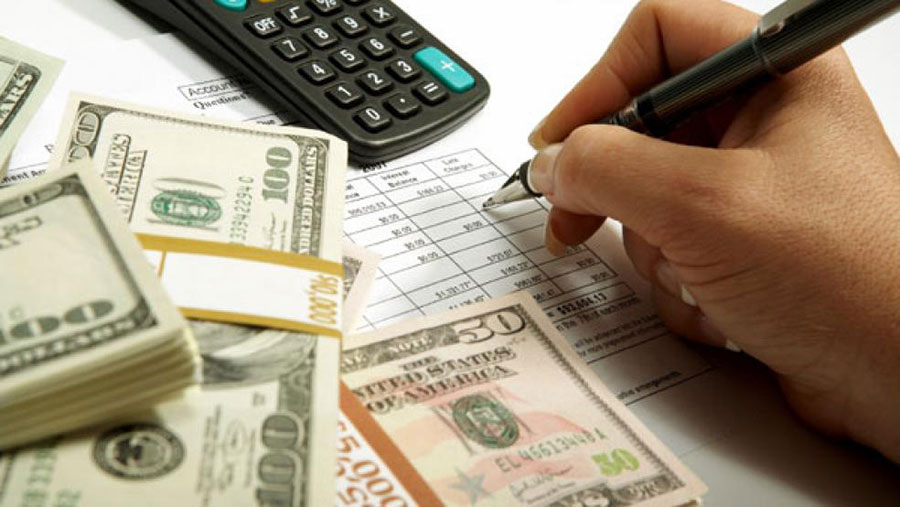
Expectations that the Federal Reserve will finally resume raising interest rates, combined with an economic plan from President-elect Donald Trump that includes less regulation and lots of infrastructure spending, has economists at Deusche Bank projecting rate increases. Interest rates for short-term Treasuries shot up after Trump’s election, selling at their highest level in eight years.
iStockphoto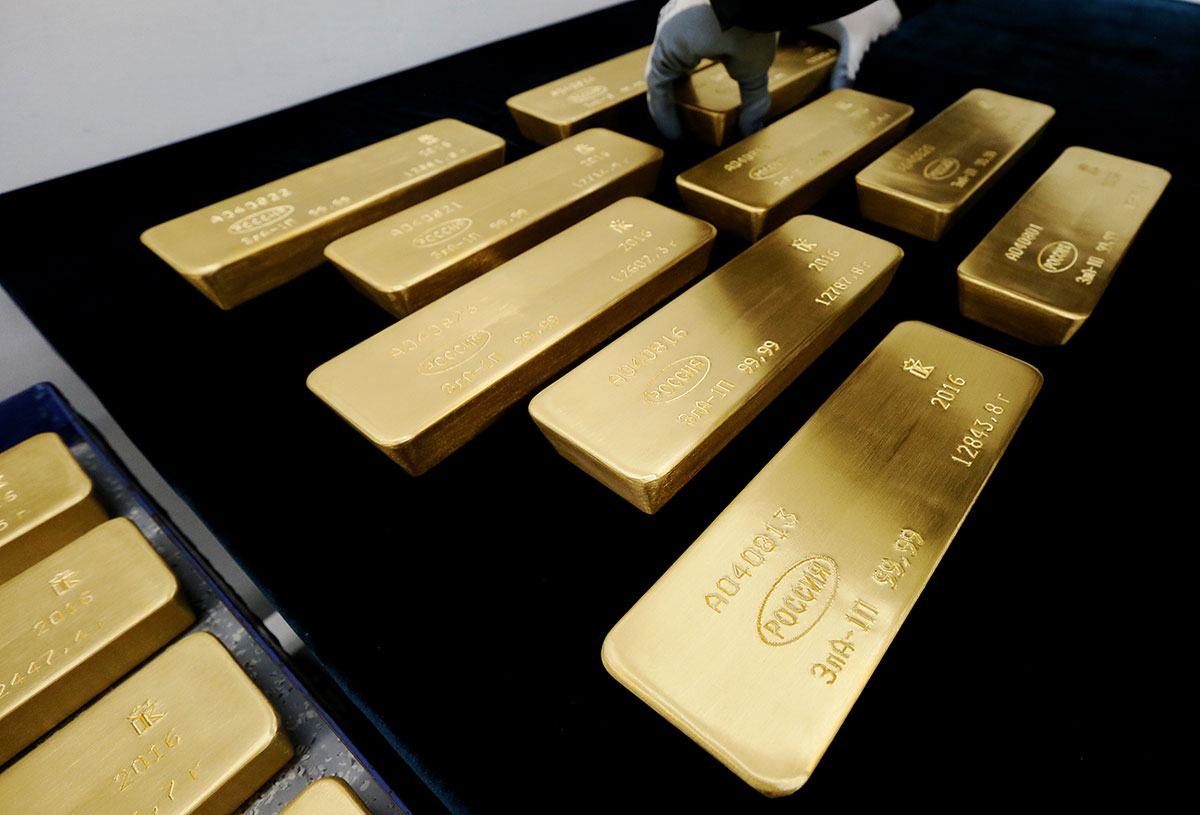
While gold prices fell in the immediate aftermath of Trump’s election, inflation concerns and potential protectionist policies could increase demand for the precious metal. Some analysts believe prices could move past $1,400 an ounce next year, up from its current price of less than $1,300.
© Ilya Naymushin / Reuters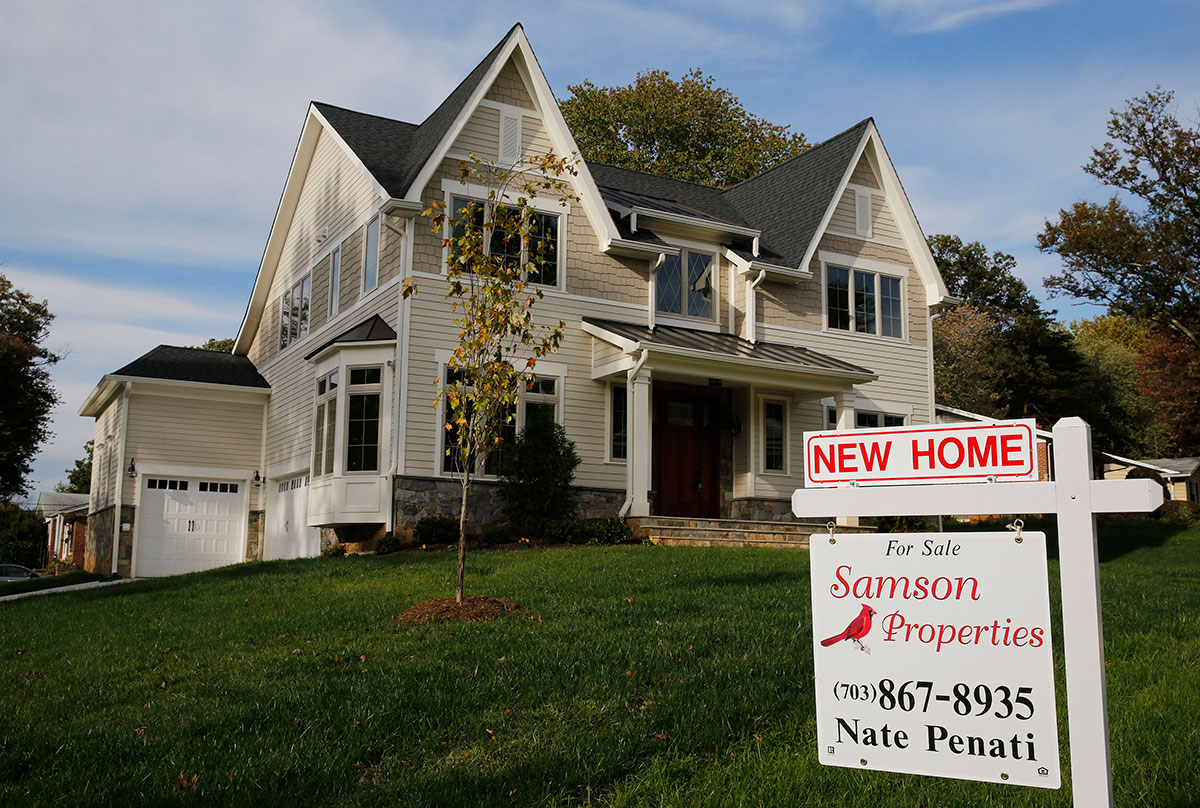
After a 6.3 percent increase over the past year, home prices are poised to go up another 5.2 percent through September 2017, according to a new report from CoreLogic. Such sustainable growth would be healthy for the housing market, which has been on a roller coaster for the past decade.
© Larry Downing / Reuters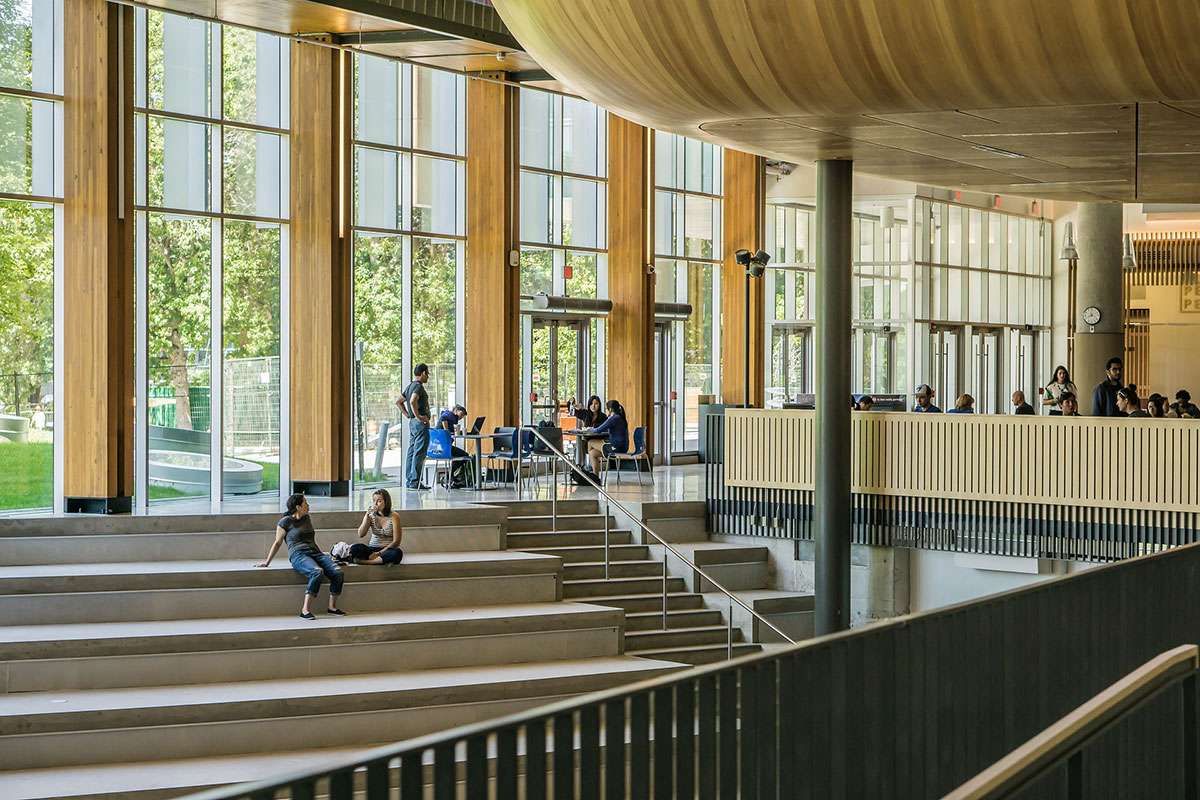
The average published tuition and fees for those attending in-state, four-year public college in 2016-2017 increased 2.4 percent before inflation, to $9,650. The rates for out-of-state students and those attending private college went up 3.6 percent to $24,930 and $33,480, respectively.
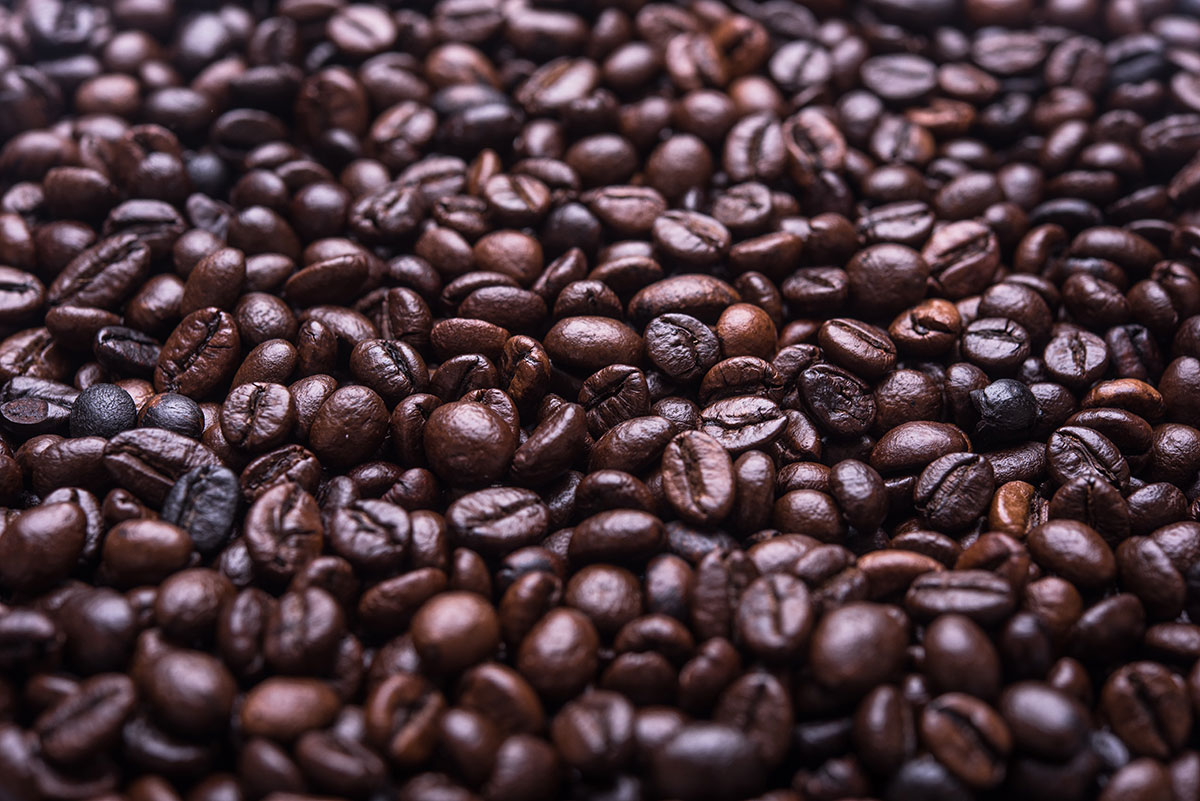
Consumers across the globe are guzzling more caffeine, and that demand for java is pushing prices to all-time highs. Those prices are unlikely to fall soon, given that consumption has exceeded production for the past two years
Unsplash
Wholesale prices of lobsters hit their highest price in 10 years in September, as demand grew for processed lobster meat, used in things like the lobster rolls popular at food trucks. Higher demand from Asia for New England lobster is pushing prices up even further.

If you want to visit a theme park during peak season, it’s going to cost you more next year. Large parks, such as Disneyworld and Universal Studios Hollywood, are moving toward “dynamic pricing,” which costs guests more during popular times.
© Aly Song / Reuters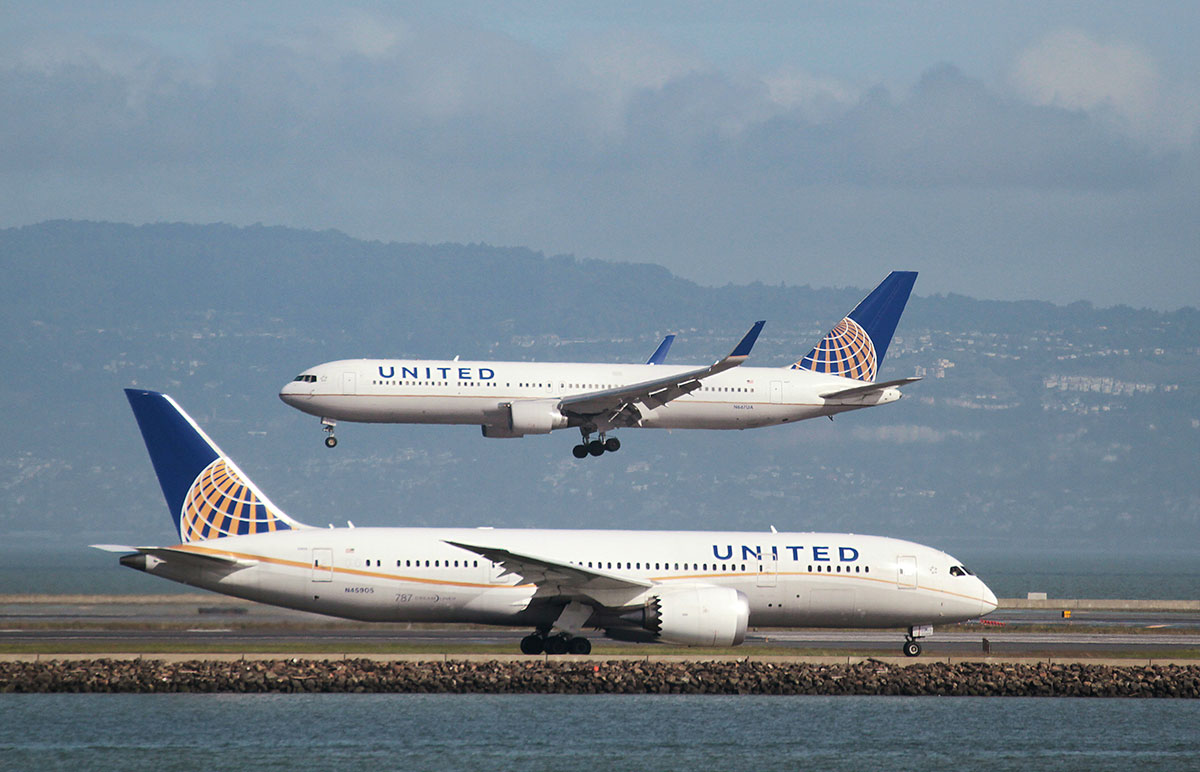
While low oil prices may continue to push fares down, airlines will continue to make up that revenue through increased fees, according to the Global Business Travel Association. Prices for North American fares are projected to go up 3.7 percent next year.
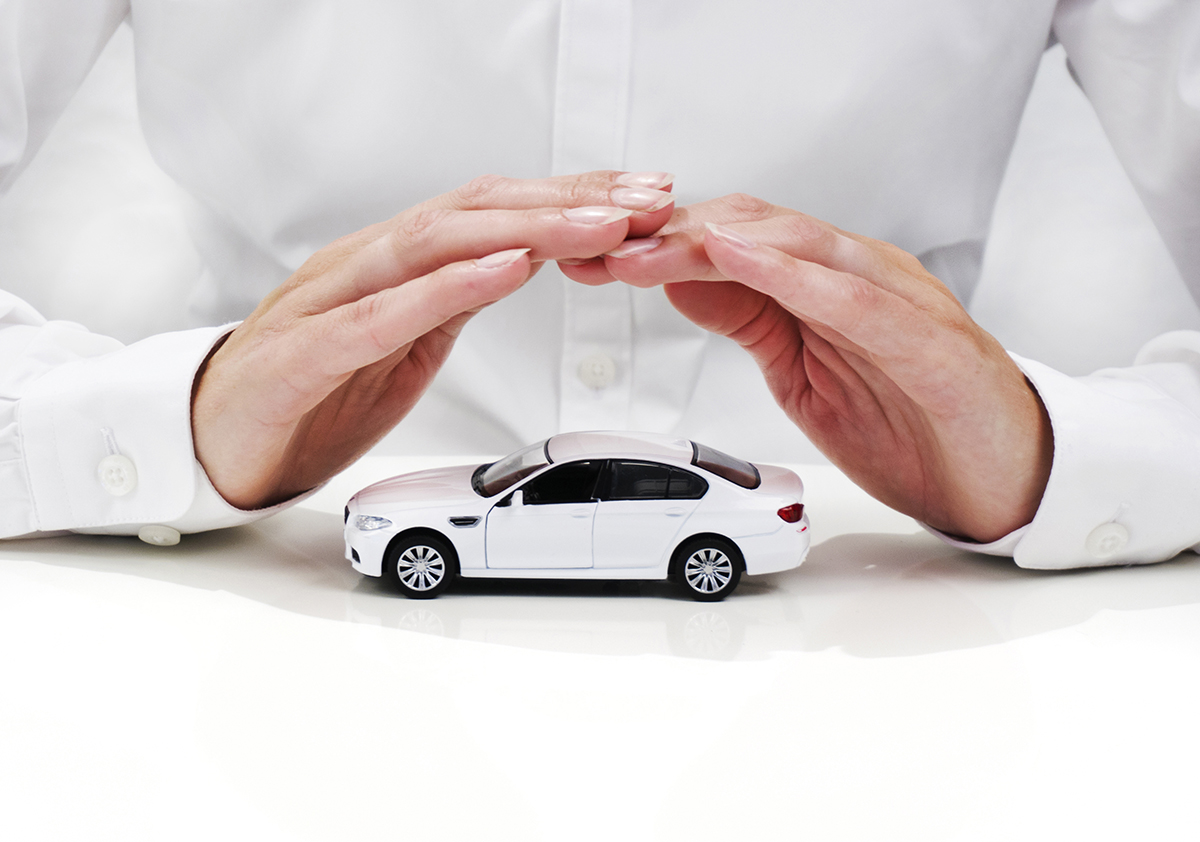
As low gas and a strong economy has more people driving, the likelihood of getting into an accident has also risen, pushing up the cost of auto insurance this year by nearly 10 percent. Those factors aren’t likely to change next year, which means insurance costs should continue to rise.
Flickr
It’s going to cost more to eat in and to dine out in 2017, according to projections by the U.S. Department of Agriculture. The agency is projecting that prices will go up 1.5 percent to 2.5 percent next year, led by increased costs in restaurants.
© Issei Kato / Reuters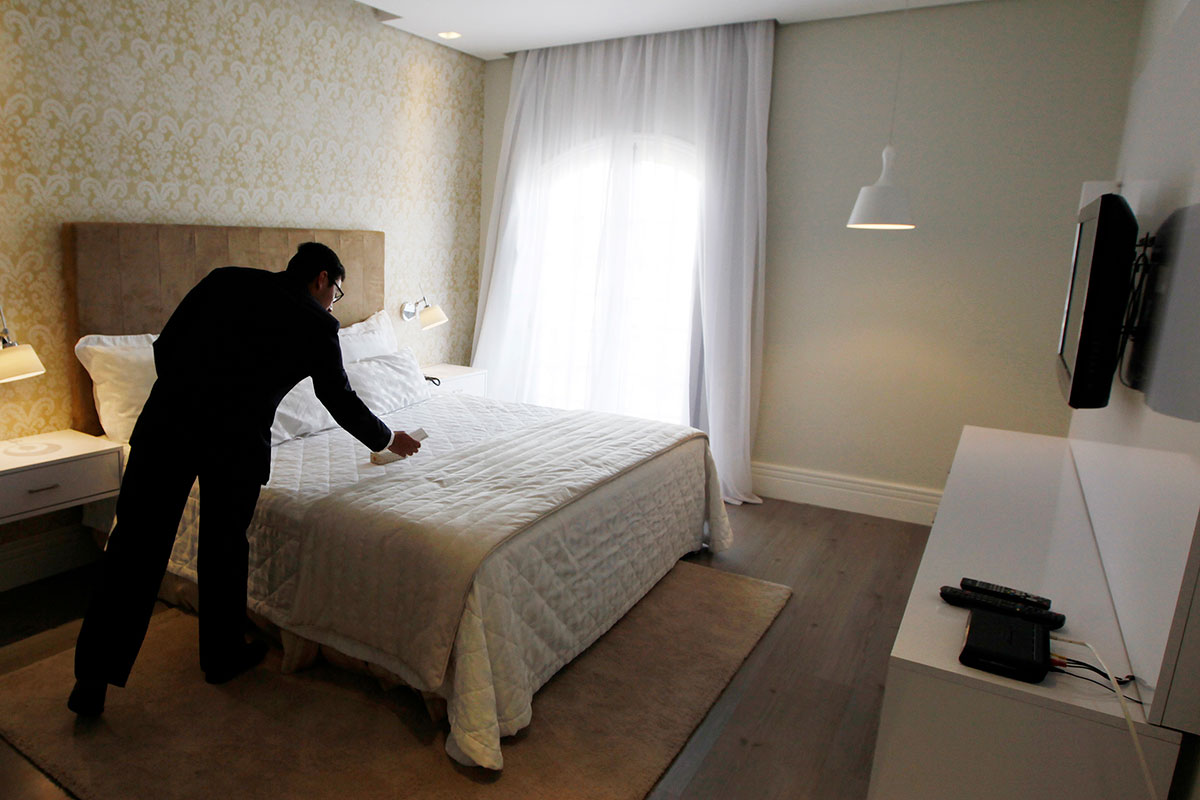
Recent hotel mergers aren’t pushing prices any lower for consumers. Prices for North American hotel rooms are projected to go up 4 percent in 2017, and the increase will be even larger on the West Coast, according to the Global Business Travel Association.
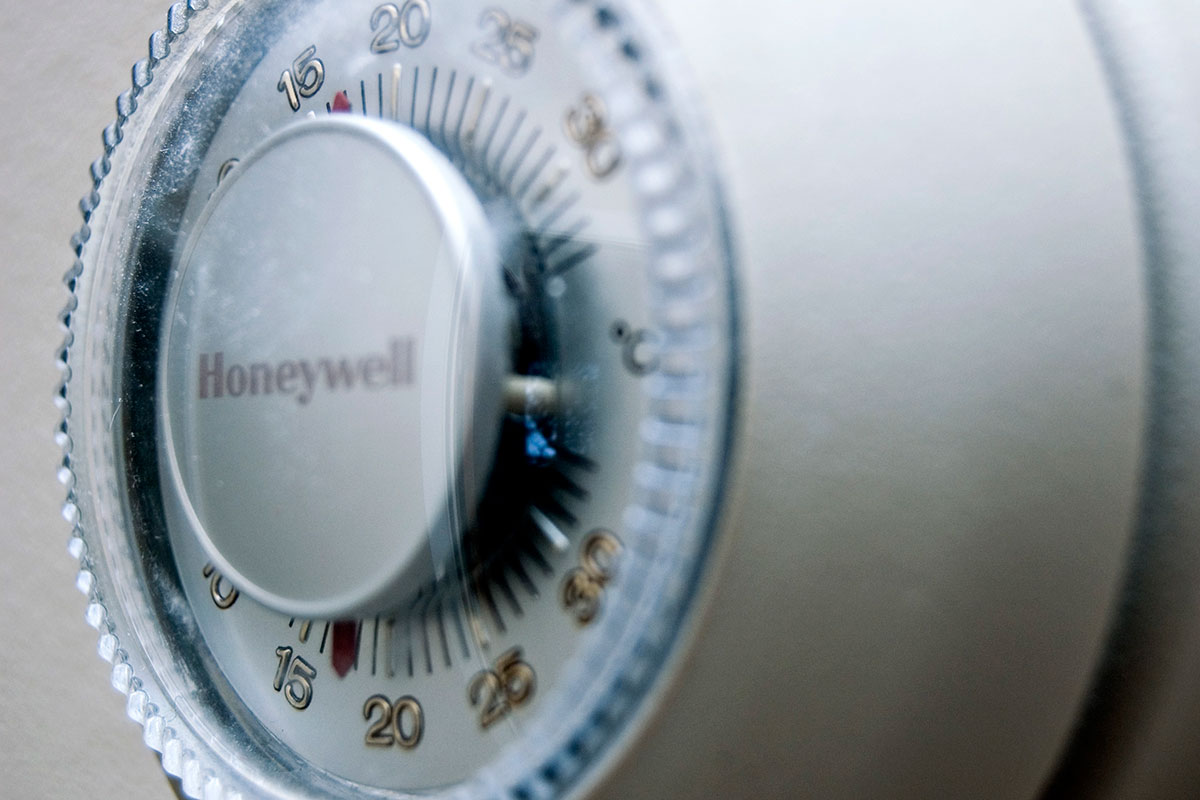
Colder temperatures and higher fuel costs will raise the average homeowner’s heating bill this winter, although you’ll still be paying less than the historic norm. Analysts at U.S. Energy Information Administration estimate that the average household using heating oil will pay 38 percent more than last winter. Costs will go up 26 percent for propane, 22 percent for natural gas, and 5 percent for electricity.
Flickr / cocabong0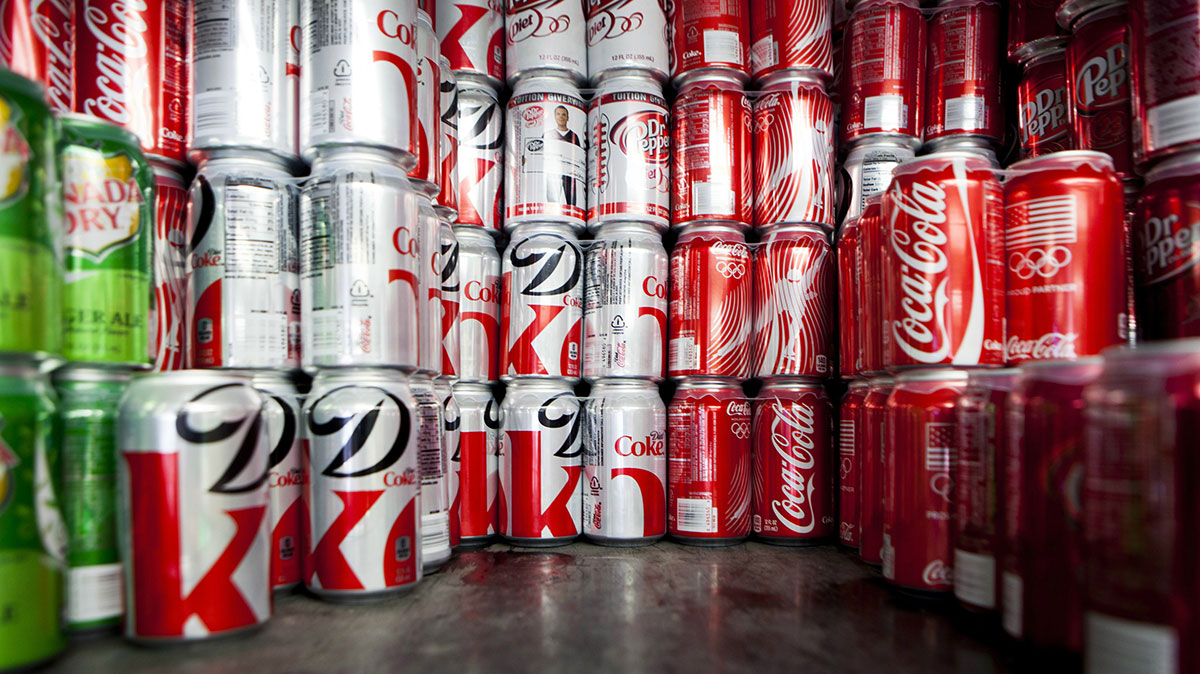
Following a decade of declining consumption, soda manufacturers have been raising prices in order to make up for the lower demand. On top of that, soda taxes have been bubbling up in a growing number of cities, with recent approvals in a handful of cities that could lead to more municipalities following suit.
Reuters / Sam Hodgon