
The 15 Unhealthiest States in America

Florida fell three spots on this year’s list, to 36th. The state has seen an 8 percent decline in its immunization rate for young children over the past year.
Strengths: Low levels of air pollution; low incidence of pertussis; low rate of cardiovascular deaths.
Challenges: Low percentage of high school graduation; high percentage of children in poverty; high percentage of population without insurance.
* Rankings are from the United Health Foundation’s annual report for 2016.
© Carlo Allegri / Reuters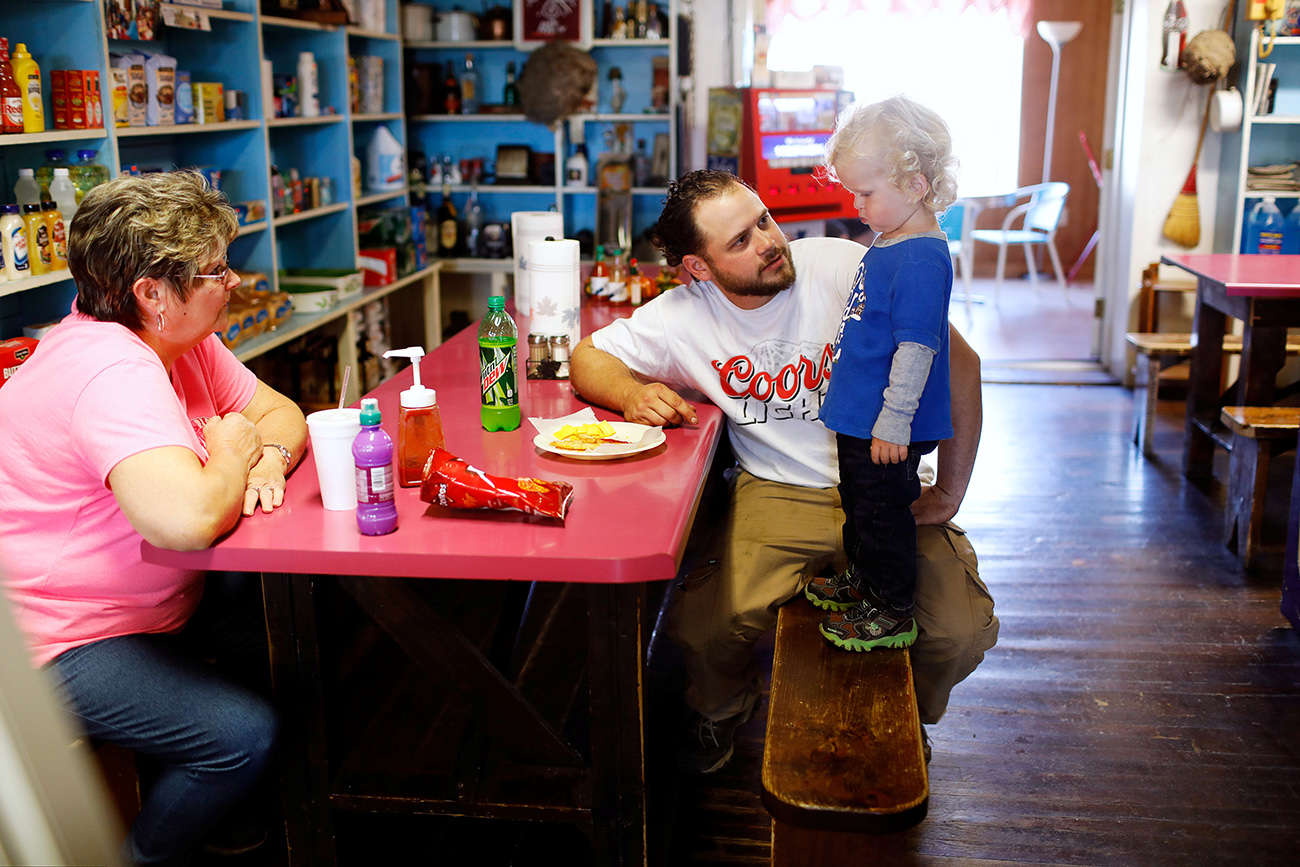
Missouri fell one spot this year, to 37th place. Excessive drinking in the state increased 10 percent over the past year, and obesity grew 7 percent. The rate of diabetes also grew 20 percent.
Strengths: High percentage of high school graduation; low percentage of children in poverty; small disparity in health status by educational attainment.
Challenges: High prevalence of smoking; lower number of dentists; high prevalence of frequent physical distress.
© Whitney Curtis / Reuters
New Mexico has the lowest high school graduation rate in the country, significant from a health perspective because adults without a high school diploma have a life expectancy at least four years shorter than those that have one, and nine years shorter than college graduates. The state also has the highest percentage of children in poverty. Children who grow up in poverty are more likely to engage in risky or unhealthy behaviors, according to the report.
Strengths: Low prevalence of excessive drinking; low levels of air pollution; low rate of cancer deaths.
Challenges: High rate of drug deaths; low percentage of high school graduation; high percentage of children in poverty.
Wolfgang Staudt
Indiana moved up slightly on this year’s list, from 41st to 39th healthiest. While overall rates of smoking and obesity are decreasing in Indiana faster than across the nation, they’re growing faster among adults who didn’t graduate from high school. Drug deaths in the state have gone up 27 percent in the past five years.
Strengths: High percentage of high school graduation; low incidence of Salmonella; small disparity in health status by educational attainment.
Challenges: High levels of air pollution; lower numbers of dentists; high infant mortality rate.
Wikimedia
Ohio dropped one spot this year to rank as the 40th healthiest state. Over the long term, health in Ohio is getting worse. In 2006 the state was the 26th healthiest in the country. Among the mounting problems in the Buckeye State: Drug deaths in have skyrocketed 51 percent in the past three years.
Strengths: Low incidence of Salmonella; low percentage of population without insurance; high number of primary care physicians
Challenges: High prevalence of smoking; high levels of air pollution; high infant mortality rates
© ERIC THAYER / Reuters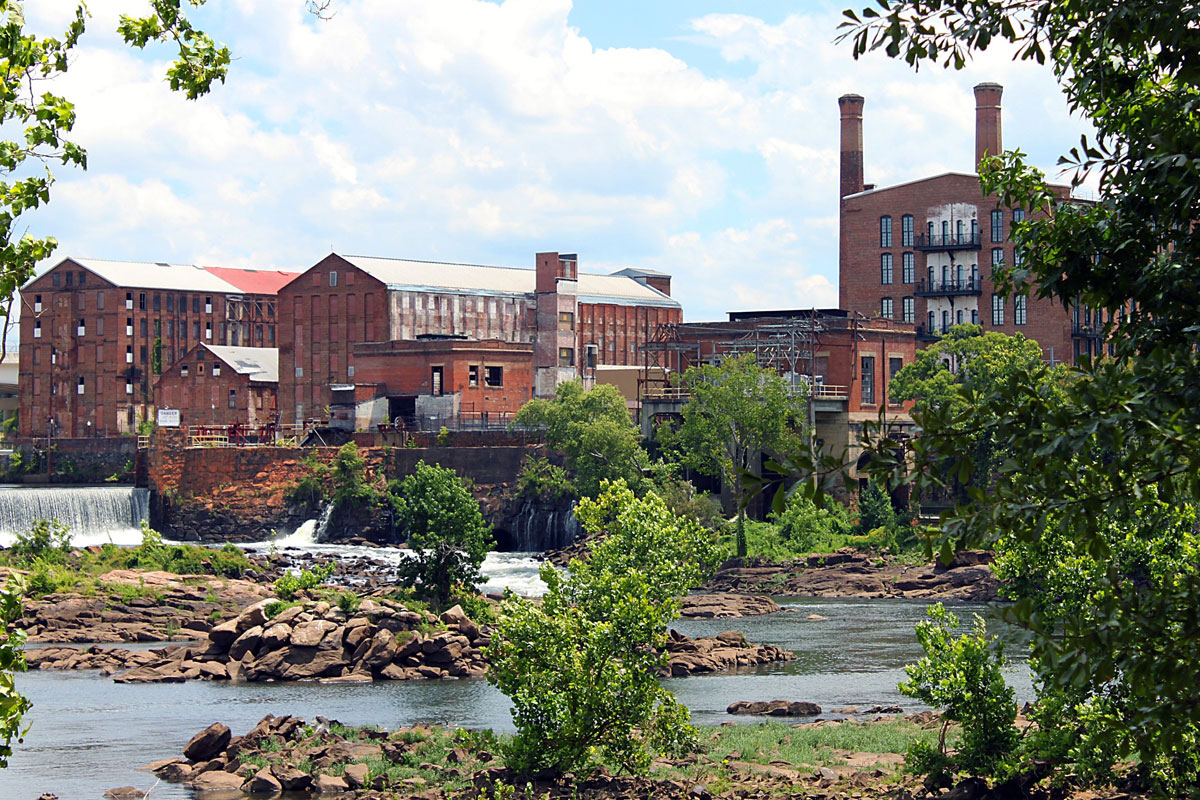
Georgia fell one spot to become the 41st healthiest state in the country. In the past year, physical inactivity among adults in Georgia increased 16 percent, and the percentage of children in poverty has grown 75 percent in the past 15 years.
Strengths: Low rate of drug deaths; low incidence of pertussis; high immunization coverage among children.
Challenges: High percentage of children in poverty; high percentage of population without insurance; high prevalence of low birthweight
Flickr / rogue2408
South Carolina maintained its spot as the 42nd healthiest state. The state has seen a decrease in both childhood immunization rates and infant mortality rates over the past year. It has the second-highest rate of infectious diseases.
Strengths: Low prevalence of excessive drinking; low incidence of pertussis; low rate of preventable hospitalizations.
Challenges: High incidence of infectious diseases; low immunization coverage among adolescents; high prevalence of low birth weight
© Randall Hill / Reuters
While it still remains among the 10 unhealthiest states, West Virginia showed notable improvement over the past year, rising four spots to a rank of 43 this year. The state has the highest rate of drug deaths in the country. It also has the highest percentage of adults reporting frequent recent mental health issues.
Strengths: Low prevalence of excessive drinking; low incidence of infectious disease; low percentage of population without insurance.
Challenges: High rate of drug deaths; high prevalence of smoking; low immunization coverage among children.
Flickr / gene1138
Tennessee feel one spot on the list to rank as the 44th healthiest state. While the prevalence of smoking did fall slightly in the past five years, it’s falling at the slowest average rate of any state. The state is also experiencing a rapid annual increase in obesity rates.
Strengths: Low prevalence of excessive drinking; high percentage of high school graduation; small disparity in health status by educational attainment.
Challenges: High prevalence of smoking; high violent crime rate; high prevalence of frequent physical distress.
© Harrison McClary / Reuters
Kentucky dropped one place on this year’s list to rank as the 45th healthiest state. Kentucky has the highest smoking rate in the country and the highest rate of preventable hospitalizations. Obesity there increased nine percent in the past year.
Strengths: High percentage of high school graduation; low violent crime rate; small disparity in health status by educational attainment.
Challenges: High prevalence of smoking; high rate of cancer deaths; high prevalence of frequent physical distress.
Flickr / Anthony
Oklahoma slipped one spot on the list this year as the 46th healthiest state. It has a higher rate of smoking than most states. Drug deaths there have gone up 11 percent in the past three years.
Strengths: Low prevalence of excessive drinking; low incidence of pertussis; small disparity in health status by educational attainment.
Challenges: High prevalence of smoking; high percentage of population without insurance; high premature death rate.
Flickr / Larry Smith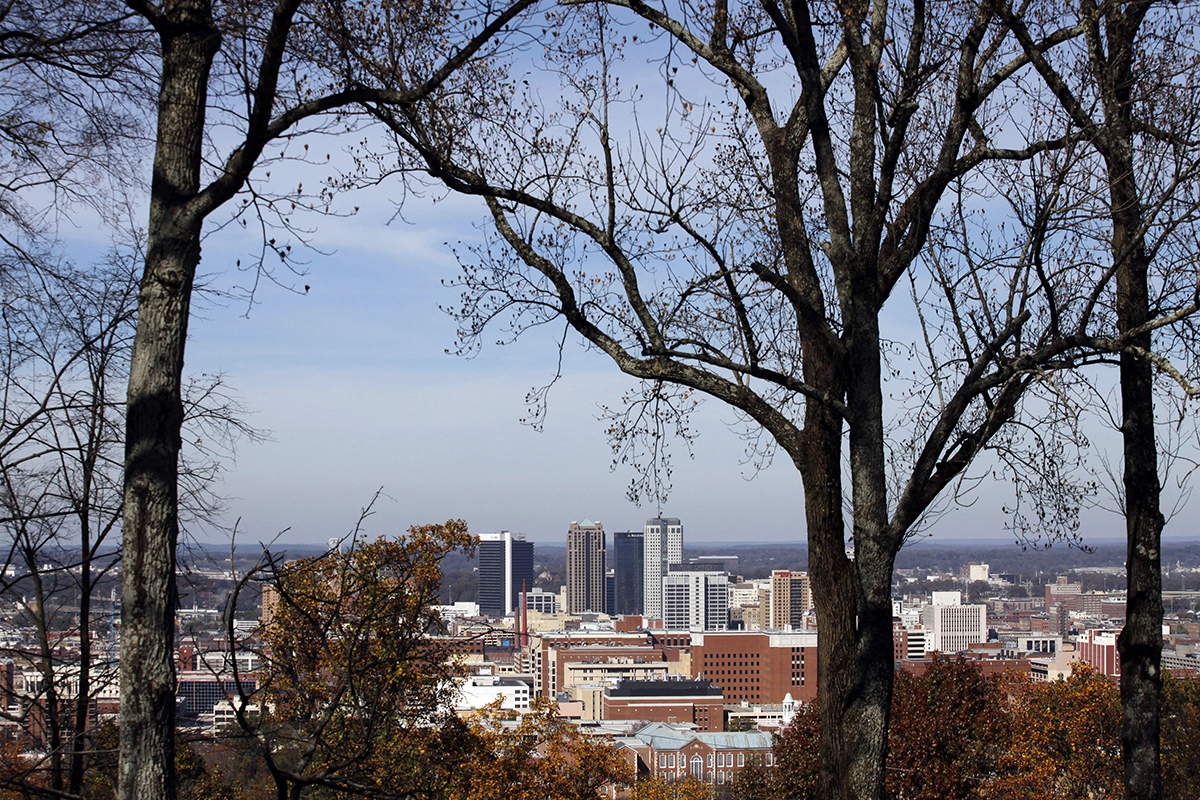
Alabama fell one spot on this year’s ranking, to 47th. In the past two years, drug deaths in the Cotton State increased 12 percent. Physical inactivity is also on the rise, growing 16 percent over the past year.
Strengths: Low prevalence of excessive drinking; high percentage of high school graduation; high Tdap immunization coverage among adolescents.
Challenges: High prevalence of smoking; high prevalence of low birthweight; high infant mortality rate.
© Carlos Barria / Reuters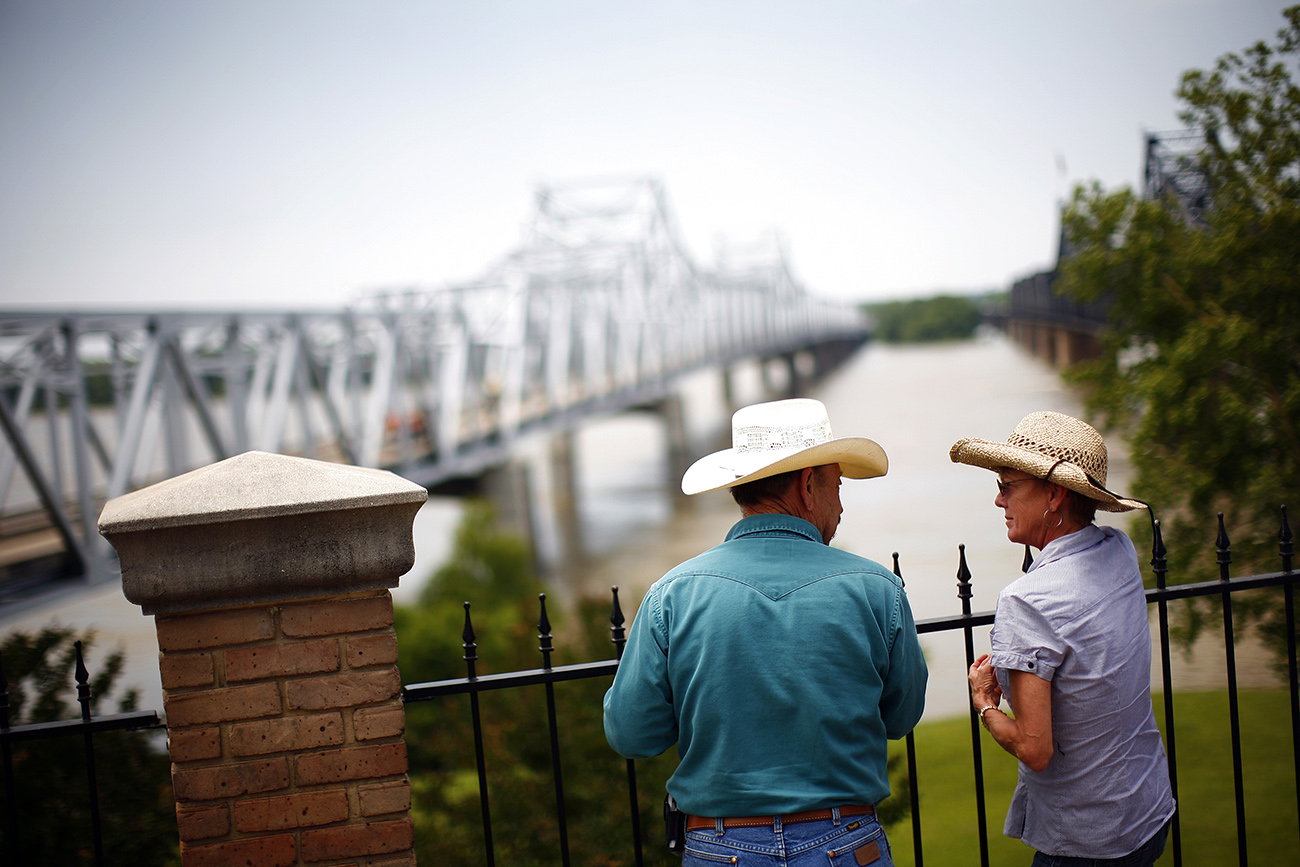
Arkansas maintained its spot as the 48th healthiest state in the country. On average, Arkansas is experiencing slower decreases in smoking and faster increases in obesity than the rest of the country. The state has the fewest dentists per capita, which relates to public health since periodontal disease is associated with diabetes, cardiovascular disease and other health issues.
Strengths: Low prevalence of excessive drinking; high Tdap immunization coverage among adolescents; small disparity in health status by educational attainment.
Challenges: High prevalence of obesity; high prevalence of smoking; high prevalence of frequent mental distress.
© ERIC THAYER / Reuters
Louisiana has the highest obesity rate (36.2 percent) in the country. It ranks 50th for senior health and 48th for the health of women and children. In the past four years, public health funding in the Pelican State fell 28 percent.
Strengths: Low incidence of pertussis; high meningococcal immunization coverage among adolescents; small disparity in health status by educational attainment.
Challenges: High prevalence of obesity; high prevalence of low birth weight; high infant mortality rate.
Wikimedia
Mississippi and Louisiana swapped places this year, with Mississippi residents having the most health challenges in the country. Both states scored far lower than the other three states in the bottom five -- Arkansas, Alabama and Oklahoma. Mississippi has ranked in the bottom three states since UnitedHealth started ranking the states in 1999.
Strengths: Low rate of drug deaths; low prevalence of excessive drinking; small disparity in health status by educational achievement.
Challenges: High prevalence of smoking; high percentage of children in poverty; high prevalence of low birth weight.
© ERIC THAYER / Reuters