
The 10 Biggest Hits From the 2017 Detroit Auto Show
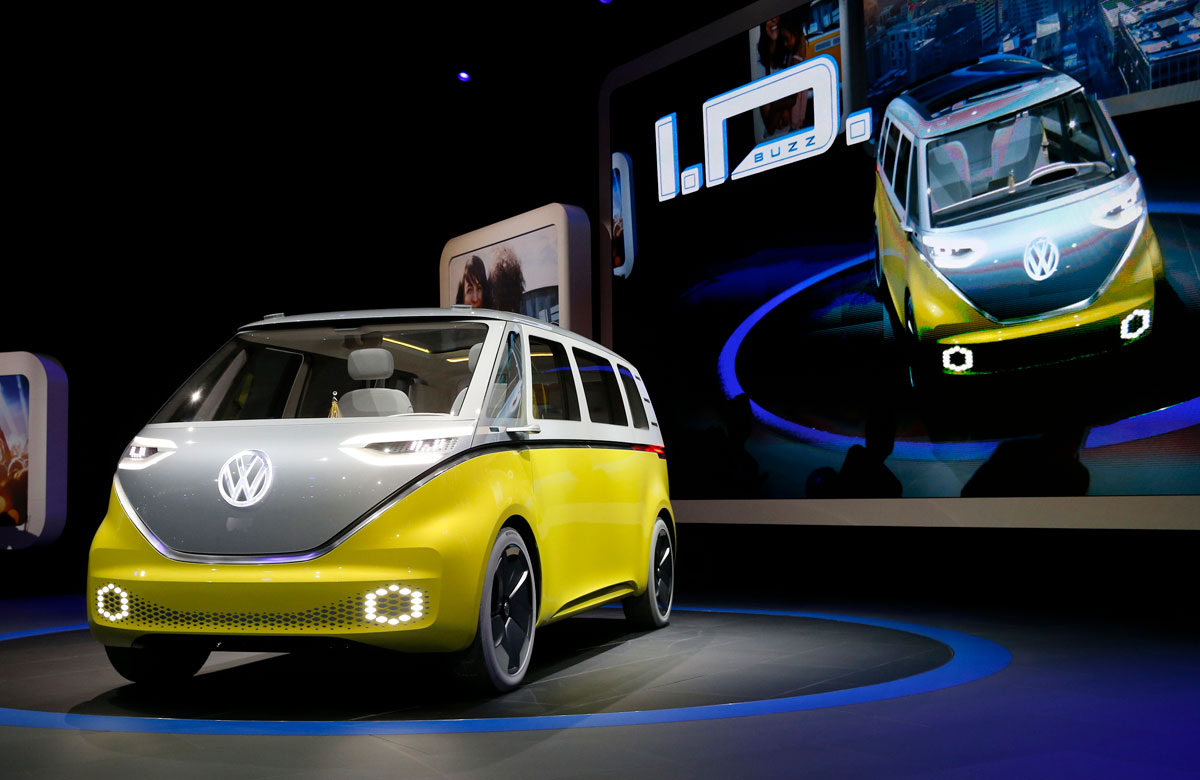
Clearly the "gee-whiz" hit of the show, this all-electric microbus uses wireless charging, gets a range of 270 miles and seats eight. It was the most futuristic-looking vehicle unveiled and can be driven either in a manual mode or a fully autonomous "I.D. Pilot" mode, in which the driver's seat can be turned to face the rear, allowing for passengers to more easily carry on a conversation.
The design is a nod to the nostalgic VW bus and the bug, but the vehicle has a very contemporary feel that's whimsical and carefree. By 2025, Volkswagen expects to be selling 1 million of these fully connected, all electric vehicles. If a version of the BUZZ ultimately does hit the road, that will be exciting news. For now, it's a very cool package embodying what the future could hold.
© Brendan McDermid / Reuters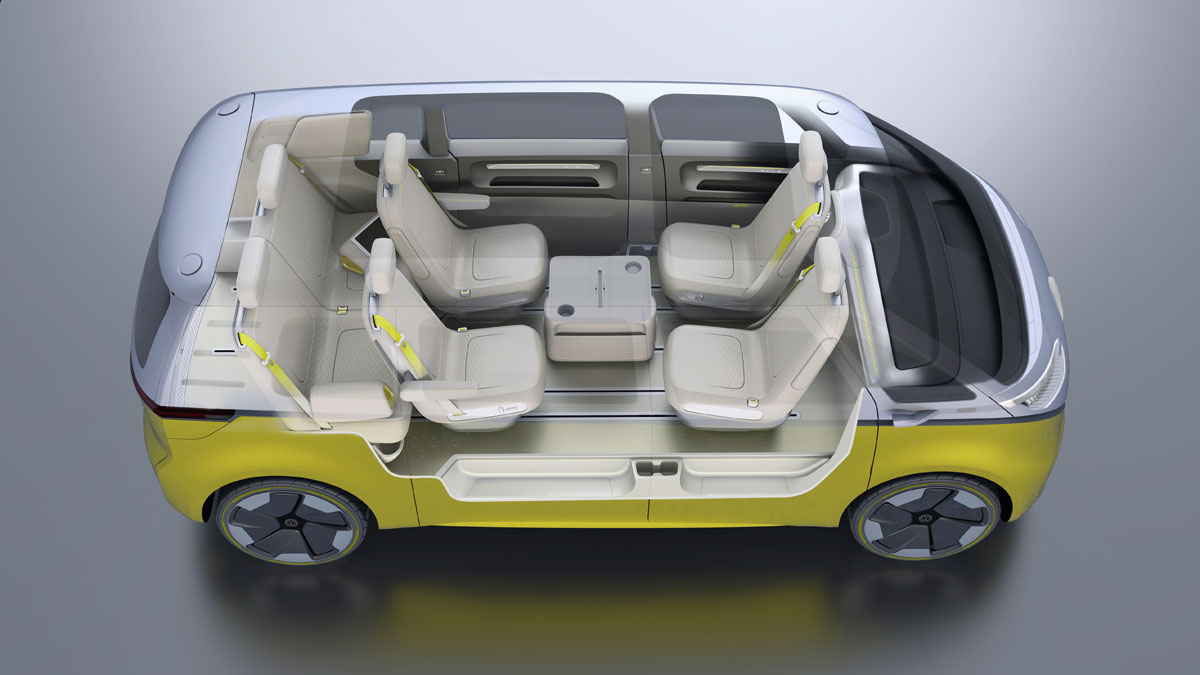
Adding to the VW Buzz's feel of a mobile living room, the steering wheel can be retracted into the dash, and the battery is in the floor, providing ample interior space.
Volkswagen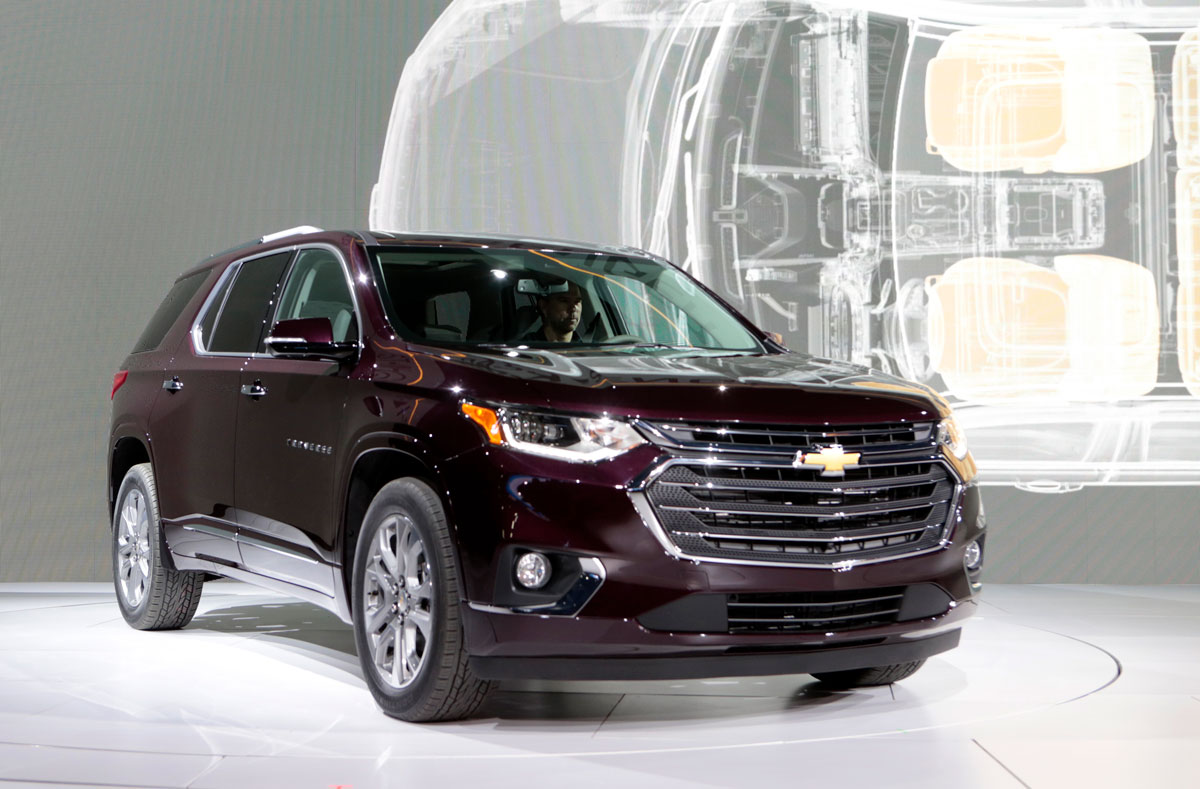
This is a crucial redesign for Chevrolet. It expands Chevy’s portfolio into the mid-sized crossover segment, where it hadn't previously competed, allowing it a chance to gain market share.
The new Traverse has a more staid look, representing a theme of conservatism reflected in many of the crossovers. But what it lacks in exciting design it makes up for in features. This Traverse includes a third row and comfortably seats eight adults.
© Rebecca Cook / Reuters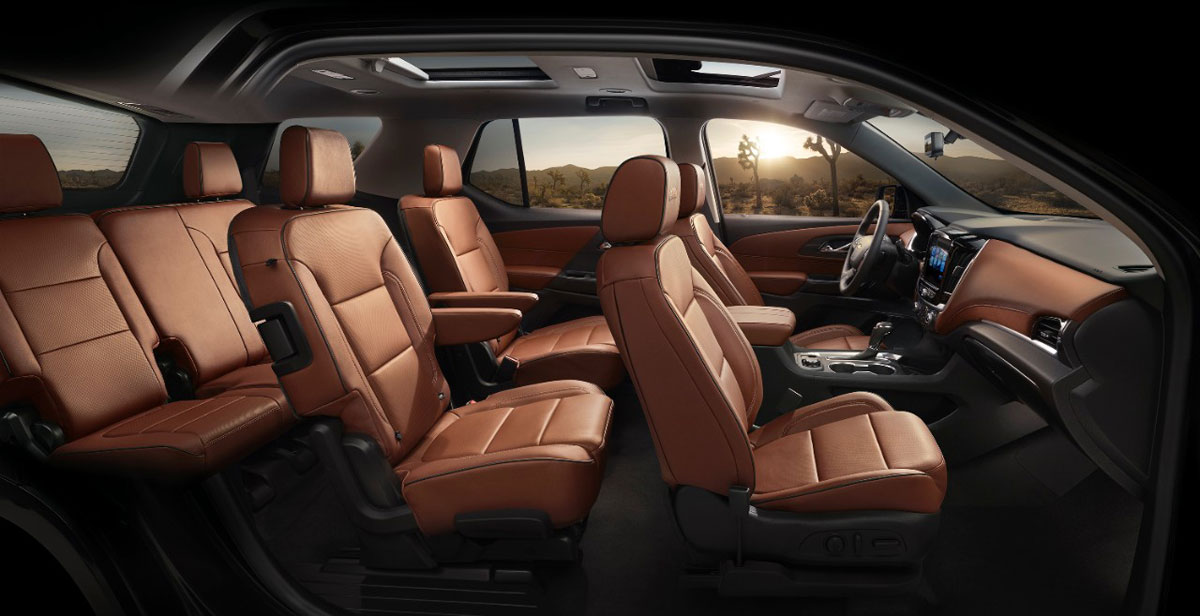
A split-folding second row seat in the Chevy Traverse moves forward even when containing a child seat, allowing easy access to that third seat. There are 24 "cubbies" for storage space, as well as a reminder that lets you know if you've left something in the back seat.
Chevrolet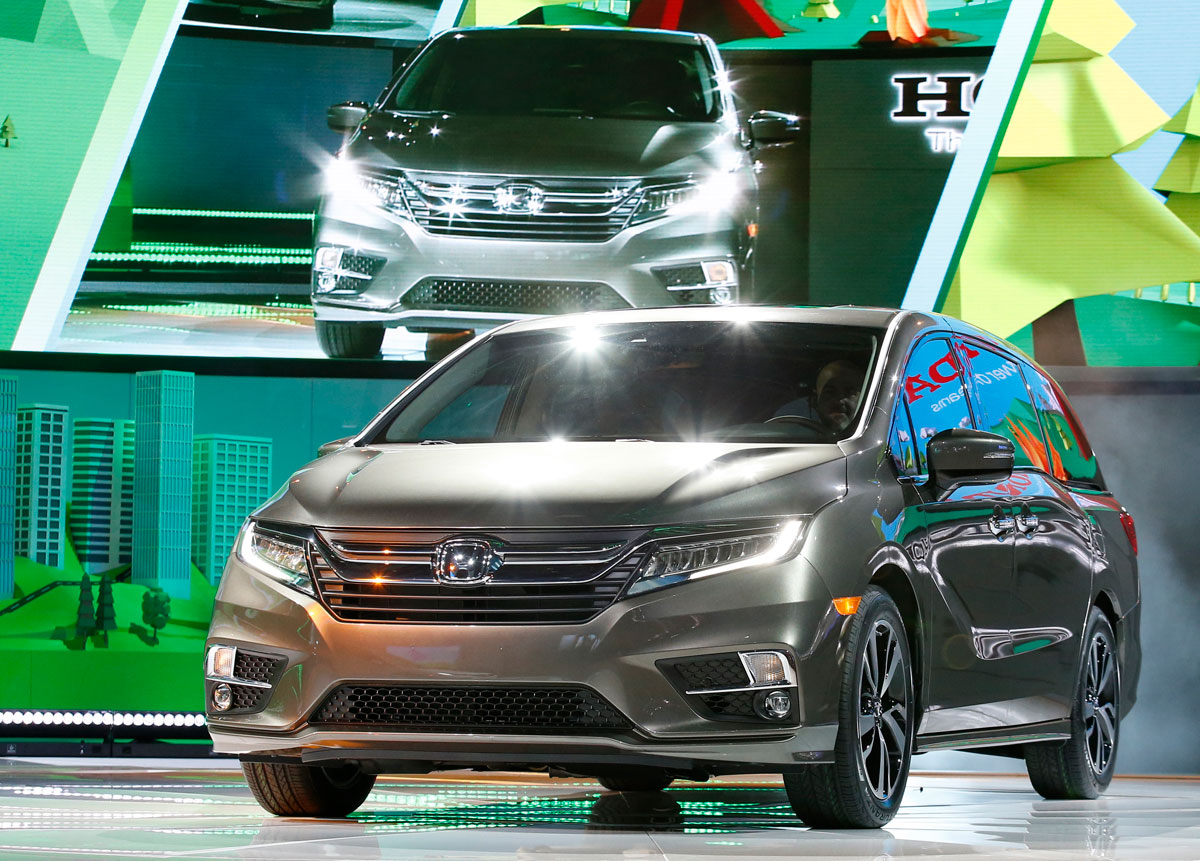
The success of Chrysler's 2017 Pacifica, which was named best utility vehicle of the year at the show, has breathed new life into the minivan segment. The Odyssey has been the best-selling minivan among U.S. retail customers for eight straight years. Honda is hopeful that with millennial families starting to enter the minivan market, the new Odyssey will be poised to continue dominating the segment.
Based on its family-friendly design and features, this minivan has the potential to make that happen. The sloping and deep front windshield allows for maximum visibility — key when squabbling siblings in the back seats hold the potential for distraction. There's a Magic Slide second row seat that can be placed either side to side or backward for convenient access to the third seat.
© Brendan McDermid / Reuters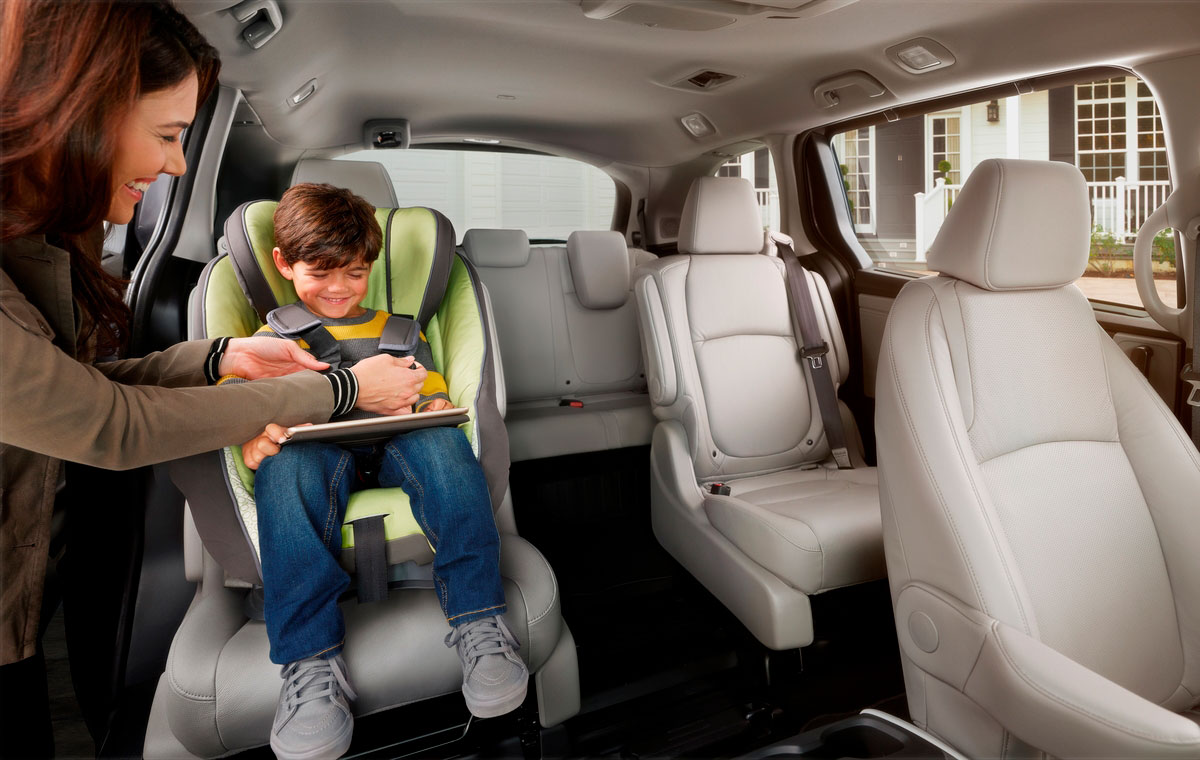
A quiet cabin in the Honda Odyssey makes it easy for parents to communicate with passengers in the third seat, who in the past may have felt left out. Mom and Dad also have the ability to get a view of the second and third row passengers on an eight-inch display screen. There's also 4G LTE Wi-Fi connectivity and a new Rear Entertainment System with streaming video to keep kids occupied.
Honda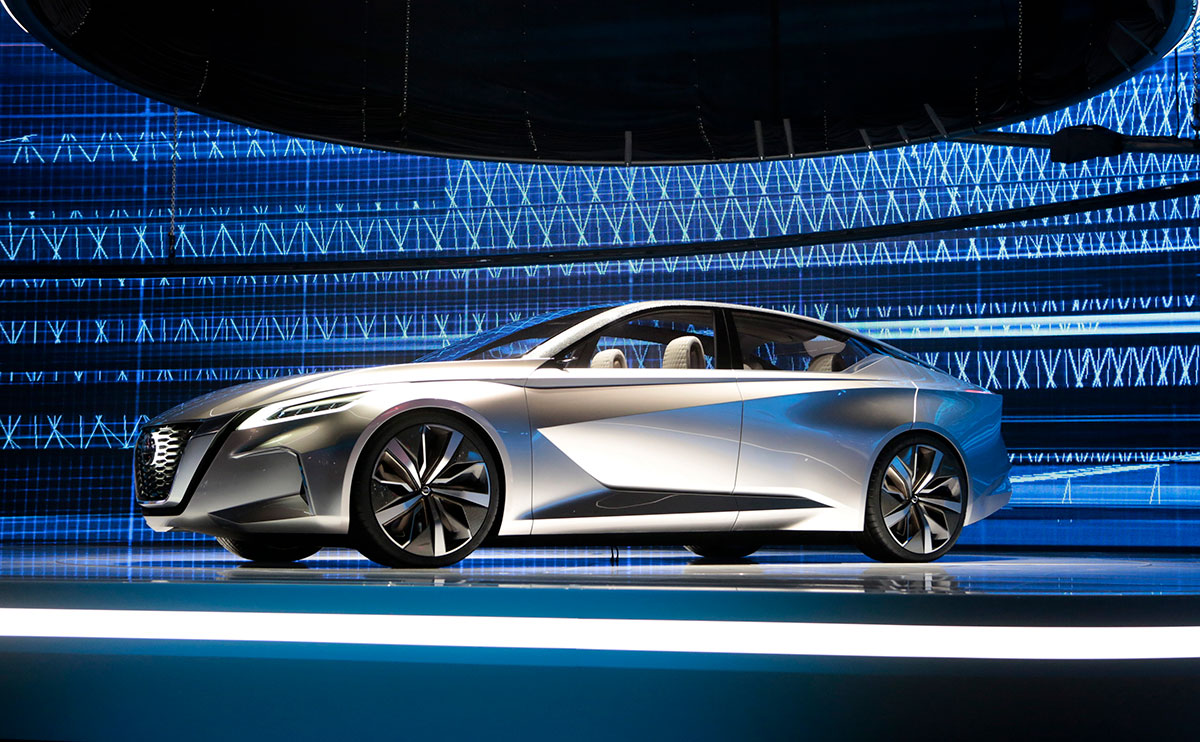
Packing plenty of "wow" factor, this futuristic vehicle is intended to be an expression of where Nissan's sedans will go. Displayed in shimmery silver, the bold lines and sizzling front grill ooze sophistication. A dramatic V shape surrounds the Nissan badge. Diamond-like shapes permeate the exterior.
© Rebecca Cook / Reuters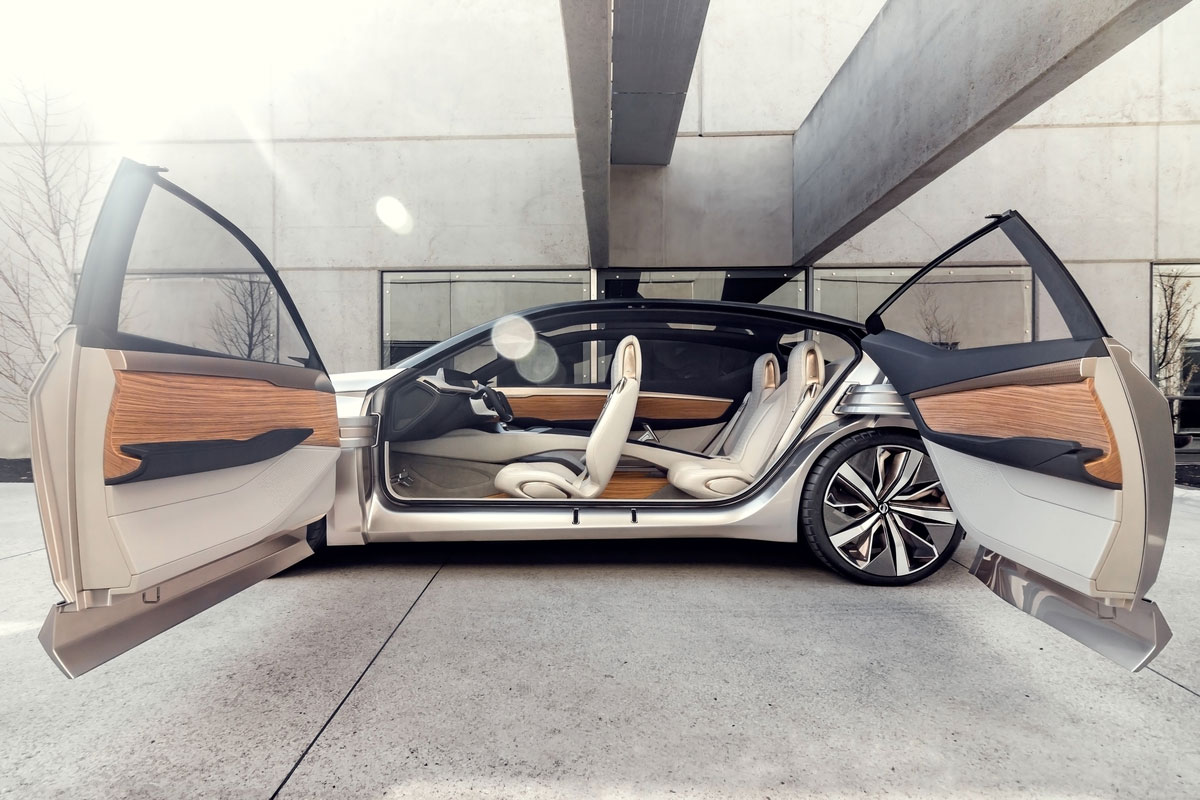
Despite the Vmotion's small size, the interior is roomy. A "floating roof" seamlessly combines the body with the top of the car, resulting in a sleek look. The car also has a ProPILOT mode, which offers the chance for autonomous driving. Simply put, this is a stunning vehicle inside and out.
Nissan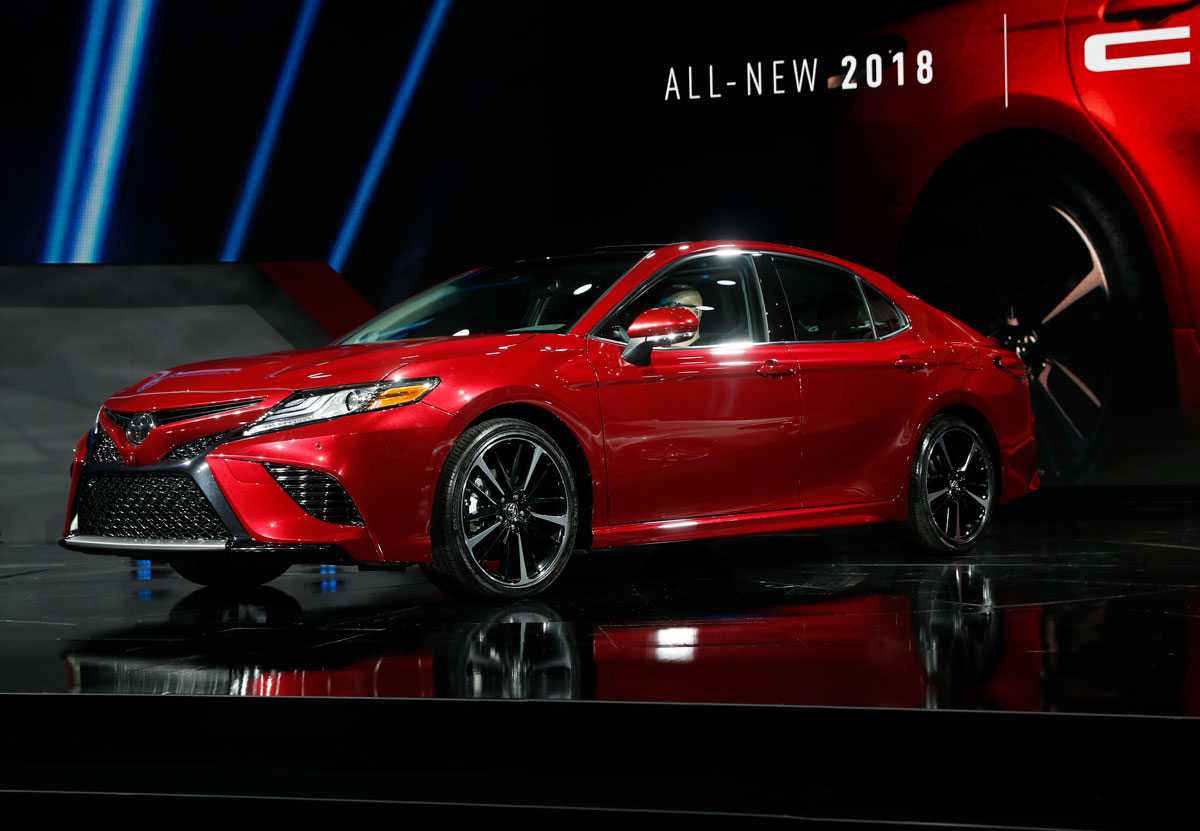
The Camry has been best-selling car in America for the past 15 years because of its drivability and reliability more than head-turning design. Toyota had been wary of alienating its large customer base with design changes, but as the company’s sport utility vehicles have begun to sell well, there's less riding on the Camry. As a result, Toyota was willing to take some risks and redesign the Camry in a bolder way — at last!
© Mark Blinch / Reuters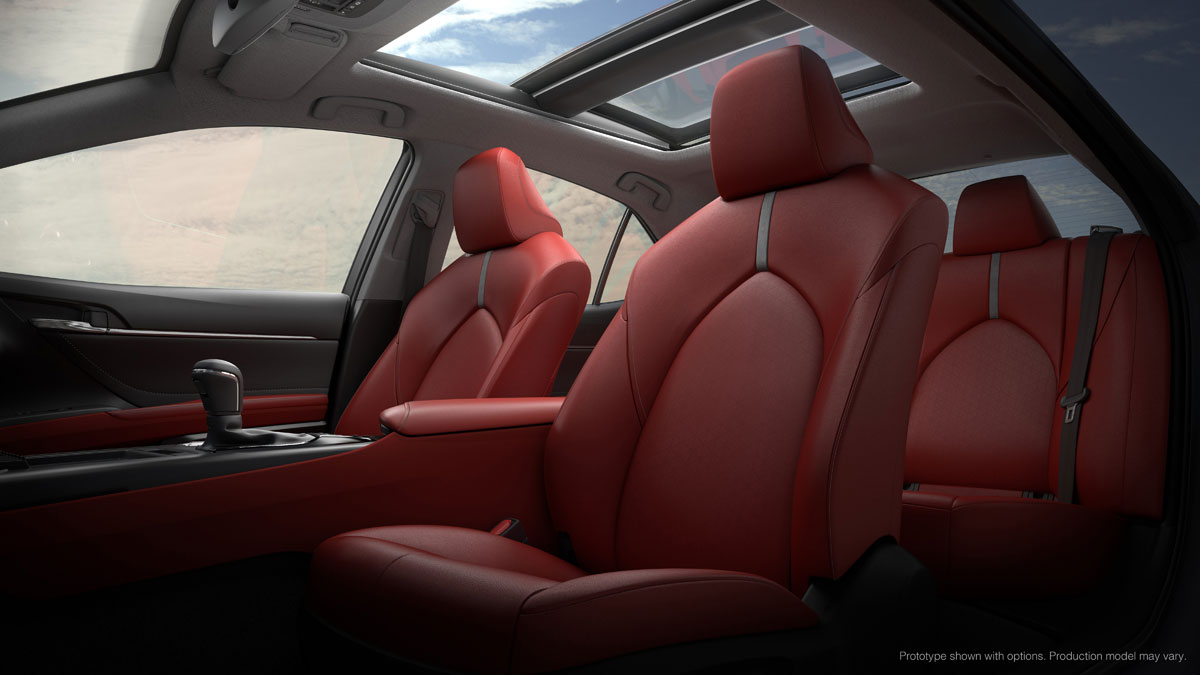
The 2018 Camry has a more stylized, sporty look. The exterior is far more aerodynamically appealing, with a curved low hood that sits above a grill that has a commanding presence highlighting the Toyota emblem. The roofline was lowered slightly, adding a sleek touch without sacrificing interior cabin space. Even the front and rear fenders are eye-catching. With the new Camry, Toyota has proven that you don't need to sacrifice style for reliability and dependability.
Toyota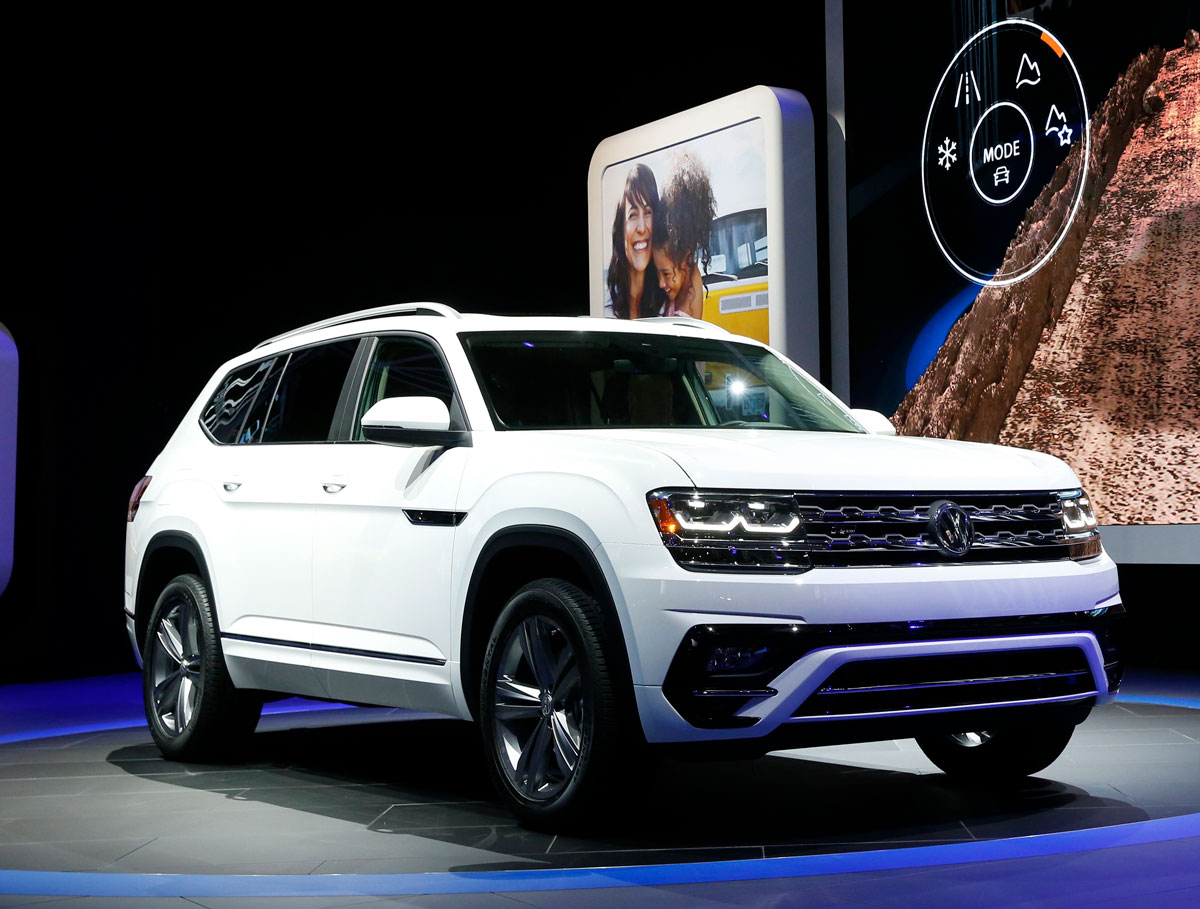
After its emissions scandal, Volkswagen needs to regain the trust of U.S. buyers. The CEO of Volkswagen’s North American operations said in Detroit that the show marked a turning point for the company, with vehicles tailored to what Americans want. A key element of that is playing in the crucial crossover segment with the Atlas.
© Brendan McDermid / Reuters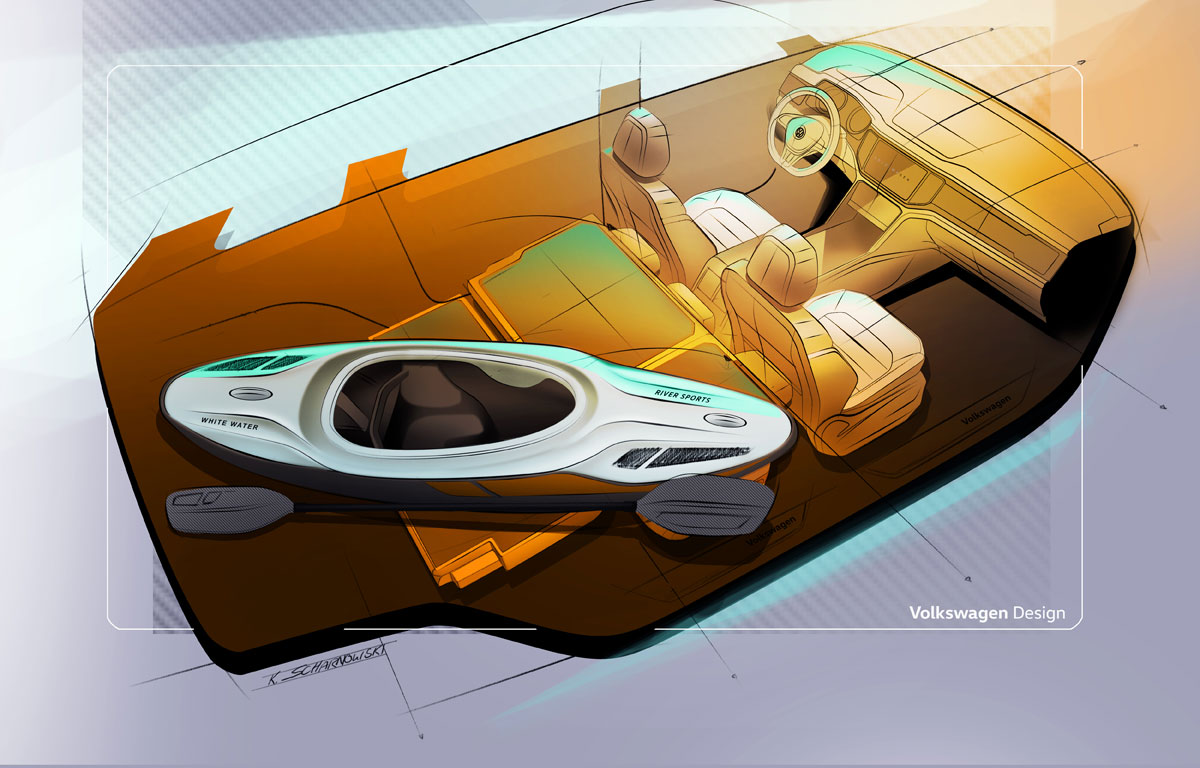
The base price of the VW Atlas is $30,000, with a loaded version costing $48,000. The mid-sized SUV includes 100 cubic feet of cargo space and seating for seven adults. The third row, a big factor for SUV buyers, comes with a new folding system for easy access. The design is boxy and doesn't allow the vehicle to stand out in a competitive category, but consumers might see considerable appeal in the practical elements packed in to the Atlas.
Volkswagen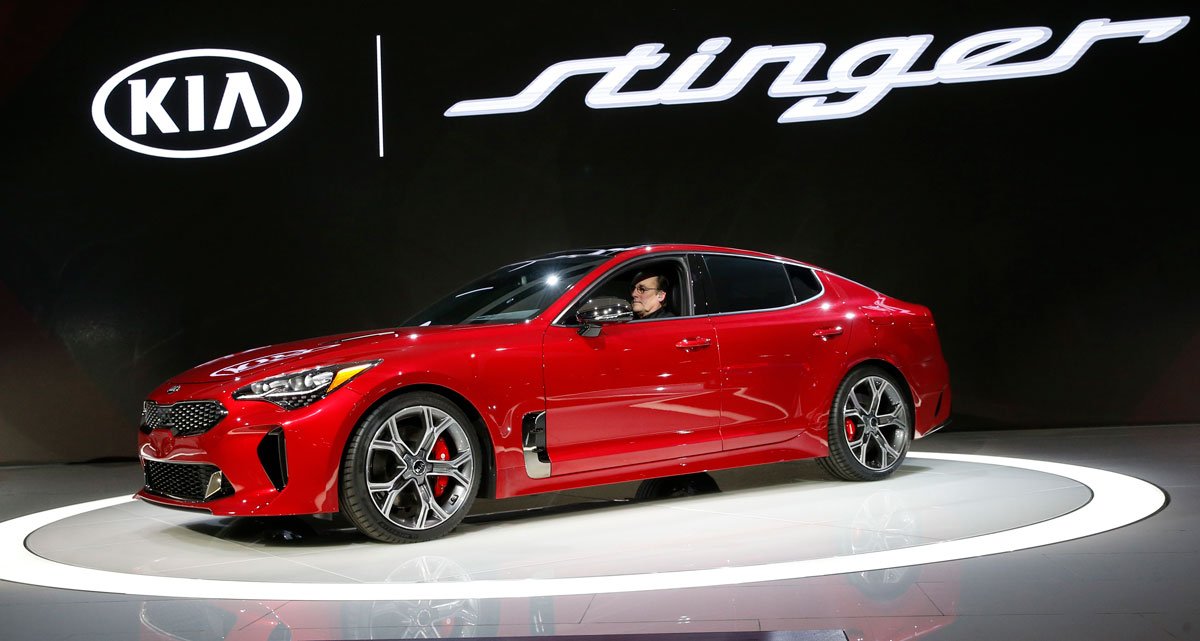
This hatchback silhouette, a four-door sports sedan, allows Kia to play in the luxury footsteps of its parent, Hyundai.
The look is bold, with angular lines and a sleek roofline. Though it's more of a halo car and may be hard for many to imagine Kia competing with the likes of Mercedes and BMW, the design is ambitious and interesting. The company gets kudos for its daring approach.
© Brendan McDermid / Reuters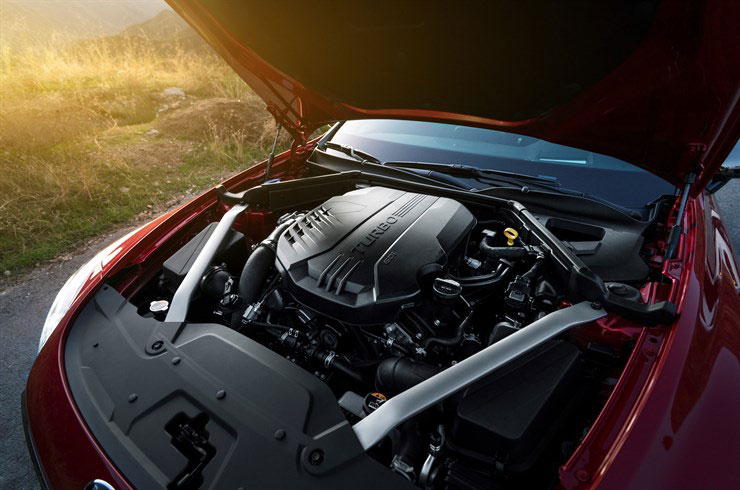
A huge departure for Kia, the dazzling Stinger takes some chances. It has a panorama shape rather than the traditional sedan look. It's meant to signal Kia's desire to go upscale and will be highest performance vehicle in the carmaker’s lineup. The rear-wheel drive, 8-speed sport sedan is fueled by two engine options and can hit 62 mph in 5.1 seconds, with a top speed of 160 mph.
Kia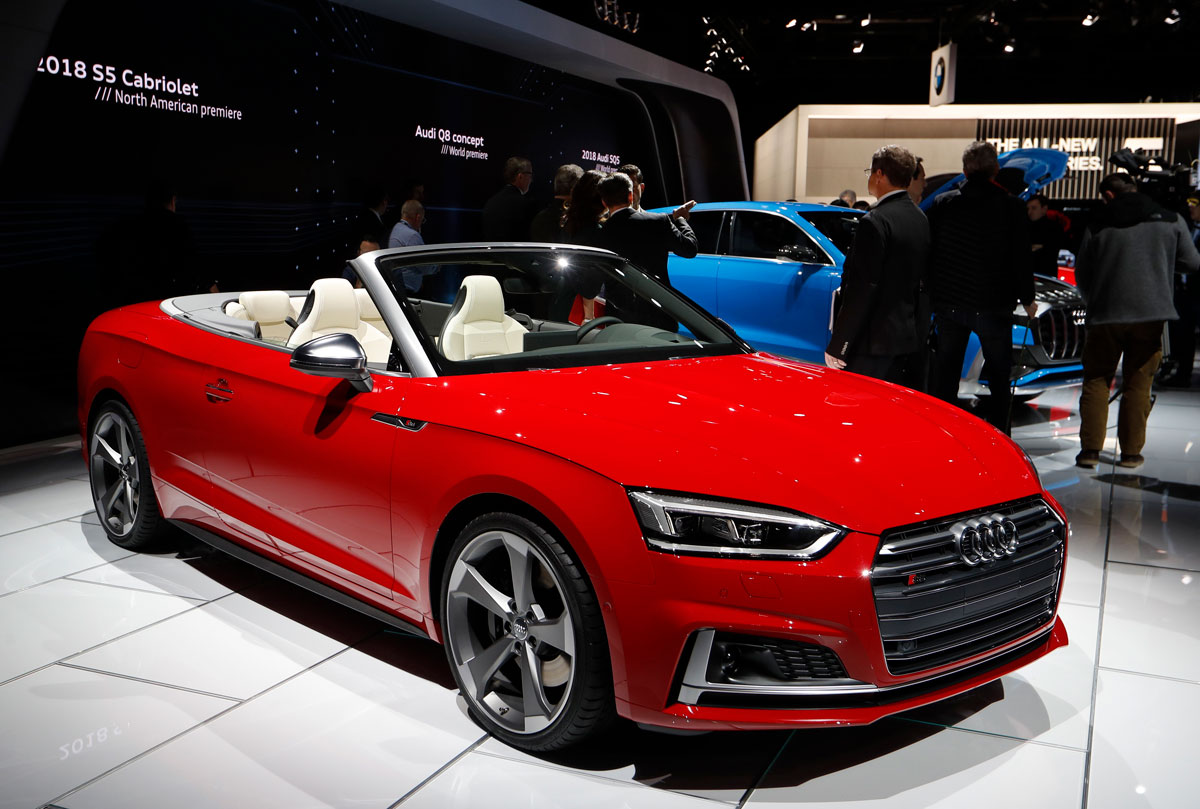
A stunner in design, this convertible displays the conventional class and luxurious look of Audi. The sculpted design with lower hood lines makes a statement yet is sporty enough to attract young buyers.
© Mark Blinch / Reuters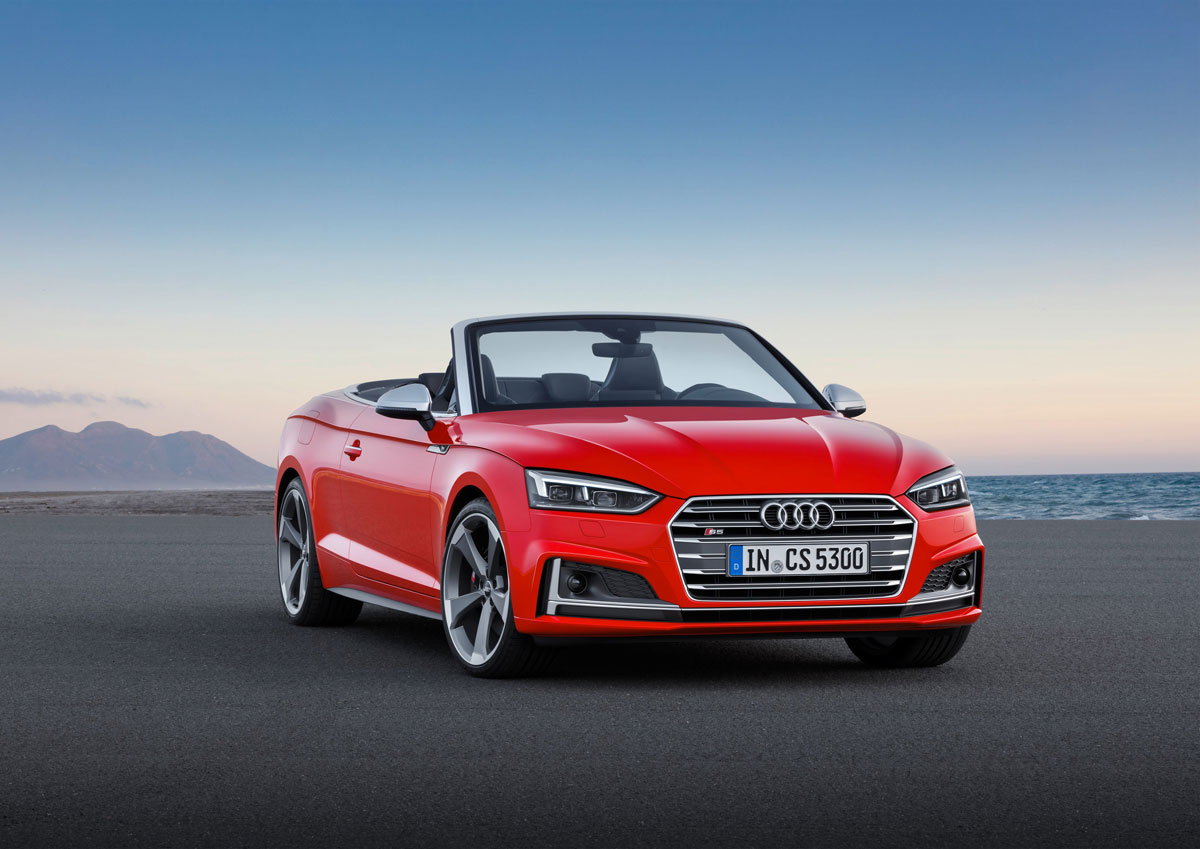
The Audi S5 Cabriolet's fully electronic roof can be lowered with a one-touch function in 15 seconds, even at speeds of up to 31 mph. A powerful engine allows the driver to sprint from 0 to 60 mph in 6 seconds. There's also a suite of infotainment and safety features, including adaptive cruise control with stop-and-go traffic jam assist. In all, a very cool offering from Audi.
Audi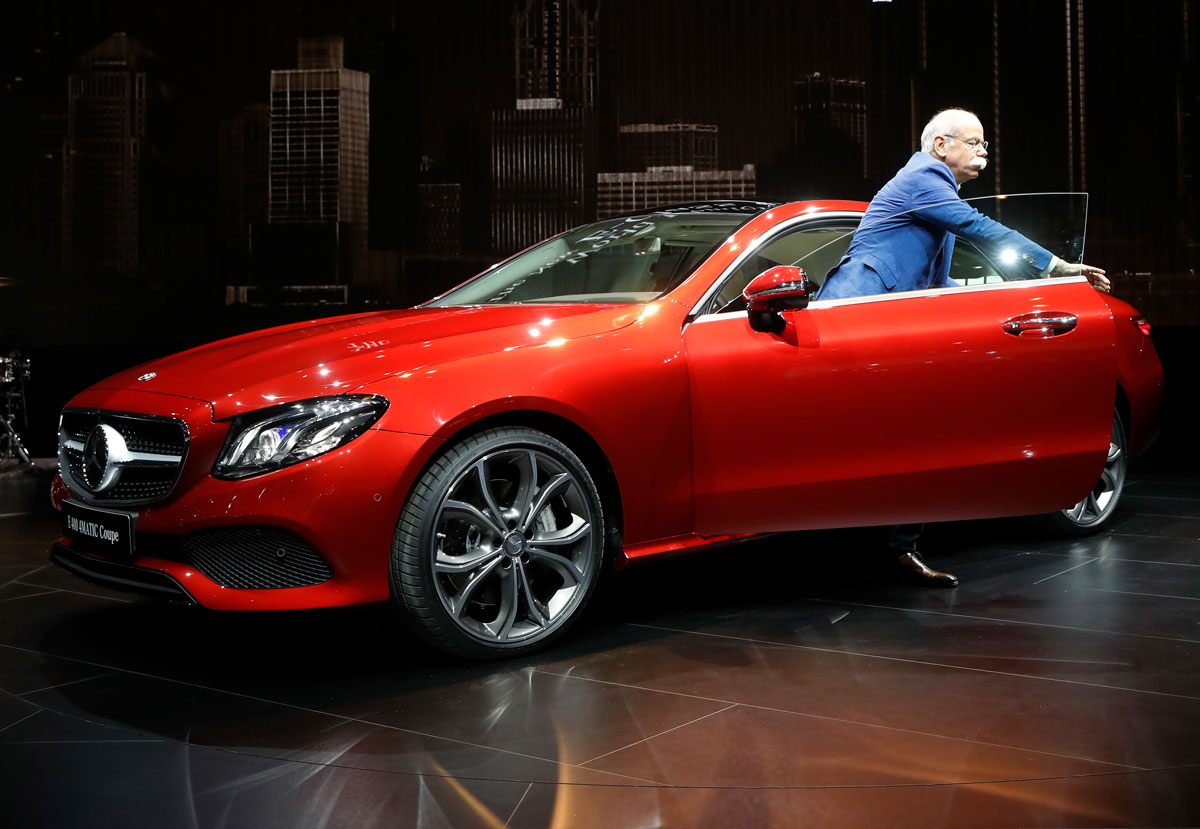
This vehicle is a true hit, illustrating the classic design of Mercedes. It's a perfect combination of sportiness and luxury, with a powerful front grill heralding its arrival and a widescreen cockpit.
© Mark Blinch / Reuters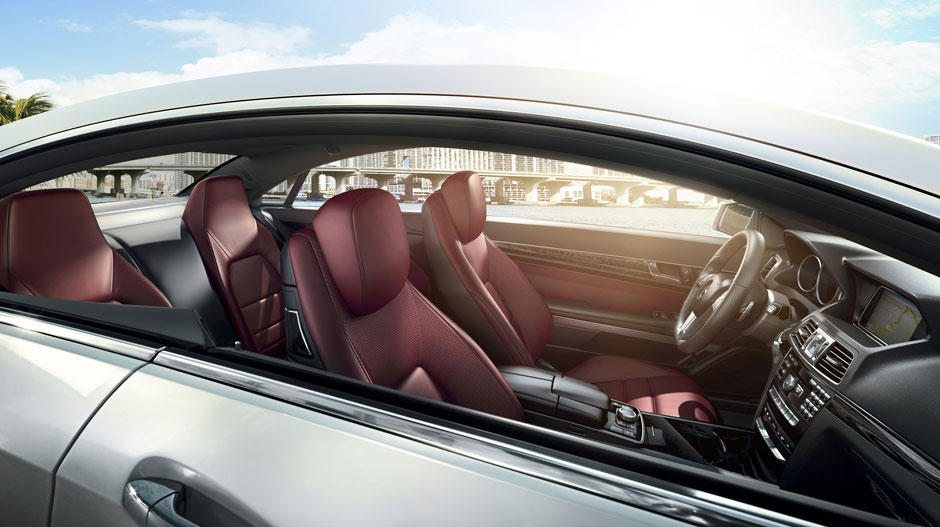
What's most impressive in the Mercedes E-Class Coupe is its cabin roominess. Though the vehicle is small, you can sit comfortably in the rear seats. Active brake assist, which automatically brakes the car in the event of an imminent collision with a car or pedestrian, comes standard. The alluring design, roominess and advanced technology certainly make this a vehicle worth coveting.
Mercedes Benz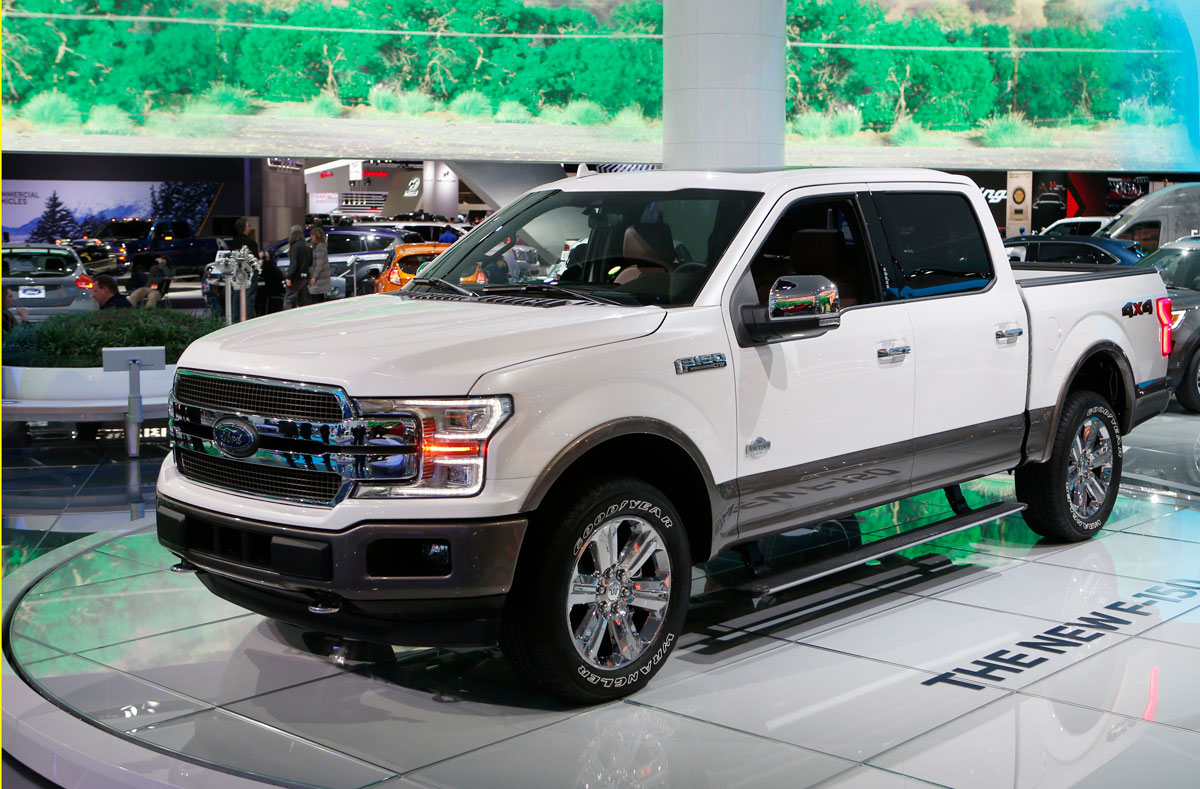
Though there are no substantial changes in design, the truck comes with a more significant addition under the hood: the option of a diesel engine — a popular feature with some truck owners, since diesels are durable and significantly improve fuel economy. This allows Ford to compete head to head with the Ram 1500 and its best-in-class fuel economy.
© Rebecca Cook / Reuters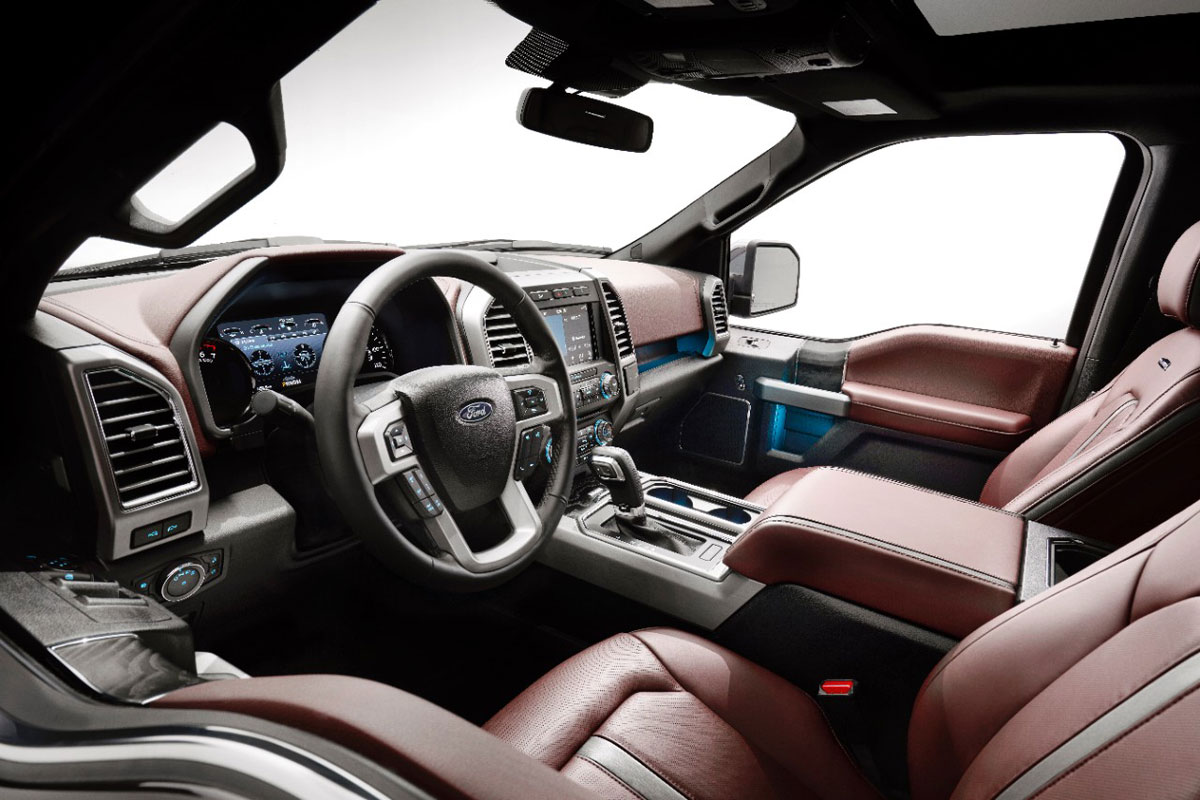
The new F150 will also have some bells and whistles: pre-collision assist with pedestrian detection and adaptive cruise control, embedded 4G LTE modem, SYNC3 and B&O PLAY audio.
Ford