
The Worst Cars at the 2017 Detroit Auto Show
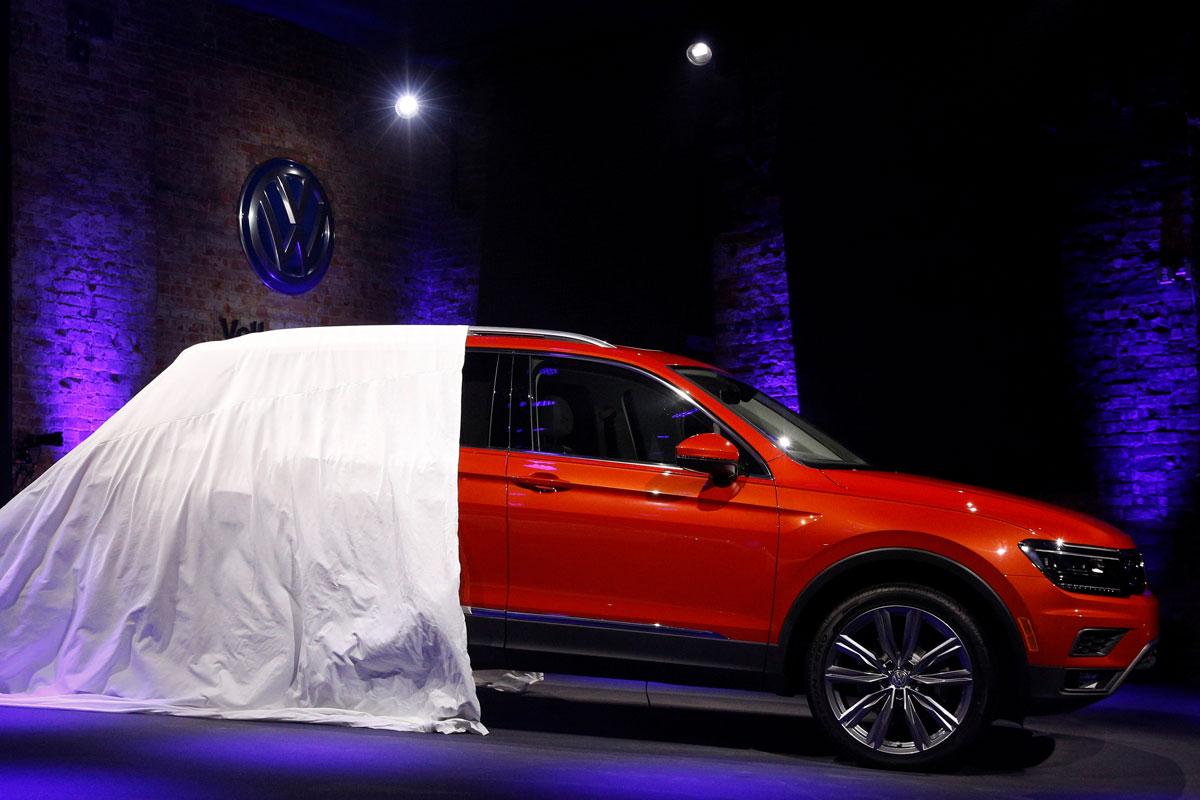
This new Tiguan is Volkswagen’s attempt to get a stronger foothold in the hot SUV market. The redesign, the Tiguan’s first since the 2009 model year, includes a longer wheelbase and a key addition: a third row seat. It's roomy up front, but that third row doesn't suffice. It's purely for kids — and small ones at that. It would be challenging for an adult to crawl back there. Overall, the design is bland and does nothing to make VW stand out in the crowded SUV space.
© Brendan McDermid / Reuters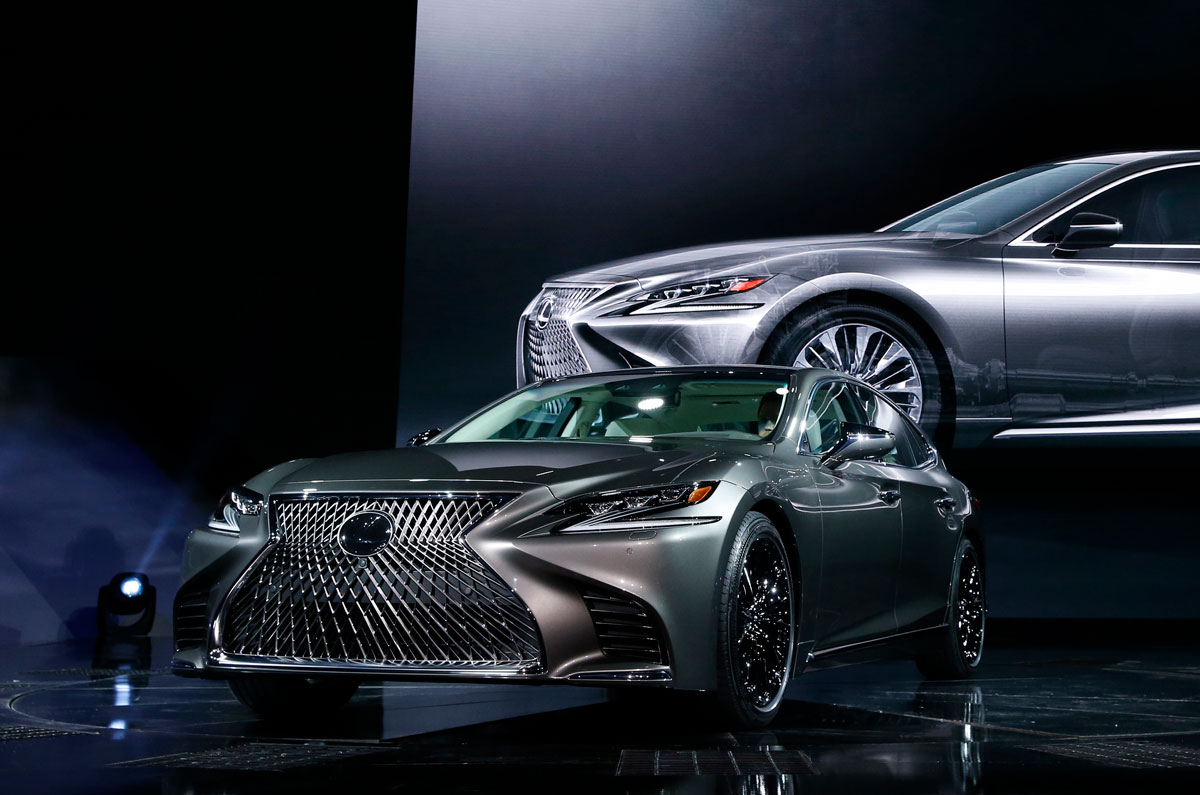
Lexus unveiled its fifth generation flagship sedan. The long-awaited redesign includes plenty of bells and whistles, like the first ever 10-speed automatic transmission for a premium passenger car, massaging seats and a system to automatically brake and steer around a pedestrian detected in the lane ahead. But this new offering doesn't provide any evidence that Lexus, desperate to reestablish itself in the competitive luxury segment, can break new ground when it comes to external design.
© Brendan McDermid / Reuters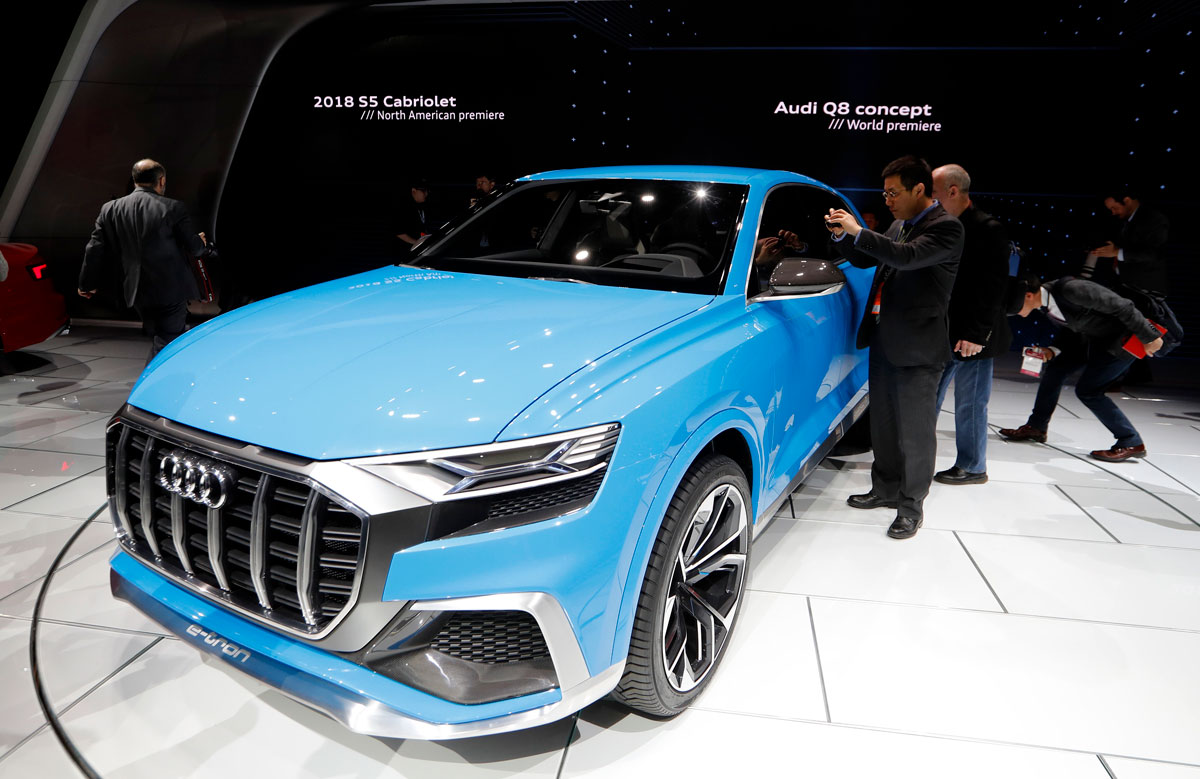
Audi's Global Sales Chief Dietmar Voggenreiter said that this SUV represents the future vision of Audi's design. That's disappointing. The giant wheels look clunky. The front grill is too pronounced. So much sheet metal surrounds the car that it has little glass, impairing visibility. Overall, it lacks the sleekness that you see in the sportier Audi vehicles. The Q8 doesn't set hearts on fire.
© Mark Blinch / Reuters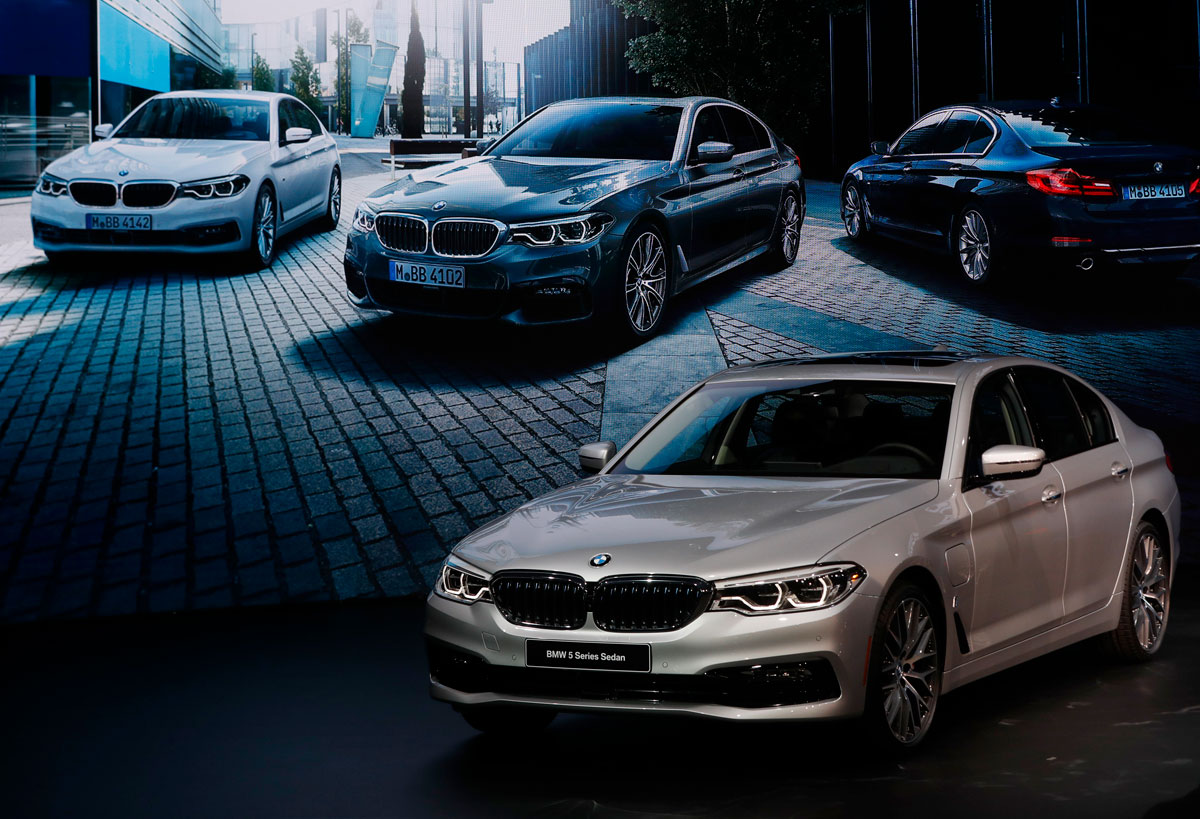
It’s understandable that BMW didn't make any significant stylistic changes to its bread-and-butter car. Instead, the company focused on weight reduction and advanced driver assistance systems in its seventh generation model. But since so many luxury carmakers are starting to offer these types of features, a more enticing design — and a return to BMW’s core mission of being a driving machine — would have stood out more than whiz-bang tech features.
© Mark Blinch / Reuters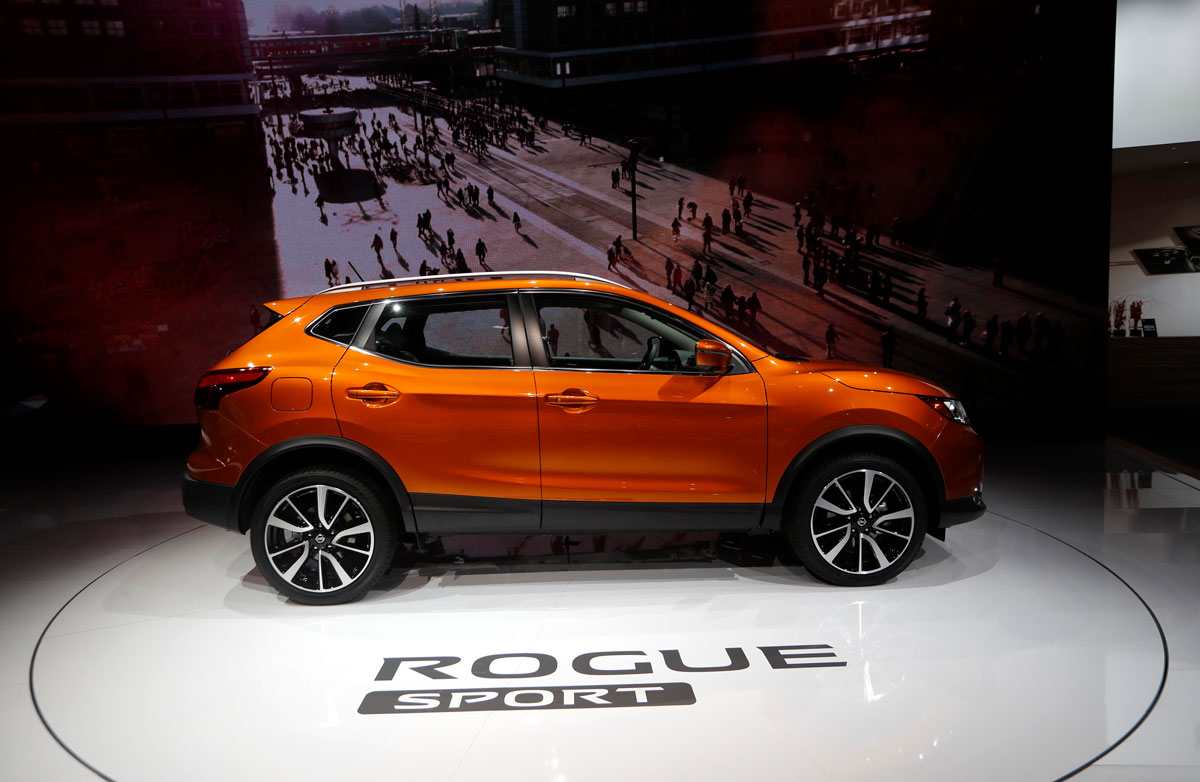
Nissan didn't design this subcompact SUV from the ground up. It merely modified its existing Rogue and added the "Sport" tag. The five passenger vehicle has a shortened wheel base compared to the original Rogue and the third row seat has been eliminated. With so many vehicles in this segment of the market, it’s hard to see how the Rogue Sport will stand out with the Millennials and empty-nesters Nissan is targeting.
© Mark Blinch / Reuters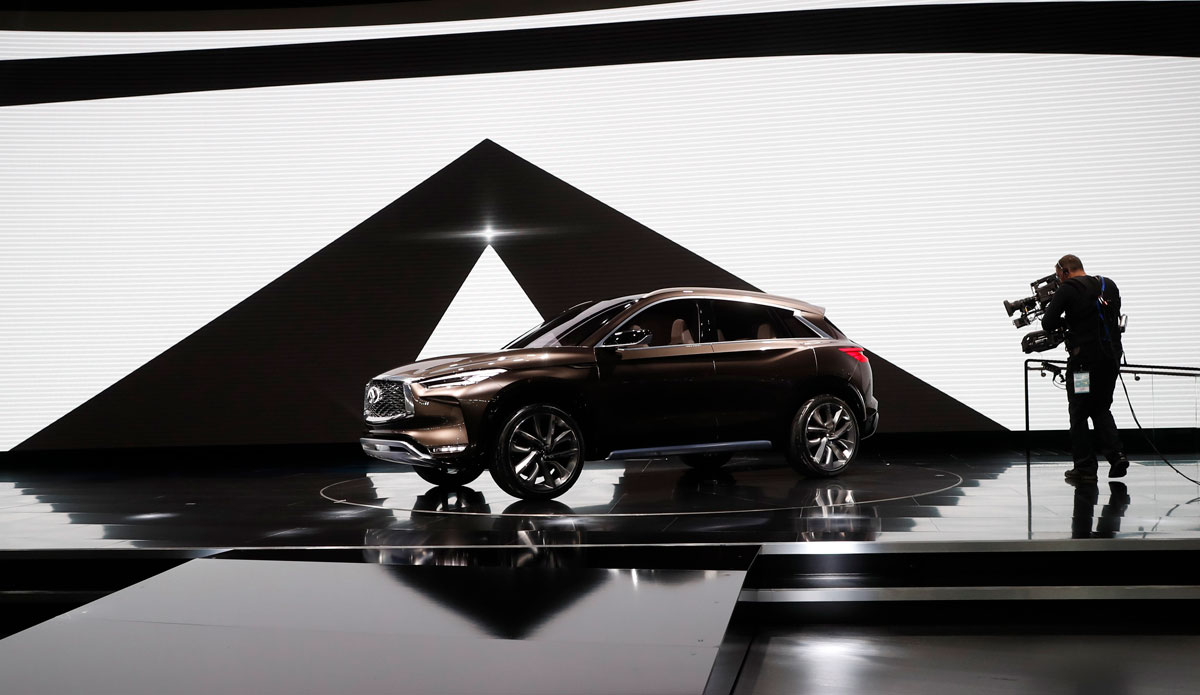
The QX50 Concept, a mid-sized premium crossover, fails to really push the envelope in design. It resembles a macho-looking truck or domestic SUV, with a rather uninteresting, rectangular grill. Like other luxury offerings at the show, this concept incorporates driver assistance technologies that pave the way for autonomous driving. That's impressive, but it would be better if the concept had a more riveting look indicating this is truly a car of the future.
© Mark Blinch / Reuters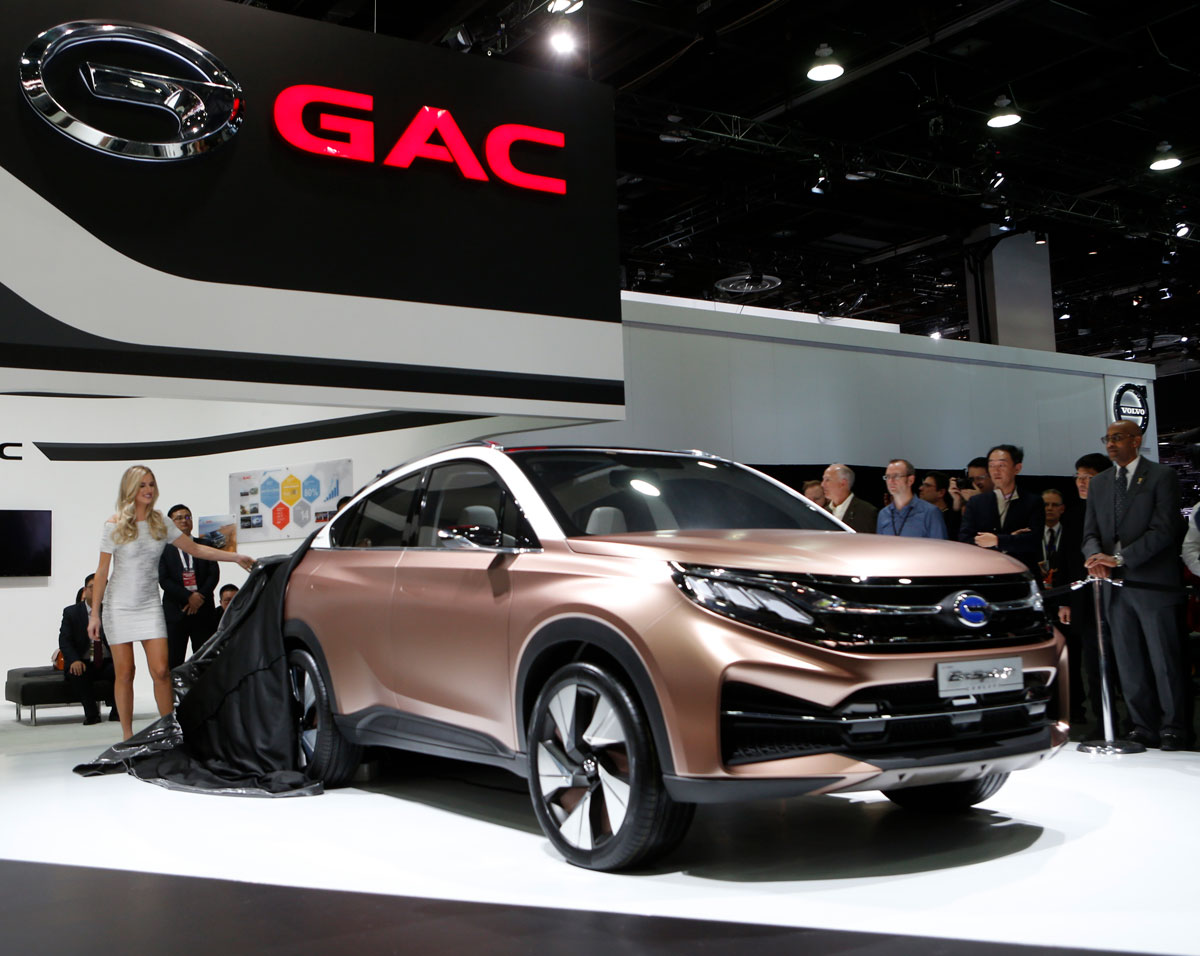
These vehicles are from the Chinese automaker seeking to enter the U.S. market. The GS7 is a five seat mid-sized SUV. The GE3 is an electric car and the EnSpirit is a hybrid crossover concept. All of the vehicles have a very boxy look and lack the innovative design one would expect from a brand new carmaker attempting to overcome the extreme hurdle of standing out in a well-established marketplace.
© Rebecca Cook / Reuters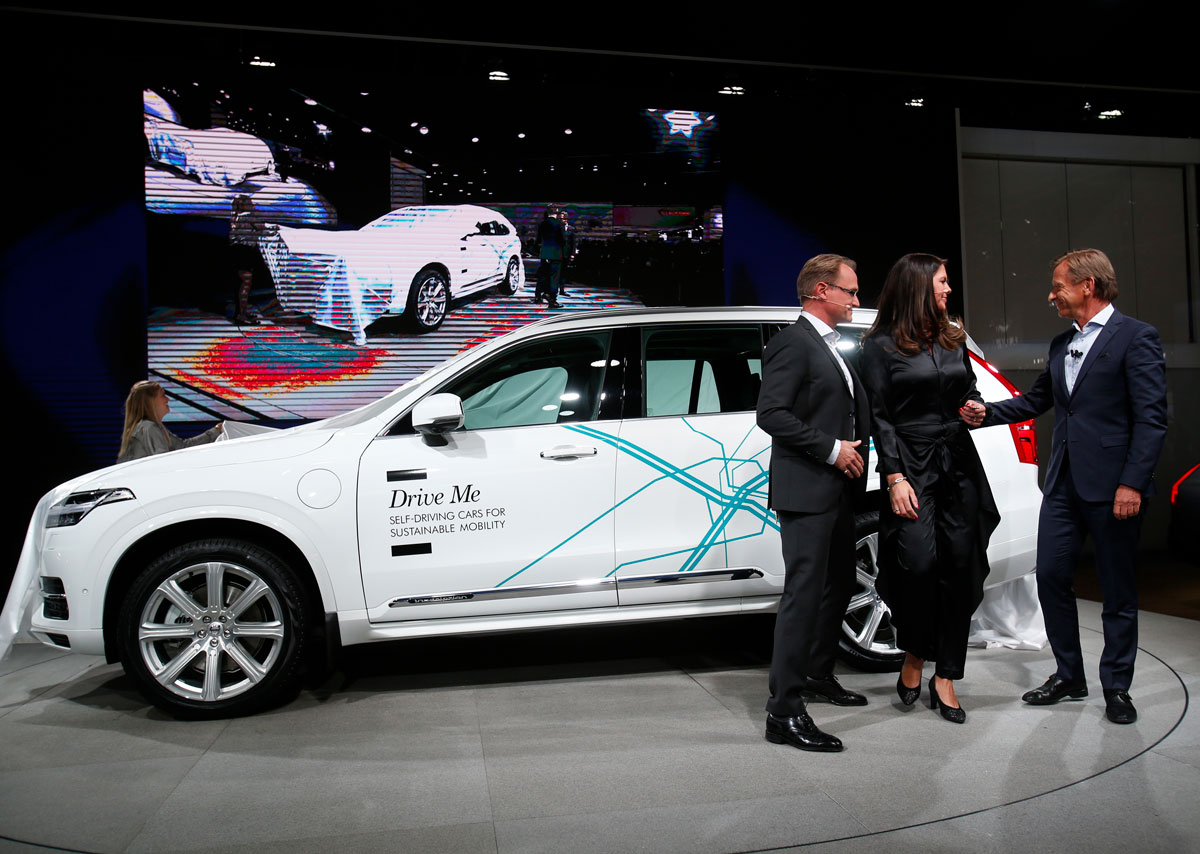
Volvo lacked a car to reveal. Instead, the company paraded a Swedish family of four that will be testing its first autonomous car. It's part of Volvo's Drive Me project, which the company says will be the largest autonomous driving test, including 100 vehicles. Though the XC90 was briefly mentioned as the test vehicle, there was less focus on the car than on the family — disappointing for a show that is intended to give the public a look at vehicles they might like to drive.
© Rebecca Cook / Reuters