
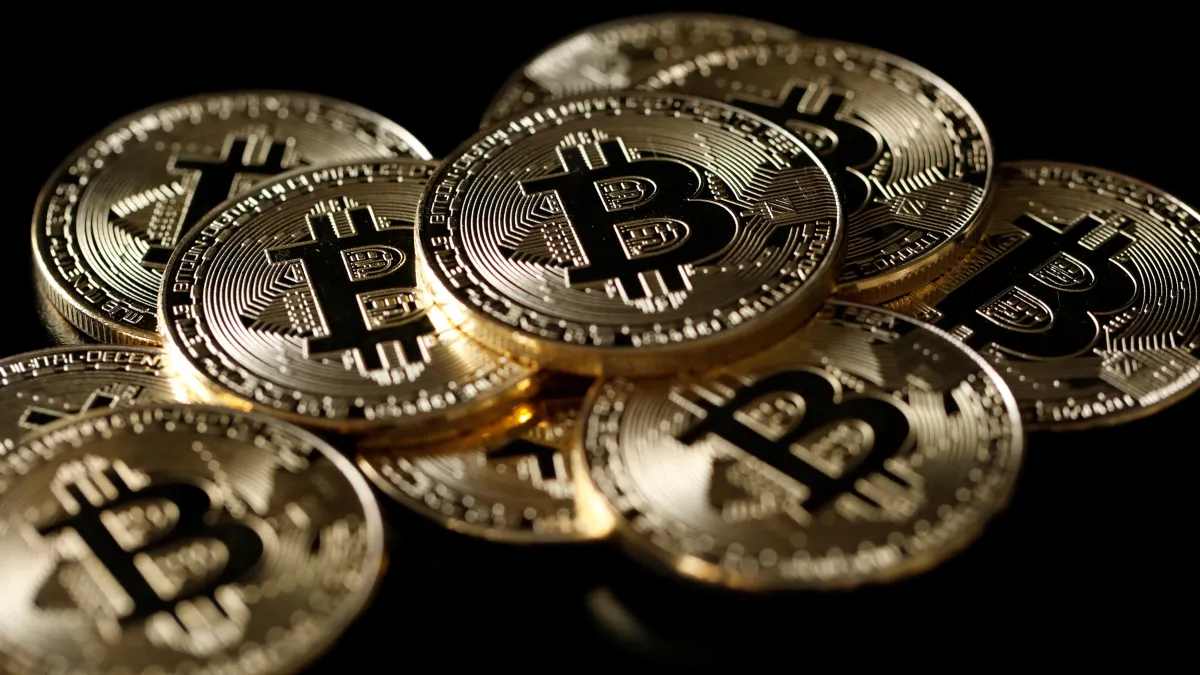
President Trump declared on social media this past weekend that the U.S. will create a “crypto strategic reserve,” echoing his pledge during the campaign to be the most pro-crypto president in history.
“A U.S. Crypto Reserve will elevate this critical industry after years of corrupt attacks by the Biden Administration, which is why my Executive Order on Digital Assets directed the Presidential Working Group to move forward on a Crypto Strategic Reserve that includes XRP, SOL, and ADA,” Trump said on his social media platform, referring to the cryptocurrencies XRP, Solana and Cardano. “I will make sure the U.S. is the Crypto Capital of the World. We are MAKING AMERICA GREAT AGAIN!”
The president added that Bitcoin and Ethereum will “be the heart of the Reserve.”
Not surprisingly, the announcement was greeted with enthusiasm among many crypto investors, including David Sacks, the Silicon Valley billionaire who has been named the White House “AI and crypto czar.” Sacks has been involved with some of the currencies intended to be in the reserve, though he says he sold his personal holdings before joining the administration.
Crypto prices surged in the hours following the announcement, with Cardano rising as much as 60%. Prices fell Monday, however, as the currencies gave up some their gains from the weekend.
Why crypto? Trump once derided cryptocurrency as a “scam” that is “based on thin air” and a threat to the dollar, but he embraced the industry last year as the industry spent more than $130 million in the election backing Republicans. Trump even jumped into the market himself, releasing meme coins — special cryptocurrencies that are often jokes and have little value or utility — of himself and his wife shortly before the inauguration.
The U.S. already owns about $20 billion of Bitcoin obtained through seizures, but some financial experts have wondered why the U.S. would want or need to maintain a reserve of cryptocurrencies. Many economists believe digital currencies have no inherent value, which is reflected in their wild swings in price. A resource like oil, on the other hand, has a clear use value and could be hard to access in times of economic or military crisis, so it makes more sense to keep a strategic reserve.
Critics have been quite clear in their dismissal of the basic idea. “Strategic Bitcoin Reserve makes as much sense as Strategic Baseball Card Reserve,” Stanford economist Hanno Lustig said on social media.
Mark Zandi, chief economist at Moody’s Analytics, noted that a crypto reserve would obviously benefit crypto investors, but with no clear benefit to the government, which must trade real assets for speculative ones. “There's just no discernible logic to do it,” he said. “I get why the crypto investor would love it, but for taxpayers, it's risky.”
Steve Rattner, who served as an adviser to the Treasury secretary during the Obama administration, said the idea is worse than risky. “Creating a bitcoin reserve is an outright waste of taxpayer dollars aimed at enriching the crypto industry,” he wrote on social media. “If crypto prices steeply drop (which they have in the past), having created a crypto reserve could erase govt funds over night.”
The critics even include some major crypto investors, who worry about government involvement in what is supposed to be an independent source and store of value. “I am PRO CRYPTO,” said Joe Lonsdale, a wealthy Silicon Valley investor who supports Trump. “And I agree the SEC has been terrible, and that we should support the sector with clear laws and precedent. But to me, that doesn’t include government money buying in! Not the proper, principled role of government.”
Jason Calacanis, a Silicon Valley investor who runs a popular podcast with crypto czar Sacks, put it more simply: “what an insane grift the Crypto Strategic Fund is as far as I can see,” he wrote on social media.
What’s next: How the proposed reserve might operate is unknown, but we may learn more on Friday, when the White House holds its first crypto summit, to be led by the AI and crypto czar.