“They have defunded the police. There’s no more succinct way to describe what’s happened.”
— Matthew Rappaport, a tax lawyer in New York, speaking to The Wall Street Journal about the deep cuts imposed on the IRS since President Trump returned to the White House.
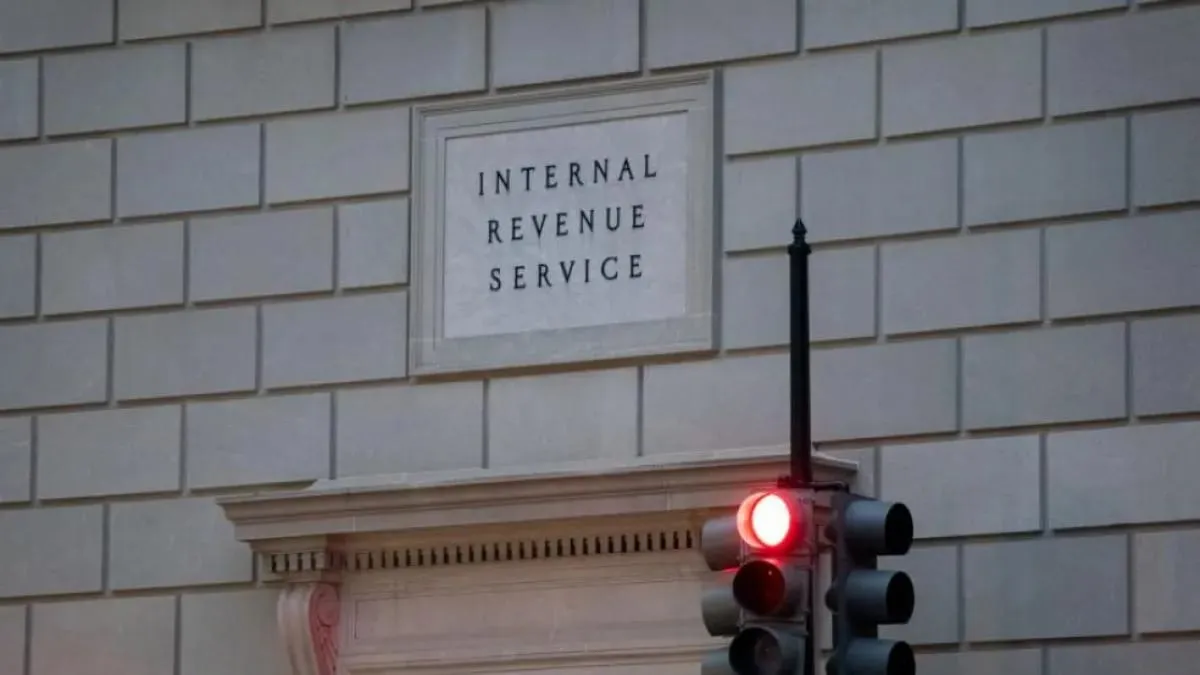
The Trump administration and Republicans in Congress have sharply reduced the IRS’s capacities through layoffs and budget cuts, pushing tax enforcement spending to its lowest level in at least two decades. As the Journal’s Richard Rubin reported this week, the reductions are stimulating a “vibe shift” among taxpayers and tax-shelter engineers looking for ways to reduce tax bills, by hook or by crook.
IRS officials appointed under Trump say they will make up for massive staffing reductions through the use of technology, but many tax experts believe that the cuts will cost the federal government billions in lost revenue. According to a study by the nonpartisan Budget Lab at Yale, the government will save about $45 billion over 10 years through its layoffs of about 28,000 IRS workers, the staffing reduction reported through 2025. But those layoffs will cost the government an estimated $643 billion in lost revenue over the same period as the number of audits falls and voluntary compliance weakens.
As the tax gap – the difference between what the government is owed and what it actually collects each year – soars past the half-trillion mark, some tax professionals are pessimistic about overall IRS competence in the future, given the cuts already delivered and likely to come. Rappaport told the Journal that the Trump administration’s treatment of the tax agency reminded him of how his 3-year-old plays with his toys, saying: “They’ve taken the federal government by the plastic dinosaur tail and mashed it ‘til its head came off.”