Tequila’s Stunning Rise: How It Shot Up in U.S. Popularity
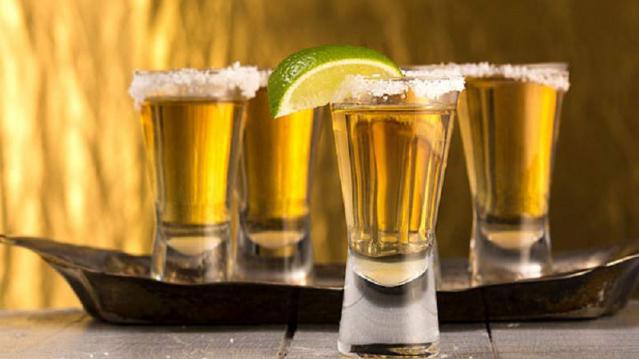
Americans are drinking more and better-quality tequila, and not only in margaritas on Cinco de Mayo.
Tequila sales have been growing at an average rate of 5.6 percent a year since 2002, according to February figures from the Distilled Spirits Council of the United States. In 2014 alone, 13.8 million nine-liter cases were sold.
Related: U.S. Surpasses France As Biggest Wine Market
The U.S. represents tequila’s largest market, with about 52 percent of global sales. America’s renewed thirst for mixed cocktails has been a boon for spirits overall, but especially for tequila. Meanwhile, sales in Mexico have remained flat largely because the market there is mature, with little room for growth.
The Distilled Spirits Council said that one of the keys to tequila’s U.S. growth has been distillers’ ability to offer a product for every budget and occasion, but the fastest growth has been in high-end and super-premium brands.
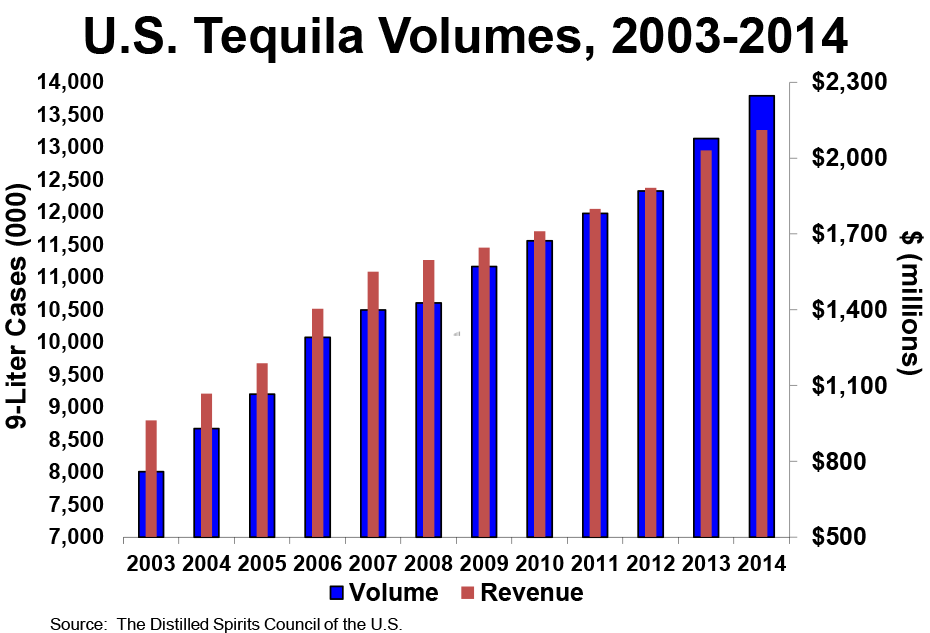
“High-end brands have grown 189 percent in volume since 2002,” it noted. “Virtually unknown in 2002, super-premium tequila volumes have skyrocketed 568 percent and today account for 2.4 million 9-liter cases.”
Celebrity endorsements may have also raised the status of tequila. George Clooney, Sean Combs and Justin Timberlake have all promoted tequila brands.
In addition, distillers are trying to boost the popularity of high-end tequilas further by offering tastings and tours — at least one of which is aimed at the super-wealthy.
Tequila Avion, an ultra-premium tequila maker, is offering a $500,000, three-day trip for 10 to Jalisco, Mexico, to taste its spirits and partake of luxury accommodations, butler service and a private dinner among other amenities.
Related: Kentucky’s McConnell and Paul Offer Tax Breaks for Bourbon
If that seems a tad pricey, Experience Tequila in Portland, Ore., offers four-day tours to Mexico for just under $1,500, and you can find tequila-tasting classes in many cities for about $100.
GOP Tax Cuts Getting Less Popular, Poll Finds
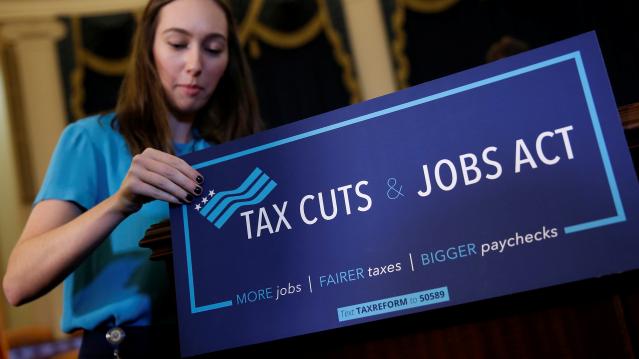
Friday marked the six-month anniversary of President Trump’s signing the Republican tax overhaul into law, and public opinion of the law is moving in the wrong direction for the GOP. A Monmouth University survey conducted earlier this month found that 34 percent of the public approves of the tax reform passed by Republicans late last year, while 41 percent disapprove. Approval has fallen by 6 points since late April and disapproval has slipped 3 points. The percentage of people who aren’t sure how they feel about the plan has risen from 16 percent in April to 24 percent this month.
Other findings from the poll of 806 U.S. adults:
- 19 percent approve of the job Congress is doing; 67 percent disapprove
- 40 percent say the country is heading in the right direction, up from 33 percent in April
- Democrats hold a 7-point edge in a generic House ballot
Special Tax Break Zones Defined for All 50 States

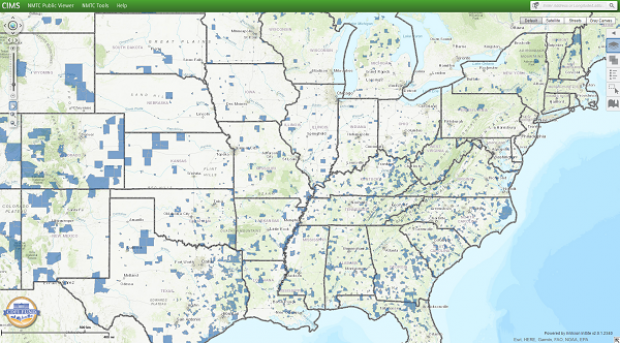
The U.S. Treasury has approved the final group of opportunity zones, which offer tax incentives for investments made in low-income areas. The zones were created by the tax law signed in December.
Bill Lucia of Route Fifty has some details: “Treasury says that nearly 35 million people live in the designated zones and that census tracts in the zones have an average poverty rate of about 32 percent based on figures from 2011 to 2015, compared to a rate of 17 percent for the average U.S. census tract.”
Click here to explore the dynamic map of the zones on the U.S. Treasury website.
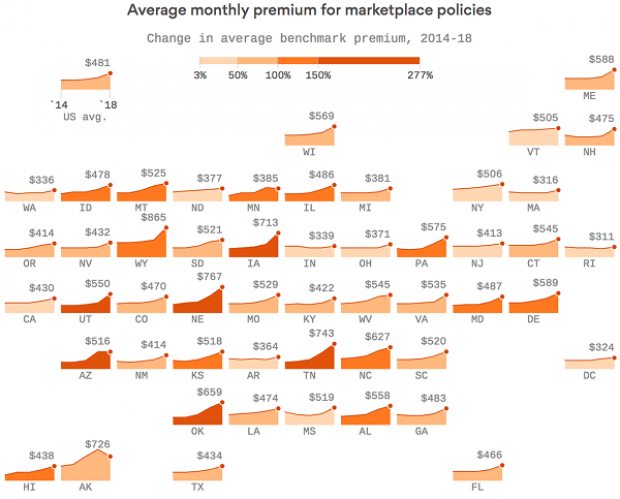
Map of the Day: Affordable Care Act Premiums Since 2014
Axios breaks down how monthly premiums on benchmark Affordable Care Act policies have risen state by state since 2014. The average increase: $481.
Obamacare Repeal Would Lead to 17.1 Million More Uninsured in 2019: Study
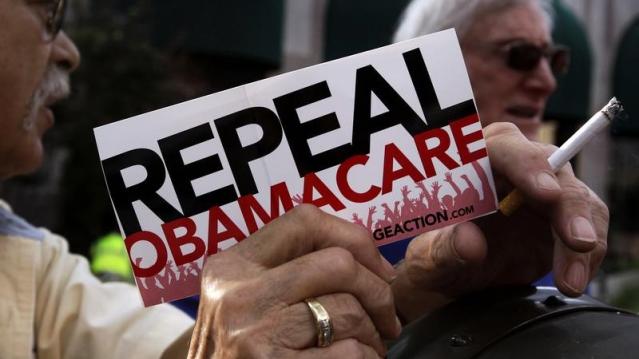
A new analysis by the Urban Institute finds that if the Affordable Care Act were eliminated entirely, the number of uninsured would rise by 17.1 million — or 50 percent — in 2019. The study also found that federal spending would be reduced by almost $147 billion next year if the ACA were fully repealed.
Your Tax Dollars at Work
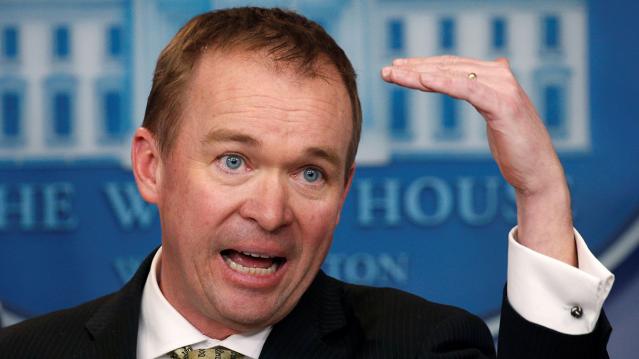
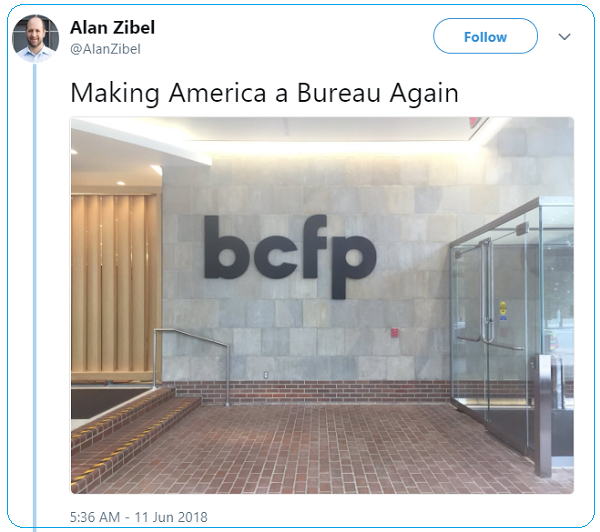
Mick Mulvaney has been running the Consumer Financial Protection Bureau since last November, and by all accounts the South Carolina conservative is none too happy with the agency charged with protecting citizens from fraud in the financial industry. The Hill recently wrote up “five ways Mulvaney is cracking down on his own agency,” and they include dropping cases against payday lenders, dismissing three advisory boards and an effort to rebrand the operation as the Bureau of Consumer Financial Protection — a move critics say is intended to deemphasize the consumer part of the agency’s mission.
Mulvaney recently scored a small victory on the last point, changing the sign in the agency’s building to the new initials. “The Consumer Financial Protection Bureau does not exist,” Mulvaney told Congress in April, and now he’s proven the point, at least when it comes to the sign in his lobby (h/t to Vox and thanks to Alan Zibel of Public Citizen for the photo, via Twitter).