
12 Horror Movies That Scared Up a Big Profit
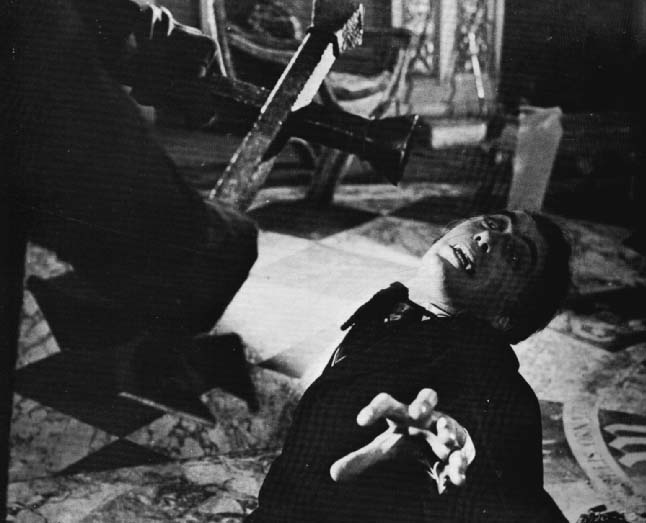
Cost $1.8 Million (Adjusted to 2013).
Though founded in the mid-thirties, British Studio Hammer Films fell on hard times by the mid 50’s when producer Anthony Hinds discovered a new road to profit. Licensing public domain titles like Frankenstein and Dracula, Hinds used the new-found freedom for gore and sex and to produce new versions of the classics in glorious color. The Horror of Dracula broke British and American box office records of the time and made a star of leading man Christopher Lee, whose performance probably remains the best screen Dracula and has led to his continued appearance as a heavy in the Star Wars (Count Douku…surely an homage) and Lord of the Rings films where he played Saruman….he also continues to put out heavy metal albums…as a 91 year old.
Universal Pictures/Warner Bros.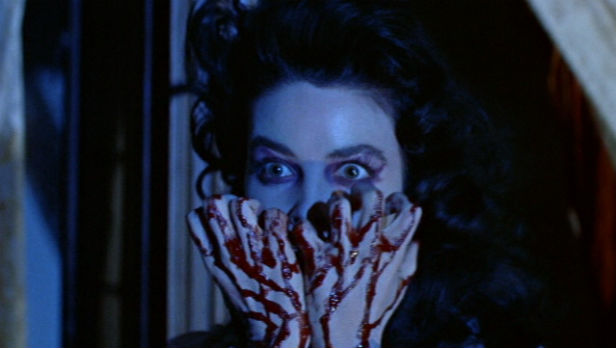
Cost $300,000 B.O. - $1.5 Million.
Any businessman wishing to study how to have a successful career in Hollywood would do well to study the work of Roger Corman. After returning from WWII, used the GI Bill funding to attend Oxford University then worked his way up from the mailroom at 20th Century Fox. Frustrated for what he perceived to be a lack of credit, Corman started his own studio and would go on to produce and/or direct nearly 500 films. Filling the need for quick exploitation films to fill the drive-in movie fad, Corman initially found success with a series of Edgar Allen Poe adaptations, ably lead by a man he would make a horror movie main stay, Vincent Price. Most notably, Corman mentored a series of young directors in their early career, giving starts to such giant names as Coppola, Scorcese, Ron Howard, and James Cameron.
American International Pictures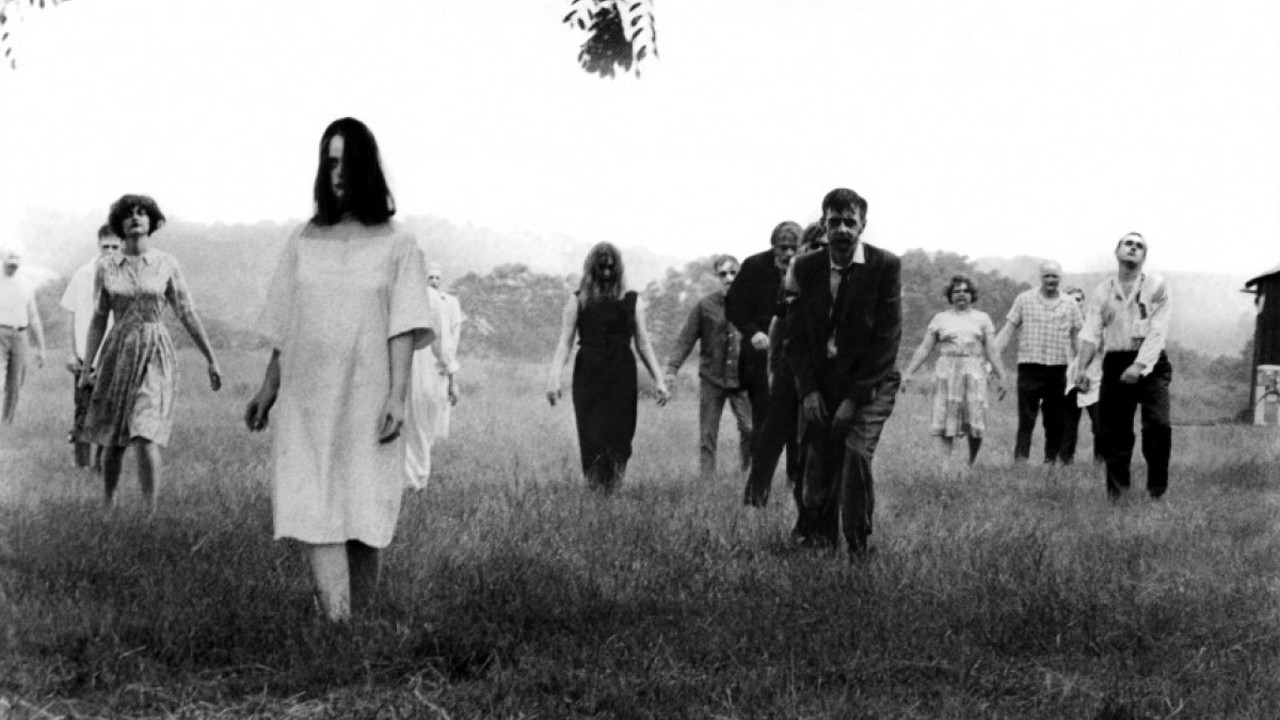
Cost $114,000, B.O. $42 Million.
Pittsburgh Filmmaker George Romero was working as part of a team that made commercials and industrial training videos, when boredom struck. With his colleagues he founded a film company that raised $114,000 to make a little movie about the zombie apocalypse. 45 years later the zombie trend continues unabated and Romero’s film has been inducted into the National Film Registry and continues to make money to this day.
The Walter Reade Organization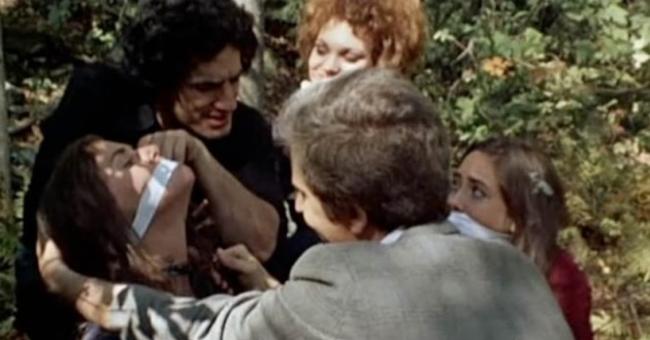
Cost $87,000, B.O. – 3.1 Million
Before emerging in the 80’s as one of the masters of the genre, Wes Craven had one of the more colorful careers on this list. While teaching English at Westminster College and Clarkson University, Craven was also pseudonymously directing and editing X-rated films to make cash and learn the trade. In the early 70’s he struck on the strangely literary idea to remake Ingmar Bergman’s “The Virgin Spring” (itself based on a 13th Century Swedish Folk Ballad) as a drive-in exploitation film. It is without question a brutal and nasty film, but it was also wildly successful, and launched Craven’s career as one of the most thought provoking filmmakers in the admittedly trashy genre.
Metro-Goldwyn-Mayer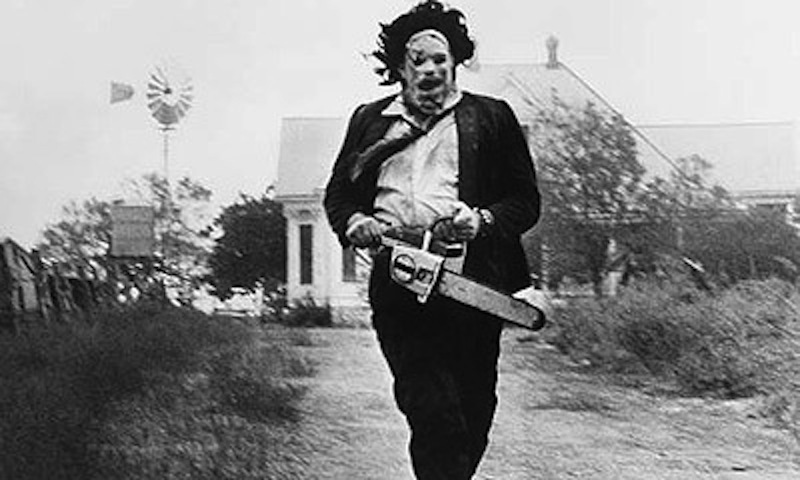
Cost $300,000 - Box Office, $31 Million
Tobe Hooper was working as a documentary camera man at UT Austin when he had the idea to use the new portability of cameras to focus on a horror bred from the isolation of the Texas landscape. Using elements of Hitchcock’s psycho and the true life story of Ed Gein, Hooper took advantage of a public who were now desensitized to violence through coverage of the Vietnam war on the nightly news to create a new American nightmare…to be trapped in the middle of nowhere with crazy rednecks. The film was a drive-in sensation, and the birth of the slasher genre.
Bryanston Pictures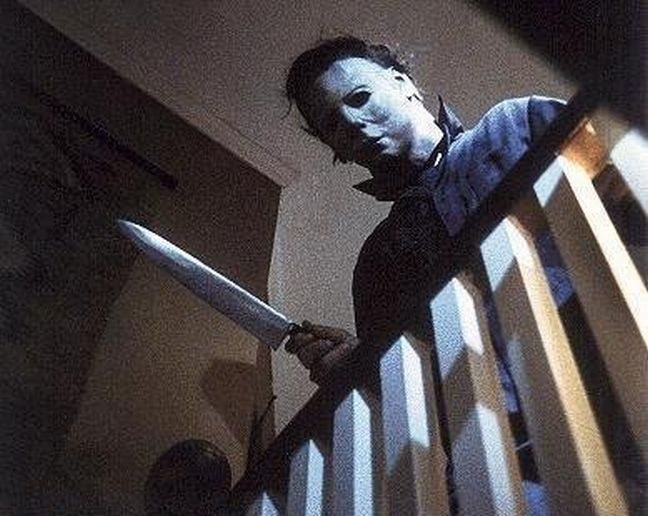
Cost $325,000 – B.O. 70 Million
After the moderate critical success of his first few low budget films, director John Carpenter was offered the chance to direct a horror movie. Combining the main stream success of horror films such The Exorcist and Rosemary’s Baby with the cult appeal of the proto-slasher The Texas Chainsaw Massacre, carpenter brought the horror out of the country and into the suburbs. Originally, called The Babysitter Murders, the title was changed when the producers suggested that the film be set on the night of Halloween. A creepy score (composed and performed by Carpenter himself), multiple first-person shots and the casting of future star Jamie Lee Curtis (whose performance would coin the term “Scream Queen”) all lead to a box office hit that would pave the way for Jason, Freddy, Jigsaw, etc…
Cost $350,000 – B.O. - $2,400,000
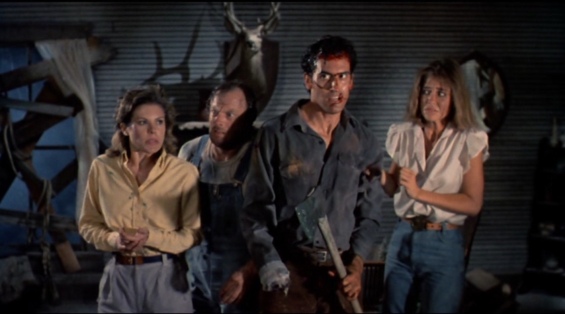
College Drop-Out Sam Raimi was only 20 when he began shooting this cult classic. Essentially going door-to-door with his leading man/best friend Bruce Campbell and brief 8mm demo real, the two were able to secure funding through wealthy neighbors (disproportionally dentists). Combining “The Texas Chainsaw Massacre’s” remote location with a cosmology derived from the works of H.P. Lovecraft, Raimi created a claustrophobic horror masterpiece, whose ending was so over-the-top it would almost veer towards comedy (a direction the series would explore with great effect in its sequels). In addition to kick starting Raimi’s career, his young editorial assistant, Joel Coen, would use Raimi’s self-financing through charity model to gain funding for a film he would co-direct with his brother Ethan…That’s a lot of Oscar’s for one low budget horror movie.
Cost $15 Million, B.O. $173 Million.
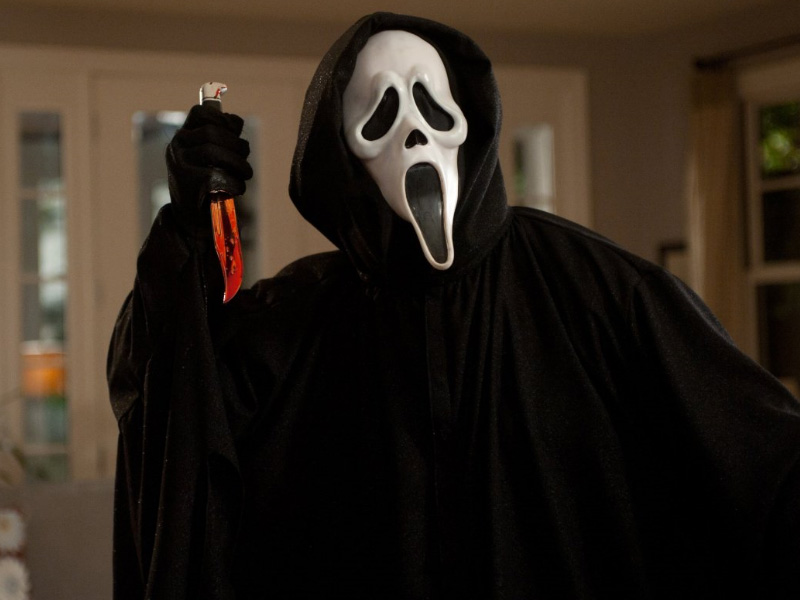
By the late 90’s the horror genre seemed to be as dead as its subject matter. The barouque heights of the slasher boom of the 80’s had seen the genre go far beyond parody that it seemed as dated an artifact as hair metal. But Wes Craven found a clever, uniquely 90’s take on the genre with Kevin Williamson’s clever script. No longer would characters behave as if they had never seen a horror movie, the teens of the day were exceptionally pop culturally literate and could not be expected to “go check on that noise in the garage” without at least making a meta-joke about it. For better or worse, horror, with a 90’s does of irony, was back.
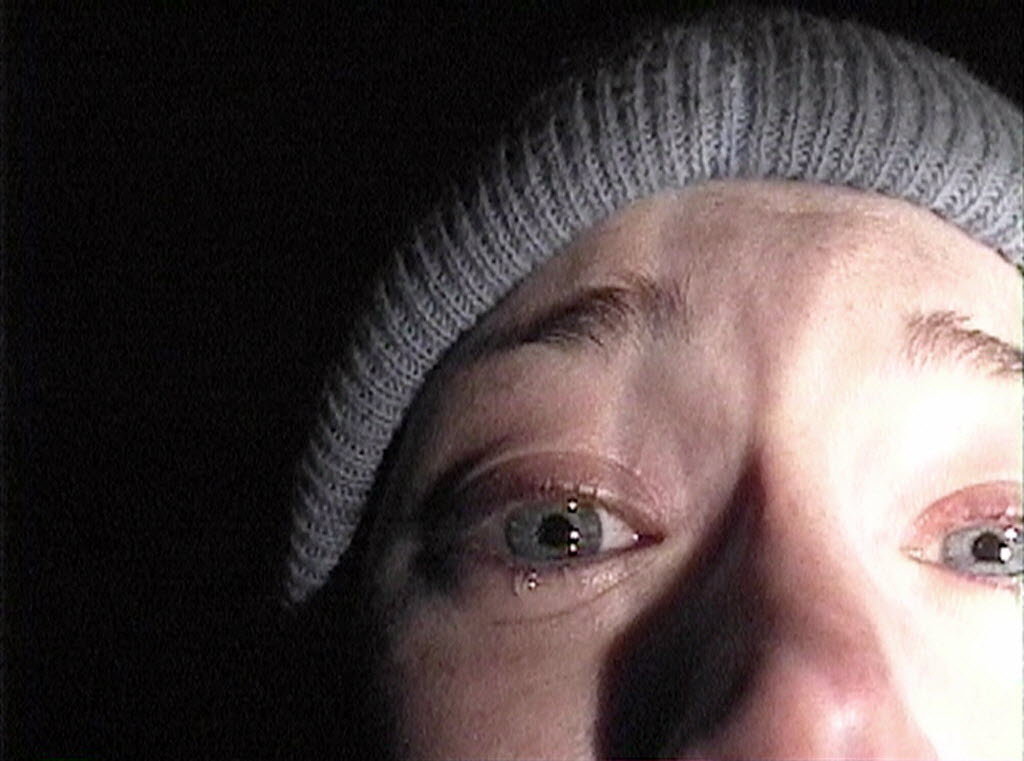
Cost $22,500 B.O. $249 Million
If the Irony angle of “Scream” was destined to be short lived, the found footage phenomenon of The Blair Witch would prove to be a more successful road map for horror in the 2000’s. Using the increasing portability of video cameras, directors Eduardo Sanchez and Daniel Myrick learned to use their low-budget as a virtue. The horror came not from what was seen but what was NOT seen. Tapping into an increasingly urban audience’s fear of getting lost in the woods, along with a deep sense of the irrational in our scientific universe, Blair Witch also stands a part as being one of the first truly viral successes. A fake documentary about the “Blair Witch Legend” drove millions to the internet and then to the theater to see if it was true (it was not).
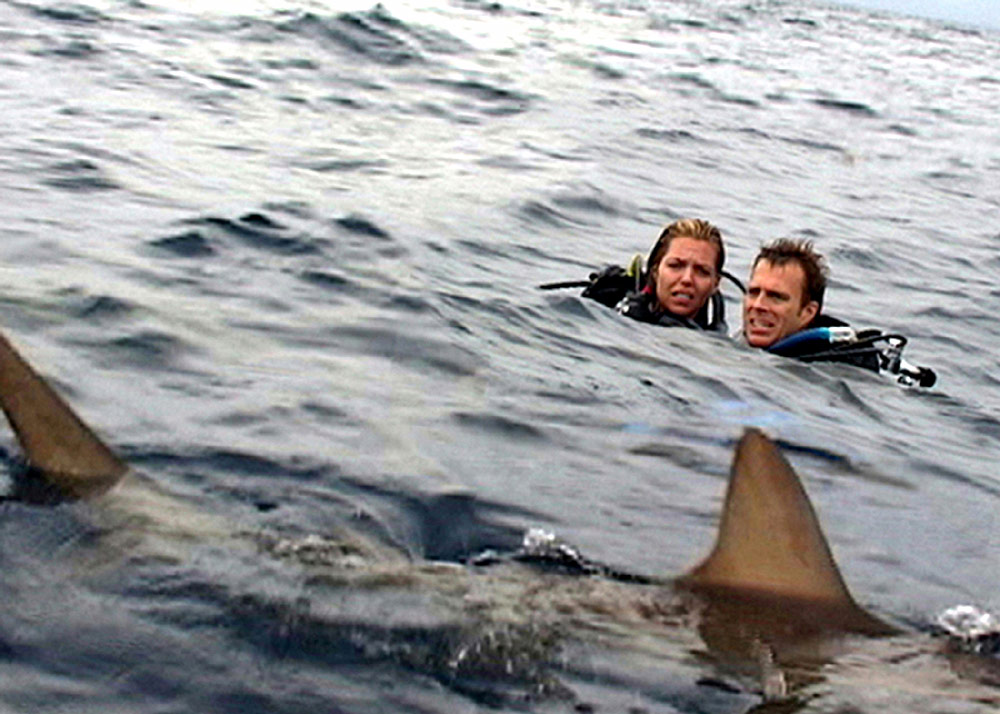
Cost $130,000 B.O - $55 Million
This low budget movie took the “Jaws” approach to its logical conclusion. In 1975, faced with a mechanical shark that just didn’t work, Steven Speilberg was forced to use his shark in small doses…a factor that many contribute to the film’s success. Open Water simply took the sharks (mostly) off the table. Based on the story of two American scuba divers who were accidentally abandoned by their tour group. Nothing much happens. The couple float in the vast open ocean (far more the middle of nowhere than rural Texas) and wait for either rescue or the tiger sharks….
Lionsgate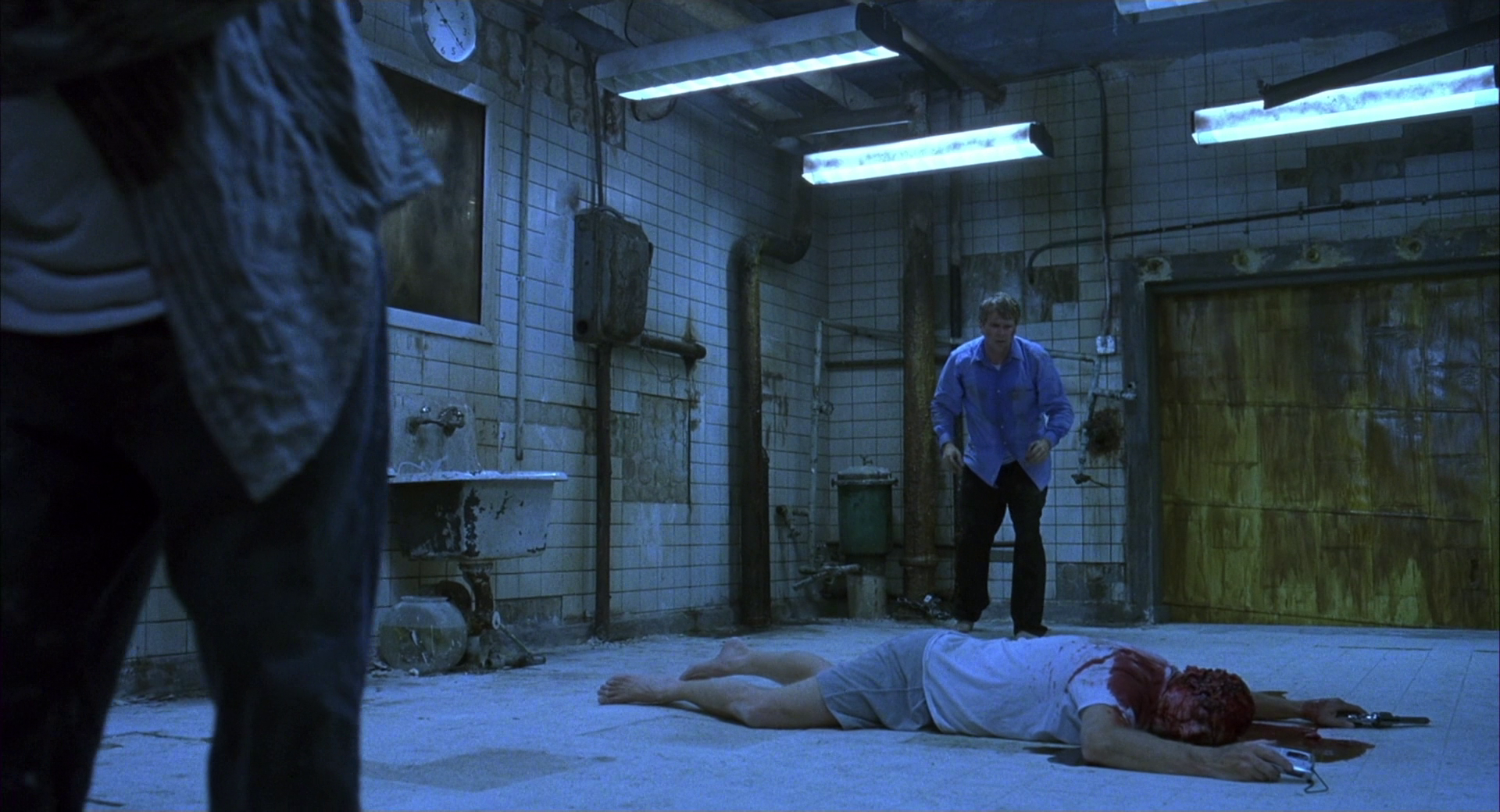
Cost $1.2 Million B.O, $103 Million
A pet project of Australian duo James Wan and Leigh Wannell, Saw was perhaps the most emblematic film of the early 2000s' "torture-porn" phase, alongside Hostel and The Human Centipede. Forced to shoot the film in LA because of funding difficulties, the two Aussies managed to transform a shoestring $1.2 million budget into a $103 million movie, not to mention a seven-film franchise. While its sadomasochistic tendencies earned it derision from critics, it still made a killing at the box office.
Lionsgate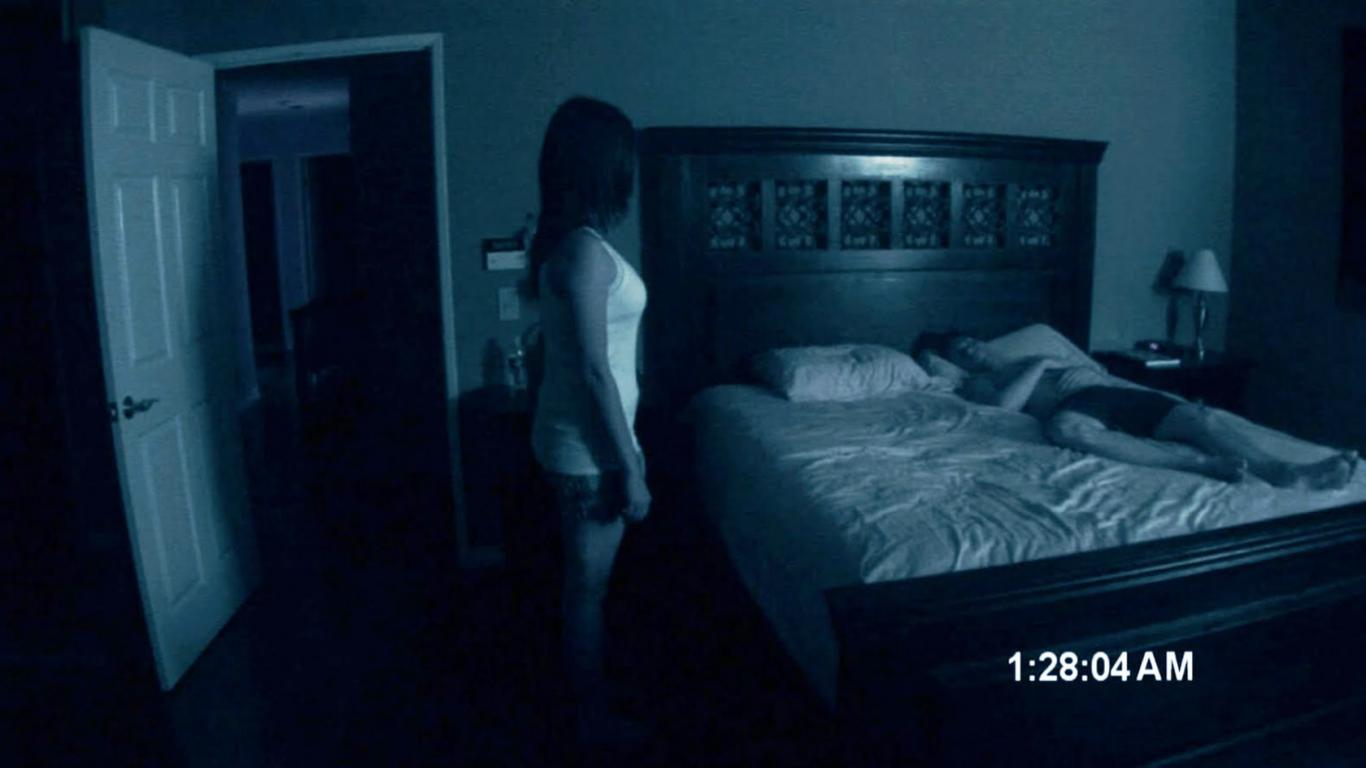
Cost: $15,000 B.O: $193 Million
A welcome resucitation of the "found footage" genre, Paranormal Activity sent punters to theaters in droves (and many others walking out due to their utter fear), based almost entirely on word-of-mouth and social media marketing. A creative variation of the done-to-death "haunted house" trope, this film used a handheld camera and two unknown actors to transform $15,000 into $193,000,000. Perhaps proof that sometimes, simpler is better.
Paramount Pictures