
The Coolest Green Cars at the 2014 Detroit Auto Show
The North American International Auto Show in Detroit was once a venue for showcasing a vehicle’s pep and performance – with little regard for its fuel economy. That’s no longer the case.
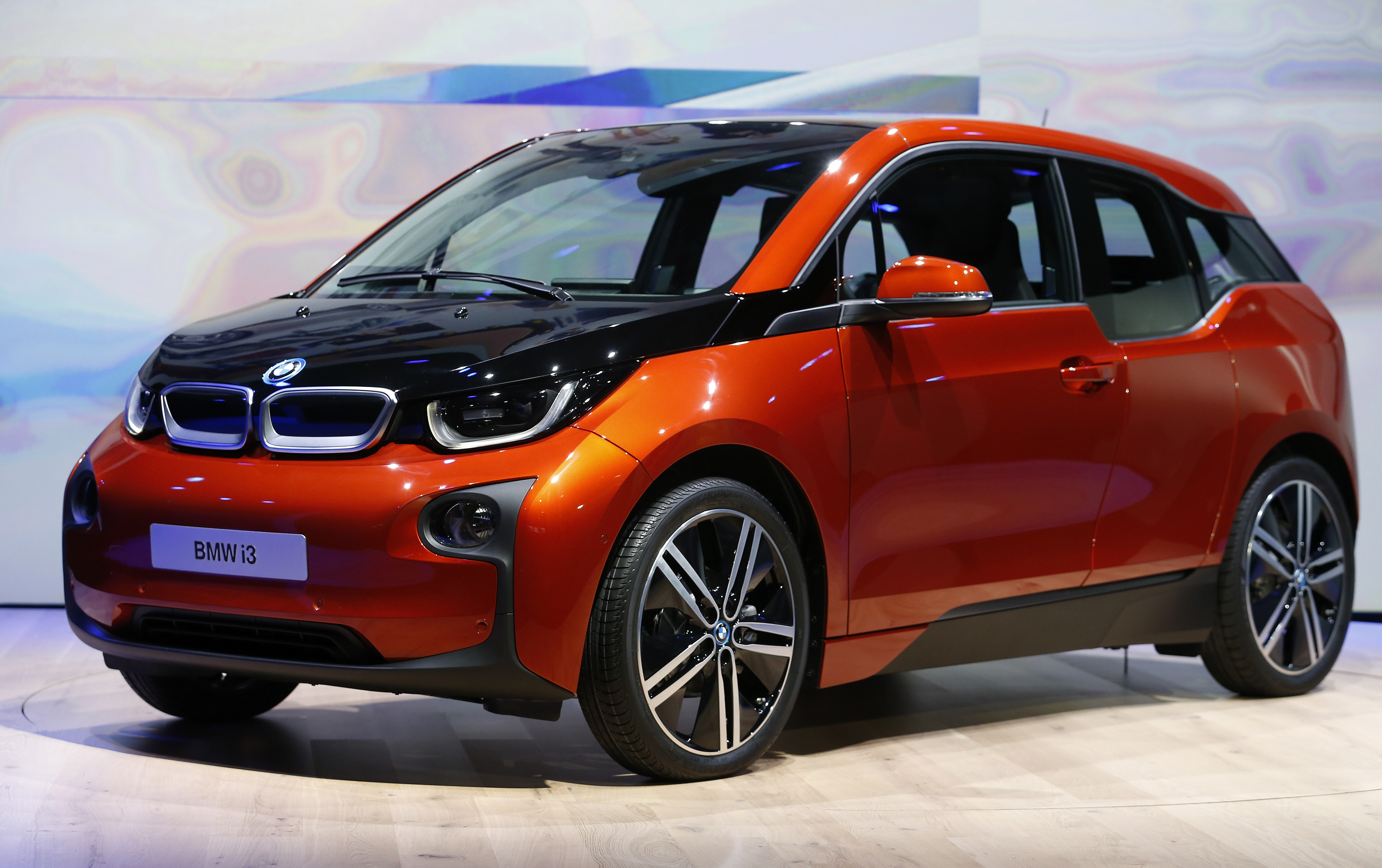
This petite, fully electric two-seater plug-in hybrid intended to be an urban commuter car previously showcased at the Los Angeles Auto Show last December, and as a concept vehicle in previous shows, will hit the marketplace in the second quarter of this year. It can go 80 to 100 miles on a charge.
REUTERS/Andrew Winning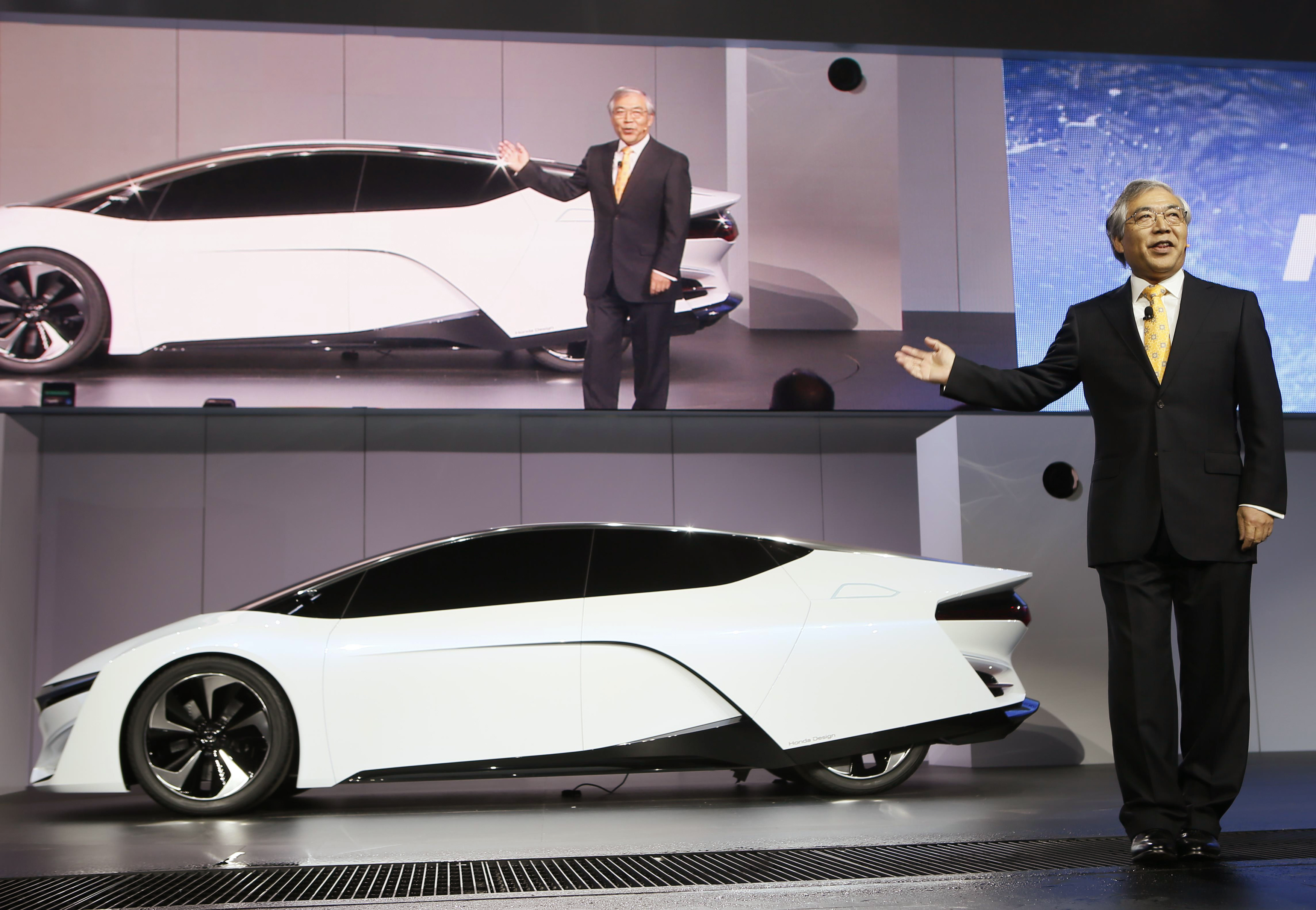
Unveiled at the L.A. Auto Show in November, this sporty looking car of the future was on display at Detroit’s show. Technically it’s a concept car, but Honda has plans for its electric vehicle to go on sale in 2015. The five-passenger sedan has a 300-mile driving range, which will help assure those wary about being stranded without a fuel station nearby. Honda says the car will have the ability to refuel in about three minutes, comparable to a gasoline-powered vehicle.
REUTERS/Lucy Nicholson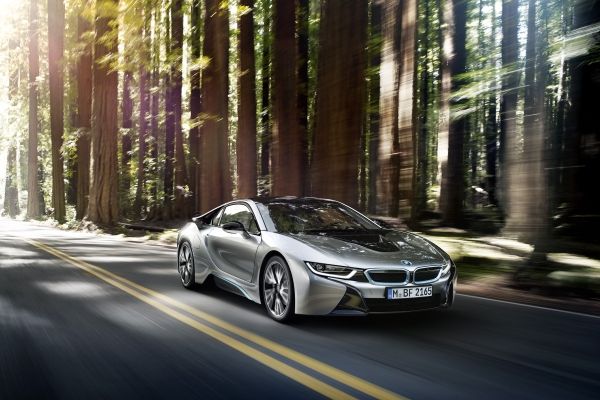
This plug-in hybrid has a gasoline engine that kicks in after the electric range has been exceeded. The super sleek-looking car has doors that open horizontally, making for a futuristic feel. Featured as a concept car at previous shows, it’s slated to go on sale this year.
BMW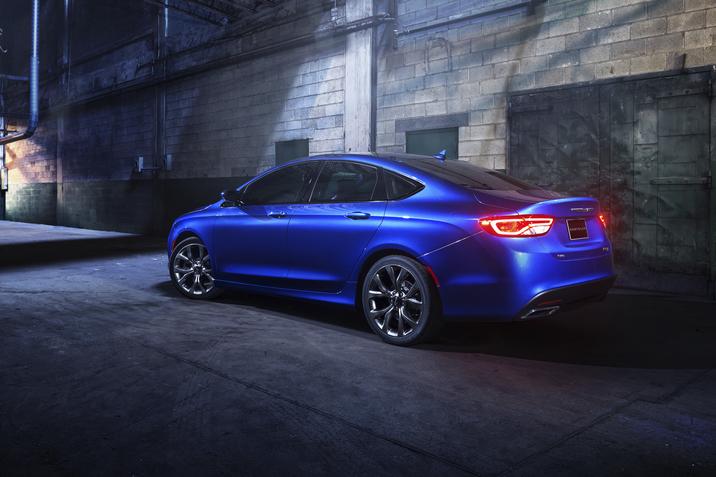
As it enters the competitive mid-size segment, Chrysler is looking to make this vehicle stand out. The automaker used a 9-speed front-wheel-drive planetary-gear automatic transmission to make this vehicle more efficient; it gets 13 percent better fuel economy than the model that preceded it without compromising performance; and horsepower has been posted at 6 percent while torque improvements are 10 percent. Highway fuel economy rates are expected to be 35 miles per gallon.
Chrysler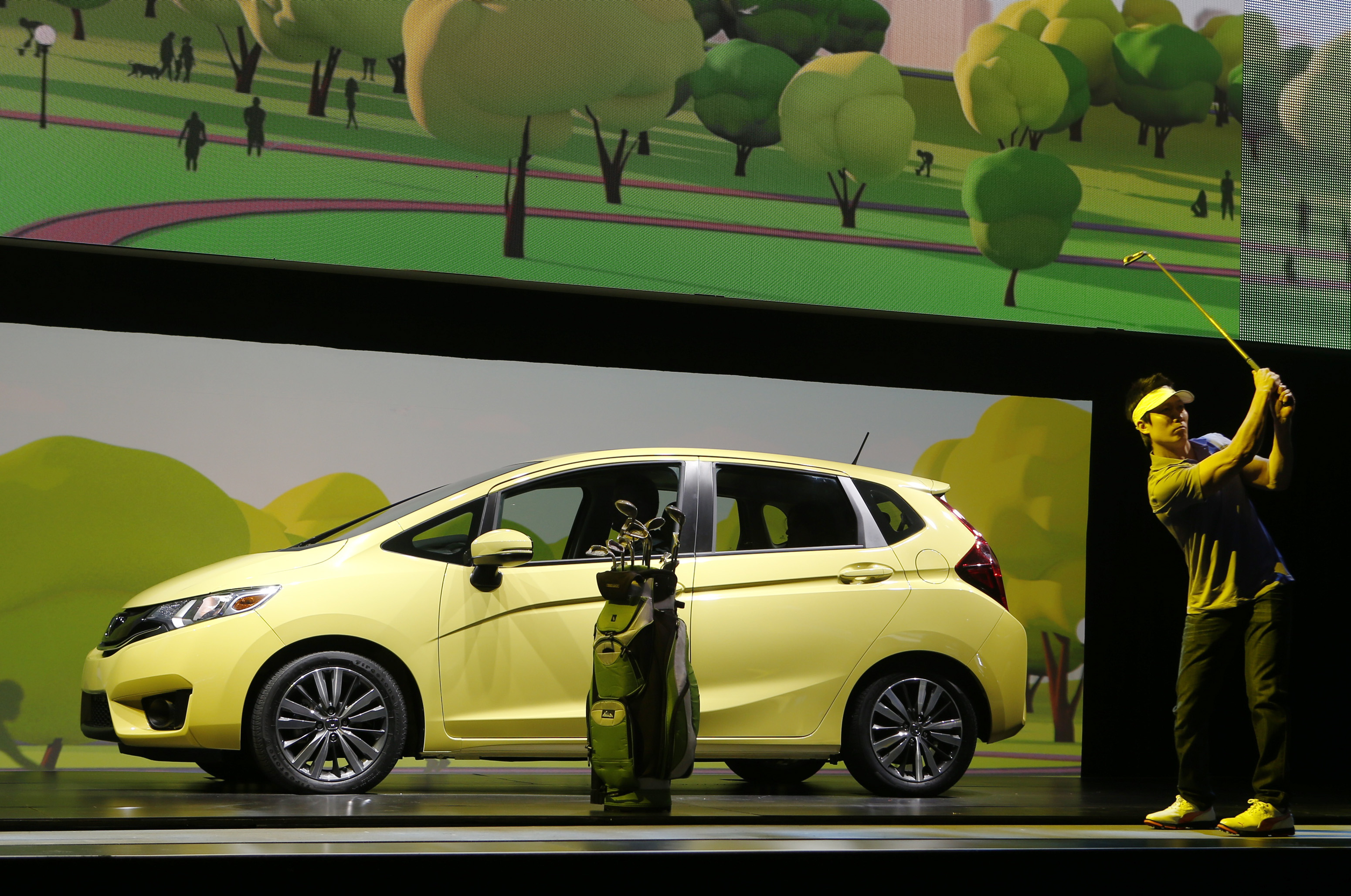
When it was first introduced in 2007, the Fit received acclaim for being a leader in fuel economy but with a sporty look and feel. The 2015 version is even greener. While the 2013 Fit automatic got a combined highway/city mpg of 31 miles per gallon, that number is now up to 36 combined highway/city mpg for the new version, thanks to a new direct-injected VTEC engine. The improved fuel economy doesn’t result in sacrificed performance; the engine output is increased by 11 horsepower over the previous model. There is increased legroom as well.
REUTERS/Rebecca Cook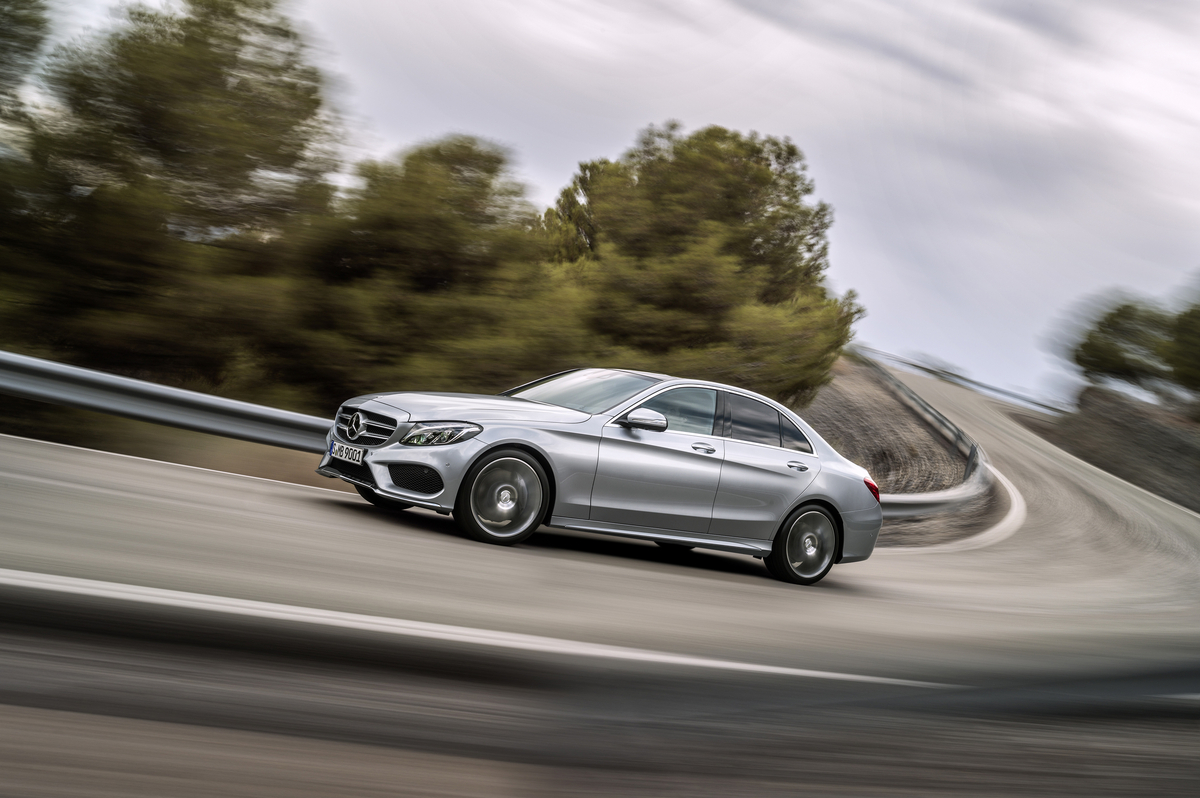
Even luxury automakers – once focused primarily on performance – are looking to make their cars more fuel efficient. The redesign of the Mercedes C-class, Mercedes’ highest-volume car, is part of the luxury automaker’s strategy to lure younger buyers. Better fuel economy means spending less on fuel, which could attract buyers with less disposable income. The automaker has taken 200 pounds of weight out of the car by using lightweight materials, including 50 percent aluminum. The car is expected to be 20 percent more fuel efficient than its predecessor.
Mercedes-Benz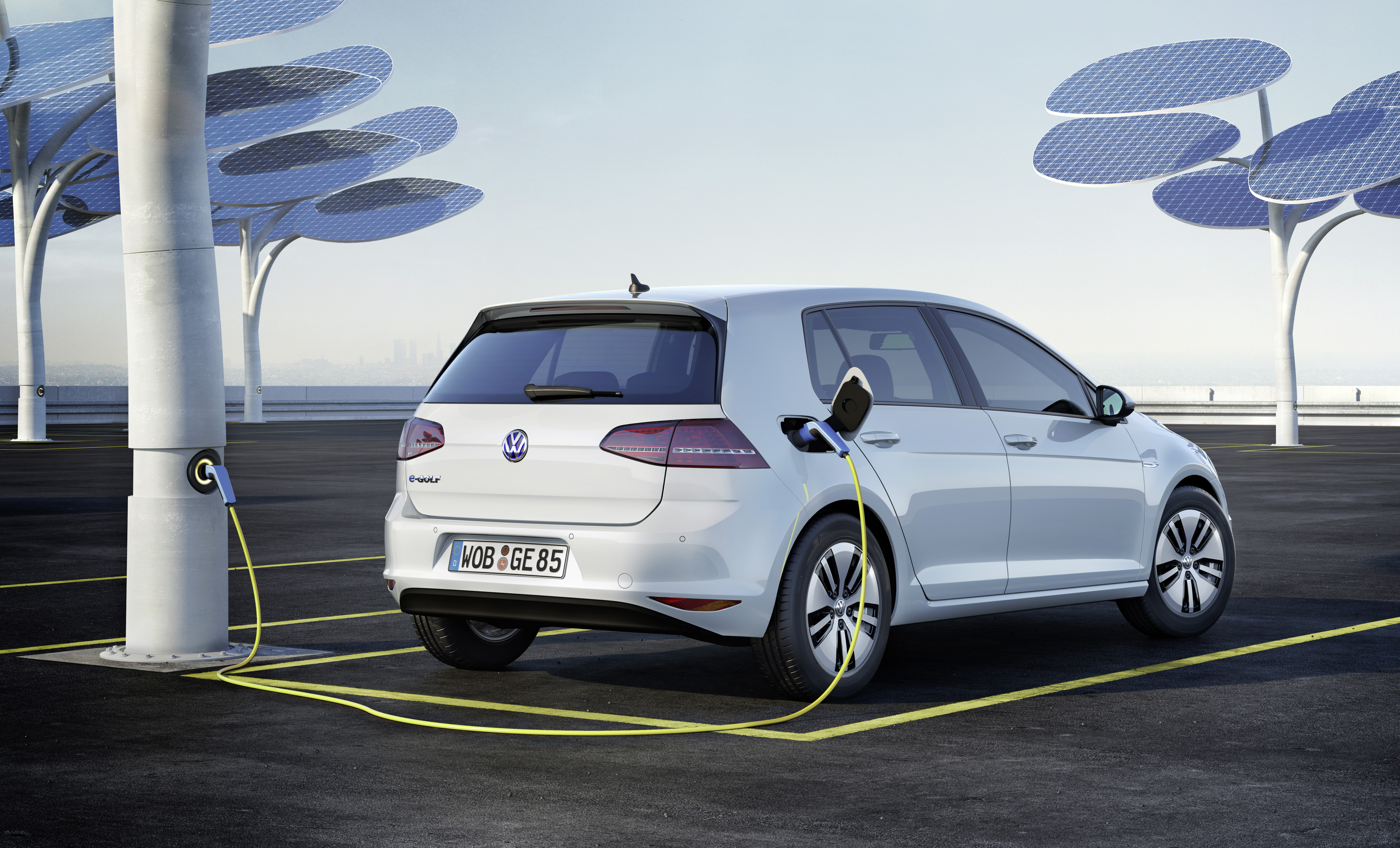
This is VW’s first entry into the electric car market. The all-electric car accelerates from zero to 62 mpg in 10.4 seconds. It can go between 70 to 90 miles on a charge. VW says the cost of driving an e-Golf could be 60 percent lower than driving a comparable gas-powered vehicle.
Volkswagen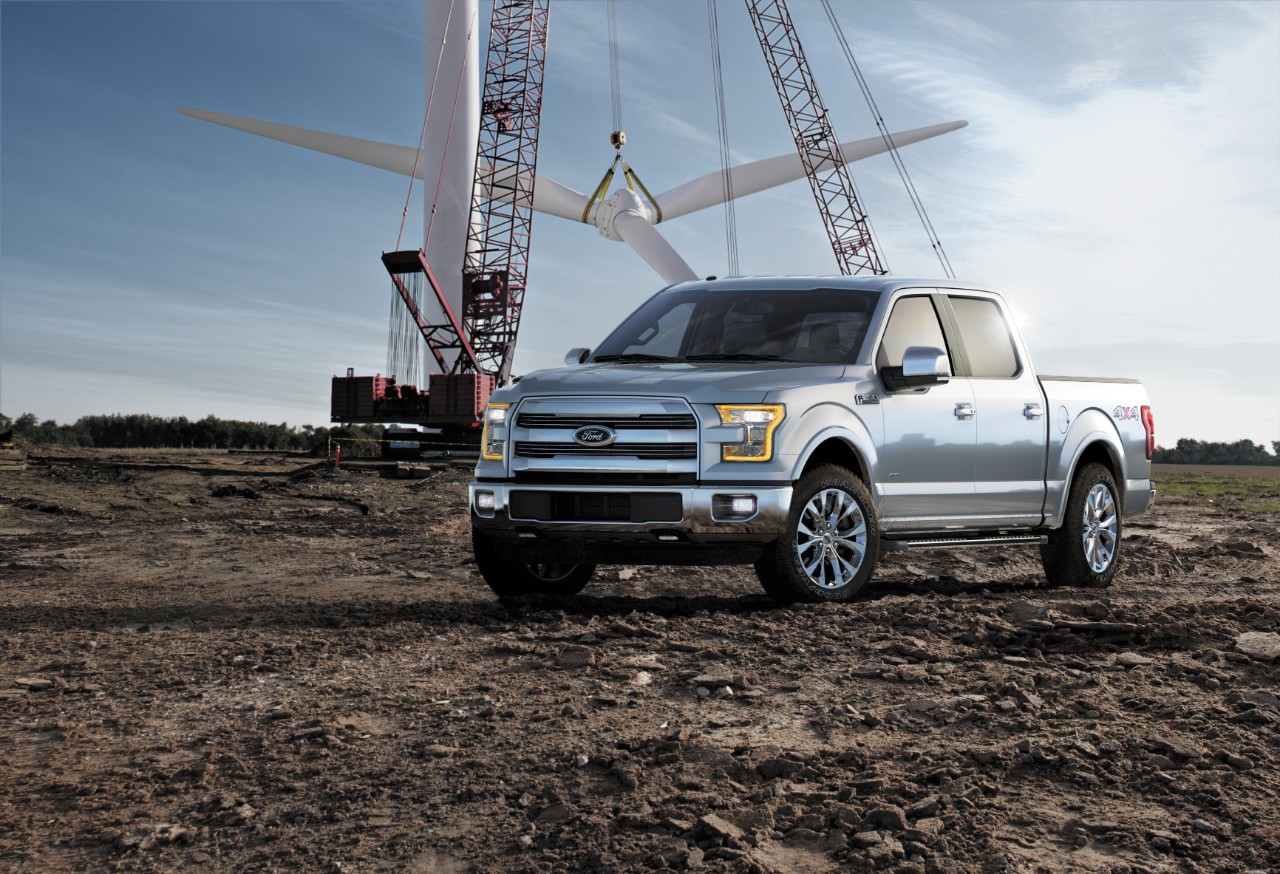
The sheer size, weight, and heft of today’s trucks has challenged automakers in their efforts to improve the vehicles’ fuel economy. The biggest game-changer at the show is Ford’s beloved truck, the best-selling vehicle for the past 32 years. The 2015 model is significantly trimmer, thanks to the use of high-strength aluminum. That shaves 700 pounds off the truck and results in fuel economy numbers of 30 mph that will surely make it best in its class.
Ford