
The 5 Worst Cars at the 2015 Detroit Auto Show
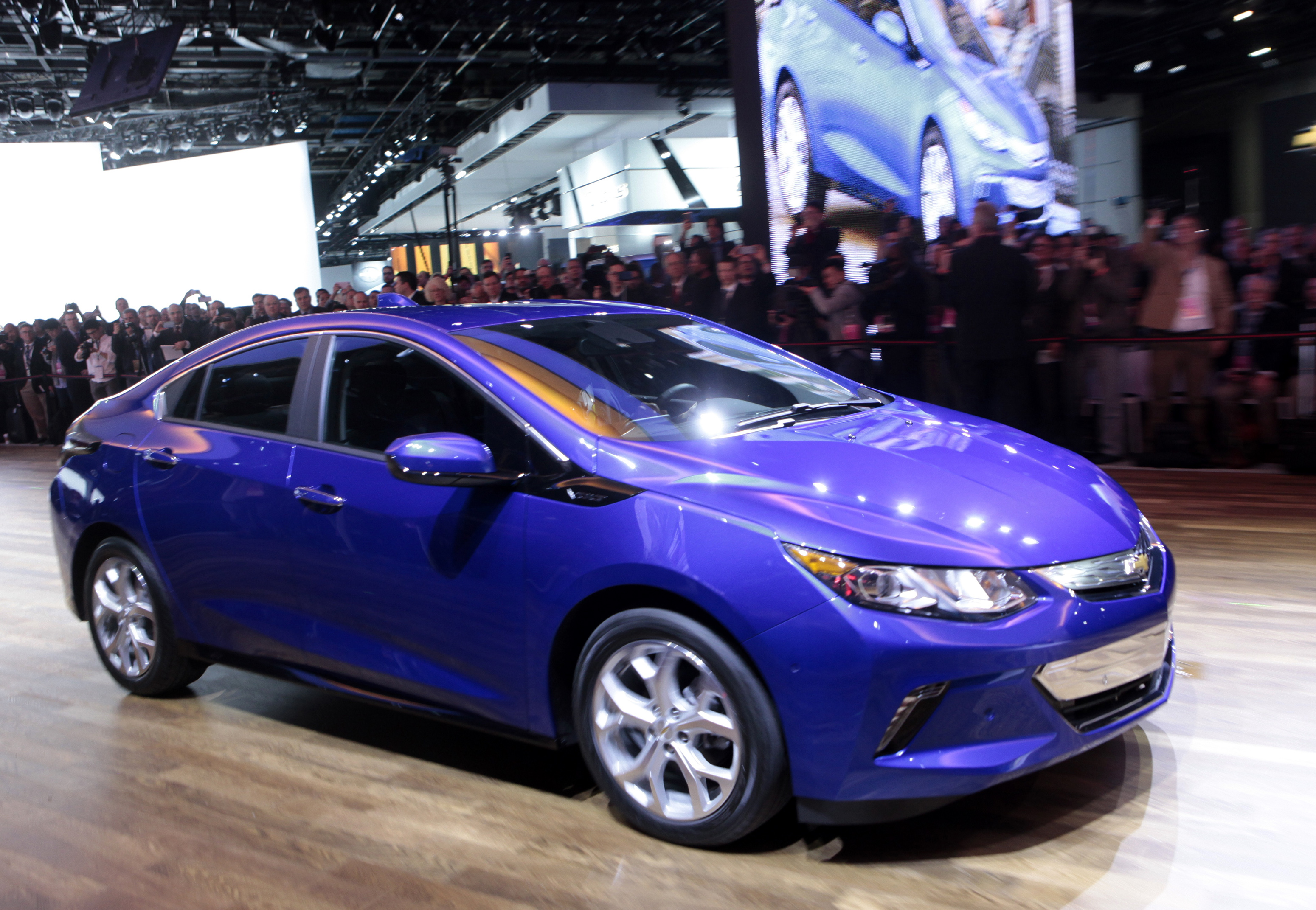
Chevy was one of the first manufacturers to unveil an electric car for the masses when it launched its Chevy Volt in 2010. But its sales were low, due to worries that the battery didn't last long on a charge and could leave drivers stranded. The styling was also boxy and uninteresting. Its 2016 model is intended to address those concerns. General Motors found a way to reduce battery size, so there's now room for three passengers in the back seat instead of just two. But the range increases only slightly, from 38 miles on a fully charged battery to 50 miles. And the styling, while more rounded and a slight improvement over the previous design, isn't nearly bold enough to make a statement about this alternative electric power train. GM's Bolt electric vehicle holds more promise.
© Rebecca Cook / Reuters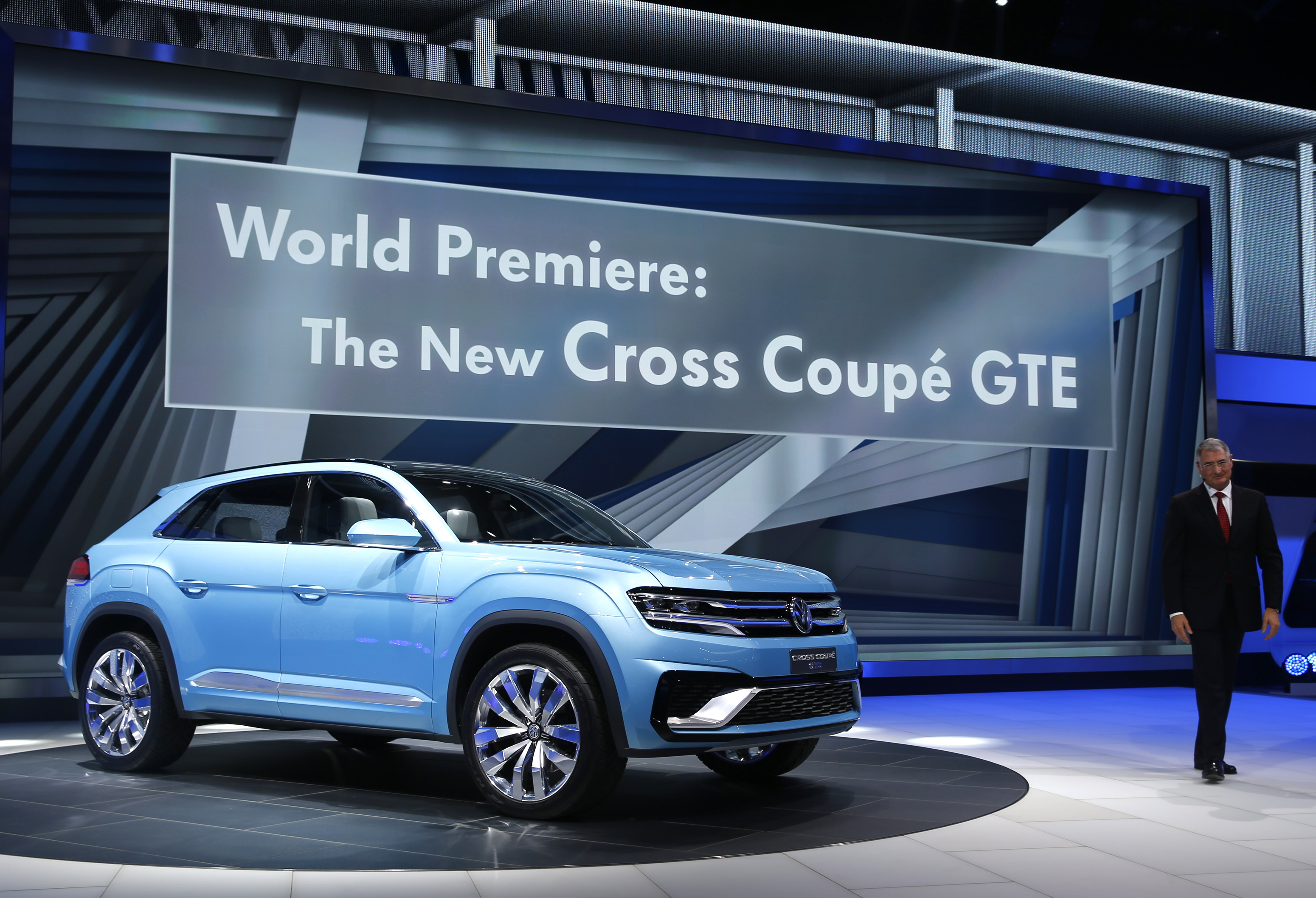
Volkswagen Cross Coupe GTE Concept
Volkswagen got good news when its Golf took the Best Car of the Year award. But its new SUV doesn't follow in the solid track marks of that car. The concept version displayed seats five, though the production version, due at the end of 2016, will seat seven. Even the five-passenger version seemed tight, though, with limited trunk space. The coupe design looks odd here; it would work better on a two-door SUV. The high belt line — the sheet metal that surrounds the car — makes visibility challenging. Giant wheels overpower the vehicle, which also has a roof so low it looks like it's been pushed down, condensing the cockpit. The plug-in hybrid powertrain does offer one perk: 70 miles per gallon of gas mileage. Otherwise, this concept seems ill-equipped to compete in the popular mid-sized SUV segment, a market VW has been eager to join.
© Mark Blinch / Reuters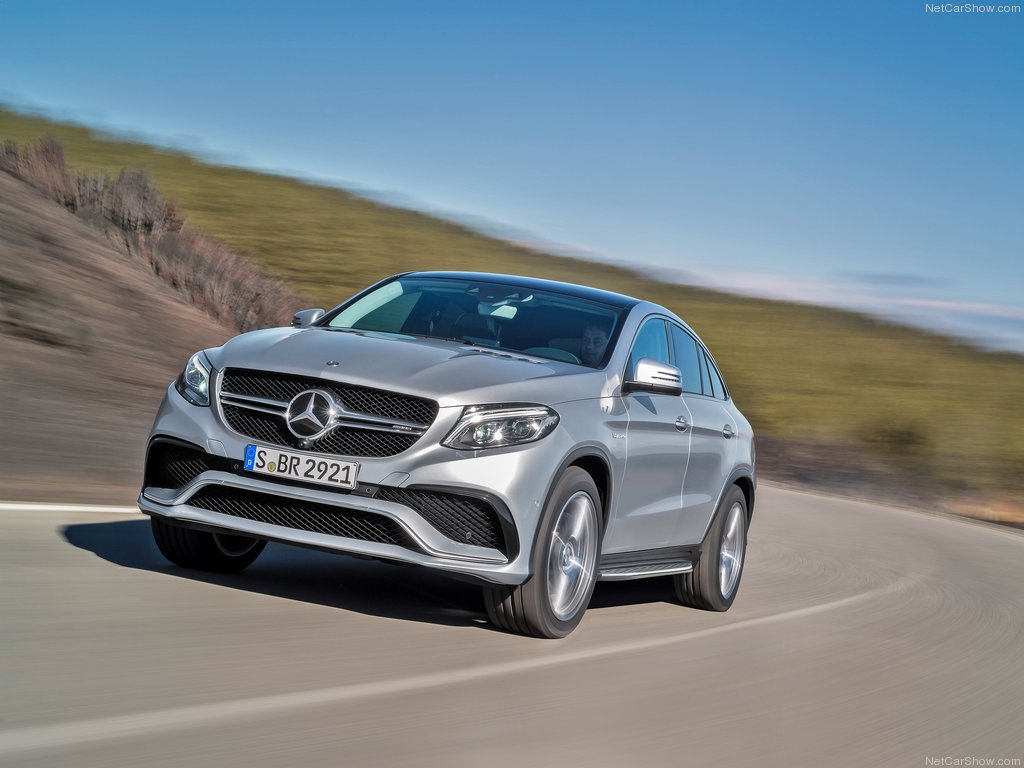
Though Mercedes is to be commended for offering a vehicle that blends the strength of an SUV with the sporty coupe feel, the outcome here sacrifices the classy exterior that’s a hallmark of Mercedes. The front grill is especially wide and pronounced and there's only a small amount of glass around the vehicle, resulting in a less sleek look. Mercedes missed the mark in what’s already a crowded segment.
Mercedes-AMG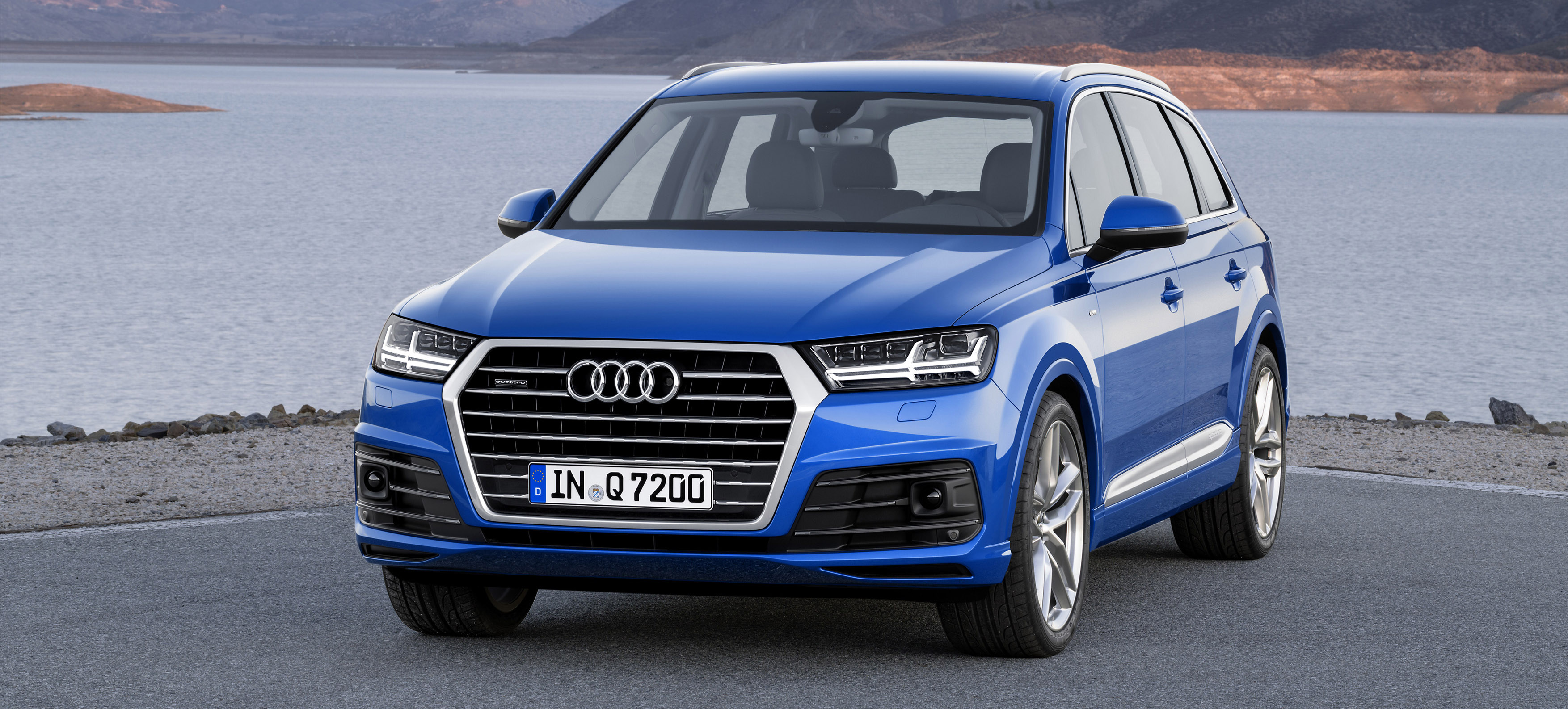
Audi has been eager for an offering in the highly profitable premium SUV segment. But with this sector becoming increasingly competitive, it could do more in styling and design to stand out from the crowd. The Q7 is a refresh of a previous model, but doesn't look much different from the outside than it did in the past. The interior helps compensate for the rather ordinary exterior; it's got all the bells and whistles. This model is one of the first to offer an Audi tablet for rear seat passengers and smartphone integration with Google Android Auto and Apple CarPlay. The diesel engine contributes to improved fuel economy of 41.3 miles per gallon — impressive for such a large vehicle.
Audi/Jalopnik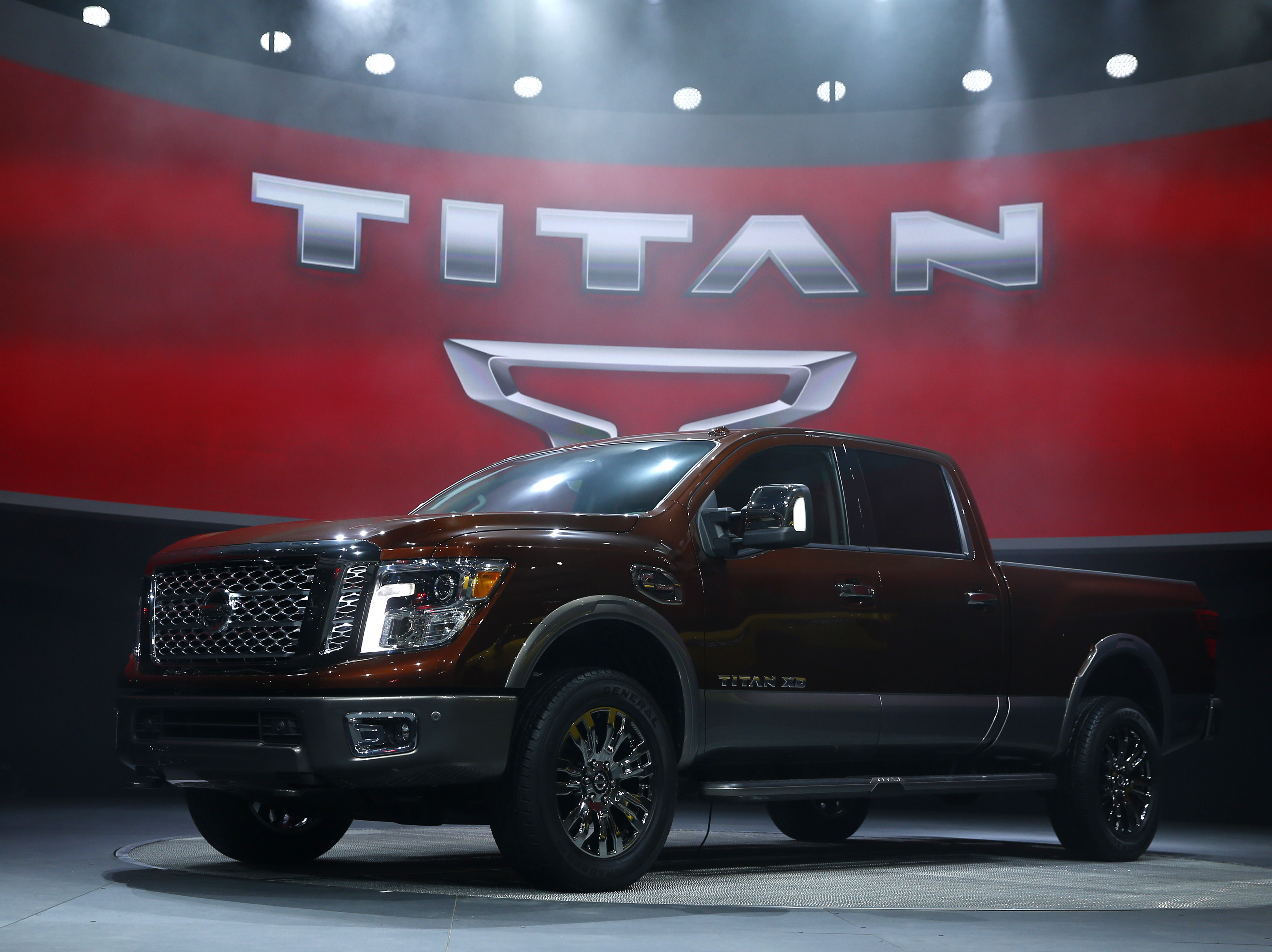
Nissan's new truck model has many features that make it a capable full-sized pick-up, improved from its previous model. It needs to do more, though, to stand out against such major names as the Ford F-150, the Chevy Silverado and Dodge RAM. Nissan hasn't provided a particularly compelling reason for extremely brand-loyal truck owners to switch over. Yes, the Titan can tow more than 12,000 pounds and has a powerful Cummins diesel engine that results in projected 20 percent better fuel economy than a gasoline-powered V8 while towing full loads. Front storage has been increased 33 percent and rear storage 28 percent over the previous generation. But the competitors also plenty of significant perks, especially the 150, which won Truck of the Year at the show.
© Mark Blinch / Reuters