
Born in the USA: 24 Iconic American Foods
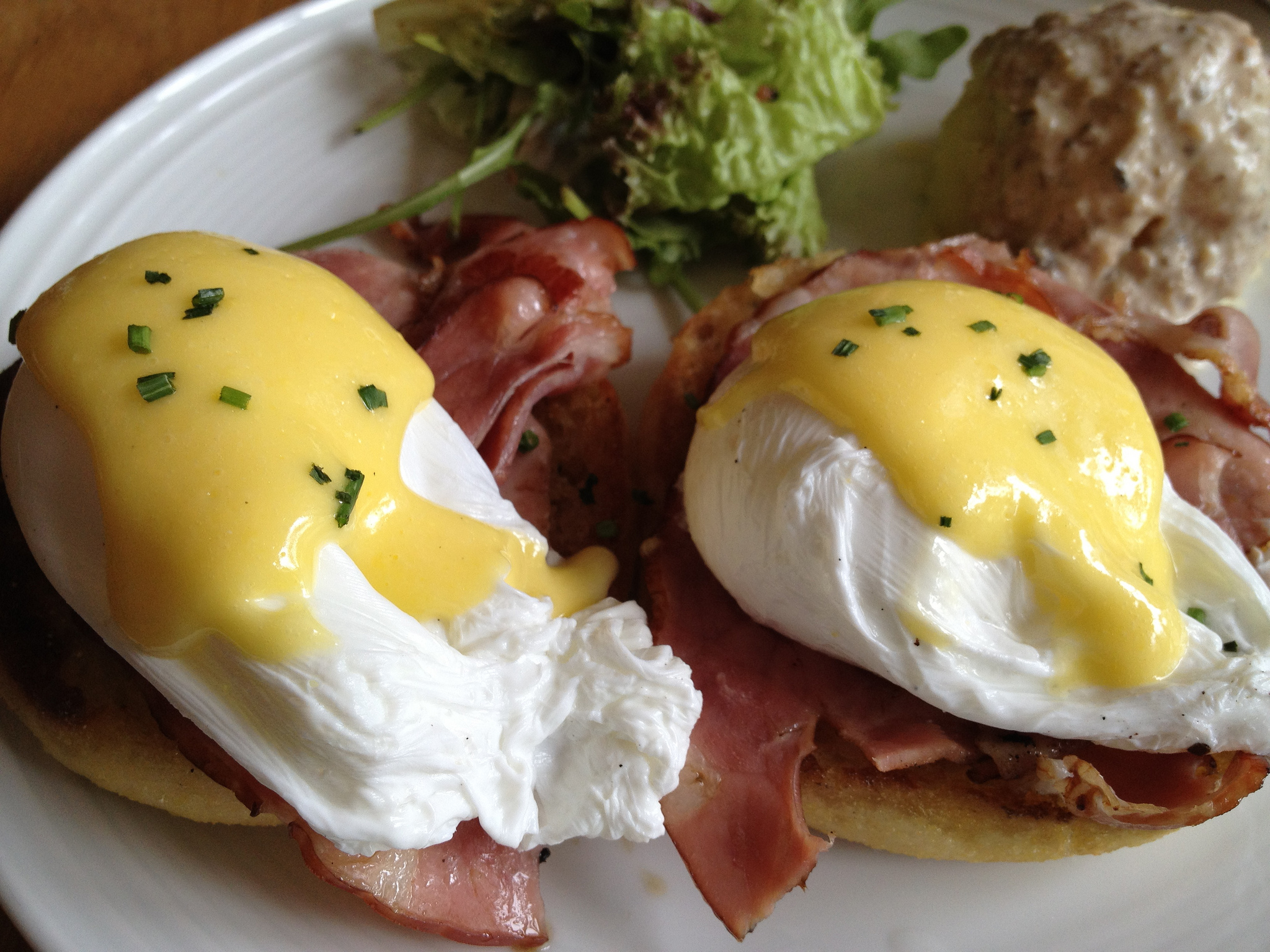
The creation of this dish can either be attributed to a hung-over stockbroker named Lemuel Benedict or an elderly pope with a queasy stomach named Pope Benedict XIII. Apparently, Benedict the stock broker woke up one morning at the Waldorf Astoria hotel and asked for two poached eggs and bacon on buttered toast, with hollandaise sauce on the side. A sharp-eyed maître’d spotted the sandwich, substituted ham for bacon, used English muffins instead of toast and put the whole affair on the menu.
Flickr/Benjamin Ho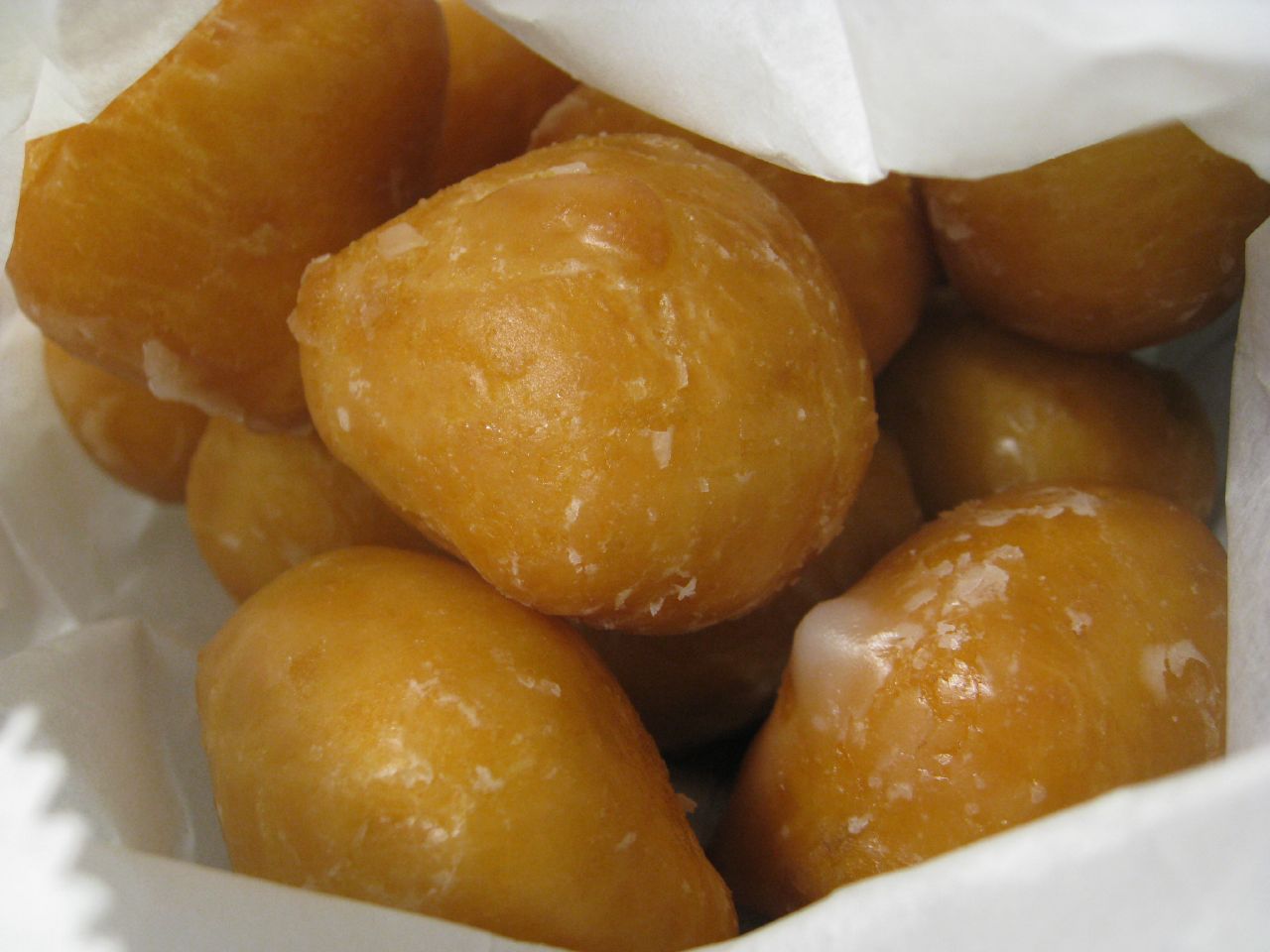
Captain Hanson Gregory, a native of Rockport, Maine, claimed in 1847 to be the first man to put a hole in a doughnut, using the cover of a tin pepper box as a knife. The first doughnuts brought to America by the Dutch and called “olykoeks” (oily cakes) were made out of dough and nuts. Eventually, enterprising businessmen saw an opportunity to sell the leftover “holes.” Dunkin’ Donuts calls the holes Munchkins.
Flickr/Pengrin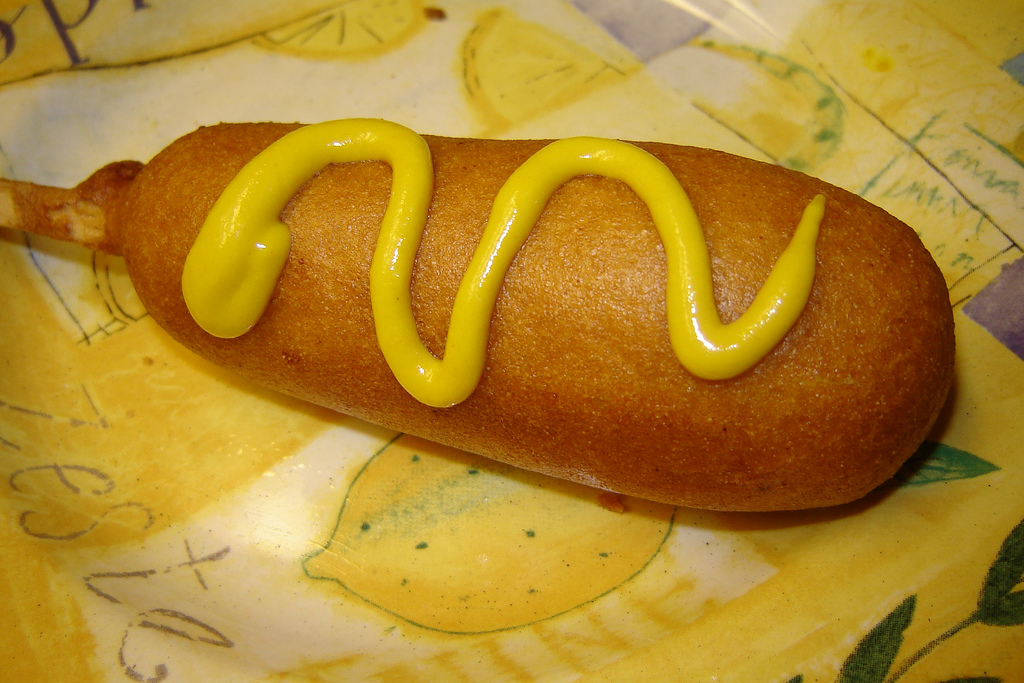
At the 1941 Pacific International Livestock Exposition in Portland, Oregon, they were called Pronto Pups. A year later, they were sold as Corny Dogs at the Texas State Fair. Today, corn dogs (hot dogs on a stick wrapped in deep-fried corn batter) continue to be a familiar sight at state carnivals and fairs.
Flickr/Adreanna Moya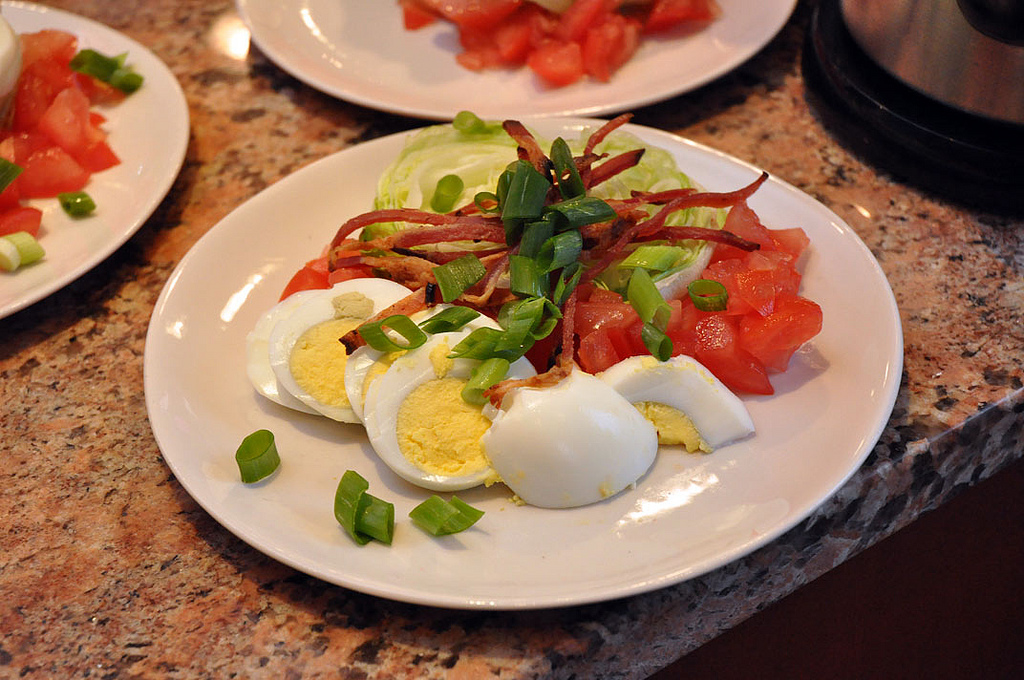
Bob Cobb, the owner of Hollywood’s famed Brown Derby, invented the Cobb salad in 1937 with his friend, Sid Grauman, the owner of Grauman’s Chinese Theatre. Too tired to cook one night, the men raided the refrigerator to see what leftovers they could find: avocado, bacon, a hard-boiled egg, cheese, and chicken made their way into a salad with French dressing.
Flickr/Didricks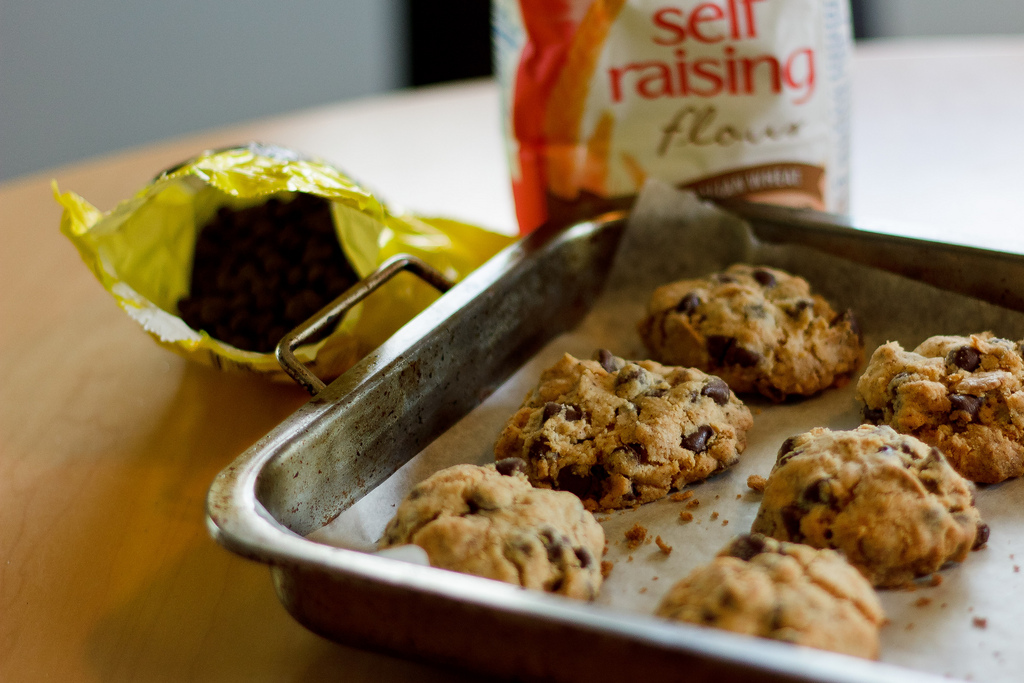
In 1930, Ruth Wakefield, owner of the Toll House Inn in Whitman, Massachusetts, was making chocolate cookies when she ran out of baker’s chocolate and used broken pieces of Nestlé’s semi-sweet chocolate instead. She called her accidental creations “Toll House Crunch Cookies.” In exchange for printing the Toll House Cookie recipe on its packages, Nestlé gave Wakefield a lifetime supply of chocolate.
Flickr/Dave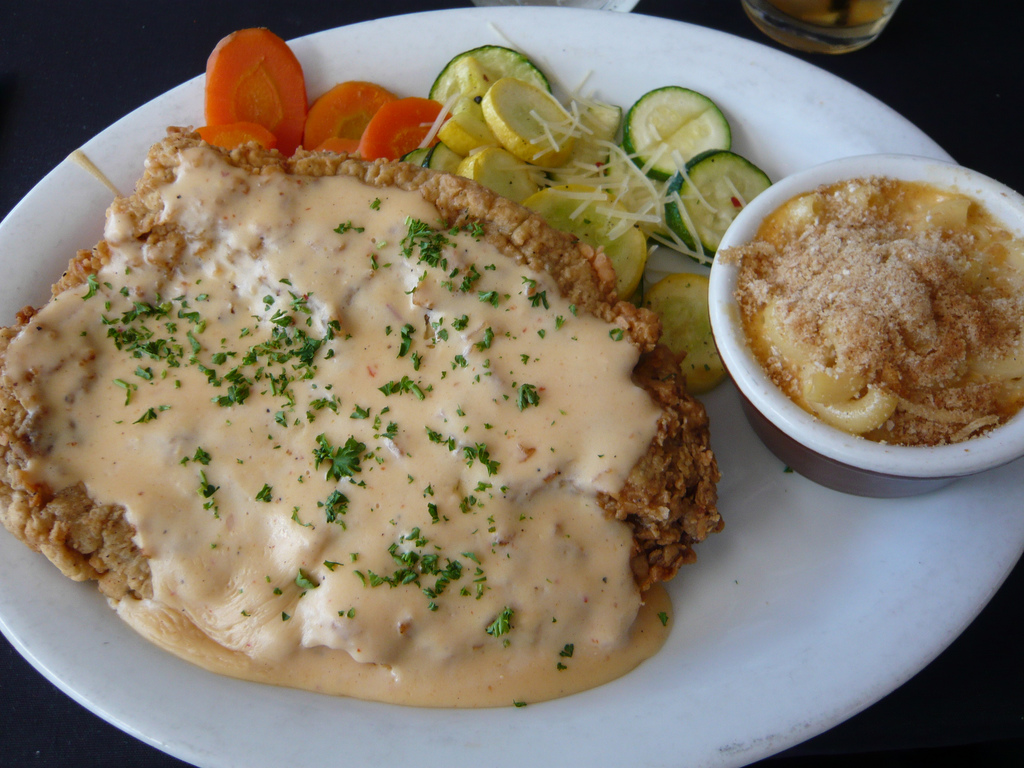
Has anyone ever noticed how chicken fried steak bears a strong resemblance to Weiner schnitzel? When Austrian and German immigrants arrived in Texas, they adapted their veal recipe using beef instead. Battering and frying meat is a tradition in Texas. Lamesa, Texas, hosts an annual Chicken-Fried Steak Festival, and the state even declared its own Chicken Fried Steak Day in 2011. Credit for the creation usually goes to John “White Gravy” Neutzling from Bandera, in Texas Hill Country.
Flickr/Jessica Spengler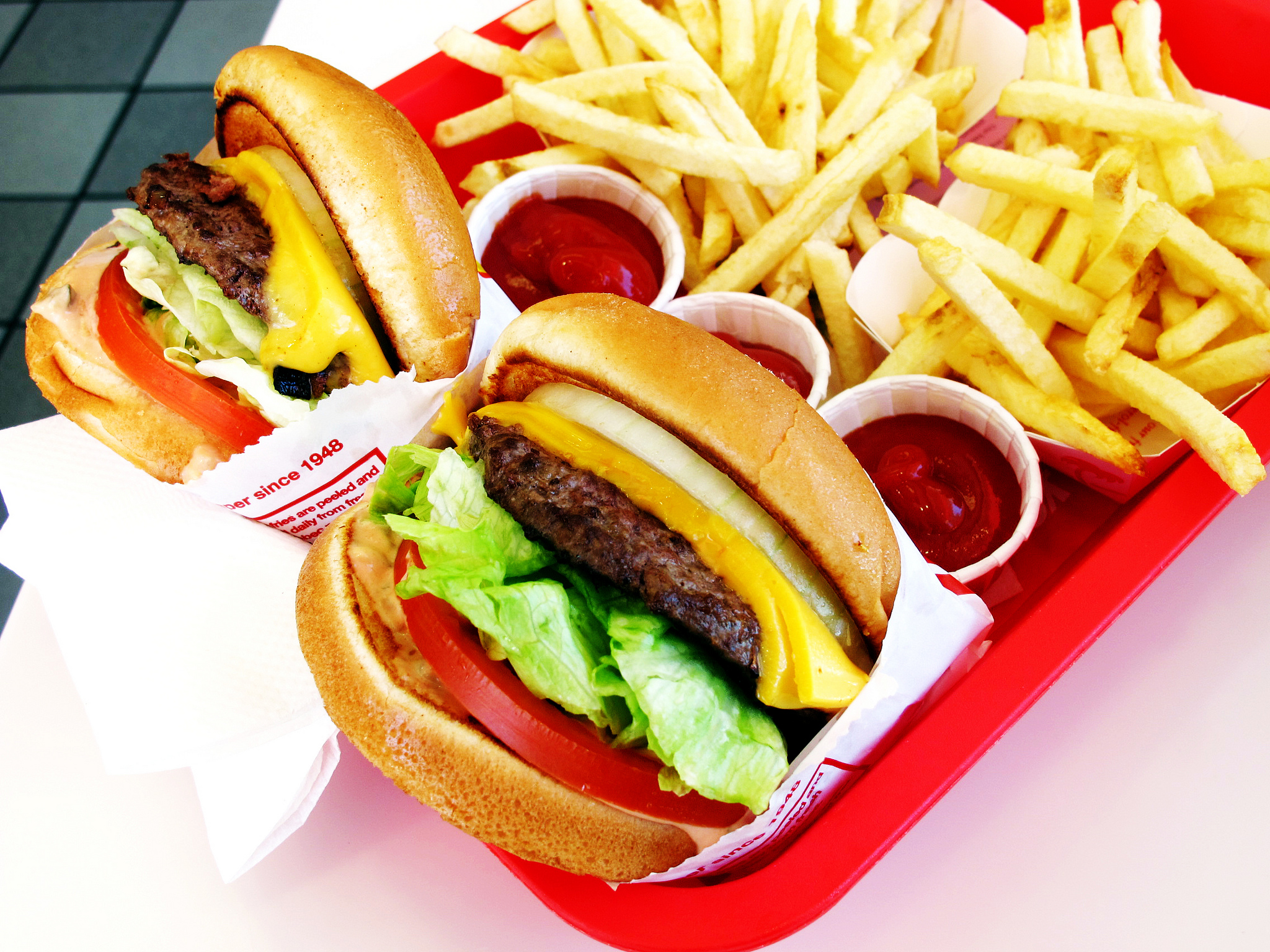
The Menches brothers are often credited with inventing the hamburger at the Hamburg Fair in New York in the 1880s. (They were supposedly forced to substitute ground beef in their pork patties when they ran out of sausage.) But others say it was 16-year-old Louis Lassen who slapped the beef patty in between two slices of white bread for a customer at his New Haven lunch stand in 1900. Louis subsequently served his burgers with a cheese spread instead of ketchup. A third theory says that a young chef in California, Lionel Sternberger, accidentally burned a burger on the grill and covered up his mistake with cheese.
Flickr/Jessica Spengler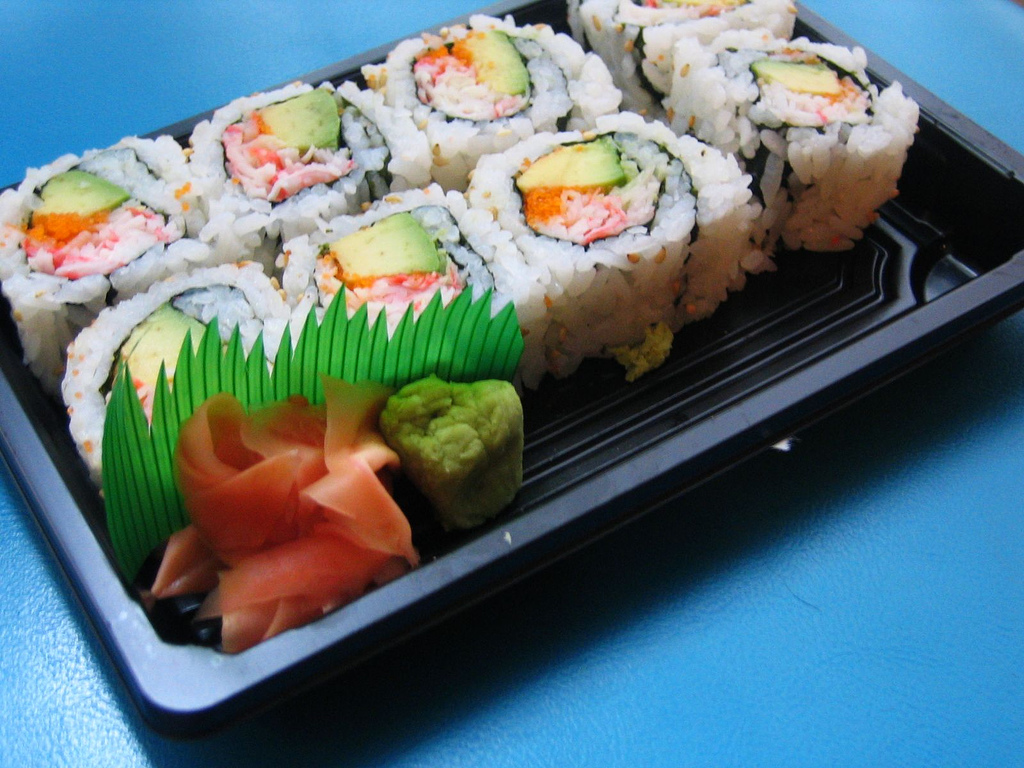
In the late 1960s and early 1970s, sushi chefs in Los Angeles searched for a way to introduce sushi to Americans who were squeamish about consuming raw fish. The Tokyo Kaikan restaurant in Los Angeles debuted an “inside out” roll with the nori, or seaweed, on the inside of the rice, and used imitation crab, cucumber and avocado in the place of raw tuna.
Flickr/Rakka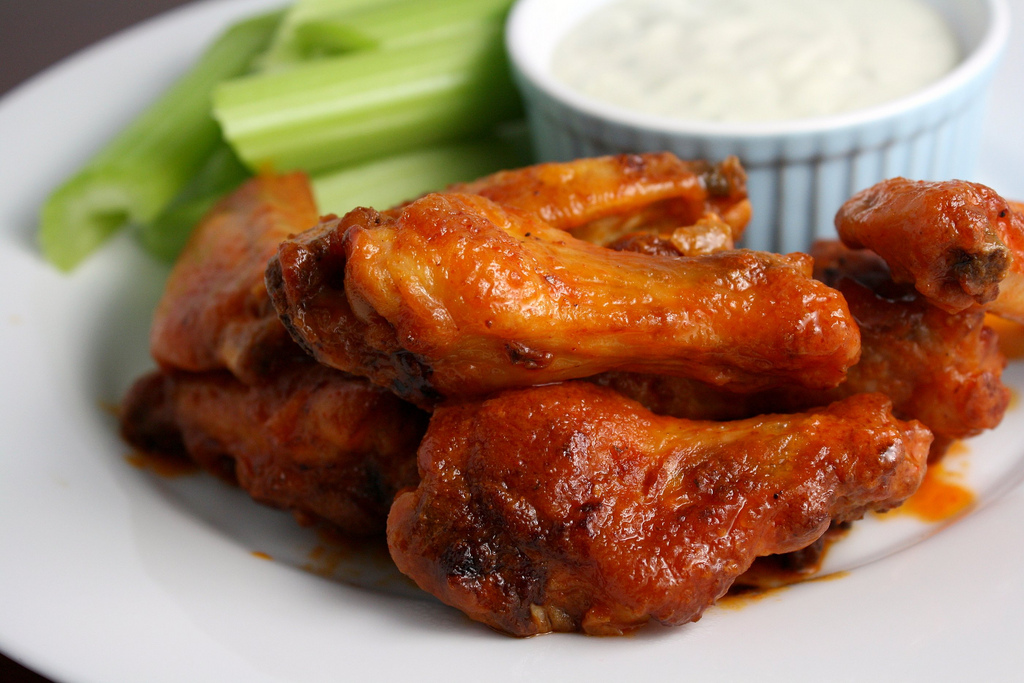
The city of Buffalo, New York, hosts a Buffalo Chicken Wing Festival every Labor Day weekend. Some credit John Young and his “mambo sauce” for the fiery, spicy wings, while others say it was Teressa Bellissimo who first got the idea to toss chicken wings in cayenne pepper hot sauce and butter in 1964.
Flickr/Esimpraim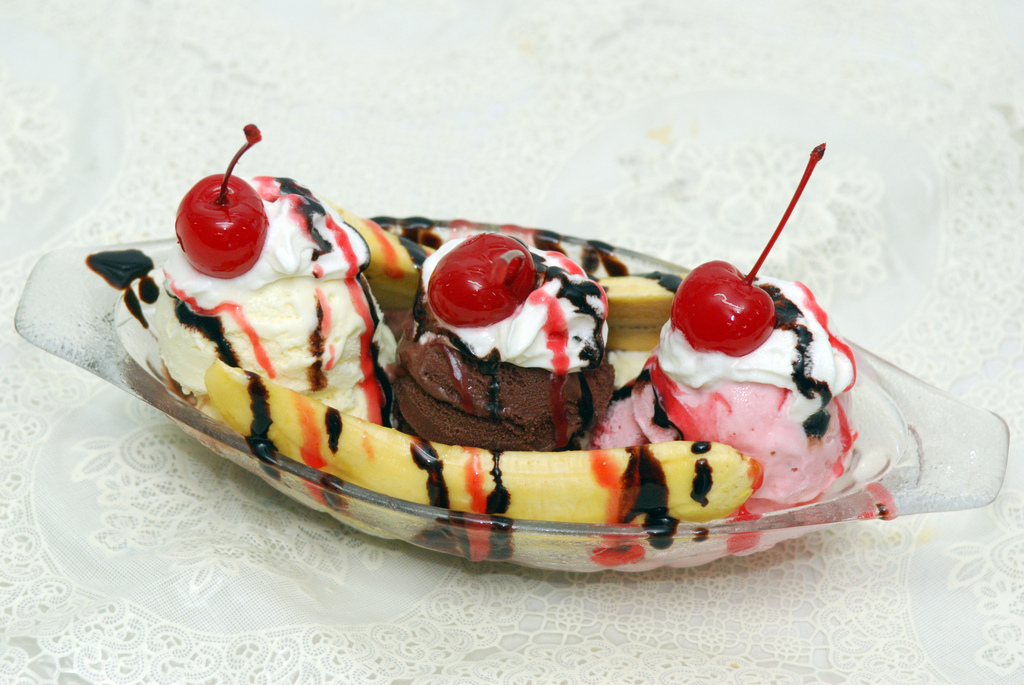
Banana splits were either first whipped up by David Strickler, an optometrist experimenting at a pharmacy soda fountain in Latrobe, Pennsylvania, in 1904, or Ernest Hazard, a restaurant owner in Wilmington, Ohio, in 1907. Dessert lovers are happy to split the difference. By the 1920s, banana splits had become a signature dish at a Chicago Walgreens.
Flickr/Edward Allen Lim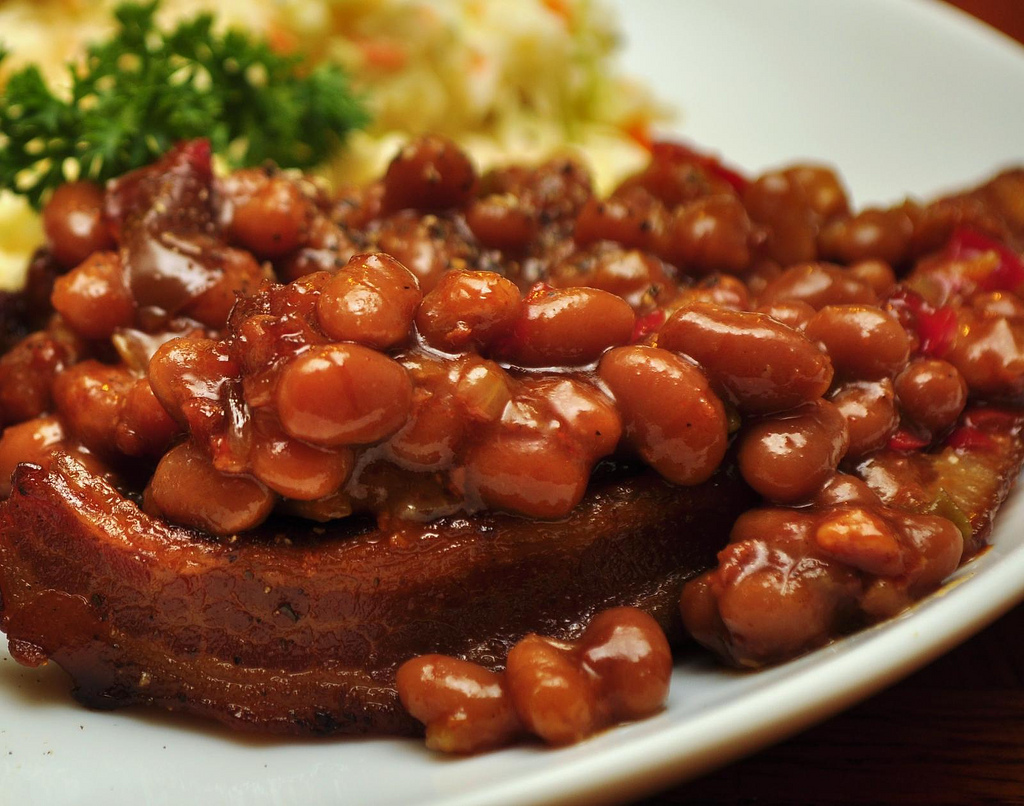
Native Americans first baked beans with fat and maple syrup in a clay pot. Later, early colonists substituted pork and molasses. Baked beans became a popular dish in the late 1700s and the dish became a diet staple in Boston, which was declared “Bean Town” in the summer of 1907. Harry Heinz launched his food empire on baked beans in 1895.
Flickr/JeffreyW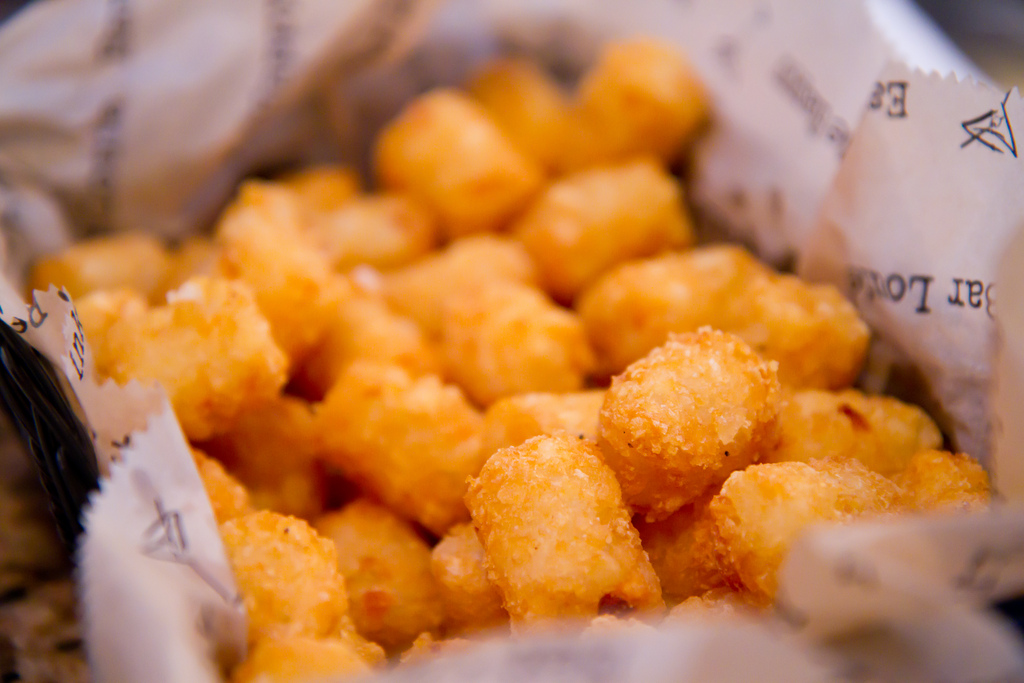
Tater Tots were first invented in 1953 at the Ore-Ida labs when company founders F. Nephi Grigg and Golden Grigg were trying to figure out what to do with the scraps of potatoes left over from making french fries. They decided to mash the bits up with flour and seasoning and shape them into tiny cylinders. A young housewife, Clora Lay Orton, won a contest to name them. Today Americans eat over 70 million pounds of Tater Tots annually.
Flickr/Brandon Dimcheff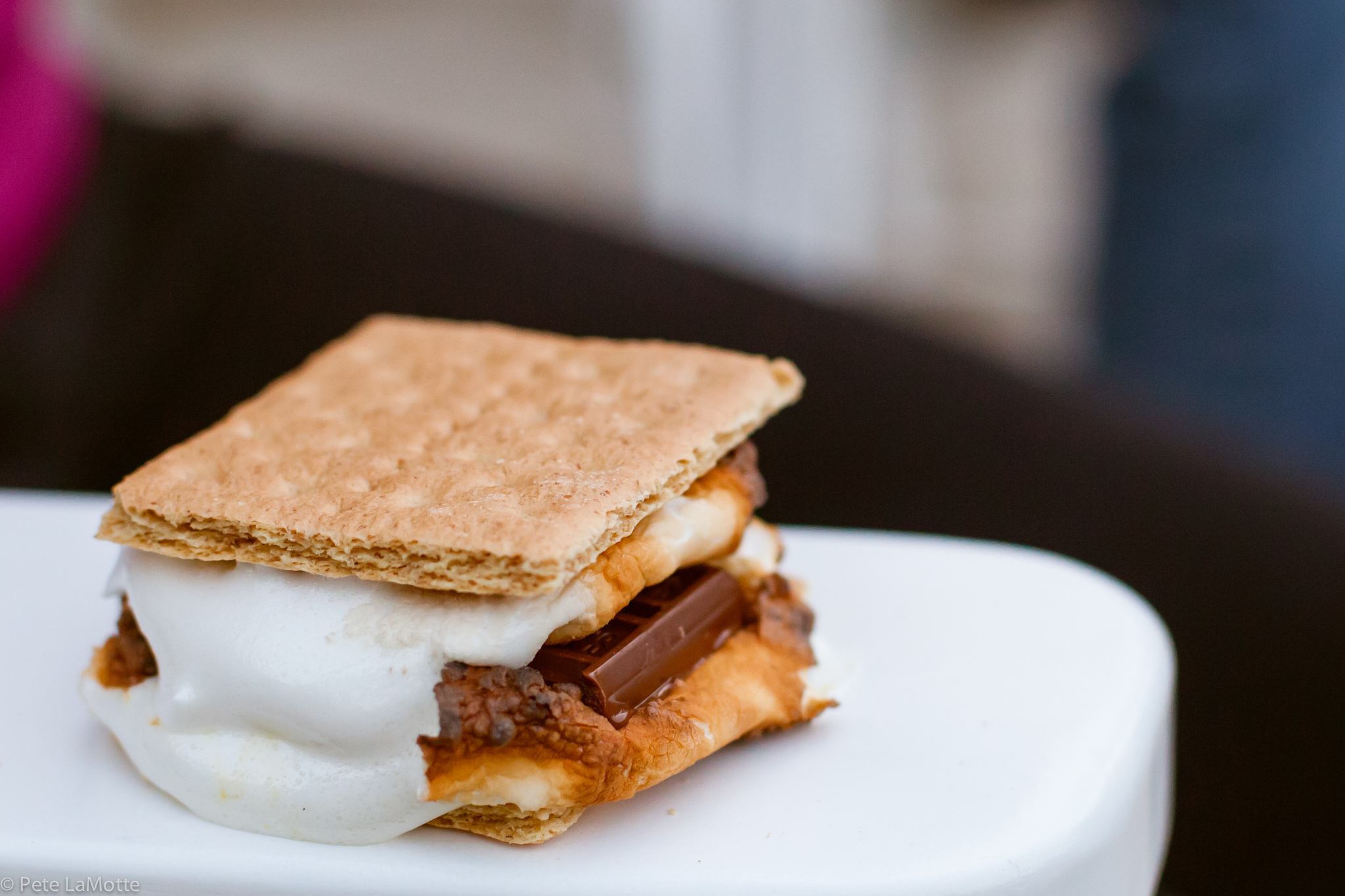
Camping sites and campfires just wouldn’t be the same without s’mores, melted marshmallows and chocolate layered between Graham crackers. A recipe for s’mores first appeared in the Girl Scout Guide “Tramping and Trailing with the Girl Scouts” in 1927. August 10th is National S’mores Day.
Flickr/Pete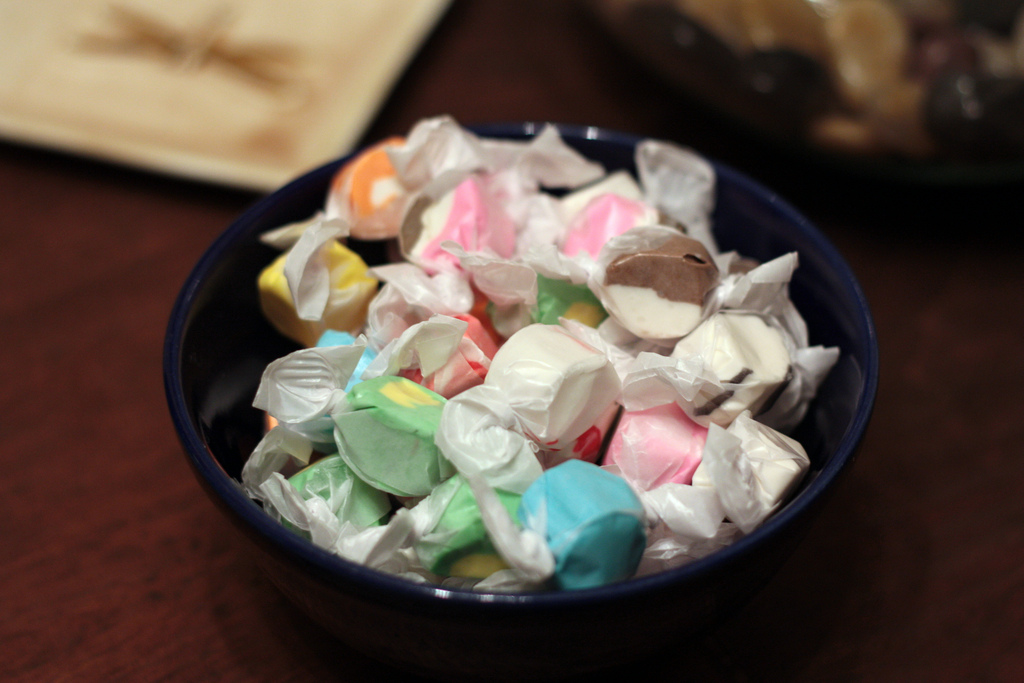
As legend has it, vendor David Bradley accidentally made saltwater taffy on an Atlantic City boardwalk in the 1880s, when strong winds blew ocean spray onto his fresh batch of cooling taffy. Taffy and boardwalks have been inseparable ever since.
Flickr/Sean Freese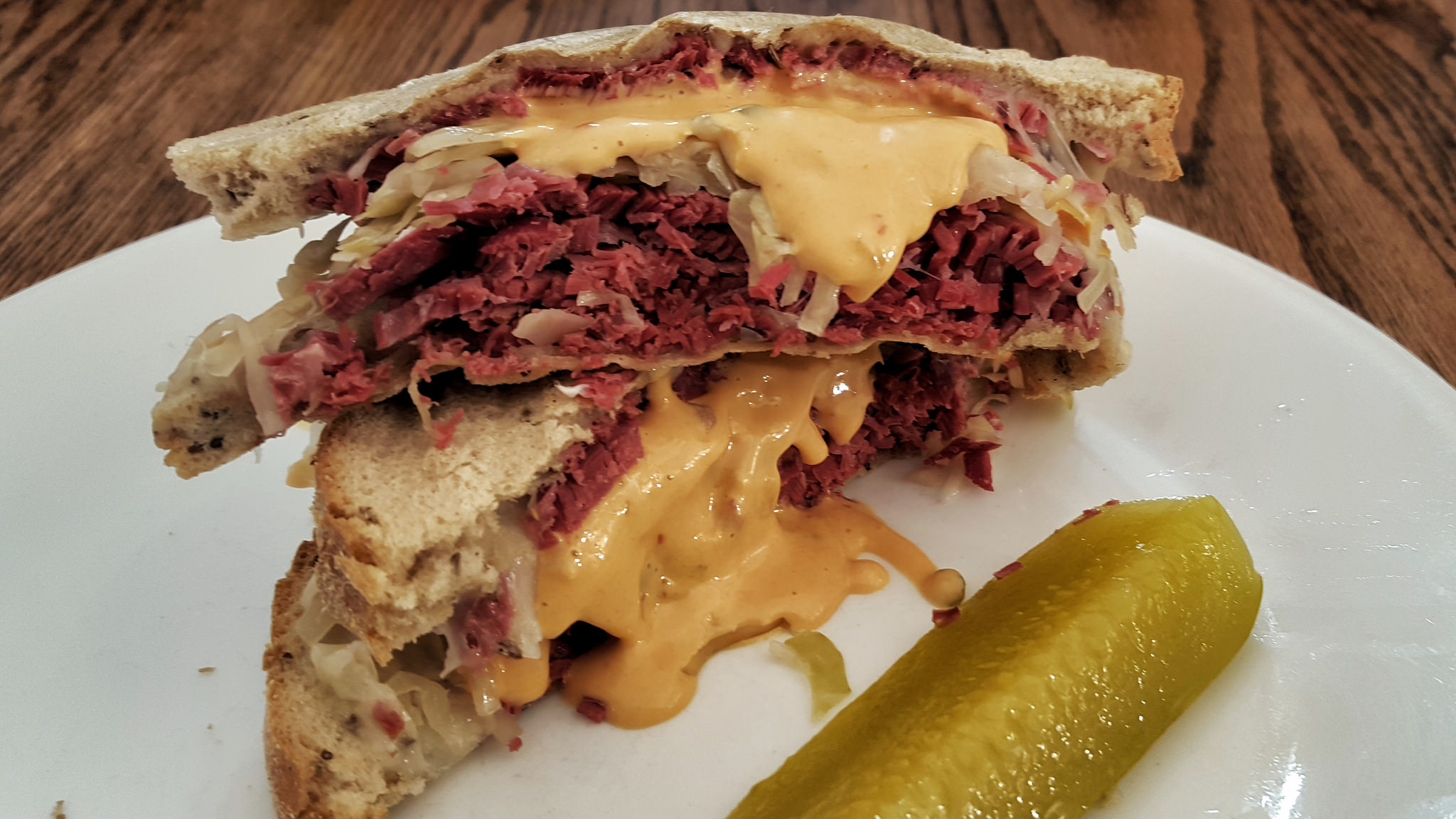
Putting together pastrami or corned beef, sauerkraut and homemade Russian dressing might have been the idea of Arnold Rueben, the German owner of New York’s Reuben’s Delicatessen in 1914. Or it may have been the inspiration of grocer Reuben Kulakofsky, who fed a version of the sandwich to hungry poker players at Omaha’s Blackstone Hotel in 1925.
Flickr/JeffreyW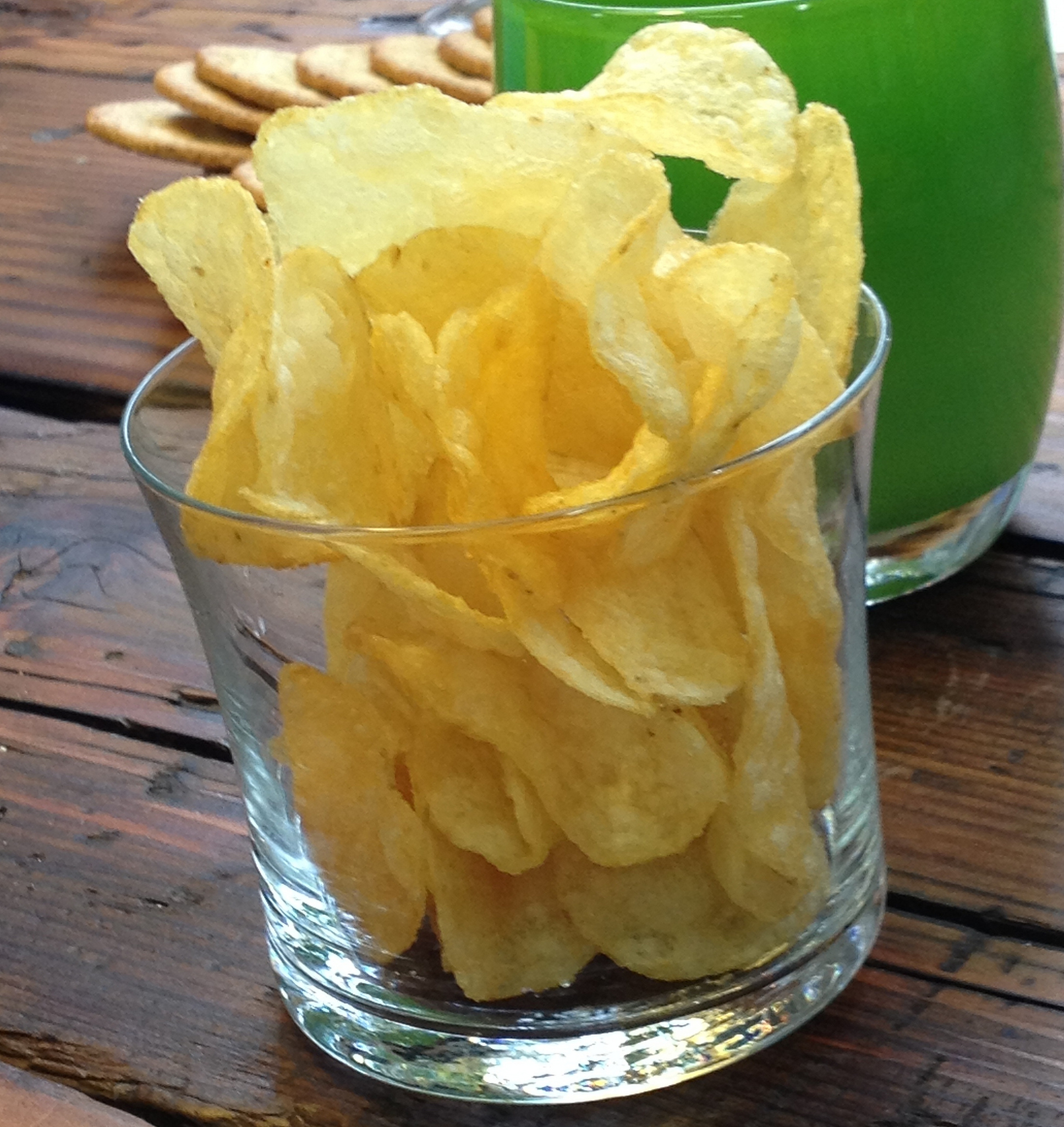
Potato chips were first created in 1853 by George Crum, a chef of African and Native American descent, who was working at the Moon Lake Lodge in Saratoga, New York. When a customer, reputed to be Cornelius Vanderbilt, complained that the French fries were too thick, Crum cut the potatoes into thinner slices and fried them until they were crispy. The savory delicacy soon became known as Saratoga chips. Traveling salesman Herman Lay created the first national brand of potato chips, Lay’s, after selling them out of his car trunk.
Flickr/Jameson Fink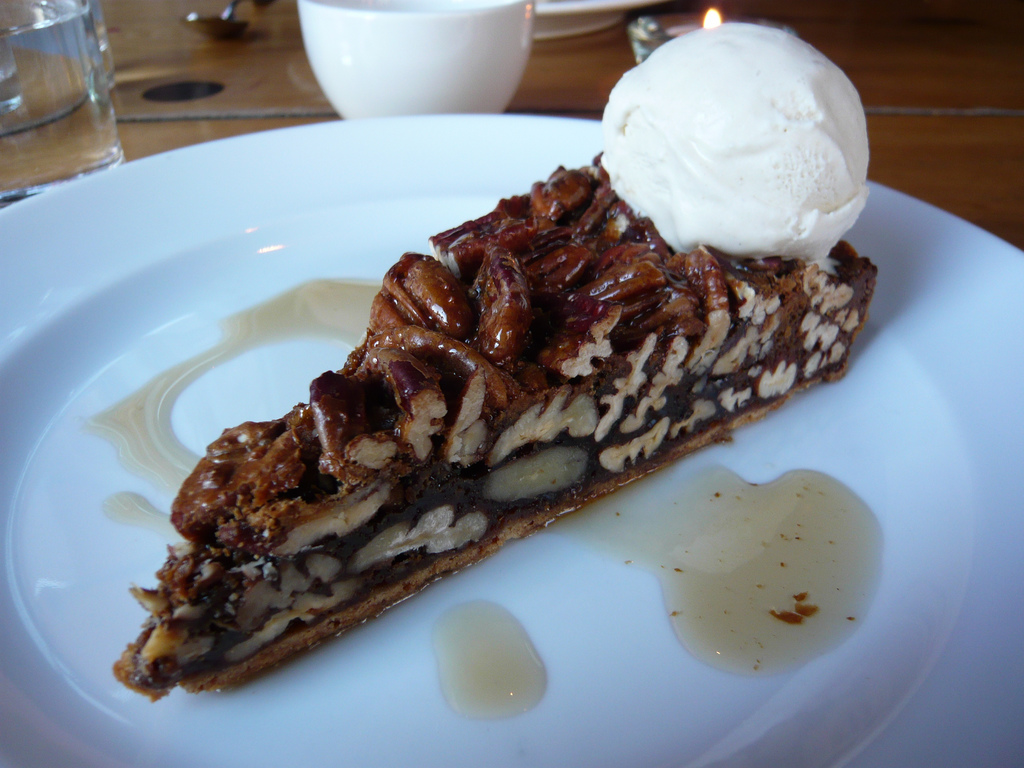
In 1886, Harper’s Bazaar was the first publication to print a recipe for pecan pie. Another recipe for Texas Pecan Pie was sent to Ladies’ Home Journal in 1898. Pecan pie was declared the official pie of Texas in 2013.
Flickr/Jessica Spengler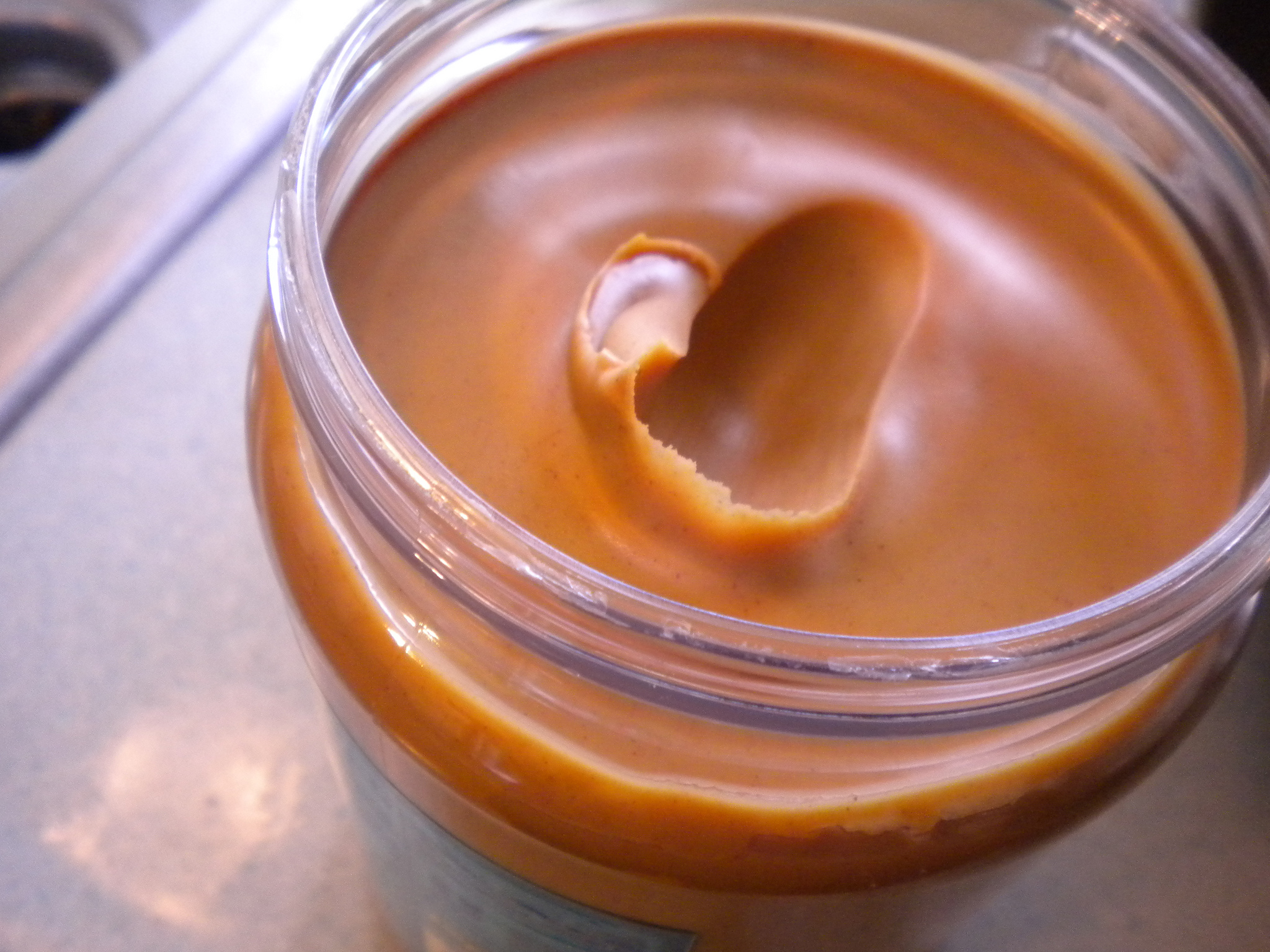
Peanut butter first debuted at Dr. John Harvey Kellogg’s sanatorium in Battle Creek, Michigan. Chemist Joseph Rosefield added hydrogenated vegetable oil to ground peanuts and called the resulting paste “Skippy.”
Flickr/Denise Krebs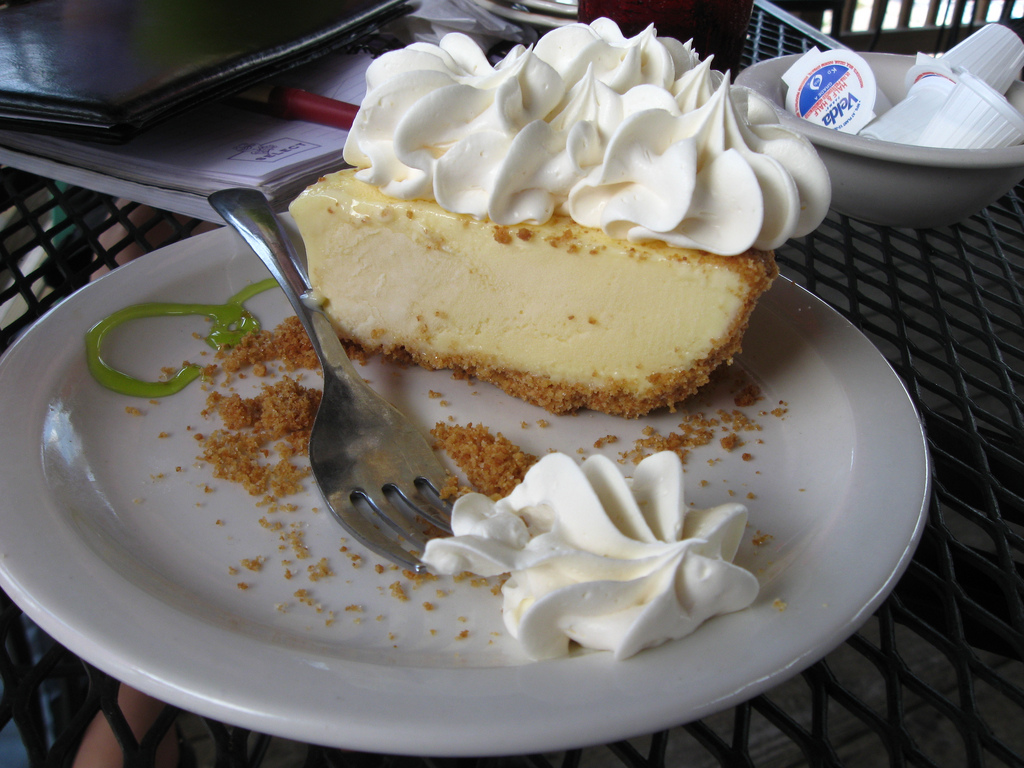
Florida’s first self-made millionaire, William Curry, had a cook named Aunt Sally who is credited with making the first key lime pie in the late 1800s. She might have gotten the idea from Florida sponge fishermen, who liked to mix up batches of key lime juice, sweetened condensed milk and egg yolks. The mixture could then be thickened and set without baking while at sea. The Florida Keys creation was declared the official state pie of Florida in 2006.
Flickr/Guillaume Capron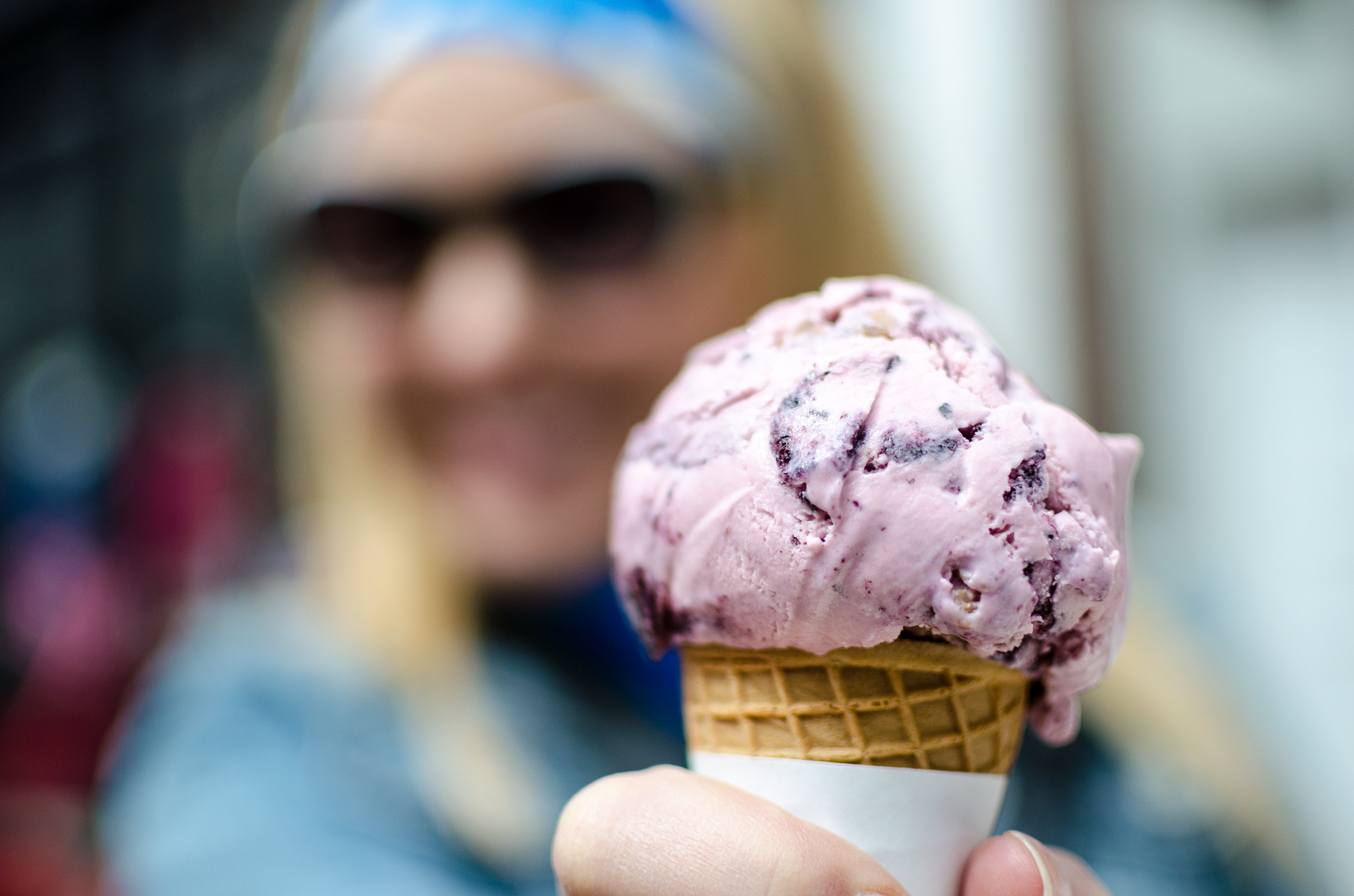
Italo Marchiony, an Italian immigrant, produced the first ice cream cone in 1896 in New York City and was granted a patent in December 1903. But the idea didn’t really take off until the 1904 World’s Fair in St. Louis when an ice cream vendor ran out of serving dishes. Next to him was a Syrian man selling crisp, Middle Eastern pastry-like waffles called zalabis, who rolled one of the waffles into the shape of a funnel to hold the ice cream. The cones were later sold at Coney Island and at fairs up and down the East Coast.
Flickr/m01229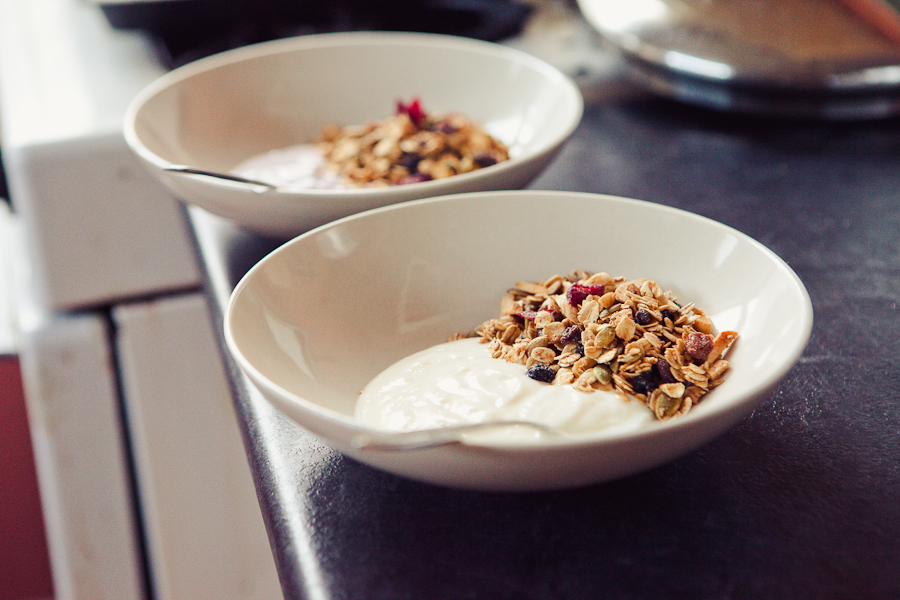
The story of how granola came to be is, well, kind of mixed up. Adele Davis is credited with inventing granola as a snack using oats, soy, bran, oil and honey. But an earlier version using Graham flour and known as Granula was made in Toledo, Ohio, by Dr. Connor Harold Lacey at the Jackson Sanitarium in 1894.
Flickr/Gabriel Li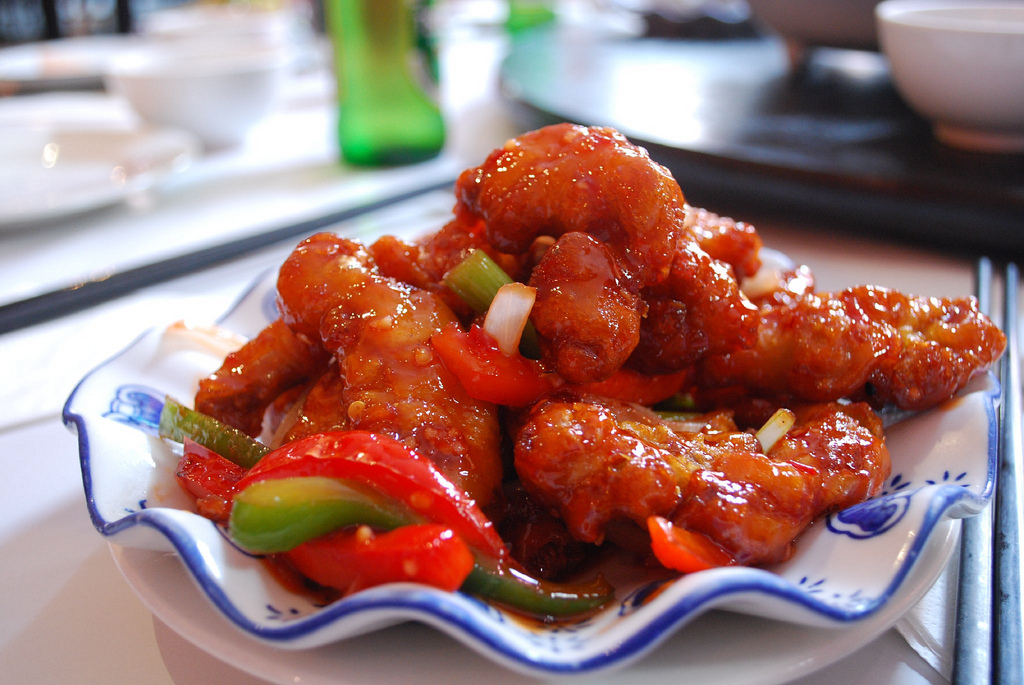
Sour, savory, salty — these are the flavors in General Tso’s Chicken, which like crab Rangoon and chop suey, have become standard fare in Chinese restaurants in the U.S. The chicken dish was invented by Taiwanese chef, Peng Chang-kuei, who named it after General Tso Tsung-tang, a famous Qing Dynasty general from Hunan Province.
Flickr/Alpha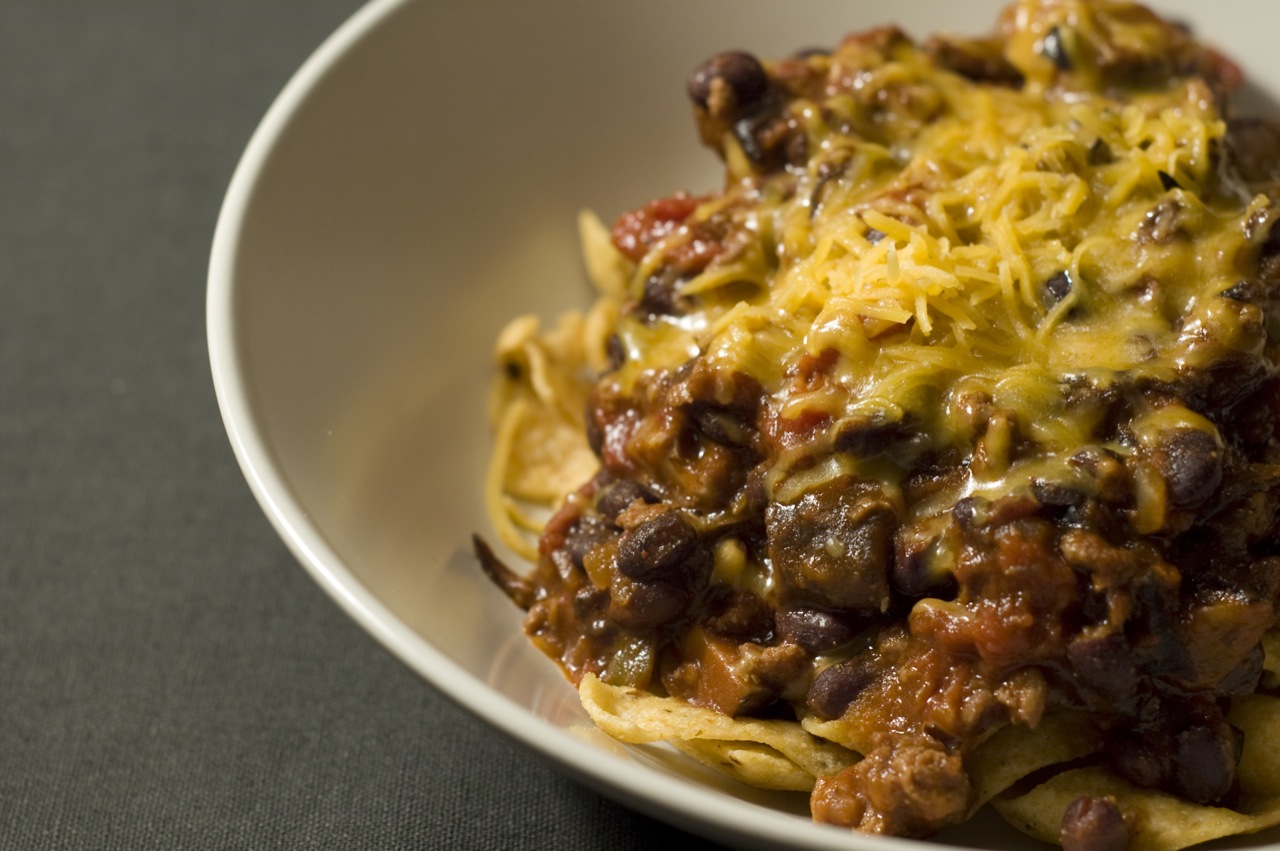
Frito pies are known by many names: Frito boats, walking tacos, Texas Straw Hat and tacos in a bag. One story of origin says that the mother of Frito-Lay founder Elmer Doolin, Daisy Dean, came up with the Frito pie in the 1930s. A second take says it was Teresa Hernandez, working at a Woolworth’s lunch counter in Santa Fe, New Mexico, who decided to add Frito corn chips and cheddar cheese to chili.
Flickr/Amy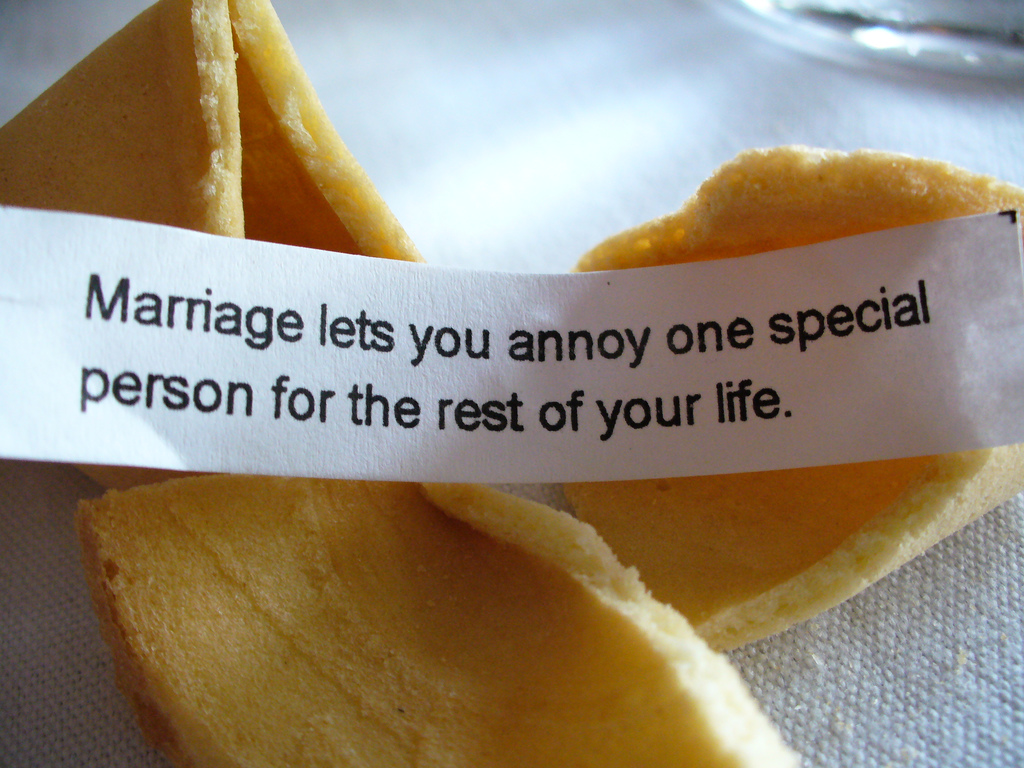
Fortune cookies were a California invention, with possibly Japanese roots, first sold by both Chinese and Japanese businessmen in the early 1900s. The folded cookies were used to hold everything from predictions to lucky numbers, thank-you notes and lines of Scripture. The Wonton Food Company in Brooklyn, New York, has a database of over 10,000 fortunes.
Flickr/C.P. Storm