
12 Founding Fathers, Ranked!
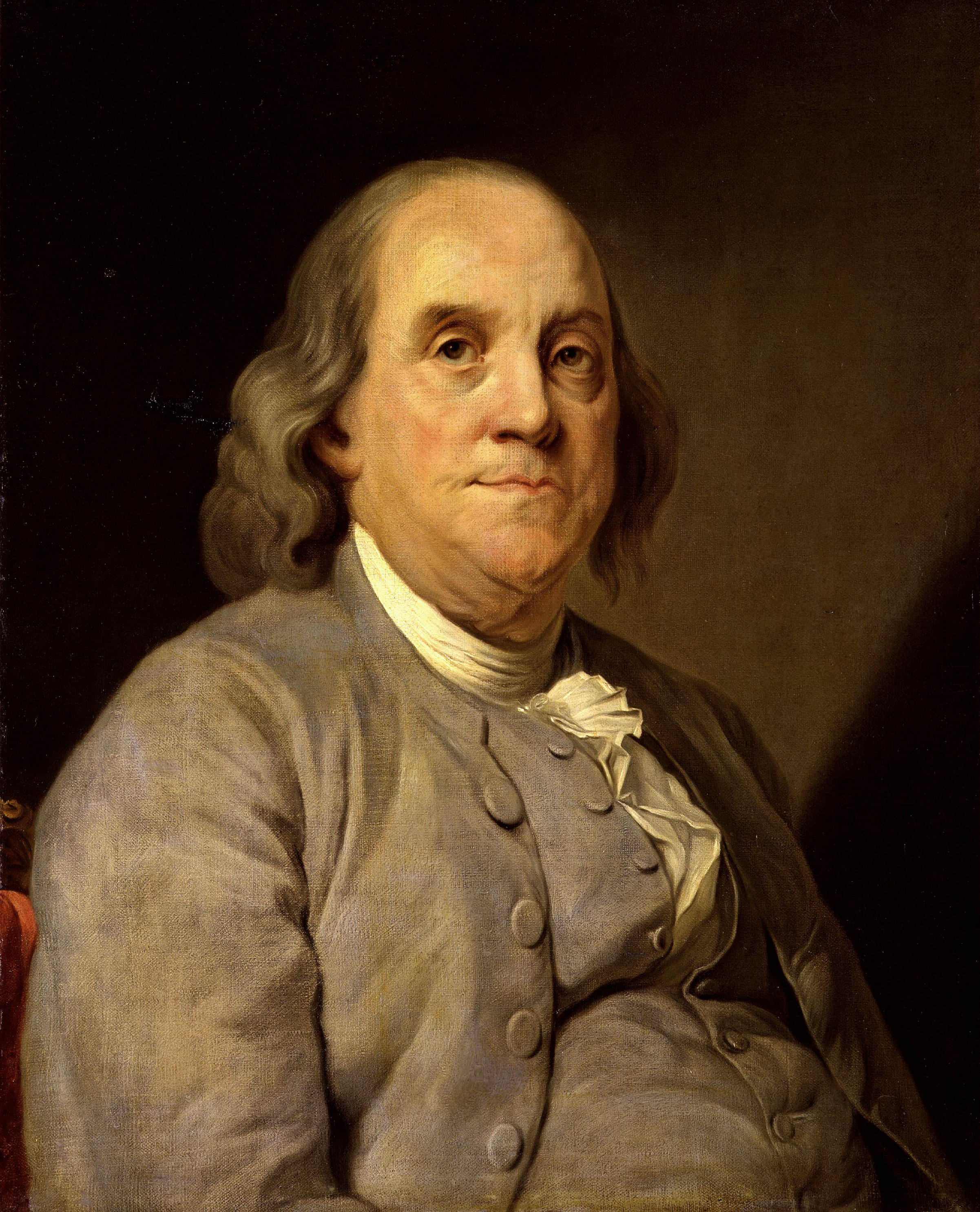
Pros: Even if he had never been involved in the revolution, Ben Franklin deserves a place on any list of great Americans. He was the first famous American, a scientist and inventor (and author, musician, journalist, blacksmith, lady’s man, lover of beer and just all-around awesome). His genius for inventing everything from lightning rods to bifocal glasses – and his personal favorite, the glass armonica -- granted him international fame, and it was the moment that Franklin was called before Parliament to answer for the misbehaving colonists that the revolution truly began. Rather than being treated as the single greatest scientific mind of his generation, he was treated like a dirty colonist. The crown had made a dangerous enemy, and the colonists would now have an excellent spymaster and diplomat. His advanced age meant he would never be a general or president, but he was the heart, soul and spirit of the new nation.
Cons: Really loved the ladies, like a lot … if you call that a flaw.
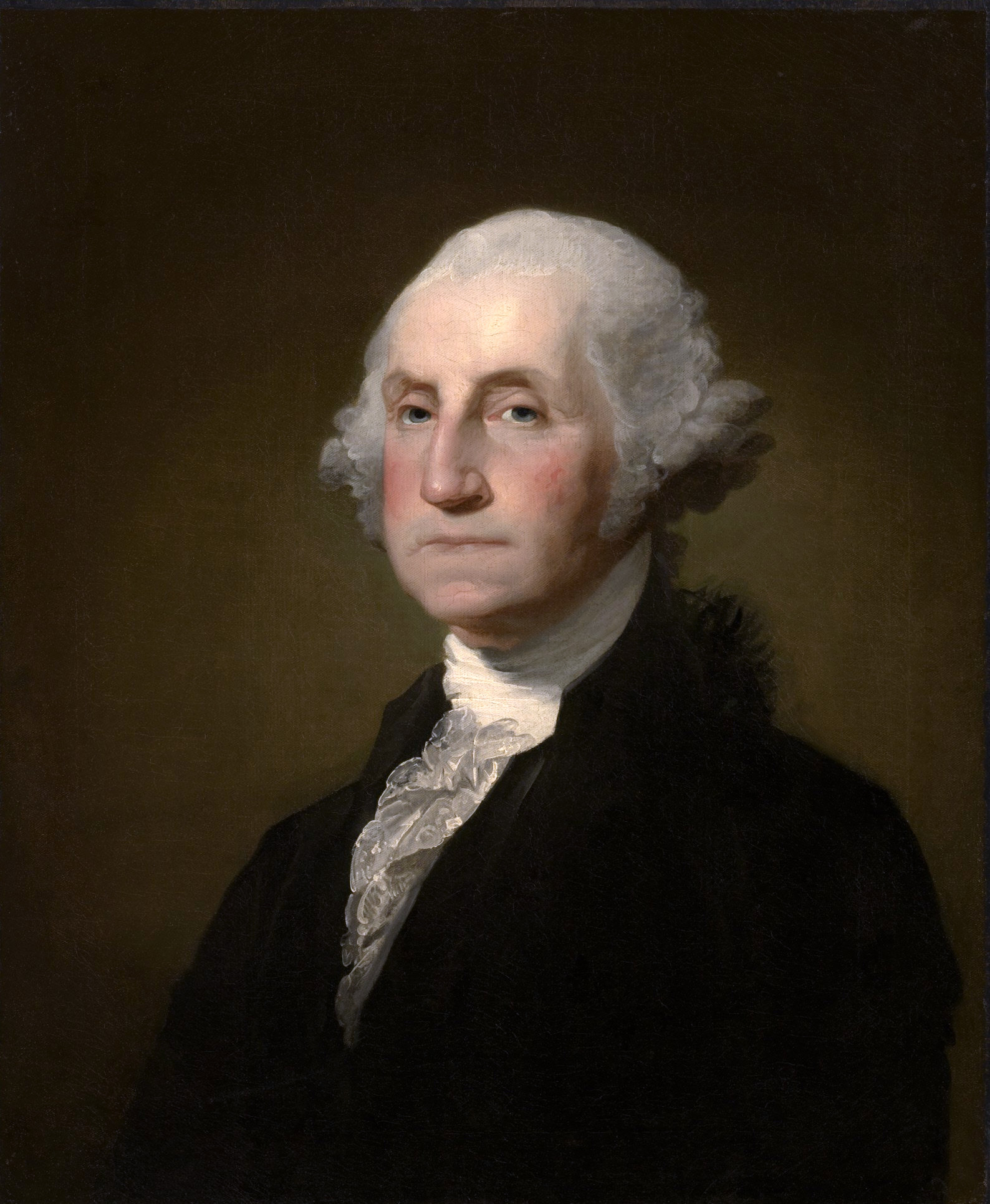
Pros: Washington was rarely on the winning side of a fight, and his most famous victory was against some drunk German mercenaries on Christmas Day. But Washington’s contribution to the revolution was in keeping a rag-tag insurgency together and forming them into something like an army. His greatest (of many) contributions to the post-war nation was in creating the presidency. So great was his popularity that he could have been king. Instead, he chose a different path, one that marked the United States as something truly new in world history.
Cons: Slavery. And despite refusing the crown, he could be a bit pompous (he preferred to be called “Your Excellency.”)
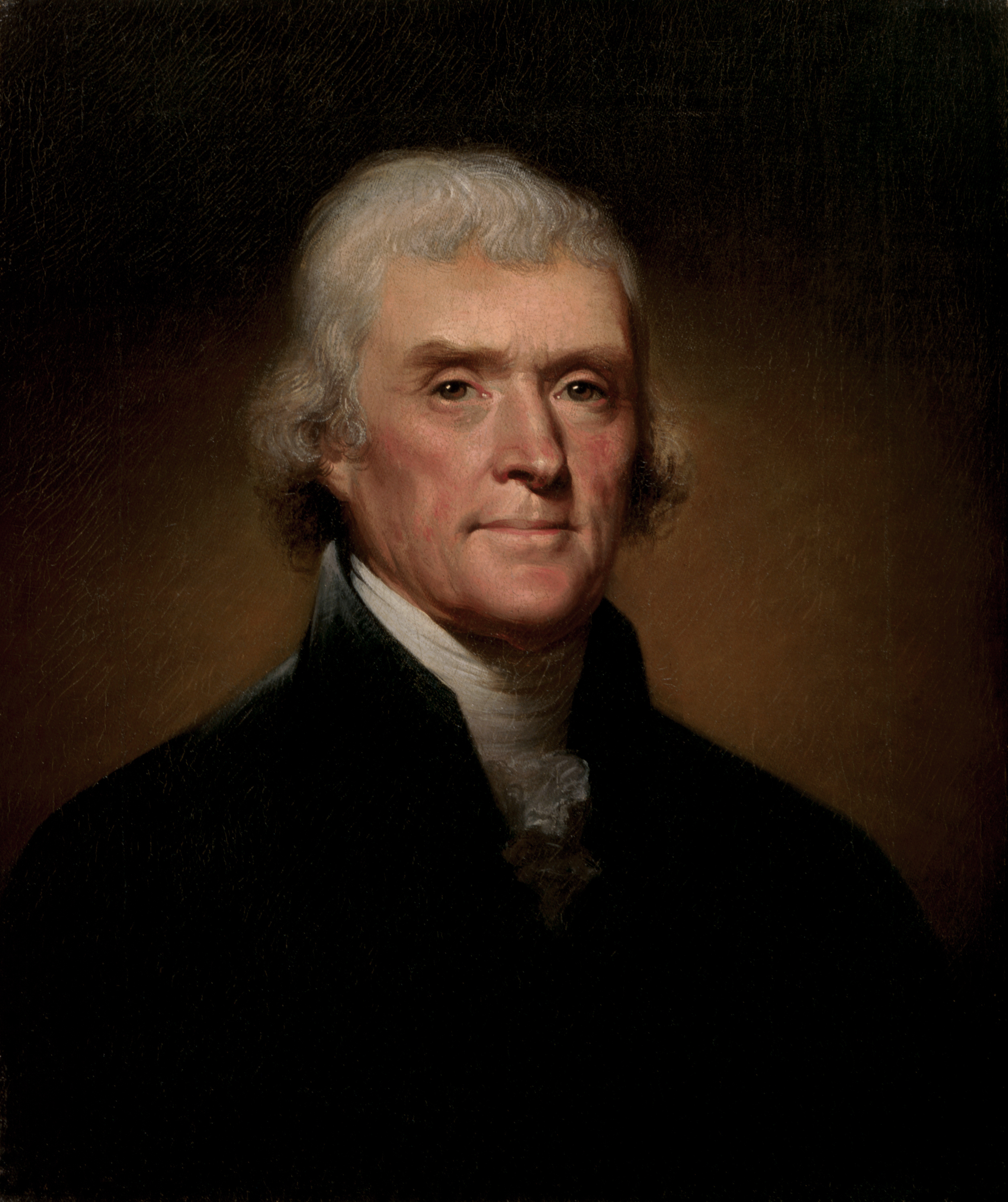
Pros: Jefferson wrote the Declaration of Independence and contributed most philosophically to the founding of the nation. While the third president, his Louisiana Purchase doubled the size of the nation and the power of the presidency.
Cons: Again, slavery and, you know … Sally Hemings. He was also apparently a terrible violin player.
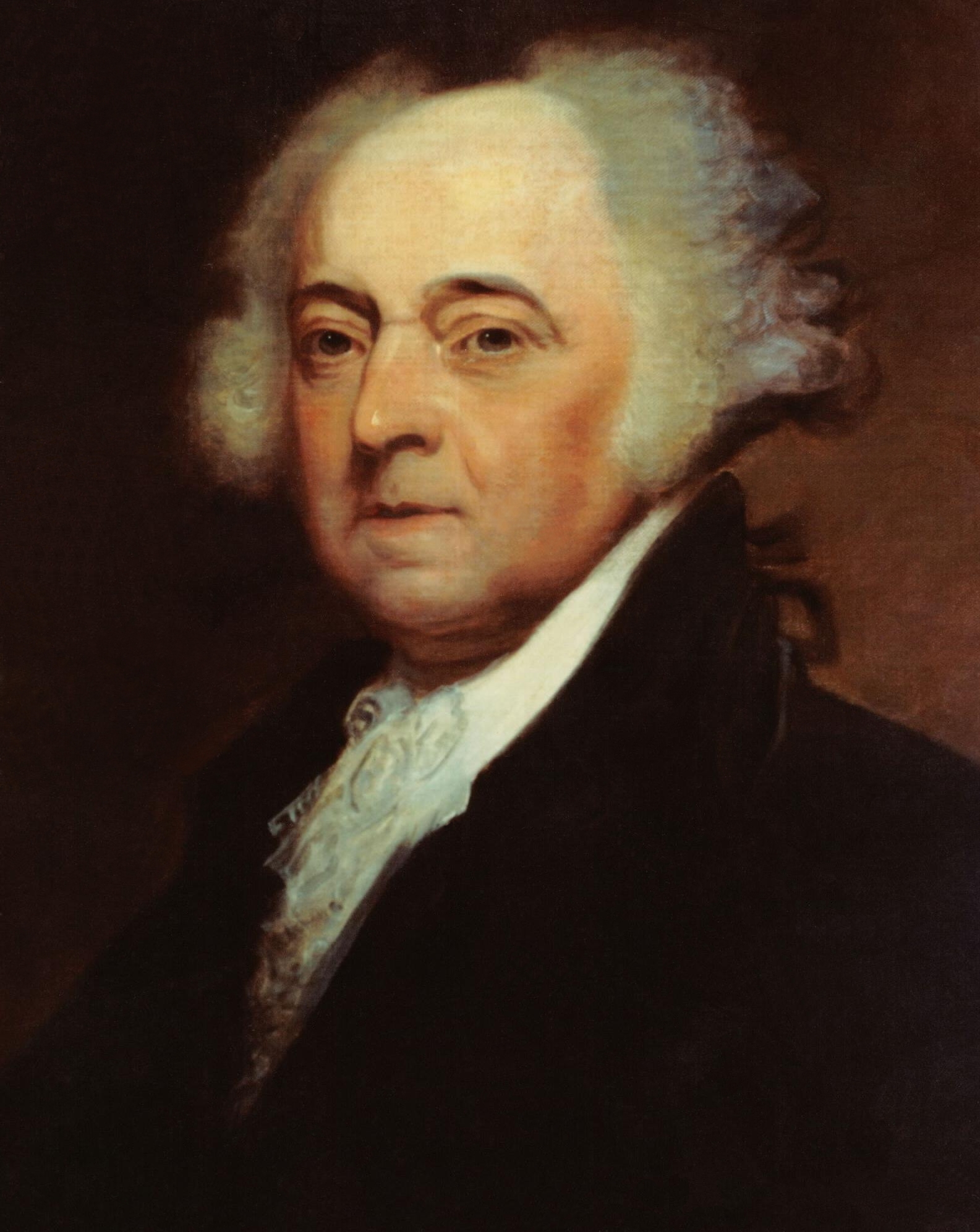
Pros: The brain to Jefferson’s heart, the two spent decades as friends and then decades as enemies before reconciling at the end. His legal defense of the British soldiers involved in the Boston Massacre was a high point in the establishment of the U.S. as a nation of laws. He was a valuable diplomat who (along with Franklin) secured French aid during the revolution. One of the nation’s first outspoken abolitionist politicians, he served as Washington’s VP before becoming the second president
Cons: A bit dull.
Wikimedia Commons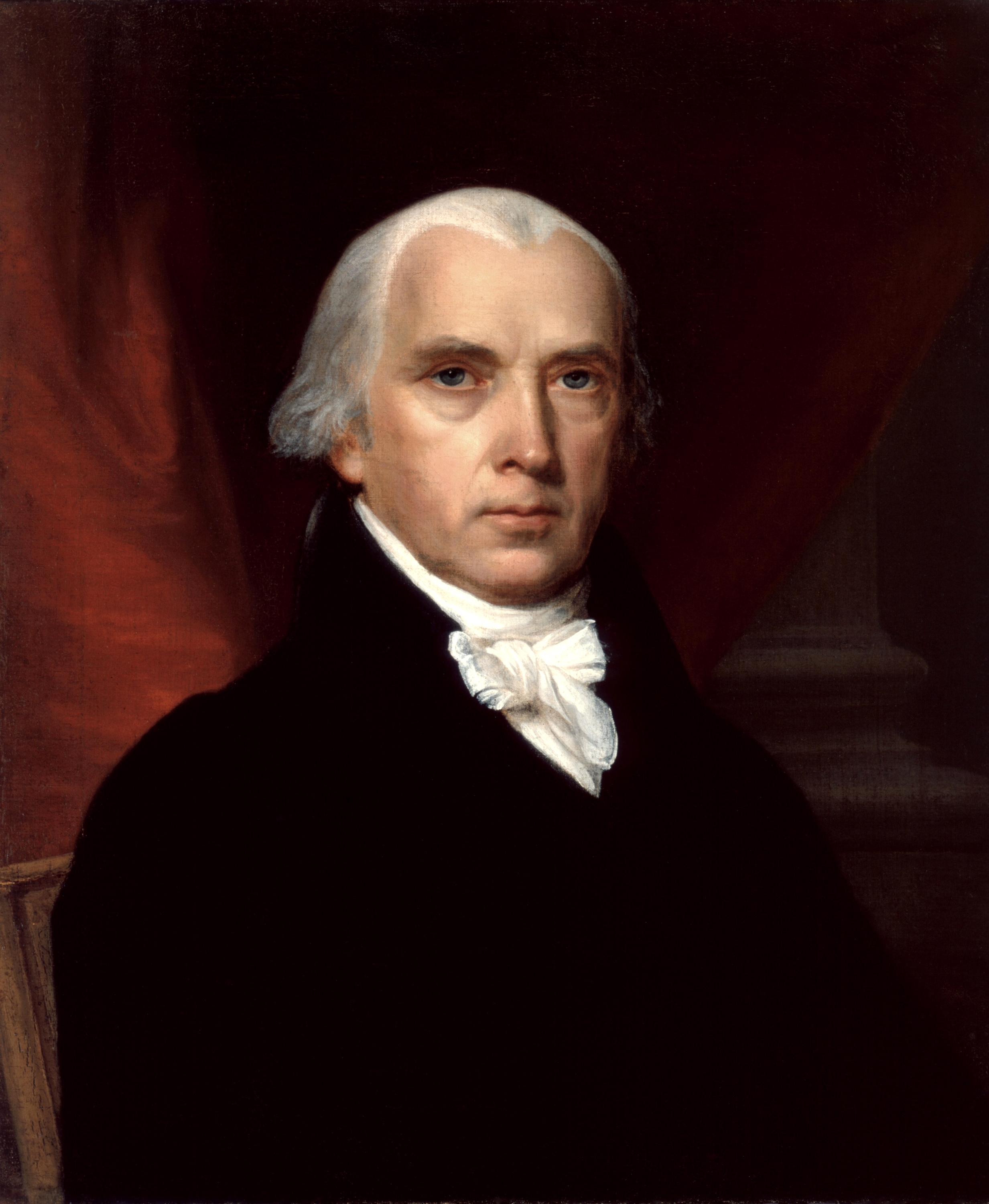
Pros: Our most petite president (5’4” and barely 100 pounds), he never saw combat during the revolution. As the primary author of The Federalist Papers and the Constitution he was the most prominent intellectual of the Founding Fathers, and by championing the addition of the Bill of Rights, he became one of the nation’s foremost populists. He was heavily involved in the Louisiana Purchase as Jefferson’s Secretary of State and as president he led the states through the War of 1812, the first real challenge to America’s status as a nation.
Cons: Yeah, pretty much all the Virginians are gonna be plantation owners.
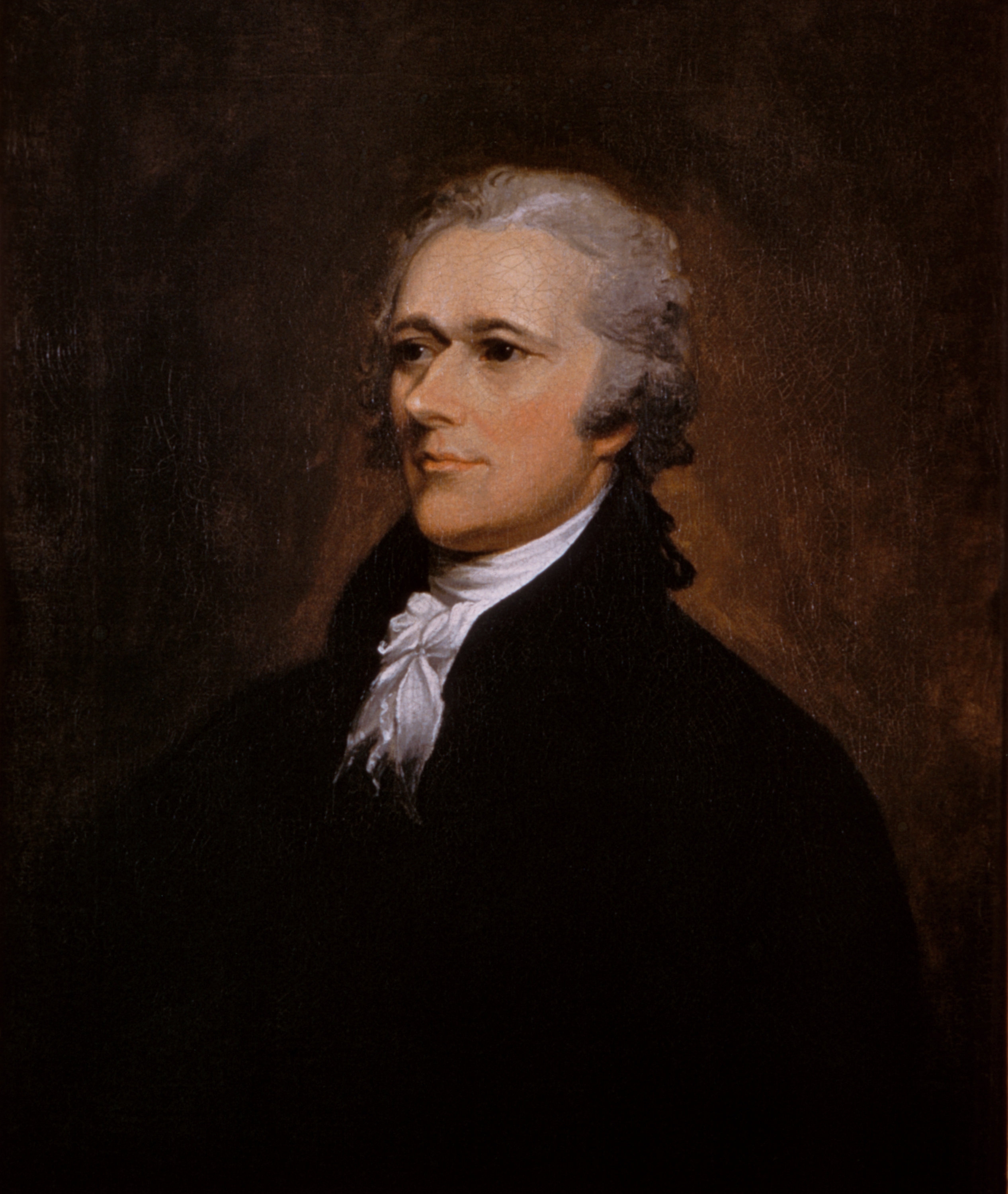
Pros: Most remembered these days for losing to Aaron Burr in a duel and for being on the $10 bill, Hamilton was basically the founder of our financial system. He assisted Madison (and John Jay) with the writing of The Federalist Papers and the Constitution. Were he not born in the Caribbean, he almost certainly would have been president after Jefferson (with whom he disagreed passionately).
Cons: Seems to have been a bit of an abrasive character. Might have started nasty rumors (assuming they were untrue) that lead to the Burr duel.
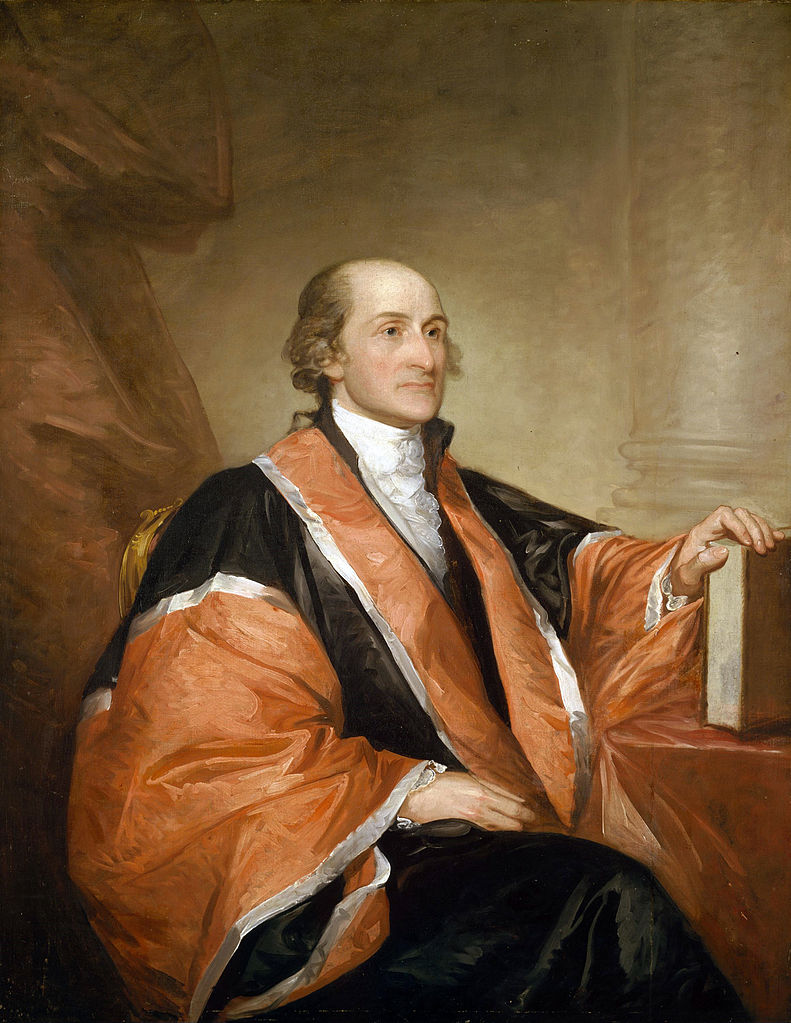
Pros: Our first Supreme Court Chief Justice and, along with Madison and Hamilton, writer of the foundational documents of our nation. As governor of New York, abolished slavery in the state and granted all slaves in the state their freedom.
Cons: None to speak of.
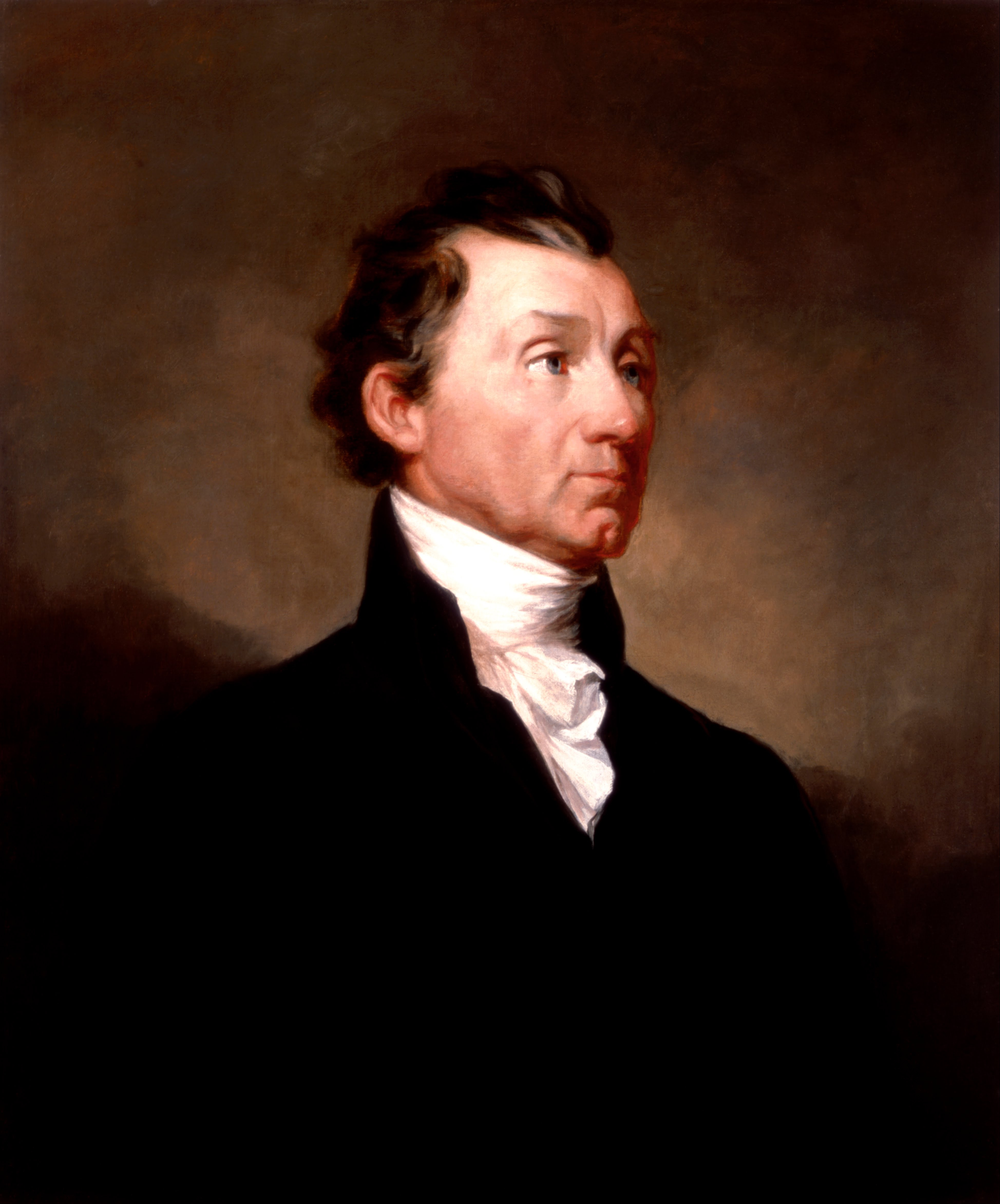
Pros: The youngest of the Founding Fathers and the last of the so-called Virginia Dynasty to assume the presidency. Served as a teenage officer during the war, fighting in the battles of Brooklyn and Trenton. He is the man holding the flag in the painting of Washington crossing the Delaware. Served as both Secretary of State and Secretary of War for most of the War of 1812. For better or worse, shaped much of Latin America with his Monroe Doctrine, which attempted to keep the fallout from the Napoleonic Wars from reaching this hemisphere. Under his watch, Mississippi, Illinois, Alabama, Maine and Missouri (controversially) all became states.
Cons: Plantation owner (though famously bad at it). Bought Florida from the Spanish.
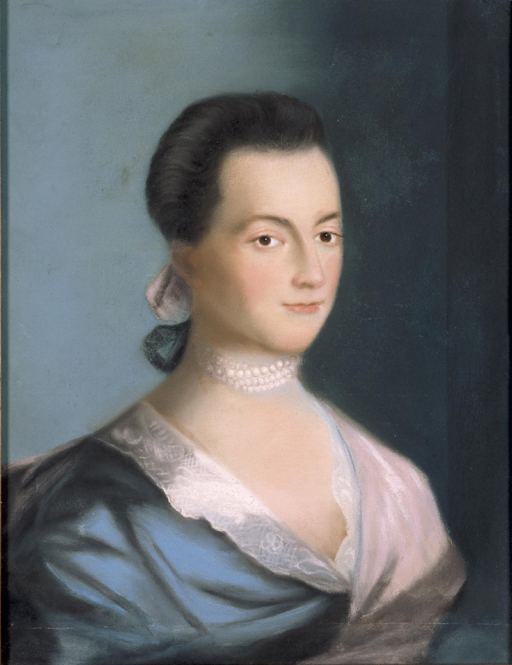
Pros: Though the role of women was severely limited in colonial days, Abigail Adams proves that they weren’t all shrinking violets. During the revolution she gave invaluable council to her husband, and her eloquent letters to him provide one of the most lucid first-hand accounts of life during that tumultuous time. As the first family to live in the White House, Abigail in many ways created the role of First Lady. As an outspoken opponent of slavery and advocate for women’s rights, she was one of the most erudite and politically outspoken women to hold the post before the modern era. The only woman besides Barbara Bush (the elder) who can claim to be both wife and mother to presidents.
Cons: Born at the wrong time.
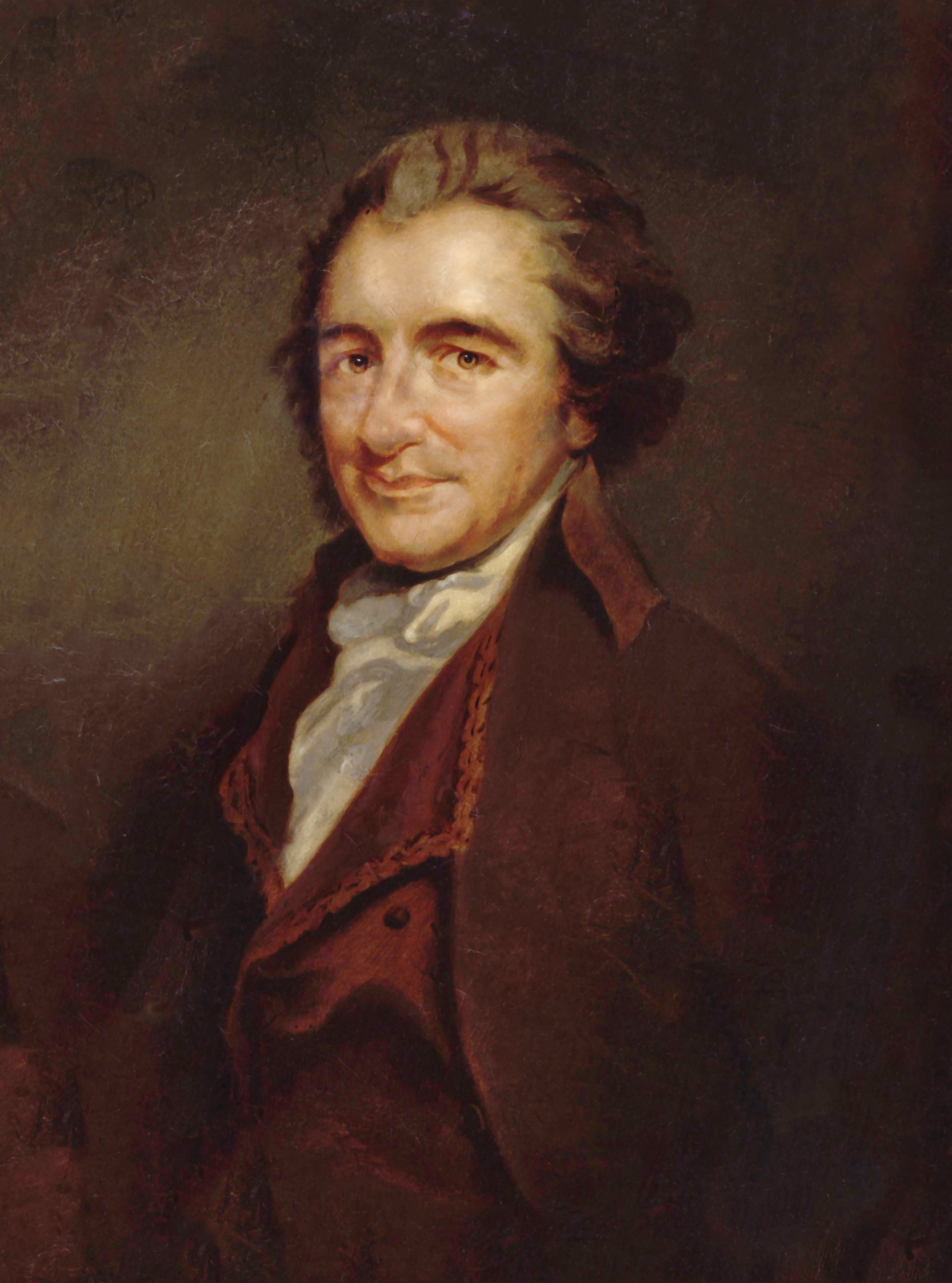
Pros: The revolution’s propagandist was actually born in England but came to the colonies in 1774, just in time for the fireworks. His works Common Sense and The American Crisis formed the basis of justification for the rebellion against England, and his Enlightenment ideals would eventually spread beyond the states to fuel revolutions around the world. Also, he invented the concept of the minimum wage.
Cons: Perhaps went a step too far by viewing religion as another tyranny to be overthrown. He may or may not have been correct but was ostracized for this belief at the end of his life regardless. His funeral had six attendees.
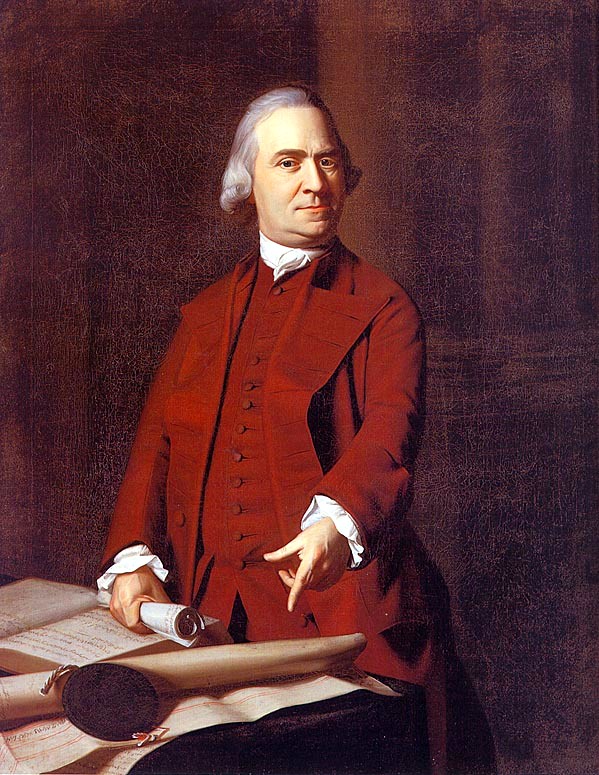
Pros: While the American Revolution certainly needed thinkers like Jefferson and Franklin to give legitimacy to the rebellion, it also needed firebrands like Sam Adams (and Washington) who weren’t afraid to get a bit messy. As the leader of the Sons of Liberty gang, Adams was the match that lit the powder keg of colonial Boston and started the crusade that would lead to the Declaration of Independence.
Cons: Wasted all that tea. Mediocre namesake beer that popularized the microbrew revolution, for better or worse.
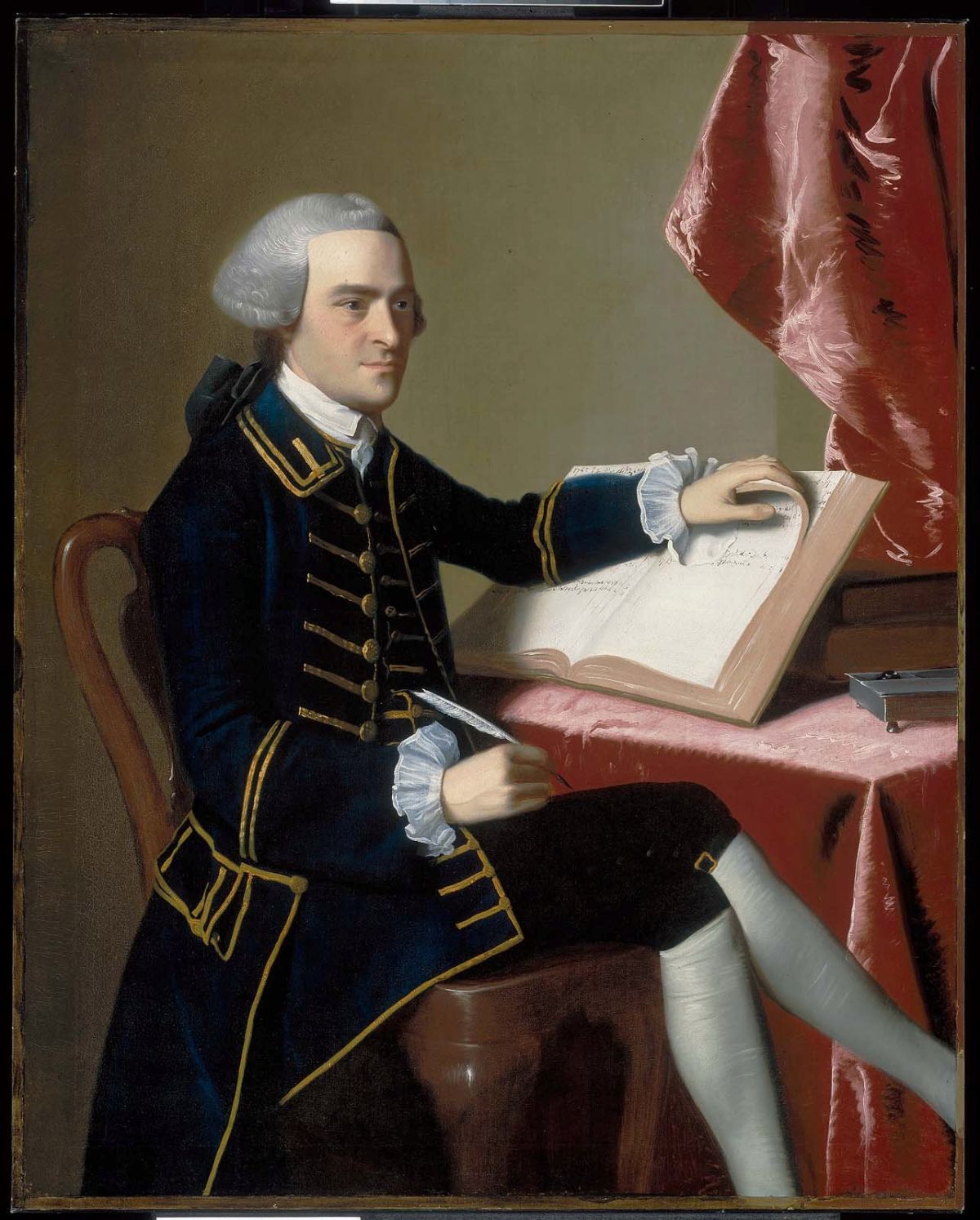
Pros: Along with men of vision and men of action, the revolution needed another type of figure: men of means. Franklin may have been the brain, and Sam Adams the fist, but John Hancock was the wallet. Increasingly frustrated by his mistreatment by the British, the merchant became a smuggler, bankrolling the Sons of Liberty gang. Later, as governor of Massachusetts, he was instrumental in the ratification of the Constitution.
Cons: Poor penmanship.