
9 Counterfeit Products You May Be Buying
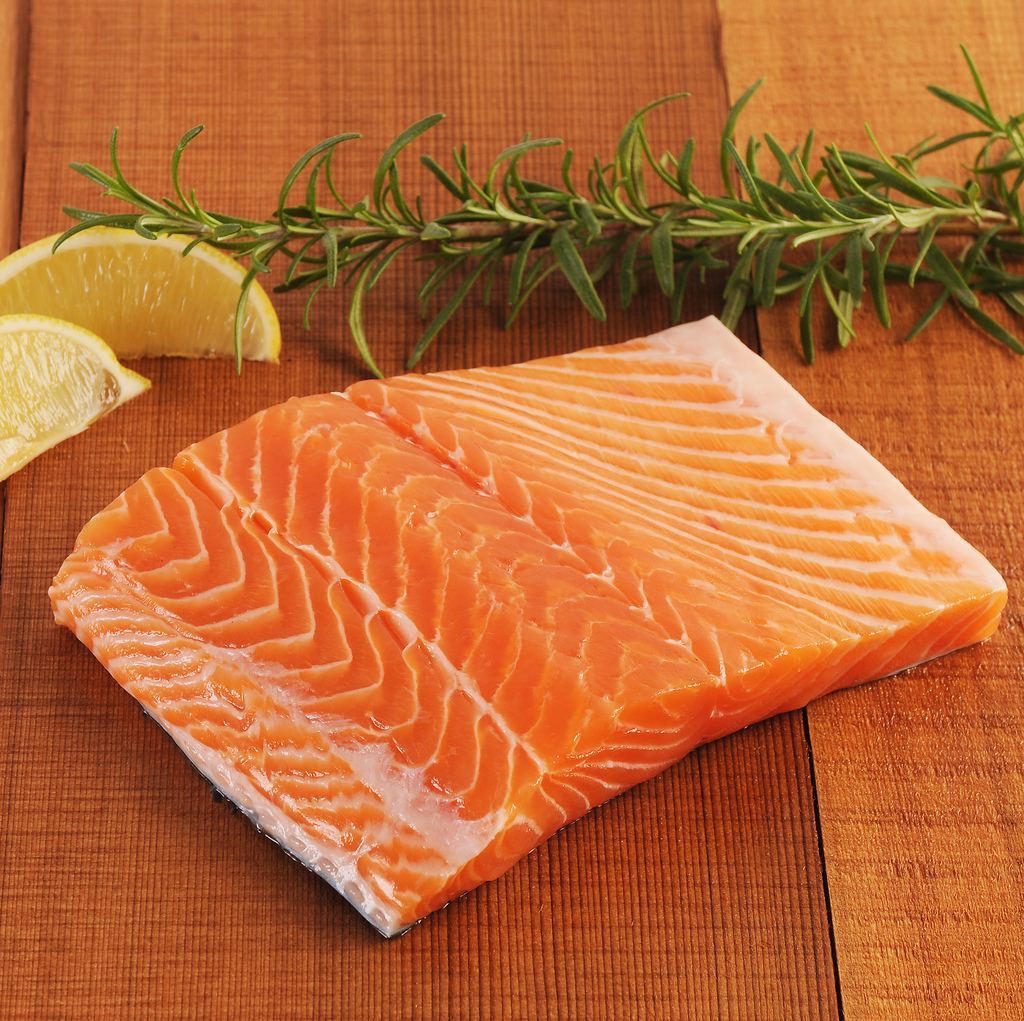
Salmon is one of America’s favorite dishes but it can signal something fishy on a menu. The ocean conservation group Oceana in October revealed that salmon is frequently mislabeled on meus.
More than two-thirds of the mislabeled salmon involved farmed salmon being sold as a wild-caught product. Why would restaurants miscast farm-raised fish as seafood caught in the wild?
For one, wild salmon costs as much as twice the price of farmed salmon. That would allow a restaurant to make more money by selling a cheaper product at a higher price.
Farmed salmon has also been flagged for health concerns, including the addition of coloring to give its flesh the same color as wild salmon.
How can you avoid getting duped? Oceana recommends ordering wild salmon when it’s in season – during the summer – and asking about the source of the fish.
Flickr/Artizone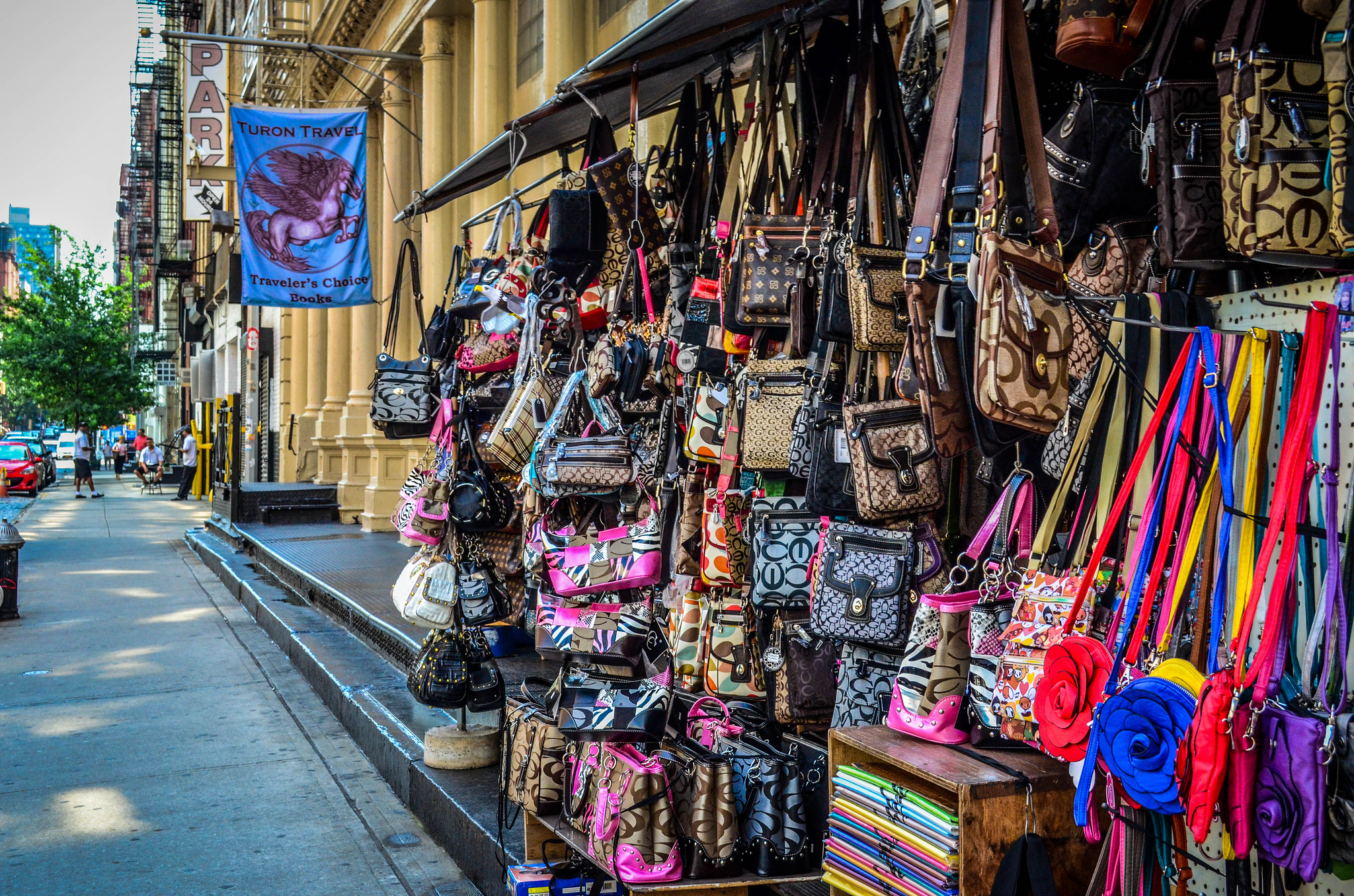
Perhaps the granddaddy of all fake items, the counterfeit handbag continues to plague online sites such as eBay and Alibaba.
While selling fakes is against many sites’ policies, it hasn’t stopped scammers from hawking fake Chanel and Louis Vuitton bags, simply because there’s so much money to be made.
EBay has guides to help buyers spot a fake, but it’s not going to be much consolation if you’ve already spent a small fortune on a fraud.
flickr/m01229
While it might feel bad to spend money on a fake handbag, it can be potentially life-threatening to buy phony electronics.
In one case in 2013, customs officers stopped a load of fake toasters from entering the U.S. The toasters had fraudulent UL labels – short for Underwriters Laboratories, whose label serves as a safety seal – which looked a lot like the real ones, except for a misspelling (“One Yean Warranty”), according to Consumer Reports.
Other fake electronics can be missing components that shield users from electric shocks. With electronics, it’s best to scrutinize the UL labels and safety components to make sure they aren’t either counterfeit or missing.
© Mike Blake / Reuters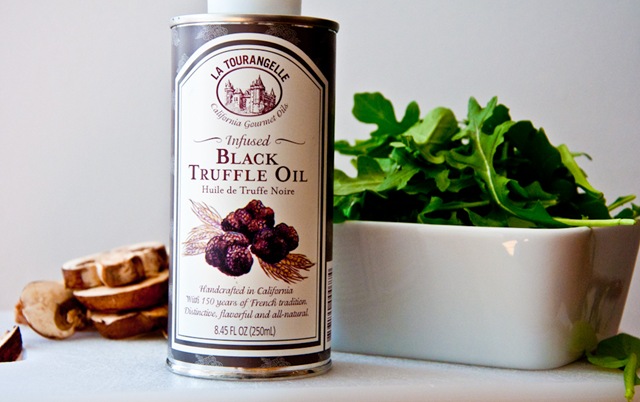
Truffle-infused oil has gained traction in foodies’ pantries during the last decade, allowing cooks to add some earthy flavor to their pastas and risottos. Actual truffles sell for more than $3,000 a pound, so $20 for a small flask of truffle oil might seem like a good deal.
The problem is that many truffle oils don’t include any actual truffles. The flavoring comes from chemicals such as 2,4-dithiapentane, which makes that $20 seems like a bad deal.
The chemically-fueled truffle oil is relatively pricey, given that some sells for $5.90 an ounce while extra virgin olive oil can be found for about 50 cents an ounce. While cooks might be willing to pay more for that truffle taste even if the source is a chemistry lab, it’s best to be aware of what you are paying for.
Some food companies are making oils infused with actual truffles, such as Urbani Truffles, where 1.8 fluid ounces costs about $12. Another option is to buy truffle salt, which contains pieces of truffles with the salt. It’s also pricey, with a 3.5-ounce jar of white truffle salt carrying a $25 price tag.
To check if you’re buying a truffle oil made with chemicals, read the label. If the ingredients include “truffles,” then you are buying the real thing. If it says “truffle aroma” or “natural flavoring,” then the flavor is coming from chemicals.
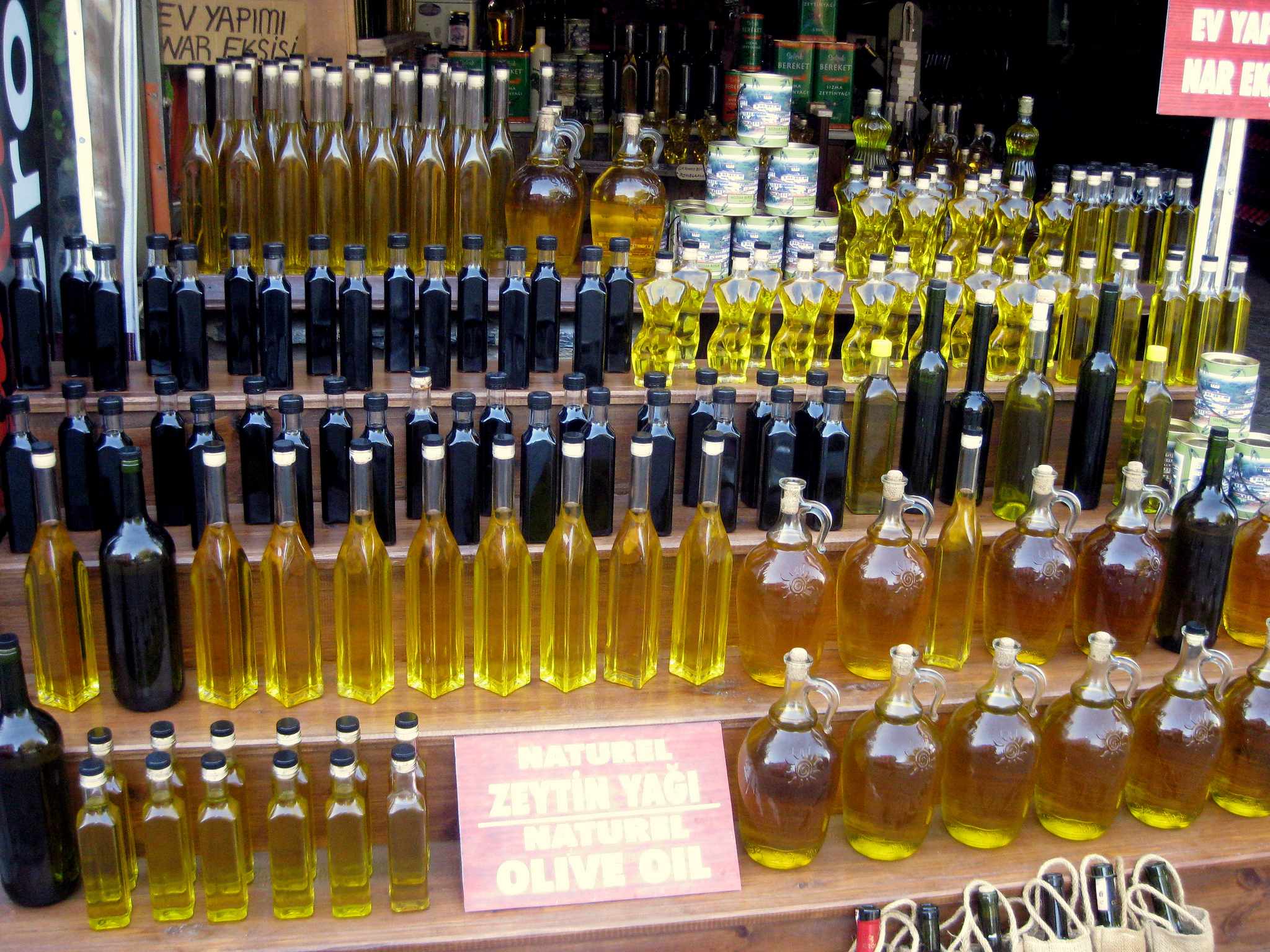
Just like truffle oil, olive oil isn’t always what it appears to be. Shoppers often look for “extra virgin” on the label to signify quality, but researchers at University of California found a high number failed to make the grade.
The problems ranged from bad smells to the oil being cut with lower-priced oils, the researchers found.
Other problems includes bottles promising Italian olive oil but which in fact were only packed in Italy and not made from Italian-grown and pressed oil, Tom Mueller, author of “Extra Virginity: The Sublime and Scandalous World of Olive Oil,” told NPR.
Unfortunately, it’s often very difficult to determine whether your olive oil is really extra virgin, aside from visiting an olive press or personally knowing the vendor, which isn’t very practical. A local specialty store should be able to recommend a trustworthy brand.
Flickr/SyrianSyndibad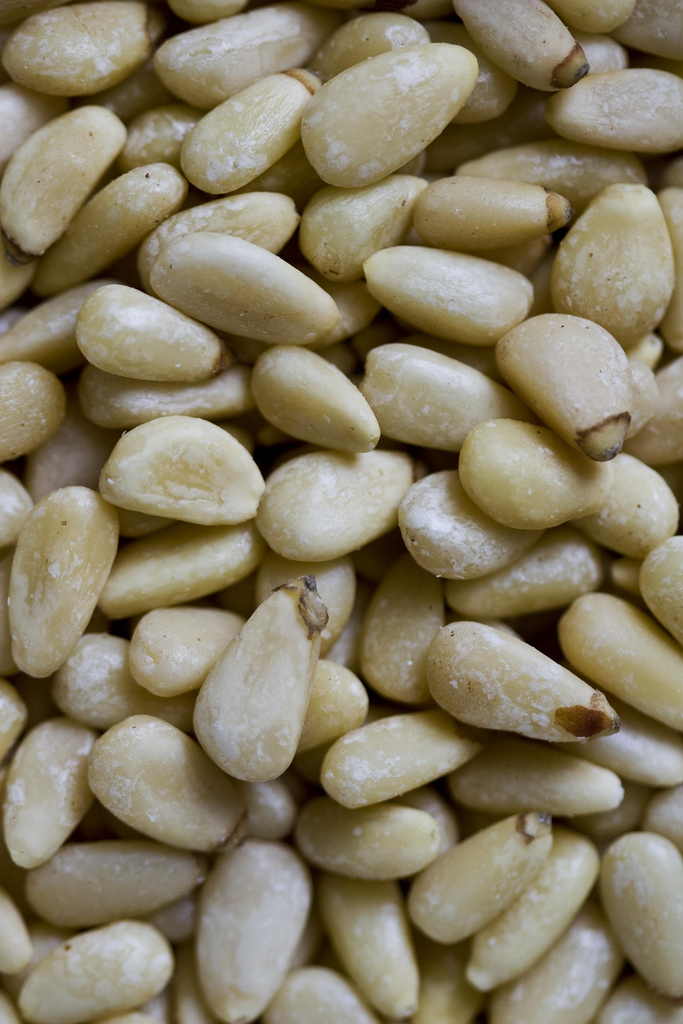
Pine nuts are a delicious ingredient used in everything from pesto to salads but buyers should be aware that they might not always be getting what they pay for.
Most cooks think they are buying pine nuts from the Pinus pinea, a European version of the tree. But because these authentic pine nuts are so expensive, some food companies have turned to a cheaper version of pine nuts that are grown in China, the Pinus armandii. The problem with the cheaper pine nuts is that they can cause “pine nut mouth,” an allergic reaction the causes everything you eat to have a metallic taste.
If you are concerned, check the country of origin on the label before buying pine nuts.
Flickr/BabbageCabbage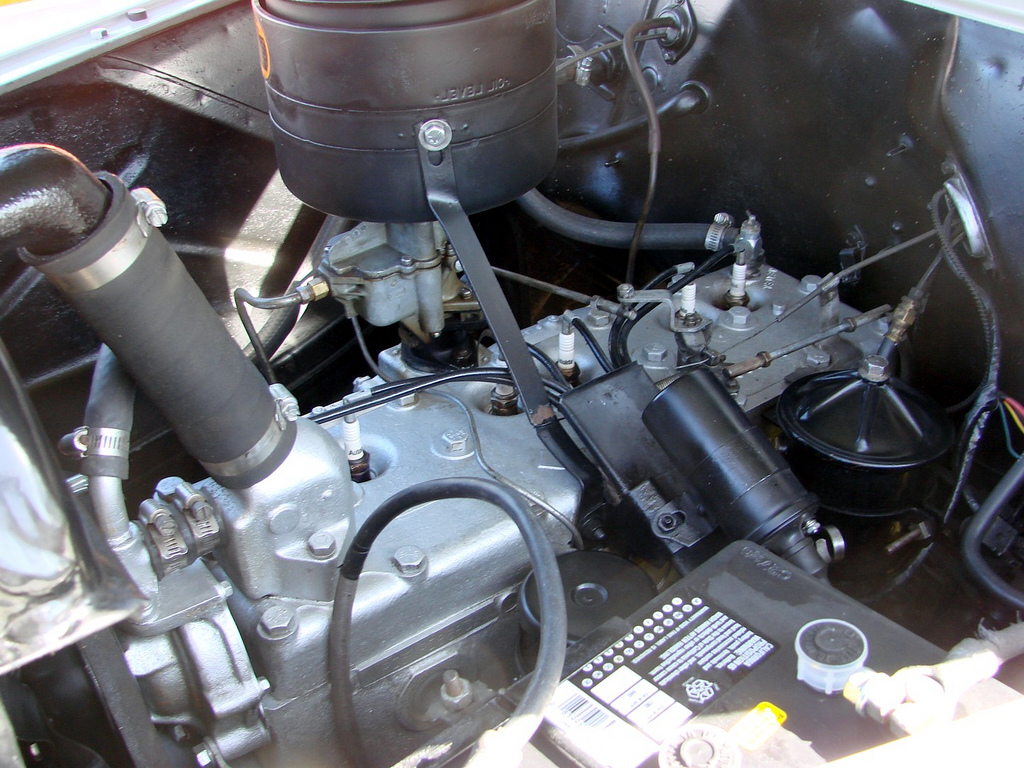
More counterfeit aftermarket auto parts are showing up in stores, according to Consumer Reports. These include fake brake pads that have weak or insufficient shim bonding to the back plate, as well as counterfeit airbags that may fail to deploy, the publication said.
Consumers are best off buying auto parts from dealers or authorized retailers.
Flickr/Don Graham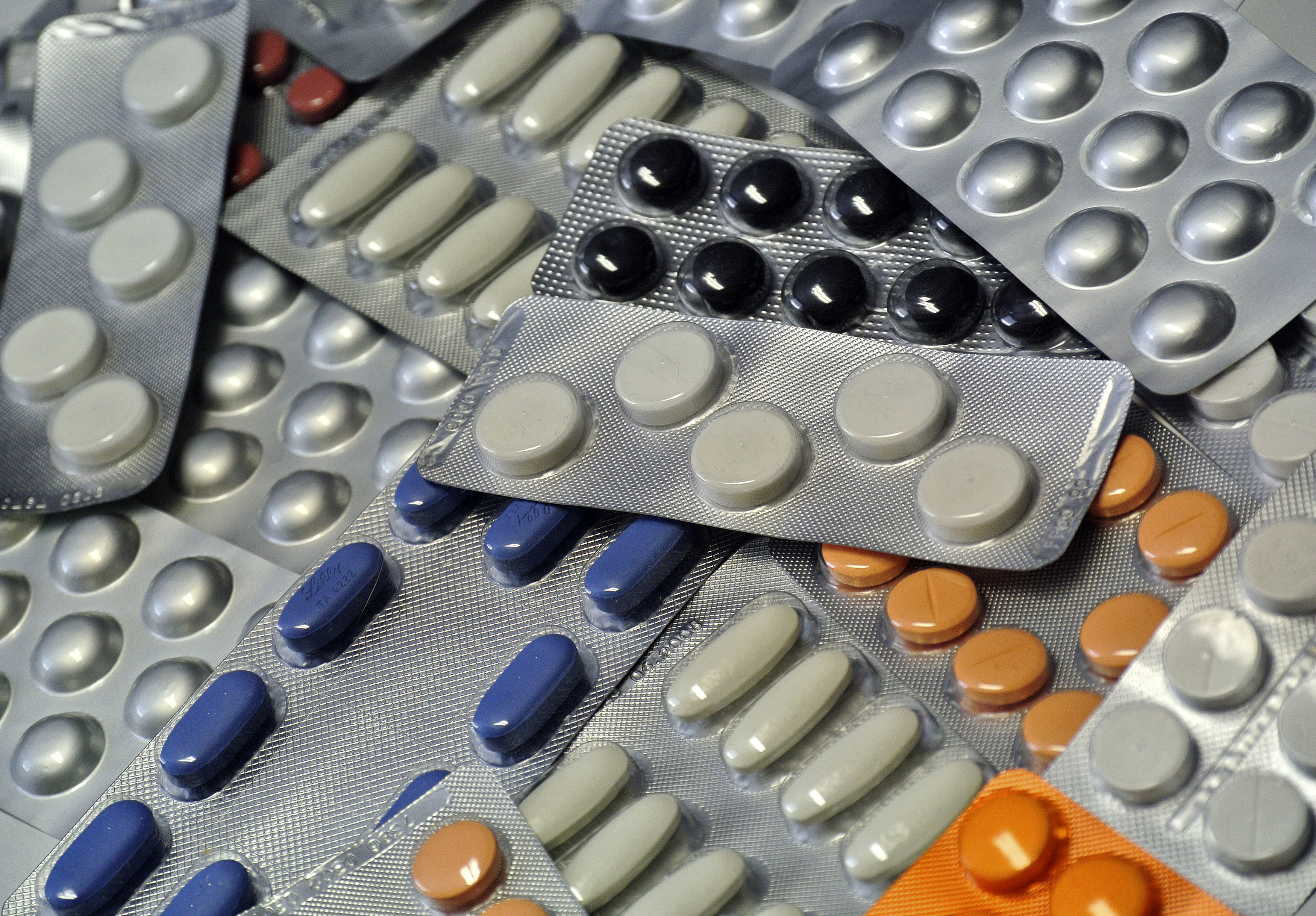
About six percent of the counterfeit property seized by the U.S. Customs and Border Protection were fake pharmaceuticals or personal care products, Consumer Reports found.
These include fake Botox and the weight-loss drug Alli. Such counterfeit drugs can be especially dangerous because it’s unclear what’s in the bottles.
To help avoid the risk of buying a fake drug, the Food and Drug Administration recommends consumers only buy from state-licensed pharmacies within the U.S. If you are buying from an Internet pharmacy, check to see that it has the VIPPS seal, or the Verified Internet Pharmacy Practice Sites accreditation program. Also, be familiar with your medicine, such as its color, shape, and size, and if anything looks different, ask your pharmacist.
© Srdjan Zivulovic / Reuters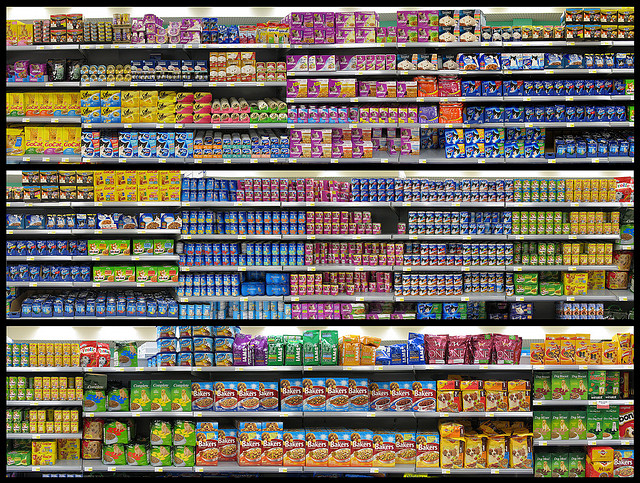
Americans want to buy their pets the best, but dog and cat food is frequently mislabeled, according to a report published last year by Chapman University. Thirty-eight percent of the products tested by its researchers were mislabeled, while one brand of pet food had what Chapman University called “a non-specific meat ingredient that could not be verified.”
The most common problem was pet food including a meat product, such as pork, that wasn’t included on the label.
That can become a problem for pets eating a special diet, or if the pet has an allergy or intolerance for a product that’s not identified on the label.
It’s not always easy to know if a product has been mislabeled, although the researchers found it was more common with wet food than in dry. Pet owners can get in touch with the food manufacturer to make sure they verify the sources of their ingredients. If they are very worried, they also have the option of making home-made meals for their pets.