
The 10 Most Expensive Weapons in the Pentagon’s Arsenal
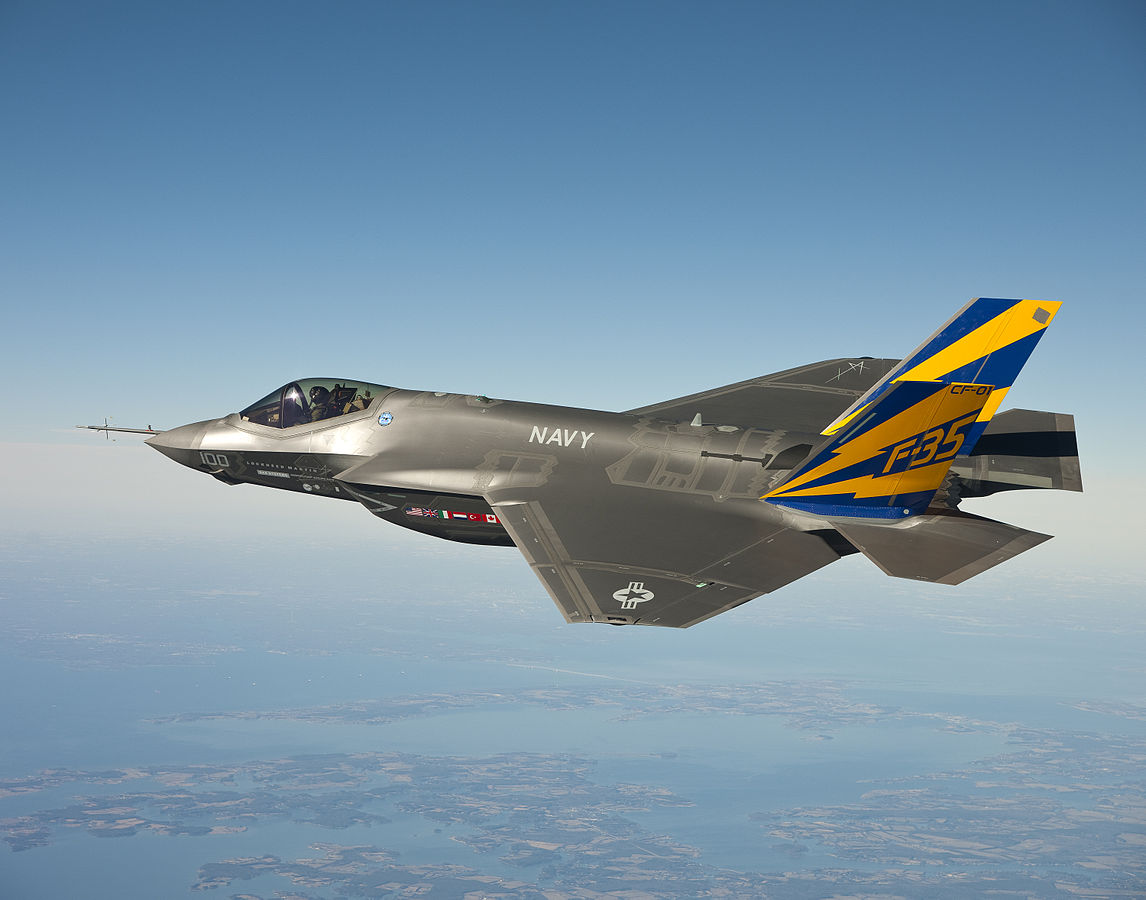
Cost per unit: $100 million
The poster-child for troubled Pentagon programs everywhere, the F-35, in development for almost 16 years, is several years behind schedule and has cost around $400 billion to date. Conceived in 2001, the fifth-generation aircraft and its variants are meant to replace mutiple planes across the Air Force, Navy and Marine Corps. An endless string of setbacks has slowed the program, but last year, the Marines declared its version ready for deployment, and the Air Force hopes to do so this year.
Wikimedia Commons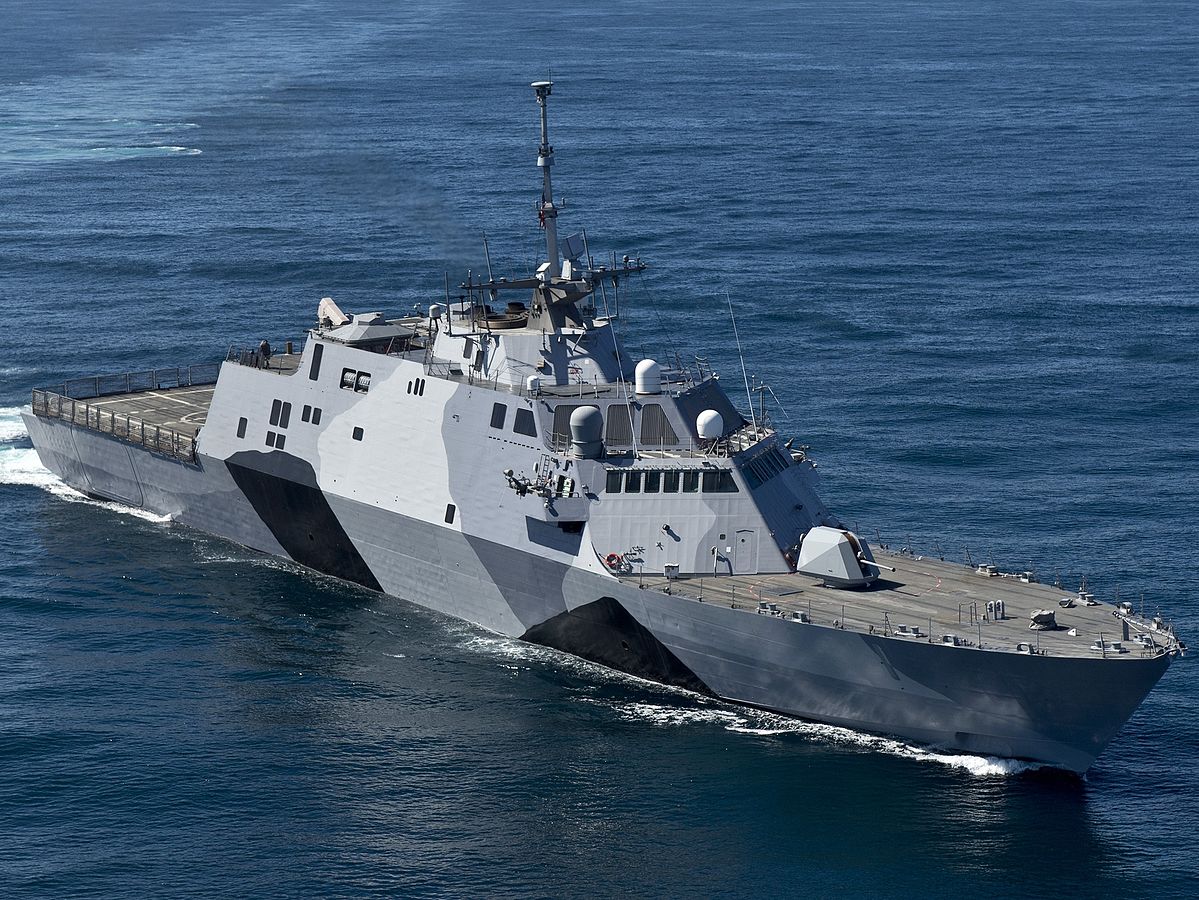
Cost per unit: $362 million
Envisioned as a kind of futuristic jack of all trades, the $67 billion LCS effort is supposed to be the first U.S. combat vessel able to fight enemy battleships, fend off smaller crafts and patrol coastal waters. However, the $362 million apiece vessel has found nothing but trouble on the high seas, with recent Pentagon testing and watchdog reports concluding the ship can’t adequately fulfill its core missions and is susceptible to cyber hacking and suffers from other technical issues.
Wikimedia Commons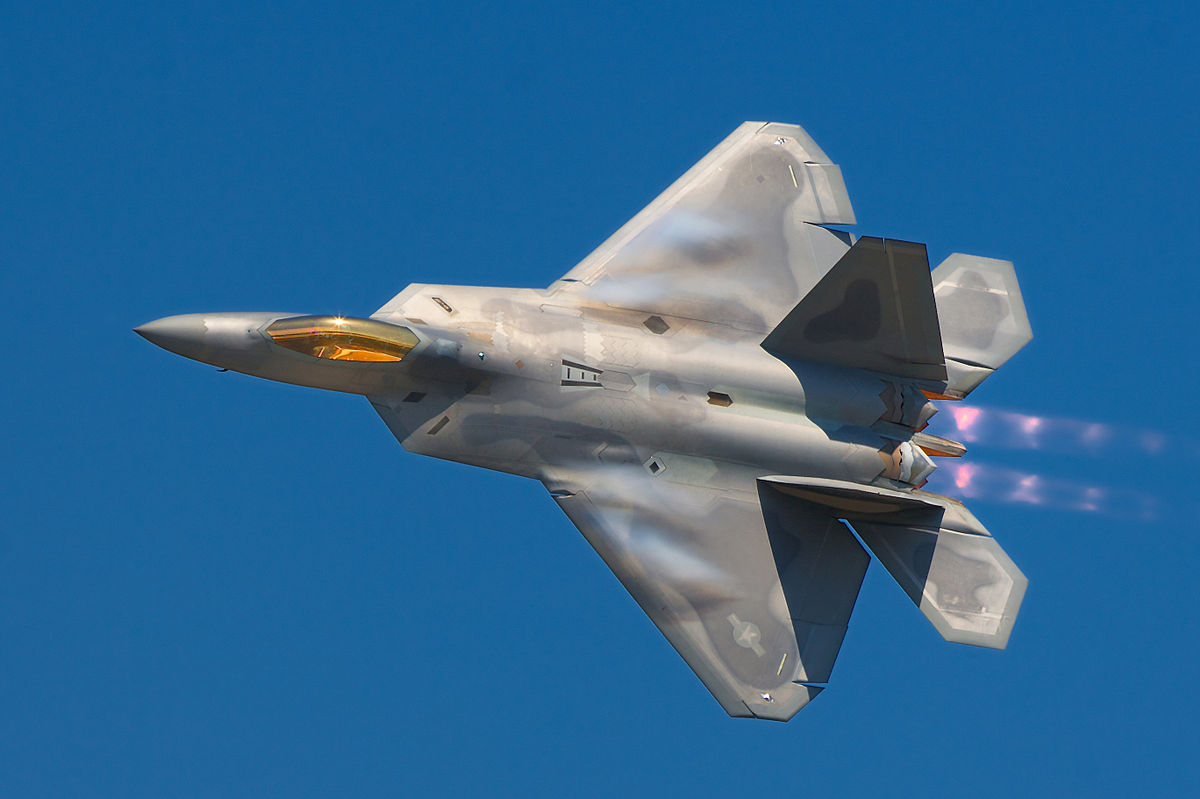
Cost per unit: $412 million
The Pentagon spent nearly $67 billion to design, engineer and deploy 187 F-22s between 1997 and 2012. Twenty years ago, the department planned to buy 648 F-22s for $139 million apiece. But thanks to added modernization costs ultimately soared to $412 million, the Government Accountability Office said. Congress voted in 2009 to halt production, though the Raptor has been given a second chance, flying bombing sorties against the Islamic State and has seen training deployments to Europe.
Wikimedia Commons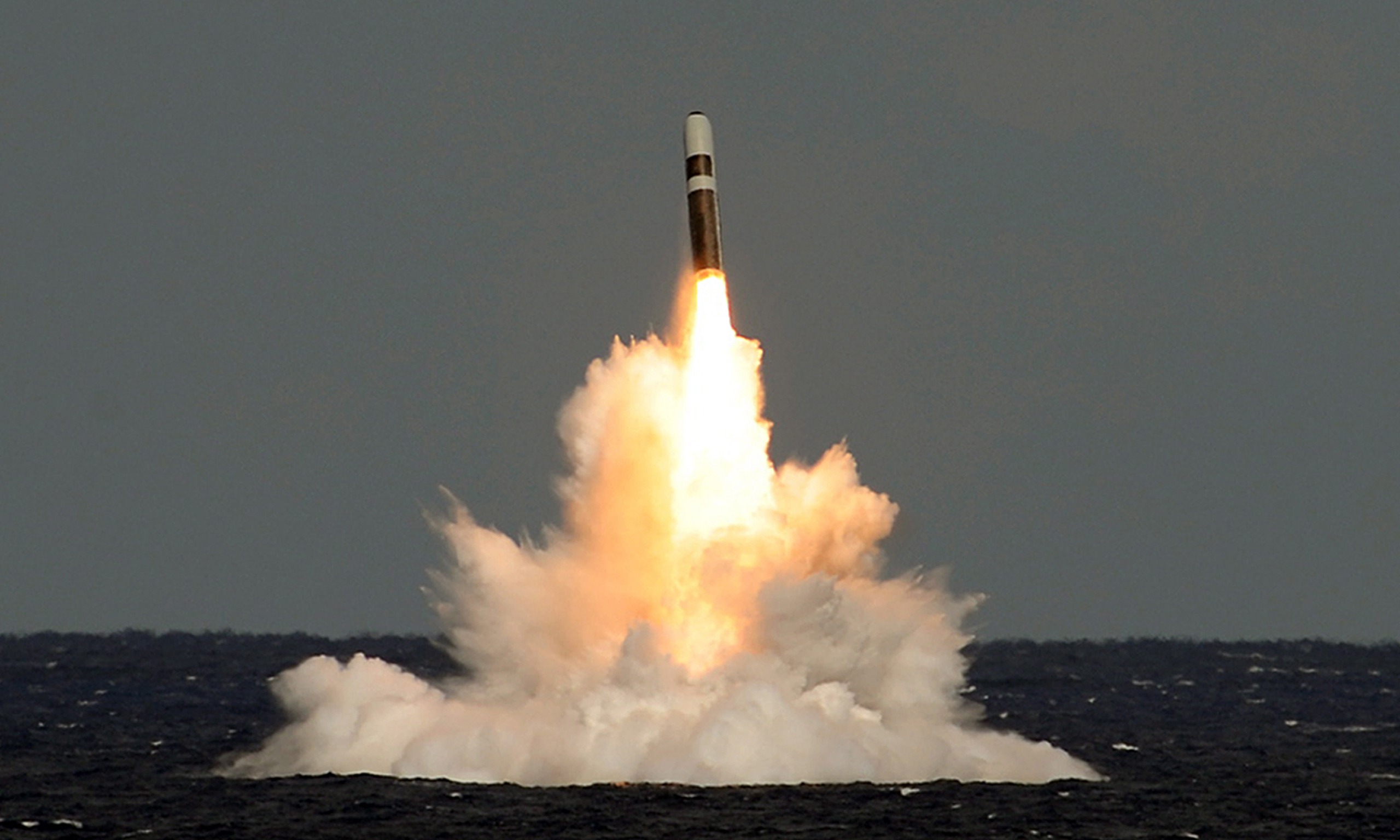
Cost per unit: $37.3 million
The most advanced ballistic missile in the U.S. Navy’s arsenal, the program’s price tag comes in at more than $53 billion.
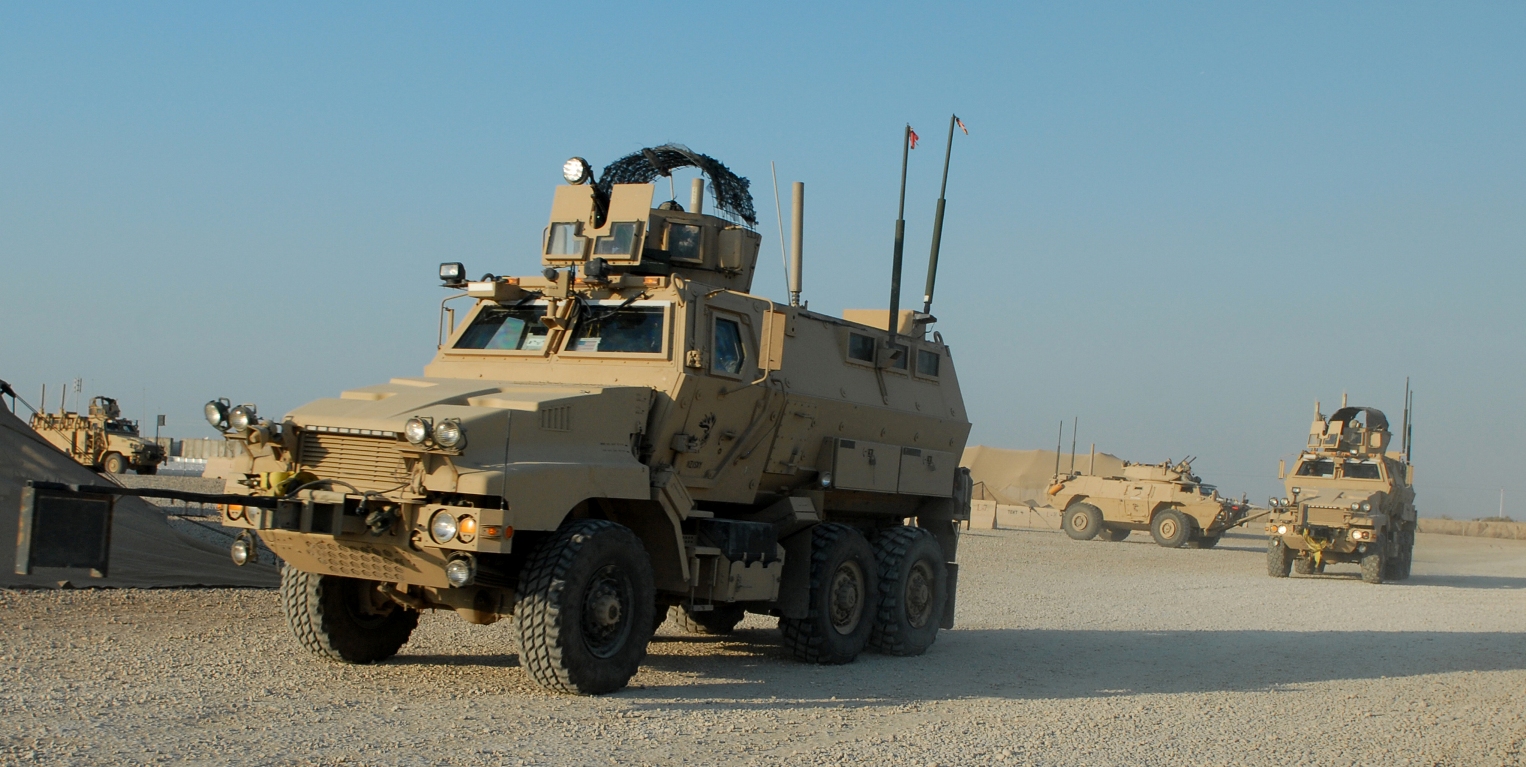
Cost per unit: $1 million
Conceived during the darkest days of the Iraq war when U.S. vehicles were hit several times daily by land mines and other improvised explosive devices, the U.S. spent around $50 billion to produce 27,000 MRAPS to counter insurgent forces. At a cost of $1 million each, the lumbering vehicles quickly became beloved by the troops.
Wikimedia Commons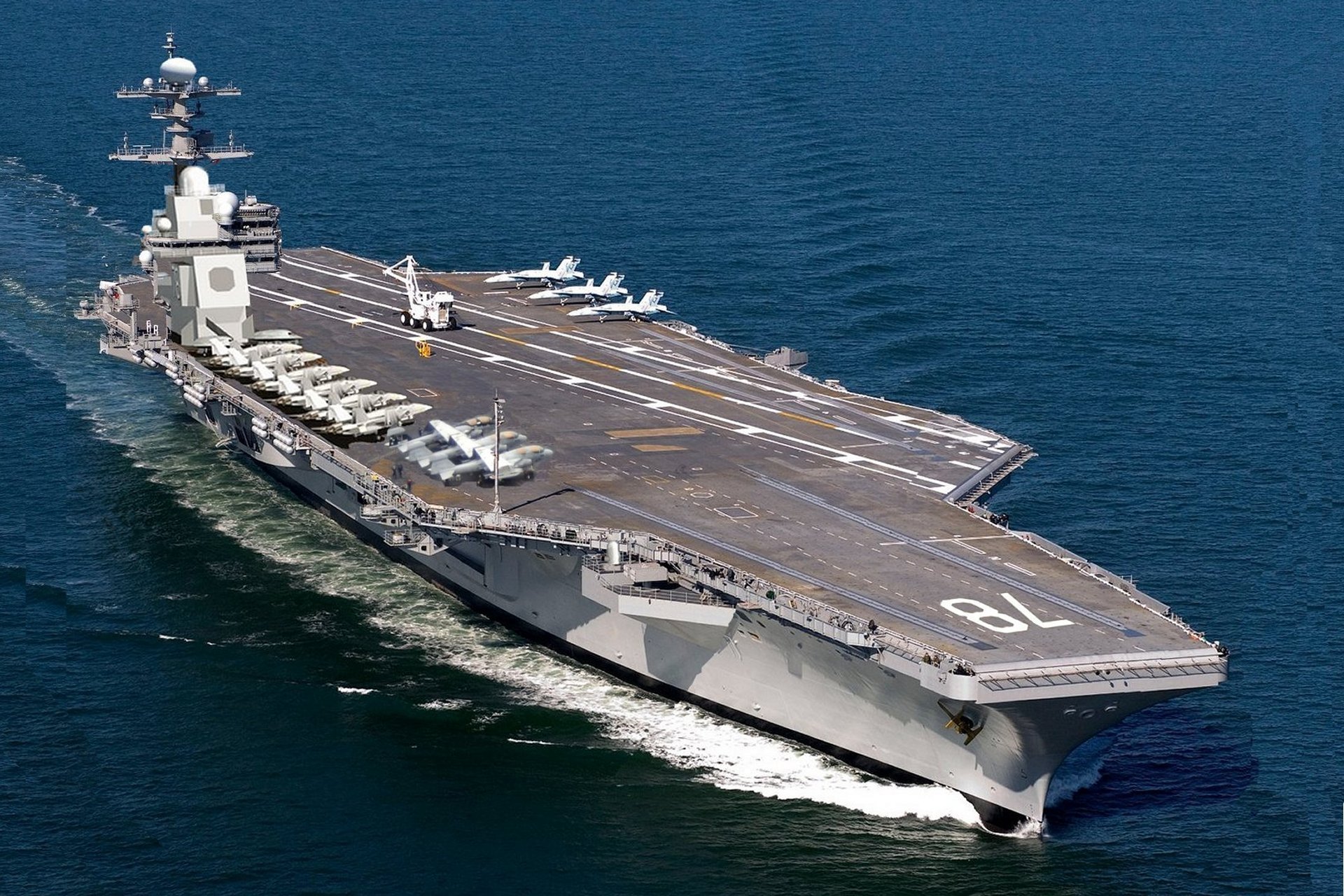
Cost per unit: $12.6 billion
The first in the U.S. Navy's next generation of warships, the vessel is another example of how the Pentagon struggles with buying major weapons systems. Senate Armed Services committee chair John McCain (R-AZ) called the Ford-class carrier program “one of the most spectacular acquisition debacles in recent memory,” noting the first ship is $2.4 billion over its initial price tag. The entire effort is $6 billion over budget.
Wikimedia Commons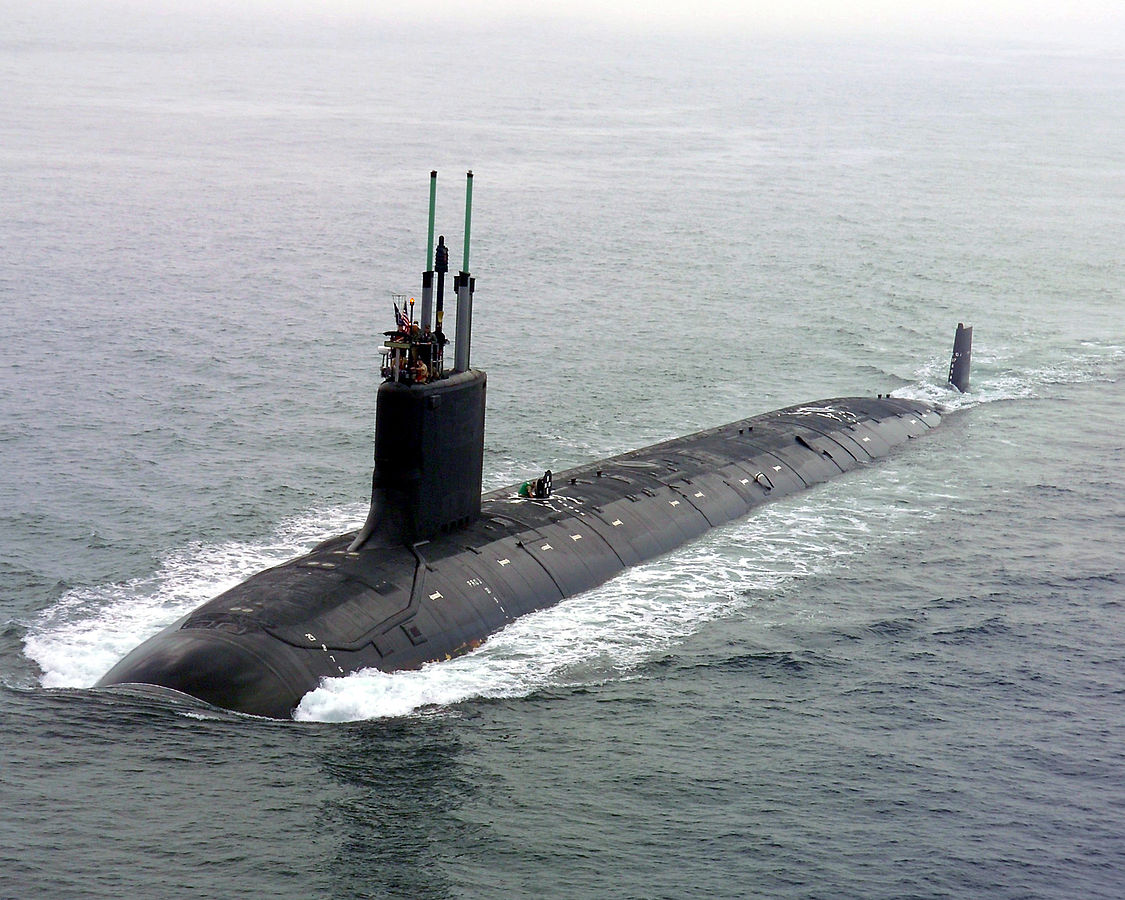
Cost per unit: $2.7 billion
A single, nuclear-powered, Virginia-class boats currently costs about $2.7 billion to procure. The Virginia submarine is intended to replace the fleet of nearly 40 Los Angeles Class subs, long the backbone of the Navy’s underwater force. The services hopes to purchase a total of 32 Virginia-class submarines, with the last planned for purchase in fiscal year 2020. That would put the effort’s price tag at around $87 billion.
Wikimedia Commons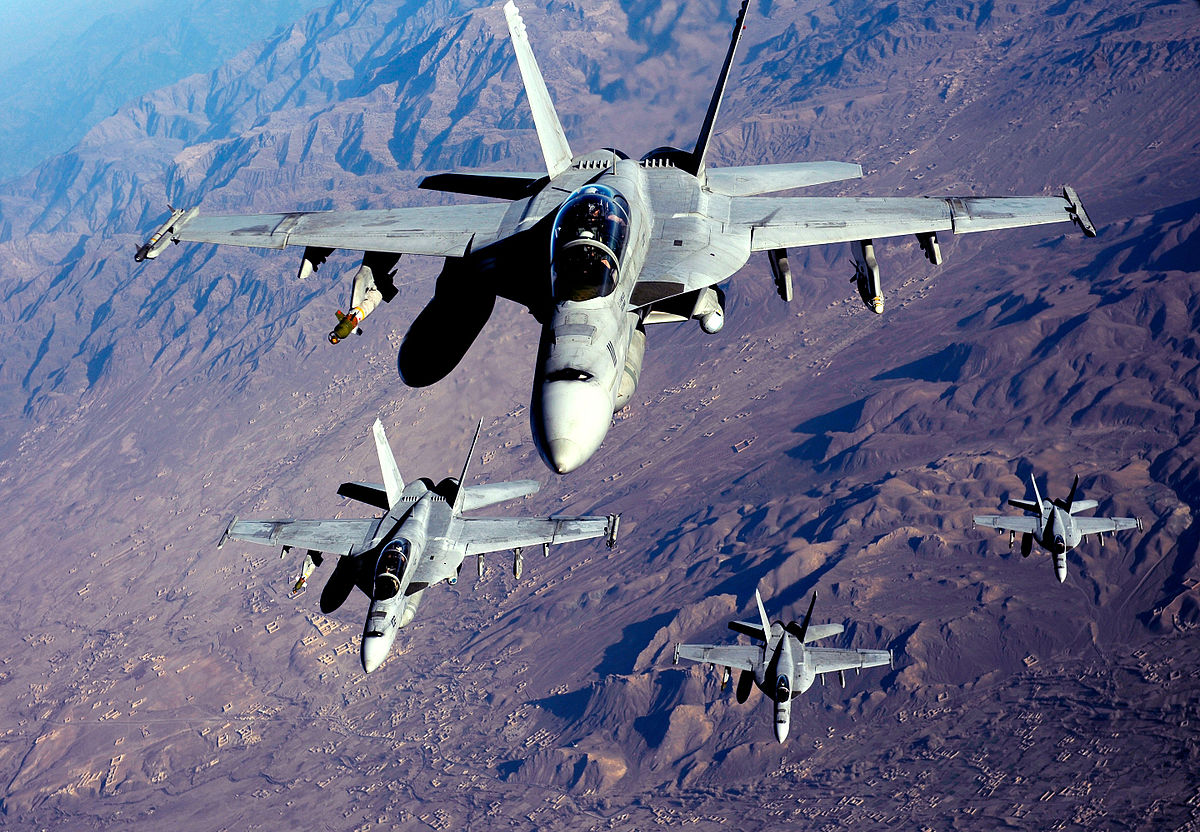
Cost per unit: $65 million
The fighter jet, mainly used on aircraft carriers, is the Navy’s nearly $58 billion Swiss Army Knife, capable of carrying missiles, bombs and ground missiles. The Super Hornet per unit cost pales in comparison to the pricier F-35 and F-22, coming in at just over $65 million, with about half of that going to the airframe.
Wikimedia Commons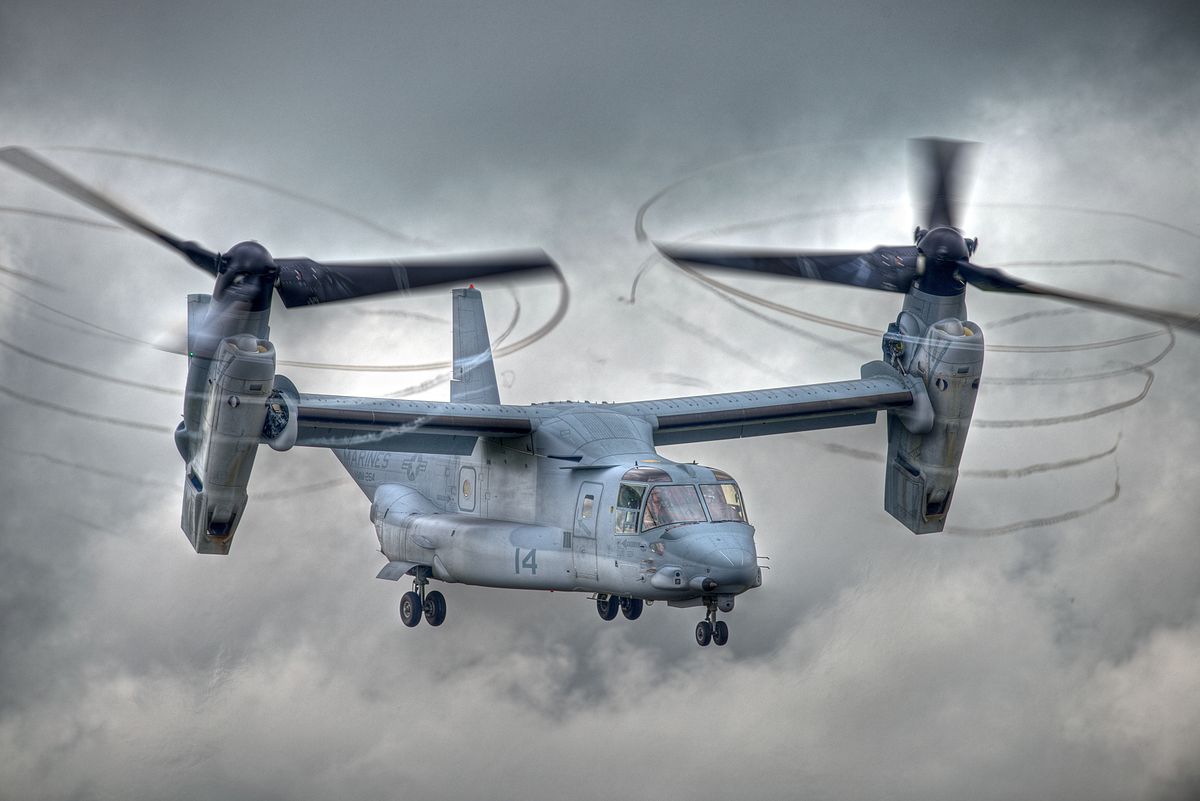
The V-22 tilt-rotor program has certainly been beset by controversy throughout its 20-year development period, but it seems to have come out the other side, after spending almost $60 billion, and is flown by the Marines and U.S. special forces. The two versions of the plane, dubbed the CV and the MV, cost around $70 million each, with most of that going toward the airframe itself, with a price tag north of $60 million.
Wikimedia Commons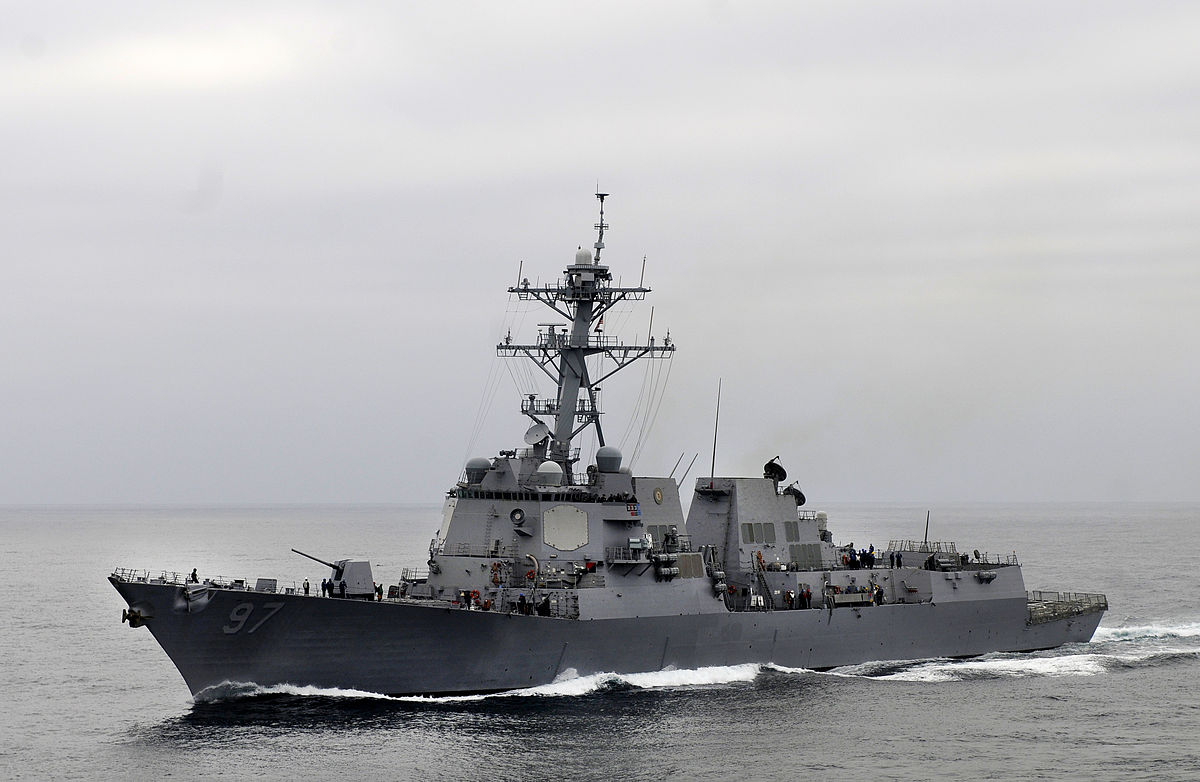
Cost per unit: $1.9 billion
Each vessel costs roughly $1.9 billion and there are currently more than 60 sailing the seas today. The Navy is supposed to procure over a dozen more of the 500-foot long ships before they are replaced by the troubled Zumwalt class of ships.
Wikimedia Commons