
GOP Governor Asks Voters to Raise Their Own Taxes
Michigan voters go to the polls today to vote on Proposal 1, a referendum that would hike the state sales and gasoline taxes. An unexpected twist in the story, though, is who is backing the plan and why. Support for the proposal speaks to the declining state of infrastructure in the U.S. and the increasing urgency with which states are taking matters into their own hands.
Proposal 1 is a complex mix of policy changes that would raise more than a billion dollars to fund road construction and repair, plus hundreds of millions for education and other purposes. It would do so by hiking the Michigan state sales tax from 6 percent to 7 percent. That represents a 17 percent increase in total sales taxes Michiganders will face on taxable items.
Related: America’s Energy Infrastructure in Desperate Shape
However, the bill also abolishes the sales tax on gasoline – Michigan is one of the few states in which gas is not exempt from state sales tax – and would dramatically increase the wholesale gasoline tax. The net effect, according to the Detroit Free Press, would be an increase of between 7 and 9 cents per gallon in what consumers pay at the pump. The proposal would net about $1.9 billion per year for the state’s coffers, the majority of it coming out of the pockets of Michigan’s taxpayers. (A small percentage would come from out-of-state visitors paying taxes on items purchased in Michigan.)
Normally, a $2 billion tax hike – the biggest in the state in a generation – would be the sort of thing Republican politicians would attack mercilessly, but in Michigan, Republican Governor Rick Snyder is a strong proponent of the deal. And Snyder isn’t alone. Prominent Republican and Democratic lawmakers have thrown their support behind the measure.
Related: Get Ready to Pay More Tolls If Infrastructure Isn’t Funded
The move also has significant support from the business community. Unsurprisingly, the biggest backers of the deal are the construction companies and related industries. But there is also support in the general business community, even among some companies whose products would be more expensive.
Even with substantial support from legislative leaders and businesses, though, the prospects for Proposal 1 looked poor heading into the vote today Public opinion remains generally against the proposition despite a multimillion-dollar advertising campaign by supporters that has dwarfed efforts by the opposition.
Should the vote fail, though, the state’s pothole-pocked roads and crumbling bridges won’t fix themselves, so legislators will have to find the revenue somewhere, either by increasing taxes via a different route, or cutting spending from an already tight state budget.

Small Business Owners Say They’re Raising Worker Pay
A record percentage of small business owners say they are raising pay for their workers, according to the latest monthly jobs report from the National Federation of Independent Business, based on a survey of 10,000 of the group’s members. A seasonally adjusted net 35 percent of small businesses say they are increasing compensation. “They are increasing compensation at record levels and are continuing to hire,” NFIB President and CEO Juanita Duggan said in a statement accompanying the report. “Post tax reform, concerns about taxes and regulations are taking a backseat to their worries over filling open positions and finding qualified candidates.”

The US Is Running Short on More Than 200 Drugs

The U.S. is officially running short on 202 drugs, including some medical staples like epinephrine, morphine and saline solution. “The medications most vulnerable to running short have a few things in common: They are generic, high-volume, and low-margin for their makers—not the cutting-edge specialty drugs that pad pharmaceutical companies’ bottom lines,” Fortune’s Erika Fry reports. “Companies have little incentive to make the workhorse drugs we use most.” And much of the problem — “The situation is an emergency waiting to be a disaster,” one pharmacist says — can be tied to one company: Pfizer. Read the full story here.
Chart of the Day: Could You Handle a Sudden $400 Expense?
More Americans say they are living comfortably or at least “doing okay” financially, according to the Federal Reserve’s Report on the Economic Well-Being of U.S. Households in 2017. At the same time, four in 10 adults say that, if faced with an unexpected expense of $400, they would not be able to cover it or would cover it by selling something or borrowing money. That represents an improvement from 2013, when half of all adults said they would have trouble handling such an expense, but suggests that many Americans are still close to the edge when it comes to their personal finances.

Kevin Brady Introduces Welfare Reform Bill
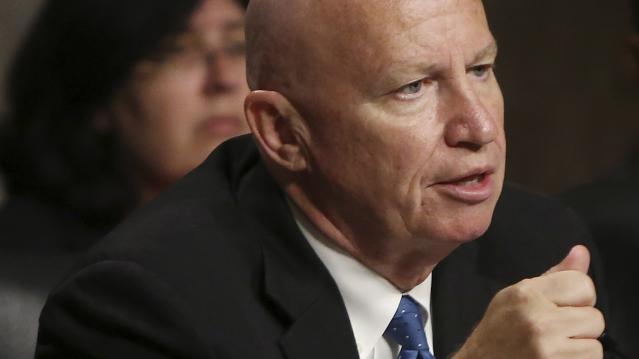
The Tax Policy Center’s Daily Deduction reports that Rep. Kevin Brady (R-TX), chair of the House Ways and Means Committee on Friday introduced The Jobs and Opportunity with Benefits and Services (JOBS) for Success Act (H.R. 5861). “The bill would rename the Temporary Assistance for Needy Families (TANF) program and target benefits to the lowest-income households. Although the House GOP leadership promised to include an expansion of the Earned Income Tax Credit as part of an upcoming welfare reform bill, this measure does not appear to include any EITC provisions.” The committee will mark up the bill on Wednesday.