
GOP Governor Asks Voters to Raise Their Own Taxes
Michigan voters go to the polls today to vote on Proposal 1, a referendum that would hike the state sales and gasoline taxes. An unexpected twist in the story, though, is who is backing the plan and why. Support for the proposal speaks to the declining state of infrastructure in the U.S. and the increasing urgency with which states are taking matters into their own hands.
Proposal 1 is a complex mix of policy changes that would raise more than a billion dollars to fund road construction and repair, plus hundreds of millions for education and other purposes. It would do so by hiking the Michigan state sales tax from 6 percent to 7 percent. That represents a 17 percent increase in total sales taxes Michiganders will face on taxable items.
Related: America’s Energy Infrastructure in Desperate Shape
However, the bill also abolishes the sales tax on gasoline – Michigan is one of the few states in which gas is not exempt from state sales tax – and would dramatically increase the wholesale gasoline tax. The net effect, according to the Detroit Free Press, would be an increase of between 7 and 9 cents per gallon in what consumers pay at the pump. The proposal would net about $1.9 billion per year for the state’s coffers, the majority of it coming out of the pockets of Michigan’s taxpayers. (A small percentage would come from out-of-state visitors paying taxes on items purchased in Michigan.)
Normally, a $2 billion tax hike – the biggest in the state in a generation – would be the sort of thing Republican politicians would attack mercilessly, but in Michigan, Republican Governor Rick Snyder is a strong proponent of the deal. And Snyder isn’t alone. Prominent Republican and Democratic lawmakers have thrown their support behind the measure.
Related: Get Ready to Pay More Tolls If Infrastructure Isn’t Funded
The move also has significant support from the business community. Unsurprisingly, the biggest backers of the deal are the construction companies and related industries. But there is also support in the general business community, even among some companies whose products would be more expensive.
Even with substantial support from legislative leaders and businesses, though, the prospects for Proposal 1 looked poor heading into the vote today Public opinion remains generally against the proposition despite a multimillion-dollar advertising campaign by supporters that has dwarfed efforts by the opposition.
Should the vote fail, though, the state’s pothole-pocked roads and crumbling bridges won’t fix themselves, so legislators will have to find the revenue somewhere, either by increasing taxes via a different route, or cutting spending from an already tight state budget.
Big Ad Buys to Push Tax Reform
Two conservative groups are spending millions to promote an overhaul of the tax code.
The American Action Network announced Thursday that it will spend $2 million on a new TV ad featuring a Midwestern mom who says her family is “living paycheck to paycheck” and that a middle class tax cut would give them “piece of mind.” The ad will air in 28 congressional districts currently held by Republicans. Americans for Prosperity, backed by the Koch brothers, will spend $4.5 million on ads that promote tax reform while criticizing three red-state Democratic senators -- Claire McCaskill (MO), Tammy Baldwin (WI) and Joe Donnelly (IN).
Some States Will See Dramatic Obamacare Price Hikes in 2018
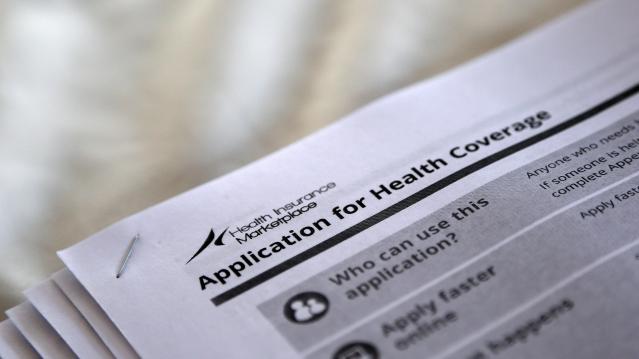
Premiums for Affordable Care Act policies are set to rocket higher in many places in 2018. Many of the rates for next year won't be made public until November, but The New York Times found that Georgia has already approved increases of up to 57.5 percent, while the average rate in Florida will jump by about 45 percent and the average in New Mexico will climb by 30 percent. Minnesota, on the other hand, announced this week that a new state reinsurance program has helped stabilize rates and price changes for individual plans in the state will range from a decrease of 38 percent to an increase of 3 percent.
Confusion stemming from the White House and Congress, including uncertainty about whether the Trump administration will continue to make cost-sharing payments to insurers, is largely driving the increases. Keep in mind, though, that about 85 percent of people who buy insurance through Obamacare exchanges won’t feel the price hikes because their plans are subsidized — but the federal government will have to shell out more for those subsidies.
A Tax Reform 'Game Changer'?
The National Association of Home Builders says it's open to changes to the mortgage-interest deduction — a major policy shift that could have significant implications for the Trump administration's proposed tax reform, Politico's Lorraine Woellert reports. The break benefiting homebuyers was preserved as part of the tax framework released last week, but the reform plan also calls for increasing the standard deduction, a shift that would make the mortgage interest deduction less valuable. The National Association of Realtors last week criticized the administration's plan, even though it left the mortgage tax break in place. "This proposal recommends a backdoor elimination of the mortgage interest deduction for all but the top 5 percent who would still itemize their deductions," the group's president said.
Warren Buffett: Eliminating the Estate Tax Would Be a ‘Terrible Mistake’
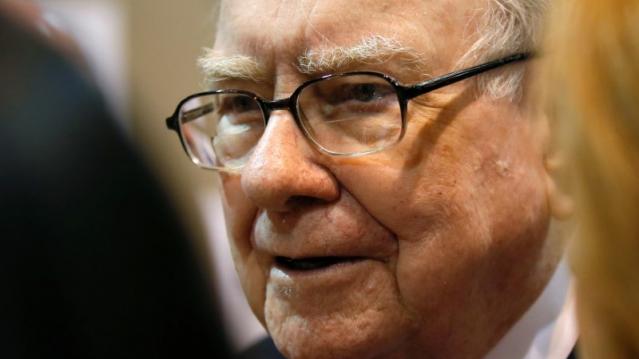
The world’s second-wealthiest man is worth about $75 billion, but he isn’t worried about the government taking a bite out of his estate after he’s gone. In fact, Buffett thinks the estate tax, which applies to just a few thousand estates a year, is a reasonable way to allocate resources, especially in a society in which the rich have gotten much richer over the last few decades. Buffett’s main concern is the emergence of “dynastic wealth” that “goes totally against what built this country, what this country stands for.” In an interview Tuesday, Buffett criticized the latest GOP proposal to get rid of the estate tax: "If they pass the bill they're talking about, I could leave $75 billion to a bunch of children and grandchildren and great-grandchildren. And if I left it to 35 of them, they'd each have a couple billion dollars ... Is that a great way to allocate resources in the United States?” (CNBC)
Treasury Pulls a Paper That Contradicts Mnuchin’s Corporate Tax Argument
The Treasury Department has taken down from its website a 2012 analysis that found that business owners and shareholders — not workers — bear most of the burden of corporate taxes. The findings of the report run counter to the argument Treasury Secretary Steven Mnuchin has been making in selling the benefits of a reduction in the corporate tax rate. The Trump administration’s tax reform framework calls for dropping the corporate rate from 35 percent to 20 percent.
The 2012 report from the Office of Tax Analysis found that “workers pay 18 percent of the corporate tax while owners of capital pay 82 percent” — figures that are “in line with many economists’ views and close to estimates from the nonpartisan Joint Committee on Taxation and Congressional Budget Office,” according to The Wall Street Journal.
A Treasury spokeswoman told the Journal: “The paper was a dated staff analysis from the previous administration. It does not represent our current thinking and analysis.”
Jason Furman, who was chairman of President Obama’s Council of Economic Advisors, tweeted that the goal of the technical paper series that included the removed study “was to be more transparent about the methodology Treasury used for its modeling and analysis.”
Treasury website has 40+ yrs of Tax Working & Technical Papers. This is the only one removed https://t.co/QzLTSHderk https://t.co/MFZRd7HoFQ
— Jason Furman (@jasonfurman) September 29, 2017