
Most Americans Think Our Morals Are Going To Hell

Ask anyone about the state of moral values in the U.S. and you’re likely to get a response along the lines of, “we’re going to hell.”
Most Americans — 72 percent — are convinced that moral values in the U.S. are decaying, according to a new Gallup poll, and most people believe the current state of moral values isn’t all that great to begin with. Nearly half of those polled, 45 percent, called the state of moral values in the U.S. “poor,” while 34 percent said they are “only fair.”
Just 19 percent rated American morals as either “excellent” or “good,” and only 22 percent say the state of moral values is getting better.
Unsurprisingly perhaps, social conservatives have consistently been most likely to tell pollsters that the nation’s moral values are deteriorating, but the latest Gallup findings showed an uptick from 2014 to 2015 among social moderates and social liberals who believe moral values are regressing.
Related: How U.S. Morals Stack Up Against the World
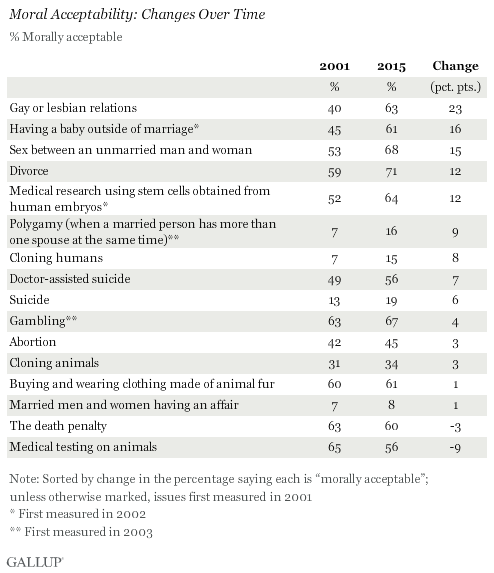
Gallup also found that Americans’ views of the moral acceptability of a number of key issues has been shifting to the left since 2001. The largest shift was on gay or lesbian relations, with a 23 percentage point increase in the share of people who say that behavior is morally acceptable. The change coincides with a sharp increase in support for same-sex marriage.
Sex between unmarried people has also become more acceptable, as has having babies outside of marriage. Polygamy and divorce are also now acceptable to a greater portion of the population than in 2001. On the other hand, the views of married men and women having an affair haven’t changed much, with just 8 percent of Americans saying it’s morally tolerable.
However, respondents to the poll about the current and future state of moral values weren’t necessarily responding with those charged social and political issues in mind. In many cases, Gallup suggests, their views of the moral direction of the country were rooted in something much more basic: “That is, their views have less to do with greater acceptance of same-sex marriage or having babies out of wedlock and other hot-button issues, and more to do with matters of basic civility and respect for each other,” Gallup’s Justin McCarthy wrote.
Clearly, the Golden Rule is still the bedrock of our moral code: Love thy neighbor as thyself.
Obamacare Plans Offer 34 Percent Fewer Choices

As many predicted, Americans insured under the Affordable Care Act may not be able to keep their doctors--and even their hospitals.
A new study reveals that the average plans provided on the Obamacare health insurance exchanges offer 34 percent fewer providers than the average commercial plan offered outside the exchange.
The analysis from Avalere shows the disparity compared with commercial plans:
- 42 percent fewer oncology and cardiology specialists
- 32 percent fewer mental health and primary care providers
- 24 percent fewer hospitals
Related: Top 10 Questions Consumers Ask About Obamacare

“Patients should evaluate a plan’s provider network when picking insurance on the exchange,” said Elizabeth Carpenter, vice president at Avalere. “Out-of-network care does not accrue toward out-of-pocket maximums, leaving consumers vulnerable to high costs if they seek care from a provider not included in their plan’s network.”
Patients need to evaluate a plan’s provider network when selecting insurance on the exchange, especially if they have a history of cancer or heart disease or require mental health services.
Limiting choice is one way for health exchanges to keep costs down, but ultimately patients bear the cost. “Plans continue to test new benefit designs in the exchange market,” said Dan Mendelson, CEO at Avalere. “Given the new requirements put in place by the ACA, network design is one way plans can drive value-based care and keep premiums low.”
When It Comes to Fees, These Credit Cards Are the Worst
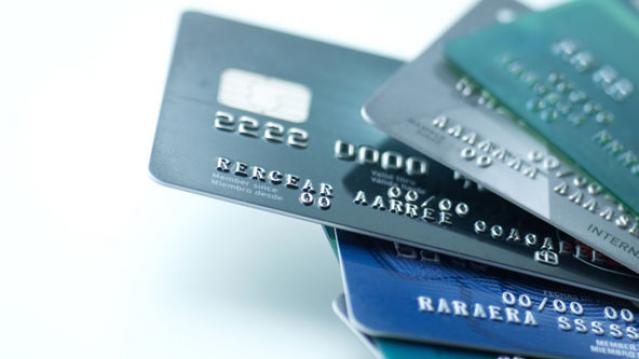
Two credit cards from First Premier Bank have the most fees of 100 cards researched for a CreditCards.com report released today.
The average number of fees per credit card analyzed was six, but the First Premier Bank Credit Card and the First Premier Bank Secured MasterCard carry 12 potential fees each. The PenFed Promise Visa Card was the only one in the survey that levied no fees at all.
A quarter of the cards surveyed charged an annual fee, although 10 percent waived that fee for a consumers’ first year. All cards except for the PenFed Promise Visa Card charged a late payment fee, which can run up to $25.
Related: What to Know Before Your Teen Gets a Credit Card
Penalty fees tend to be easier for consumers to avoid (don’t make late payments), and it’s worth shopping around for cards that don’t have fees for the transactions you need.
Most cards carry a cash advance fee, typically the greater of either $10 or 5 percent of each cash advance. Among cards that allow balance transfers, 90 percent charge a fee for doing so, typically $5 or 3 percent of the transfer.
Another common fee was the foreign transaction fee, typically about 3 percent per transaction, charged by 77 percent of cards. “If you travel internationally a lot, a credit card that doesn’t charge foreign transaction fees is a great value,” CreditCards.com senior industry analyst Matt Schulz said in a statement.
If you’re hit with an unexpected, one-time fee, try calling your issuer and asking them for a refund. Often customer service reps are authorized to do so on a case-by-case basis.
MOST POTENTIAL FEES
- First Premier Bank Credit Card (12)
- First Premier Bank Secured MasterCard (12)
- Credit One Visa Platinum (9)
- Fifth Third Bank Platinum MasterCard (9)
- Navy Federal Credit Union Platinum (9)
- Navy Federal Credit Union Cash Rewards (9)
- Regions Visa Platinum Rewards (9)
FEWEST POTENTIAL FEES
- PenFed Promise Visa Card (0)
- ExxonMobil SmartCard from Citi (3)
- Spark Classic from Capital One (3)
- Capital One Spark Cash Select for Business (3)
- Spark Miles Select by Capital One (3)
Amazon vs. Walmart: A Graphic Look at the Numbers on Prime Day
Amazon’s campaign to create a Christmas-in-July shopping frenzy online seemed to be working on Wednesday, if the sheer number of blog posts debating the pros and cons of its big sales event are any measure.
Marking the company’s 20th anniversary while promoting Amazon Prime -- the $99 a year program which provides free shipping, online video and other perks -- Prime Day promises “more deals than Black Friday,” according to the retailing giant.
While some shoppers complained about lackluster offerings, critics were missing the point. Amazon’s likely goal was not to boost revenues through a massive sale, but to sell more Amazon Prime memberships. As always, Amazon has its eye on the prize of becoming the world’s largest retailer.
Walmart, the current retailer champion, didn’t the challenge sitting down, announcing its own massive online sale beginning July 15. It looks like the battle is on for control of the mass market online shopping space.
How do the two retailing giants stack up? This graphic from WebpageFX provides some basic facts.

Created by WebpageFX
Obama All but Calls Cosby a Serial Rapist
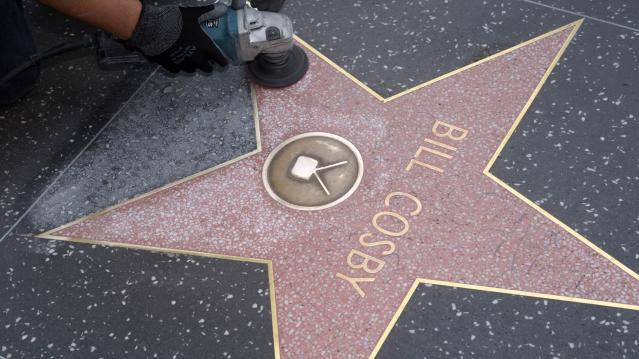
For months, comedian Bill Cosby has come under relentless attack amid allegations that he raped dozens of women over the years after slipping them drugs. As the controversy grew, some on Capitol Hill questioned whether something should be done to strip the long-celebrated actor of a Presidential Medal of Freedom awarded him in 2002 during the Bush administration.
Today at a White House news conference, President Obama abruptly veered from an extensive defense of the Iran nuclear deal to a thinly veiled denunciation of Cosby as a serial rapist. In response to a reporter’s question of whether he would consider rescinding the medal, Obama said, “There’s no precedent for revoking a medal,” and that “we don’t have the mechanism.”
Then, after noting that he rarely publicly discusses pending civil law suits that might result in criminal charges, he made this startling pronouncement: “I’ll say this: If you give a woman -- or a man for that matter -- without his or her knowledge a drug and then have sex with that person without consent, that’s rape.”
It was a dramatic moment as the first African American president in U.S. history denounced from the White House pulpit the conduct of one of the most prominent and (once) beloved black actors and comedians of modern times.
Related: Bill Cosby's Moralizing Comes Back to Haunt Him
Cosby and his lawyers for months have dismissed as fantasy claims by more than two dozen women that they had been sexually assaulted by the actor over the past several decades – frequently after having been given knock-out drugs to make them groggy or put them to sleep.
But this ‘he said-she said’ controversy came to an end earlier this month after Cosby had admitted in a deposition giving Quaaludes to women he wanted to have sex with.
The documents, dating back to 2005, stem from a civil lawsuit filed by Andrea Constand -- one of the dozens of women who have publicly accused the comedian of sexual assault. The records were made public after The Associated Press went to court to compel their release.
Following that report, Sens. Kirsten Gillibrand (D-NY) and Claire McCaskill (D-MO) said it was an outrage that Cosby continued to hold the highest civilian honor in America. In a statement to Politico, a spokeswoman for Gillibrand said Cosby's medal must be revoked "because we need to set a clear example that sexual assault will not be tolerated in this country."
Obama apparently agrees with the senators, but just doesn’t know what he could do to take the medal back.
Garage or Backyard? Here’s What First-Time House Buyers Want
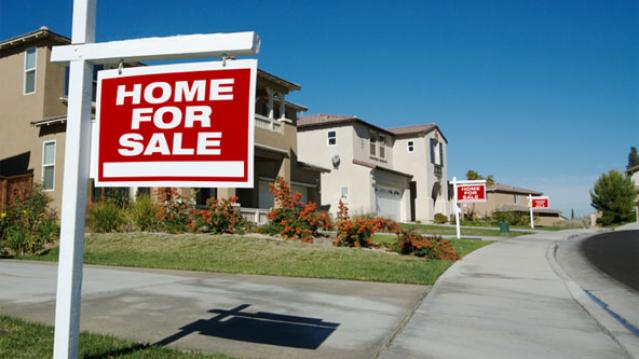
More than two-thirds of potential first-time homebuyers want a house in move-in condition, and 43 percent are looking for a place in the burbs.
Beyond that, first-time buyers are most interested in a home with a backyard or pool, striking design, and smart or energy efficient technology, according to the TD Bank First-Time Home Buyer Pulse.
“It’s encouraging to see interest from the first-time homebuyers who have been cautious for much of the housing recovery,” TD Bank Head of Pricing and Secondary Markets Scott Haymore said in a statement. “Consumers are gaining confidence in the economy and many are looking to enter the housing market within the next two years.”
Related: Why First-Time Home Buyers Are Flocking to Tennessee
Last year, first-time homebuyers comprised 38 percent of the market, according to the National Association of Realtors.
Among those surveyed, 62 percent want to make a down payment of at least 20 percent, but nearly two-thirds said they were still saving up for it. Almost half said they needed to pay down debt before they could buy a house.
The average down payment in the first quarter of 2015 was $57,710, reports RealtyTrac. Entry-level buyers usually put down less money than repeat buyers, and are more likely to take advantage of Federal Housing Administration loans, which allow down payments of as little as 3 percent for those who qualify.
Those who can’t get an FHA loan can still put down less than 20 percent by buying private mortgage insurance, with annual premiums of between 0.5 percent and 1 percent of the loan amount.