
The Rapidly Rising Death Toll of the Heroin Epidemic
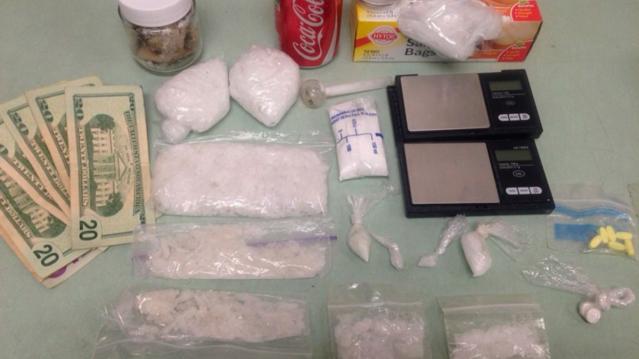
The death toll from the heroin epidemic has been climbing dramatically in recent years — and the annual rate of overdose deaths nearly doubled between 2011 and 2013, according to a new CDC study.
From 2002 through 2013, heroin use in the United States rose by 63 percent, and the rate of abuse or dependence climbed a staggering 90 percent. Deaths from heroin-related overdoses nearly quadrupled, with more than 8,200 people dying in 2013 alone.
The CDC report says that heroin use has increased across most demographic groups — men and women, most age groups, and across all income levels. Rates of heroin use are still highest among men, those ages 18 to 25, people with income less than $20,000 a year, people in urban areas, and those who do not have health insurance or are on Medicaid. But other groups are turning to the drug, too. “Some of the greatest increases occurred in demographic groups with historically low rates of heroin use: women, the privately insured and people with higher incomes,” the CDC says.
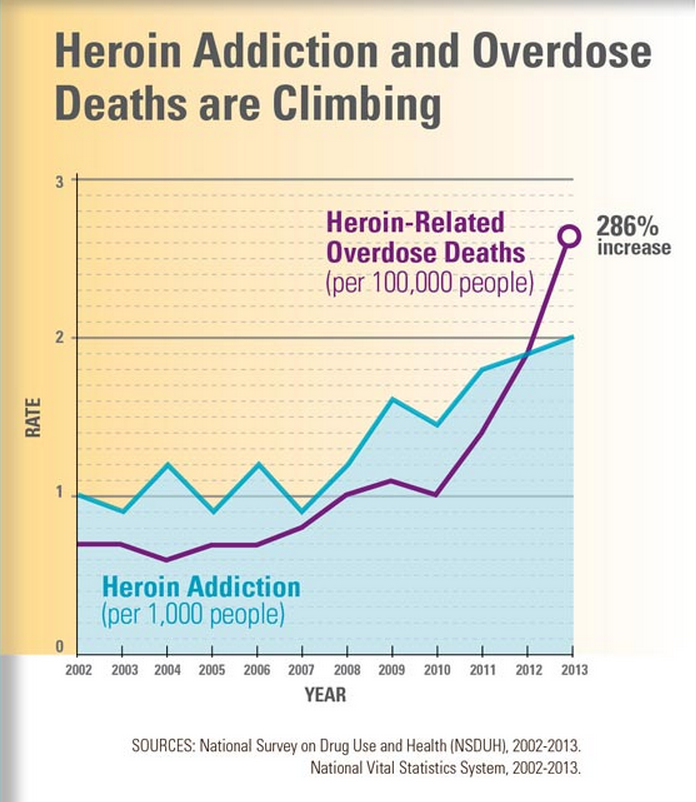
The heroin trend isn’t happening in isolation, the CDC study says. Almost all heroin users — 96 percent — also took at least one other drug, and 61 percent used at least three other drugs. Abuse or dependence on opioid painkillers is the strongest risk-factor for heroin use or addiction, the report says, with cocaine addiction also high on the list. People who are addicted to prescription opioid painkillers are 40 times more likely to use or be addicted to heroin, and 45 percent of people who used heroin were also addicted to painkillers.
Another key reason is that heroin is becoming cheaper and more widely available. According to the DEA, the increase in heroin seizures in the U.S. from 2010 and 2014 rose 81 percent, from 2,763 kilograms to 5,014 kilograms. More and more law enforcement agencies are identifying heroin as their primary drug threat, but the CDC report suggests that health care workers focus on reducing the abuse of painkillers by improving prescribing practices.
The study also recommends that states increase access to “medication-assisted treatment” programs that use methadone, buprenorphine and naltrexone along with behavioral counseling. And it says the rapid rise in heroin-related deaths highlights an “urgent need” to broaden access to naloxone, a drug that can reverse the effects of heroin and opioid overdose.
Marco Rubio Says There’s No Proof Tax Cuts Are Helping American Workers

Sen. Marco Rubio (R-FL) told The Economist that his party’s defense of the massive tax cuts passed last year may be off base: “There is still a lot of thinking on the right that if big corporations are happy, they’re going to take the money they’re saving and reinvest it in American workers,” Rubio said. “In fact they bought back shares, a few gave out bonuses; there’s no evidence whatsoever that the money’s been massively poured back into the American worker.”
For Richer or Poorer: An Updated Marriage Bonus and Penalty Calculator

The Tax Policy Center has updated its Marriage Bonus and Penalty Calculator for 2018, including the new GOP-passed tax law. The tool lets users calculate the difference in income taxes a couple would owe if filing as married or separately. “Most couples will pay lower income taxes after they are married than they would as two separate taxpayers (a marriage bonus), but some will pay a marriage penalty," TPC’s Daniel Berger writes. “Typically, couples with similar incomes will be hit with a penalty while those where one spouse earns significantly more than the other will almost always get a bonus for walking down the aisle.”
Trump Administration Wants to Raise the Rent
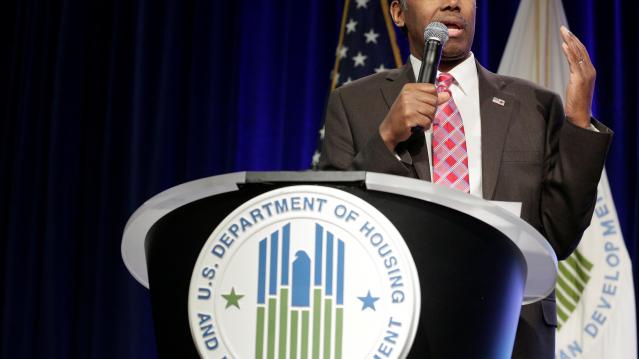
Housing and Urban Development Secretary Ben Carson will propose increasing the rent obligation for low-income households receiving federal housing subsidies, as well as creating new work requirements for subsidy recipients. Some details via The Washington Post: “Currently, tenants generally pay 30 percent of their adjusted income toward rent or a public housing agency minimum rent not to exceed $50. The administration’s legislative proposal sets the family monthly rent contribution at 35 percent of gross income or 35 percent of their earnings by working 15 hours a week at the federal minimum wage -- or approximately $150 a month, three times higher than the current minimum.” (The Washington Post)
New Push for Capital Gains Tax Cut

Anti-tax activists in Washington are renewing their pressure on lawmakers to pass new legislation indexing capital gains taxes to inflation. The Hill provided an example of such indexing that Grover Norquist recently sent to Treasury Secretary Steven Mnuchin: “Under current policy, someone who made an investment of $1,000 in 2000 and sold it for $2,000 in 2017 would pay capital gains taxes on the $1,000 difference. But if capital gains were indexed, the investor would only pay taxes on $579, since $1,000 in 2000 would be equivalent to $1,421 in 2017 after adjusting for inflation.” Proponents of indexing say it’s just a matter of fairness, but critics claim that it would be just another regressive tax cut for the wealthy. Indexing would cost an estimated $10 billion a year in lost revenues. (The Hill)
Bernie Sanders to Propose Plan Guaranteeing a Job for Every American
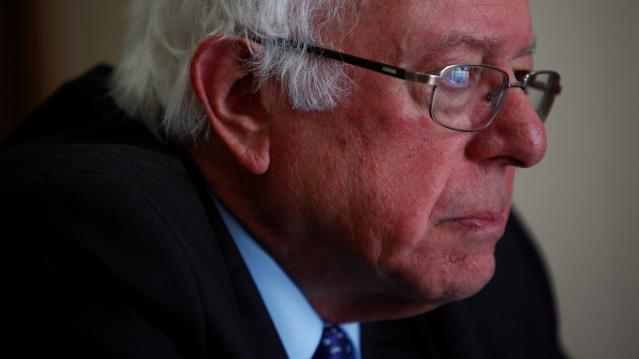
Sen. Bernie Sanders (I-VT) is preparing to announce a plan for the federal government to guarantee a job paying $15 an hour and providing health-care benefits to every American “who wants one or needs one.” The jobs would be on government projects in areas such as infrastructure, care giving, the environment and education. The proposal is still being crafted, and Sanders’ representative said his office had not yet come up with a cost estimate or funding plan. Sen. Kirsten Gillibrand (D-NY) last week tweeted support for a federal jobs guarantee, but Republicans have long opposed such proposals, saying they would cost too much. (Washington Post)