
The Rapidly Rising Death Toll of the Heroin Epidemic
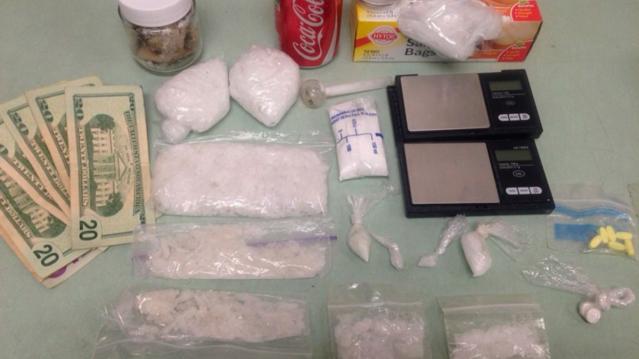
The death toll from the heroin epidemic has been climbing dramatically in recent years — and the annual rate of overdose deaths nearly doubled between 2011 and 2013, according to a new CDC study.
From 2002 through 2013, heroin use in the United States rose by 63 percent, and the rate of abuse or dependence climbed a staggering 90 percent. Deaths from heroin-related overdoses nearly quadrupled, with more than 8,200 people dying in 2013 alone.
The CDC report says that heroin use has increased across most demographic groups — men and women, most age groups, and across all income levels. Rates of heroin use are still highest among men, those ages 18 to 25, people with income less than $20,000 a year, people in urban areas, and those who do not have health insurance or are on Medicaid. But other groups are turning to the drug, too. “Some of the greatest increases occurred in demographic groups with historically low rates of heroin use: women, the privately insured and people with higher incomes,” the CDC says.
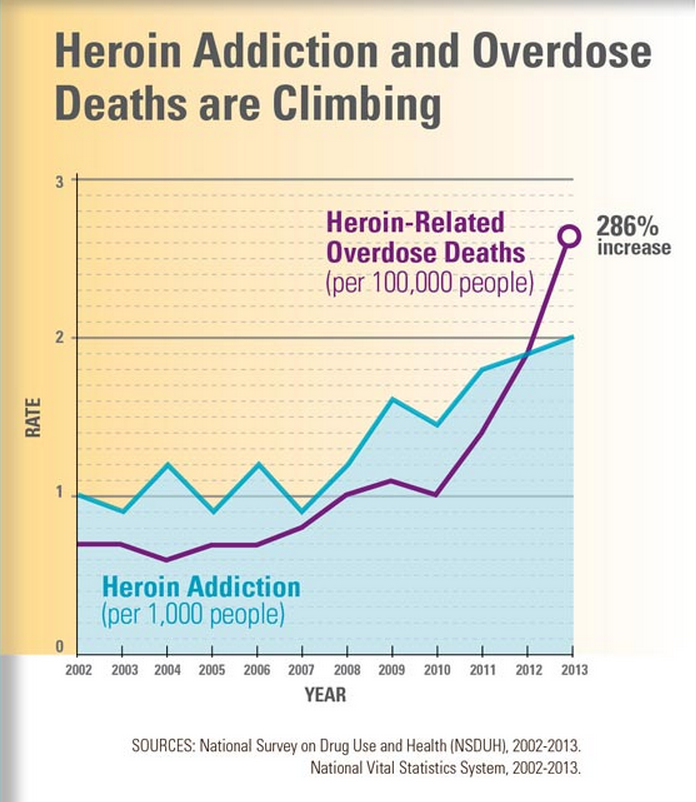
The heroin trend isn’t happening in isolation, the CDC study says. Almost all heroin users — 96 percent — also took at least one other drug, and 61 percent used at least three other drugs. Abuse or dependence on opioid painkillers is the strongest risk-factor for heroin use or addiction, the report says, with cocaine addiction also high on the list. People who are addicted to prescription opioid painkillers are 40 times more likely to use or be addicted to heroin, and 45 percent of people who used heroin were also addicted to painkillers.
Another key reason is that heroin is becoming cheaper and more widely available. According to the DEA, the increase in heroin seizures in the U.S. from 2010 and 2014 rose 81 percent, from 2,763 kilograms to 5,014 kilograms. More and more law enforcement agencies are identifying heroin as their primary drug threat, but the CDC report suggests that health care workers focus on reducing the abuse of painkillers by improving prescribing practices.
The study also recommends that states increase access to “medication-assisted treatment” programs that use methadone, buprenorphine and naltrexone along with behavioral counseling. And it says the rapid rise in heroin-related deaths highlights an “urgent need” to broaden access to naloxone, a drug that can reverse the effects of heroin and opioid overdose.
Quote of the Day - October 16, 2017
Speaking at a cabinet meeting on Monday, President Trump said:
"Obamacare is finished, it's dead, it's gone ... There is no such thing as Obamacare anymore."
Click here for the video.
Poll: Trump Tax Cuts Favor the Wealthy; Deficit Should Be Higher Priority
Trump and the GOP still have work to do if they want to convince Americans that their tax plan won’t mostly help the rich. A CBS News Nation Tracker poll released Sunday finds that 58 percent say the tax reforms being discussed favor the wealthy, while 19 percent say it treats everyone equally and 18 percent say it favors the middle class.
The poll also found that 39 percent say that cutting the deficit should be a priority, even if it means taxes stay the same. About half as many people said cutting taxes should be prioritized even if the deficit rises.
The poll, conducted by YouGov, surveyed 2,371 U.S. adults between October 11 and 13. Its margin of error is 2.5 percent.
Coporate Tax Cut Could Be Phased In
House tax writers (at least some of them) are worried that slashing the corporate tax rate found will push the deficit higher in a hurry – an analysis by the Tax Policy Center found that cutting the rate to the stated goal of 20 percent would cost $2 trillion over a decade. One way to soften the fiscal blow would be to phase in the reduction over three to five years. House Republicans say such an approach would reduce the size of the lost revenue by half.
Larry Summers: GOP Tax Claims Are 'Made-Up'
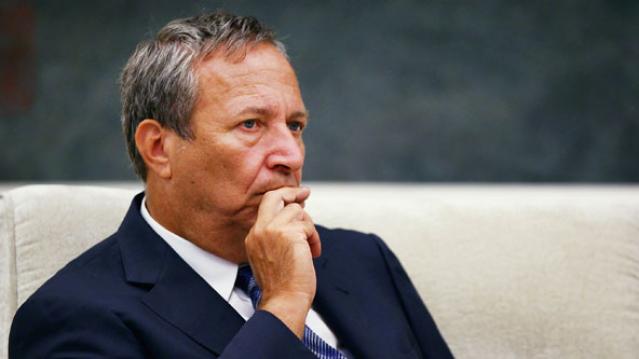
Former U.S. Treasury Secretary Lawrence Summers isn't happy with the Republican tax plan, and it's not just because he has a different set of ideas as a Democrat. More fundamentally, he says Republicans are making false claims: “When you have -- and I hate to be in a position of using this word about our government -- when you have senior economic officials making claims that are made-up ... it’s very hard to have a dialogue, and compromise, and get to a good place.”
Summers is also worried about the effects of a tax cut for the rich during a time of considerable social turmoil: “There’s a lot of unhappiness and anger out there … It’s really hard to see why focusing a corporate tax cut on those at the very high-end is going to do much to assuage that anger.”
How Much Did Mike Pence’s NFL Walkout Cost Taxpayers?
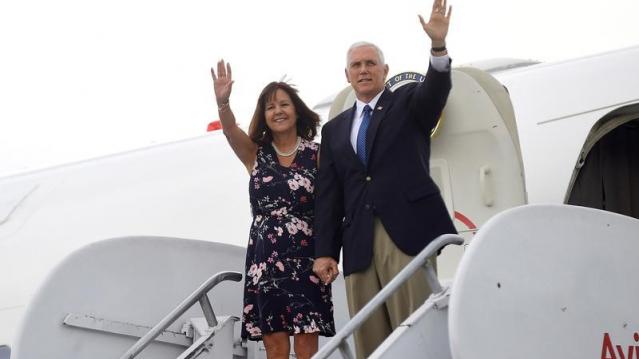
Vice President Mike Pence’s decision to attend an NFL game between the Indianapolis Colts and San Francisco 49ers yesterday and then leave after some 49ers players kneeled during the national anthem was quickly criticized by some as a planned piece of political theater — and a somewhat expensive one at that. “After all the scandals involving unnecessarily expensive travel by cabinet secretaries, how much taxpayer money was wasted on this stunt?” Rep. Adam Schiff (D-CA) tweeted Sunday afternoon.
The answer, CNN reports, is about $242,500: "According to the Air Force, flying a C-32, the model of plane used for Air Force 2, for one hour costs about $30,000. Pence's flight from Las Vegas to Indianapolis Saturday took about three hours and 20 minutes, so it cost about $100,000. Pence then flew from Indianapolis to Los Angeles on Sunday, which took about four hours and 45 minutes, costing about $142,500."
President Trump defended Pence’s trip, tweeting that it had been “long planned.” CNN also reports that some of the costs of Pence's flight from Indianapolis to Los Angeles will be paid back by the Republican National Committee because the vice president is attending a political event there.