
Why Millennials Are Waiting So Long to Buy Their First Homes

They may finally be moving out of their parents’ basements, but don’t expect those boomerang kids to be taking out a mortgage any time soon.
Today’s first-time homebuyer rents for an average of six years before buying his or her first home, according to a new analysis by Zillow. Time spent renting has been marching mostly upward since the 1970s, when first-time buyers rented for just 2.6 years before purchasing a home.
Today’s first-time buyers are also more likely to be single and older (with an average age of 32.5) than previous generations.
“Millennials are delaying all kinds of major life decisions, like getting married and having kids, so it makes sense that they would also delay buying a home,” Zillow Chief Economist Svenja Gudell said in a statement.
Related: Found Your Dream Home? 7 Tips for Getting the Best Deal
Part of the reason for that delay could be that homes cost much more than they did decades ago. Today’s homebuyer makes roughly the same amount of money in inflation-adjusted terms as a buyer in the 1970s, but the homes that they’re purchasing are about 60 percent more expensive.
There are other roadblocks for first-timers. Limited inventory and strong competition make the home buying process difficult for property virgins and student debt can make it tougher to get a mortgage.
Those six years spent renting aren’t coming cheap, either. In 2013, almost half of all renters were spending more than 30 percent of their income on housing, with more than a quarter sending half their income to their landlord every month, according to the “State of the Nation’s Housing 2015” report issued in June by the Harvard Joint Center for Housing Studies. That makes it pretty tough to save for a down payment.
Top Reads from the Fiscal Times:
- Trump as Commander in Chief? Tune in for a Foreign Policy Reality Show
- Clinton’s Email Fail May Be Innocent, but Americans Still Don’t Trust Her
- As Obamacare Costs Rise, the GOP Has a Real Chance to Reform Health Care
Undertrained Military Drone Pilots Have Senators Steaming

Lawmakers on Capitol Hill sent a scathing letter to Defense Secretary Ash Carter this week slamming the Pentagon for allowing Air Force and Army pilots to operate predator drones without completing their necessary training.
The revelation came in a report published last week by the Government Accountability Office that said most drone pilots never finished all of their training because of pilot shortages and a lack of planning and strategy within the Defense Department.
Related: Undertrained U.S. Drone Pilots Put War Effort at Risk
The report said that just about 35 percent of Air Force pilots had completed training for all their required missions. Separately, the Army had not been keeping sufficient pilot training records. “As a result, the Army does not know the full extent to which pilots have been trained and are therefore ready to be deployed,” the report said.
In the letter to Carter, Sen. John McCain (R-AZ), chairman of the Senate Committee on Armed Services, and Sen. Jack Reed (D-RI), the ranking member of the committee, said they were “disturbed that the Department of Defense has no standardized training program for [unmanned aerial system] pilots and personnel.”
"The continued lack of consistent and uniform training standards is simply unacceptable. In addition to collecting critical intelligence, the department's UAS programs carry out sensitive strike missions that should require high standards and specialized training,” the letter said.
Related: The Duck Drone That Could Change the Navy
The senators slammed the Air Force for its lax training efforts and demanded that the military improve its process and resolve the pilot shortages.
"These pilot shortages have constrained training and place extreme strain on the existing community of pilots and sensor operators,” the senators wrote.
The GAO first called attention to the drone pilot shortages and training concerns last year. The auditors said that the military attempted to resolve the shortages by hiring more instructors, but the new report shows that the instructors, too, lacked sufficient training.
Twinkies Get Back a Little Respect

You can’t keep a good junk food down.
The New York Post is reporting today that several bidders have made offers in the $2 billion range for Hostess Brands LLC, the maker of Twinkies, Ho Hos and Ding Dongs, among other gut-bloating goodies.
Hostess filed for bankruptcy in early 2012, and the snack cake part of the business was bought out of liquidation two years ago by Apollo Global Management and C. Dean Metropoulos.
Citing sources, the Post said bidders include Grupo Bimbo, Flowers Food and Aryzta AG, a Swiss company.
If Hostess does command anywhere near $2 billion, it will be a sweet day for Apollo and Metropoulos. According to the Post, they bought the Twinkies maker for $410 million.
The Easiest Way to Cut Your Home Insurance Bills

Here's a simple way to potentially cut $150 from your annual insurance expenses: Raising your homeowners’ insurance deductible from $500 to $2,000 could lower your premiums by an average of 16 percent, according to a new report by InsuranceQuotes.com. Based on the average insurance premium of $978, that works out to more than $150 a year in savings.
Of course, that lower bill comes with some caveats. First, the amount you save could vary widely depending on where you live and other factors. In the new study, the savings from a higher deductible ranged from 41 percent for North Carolina homeowners to just 4 percent in Hawaii.
Second, a higher deductible means that you would be on the hook to pay more out of pocket before your insurance coverage kicks in if something happened to your home. Before making the switch, be sure you have enough money in your emergency savings to cover the total cost of the deductible.
“Consumers need to consider the bottom line before increasing deductibles,” Laura Adams, a senior analyst with InsuranceQuotes.com said in a statement. “While switching from a $500 deductible to a $5,000 deductible sounds appealing because it lowers home insurance premiums by an average of 28 percent, it could be a risky move for consumers who don’t maintain that much in savings.”
Related: The Best Time to Buy Car Insurance
Increasing a deductible from $500 to $1,000 resulted in an average savings of 6 percent nationally, ranging from 25 percent in North Caorlina to a low of 1 percent in Kentucky.
As your deductible gets higher, it may become less likely that you file a claim at all, since doing so will push your premium up. A separate analysis last fall by insuranceQuotes.com found that a single claim—even if it’s denied—can hike your homeowners’ insurance by an average of 9 percent a year, which can amount to hundreds of dollars.
Looking to Buy a Home? Do This First
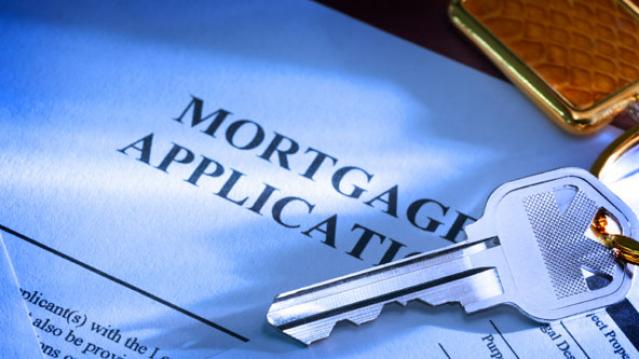
Buying a home is stressful enough without getting blindsided with a higher-than-expected rate on your mortgage — or outright rejection — due to a low credit score or errors on your credit report.
Even so, only half of recent home buyers said they checked their credit report early on in the homebuying process, according to a report released by Experian.
That can make for some nerve-wracked meetings with lenders. About a third of those surveyed said that their credit score surprised them, and a fifth of buyers said their score was lower than expected. Fourteen percent of homebuyers found something negative on their credit report that they didn’t know about.
Related: Why Your Credit Score Is the Most Important Number in Your Life
A low credit score can have costly consequences. A borrower with a FICO score of 760, for example, would pay $1,360 per month on a $300,000 loan, while a borrower with a score of 759 would pay $1,397 per month on the same loan. That difference will add up to more than $10,000 over the life of a 30-year mortgage.
Forty-five percent of future homebuyers surveyed by Experian said that they had delayed purchasing a home in order to work on their credit and qualify for better rates.
If your score is lower than expected, first check the report for errors and contact the credit bureaus about correcting them. If you’ve been dinged for a single missed payment, call your credit card company to see if it will remove the incident from your reports. Then focus on making on-time payments and paying down any high balances to get your debt-to-income ratio below 25 percent.
The New Billionaires: Younger, Self-Made, More Diverse

Quick, picture a billionaire.
Chances are you conjured up an older, white man who inherited his fortune. That stereotype was pretty accurate for the past century, but times are changing.
Cultural and economic shifts over the past decade are realigning the demographics of the world’s 1 percent, and the billionaires of the future will be self-made, younger, and more diverse, according to a new report from UBS and PwC.
Last year, two-thirds of the world’s billionaires were self-made, compared with just 43 percent of billionaires 20 years ago. The report projects that the trend toward more self-made billionaires will continue get stronger over the next 5 to 10 years, peaking at about 70 percent of the billionaire population.
Related: Playgrounds of the Very Rich and Famous—A 2015 Guide
While two-thirds of current billionaires are over age 60, the average age is getting younger, thanks to both wealth transfers from the older generation and the growth of self-made billionaires.
In addition to getting younger, the report finds that billionaires are also increasingly more diverse. From 2003 to 2013, the number of female billionaires rose from 44 to 116. That’s still less than 10 percent, but it’s a number that’s growing fast.
Part of the trend toward diversity among billionaires is the explosive growth of wealth in Asia. In the first quarter of 2015, China created a new billionaire almost every week. The authors of the report expect that Asia will overtake the United States as the center of billionaire growth in the next decade.