
Millennials to Employers: Show Us the Money

When it comes to company loyalty, money matters to millennials. Twenty-nine percent of millennials say that a higher salary is the biggest contributor to their loyalty, according to data released Tuesday by the Staples Advantage Workplace Index.
That compares to 20 percent of the overall workforce who place a priority on salary. The difference could be related to the fact that millennials tend to make lower wages than other workers and face higher fixed costs on things like student loans and rent.
Still, the job market is tightening, making it easier for millennials who feel they are underpaid to look elsewhere for work. The unemployment rate for millennials has fallen by nearly 40 percent since its peak in 2010.
Related: 18 Companies Americans Hate Dealing With the Most
Millennials are willing to work long hours but they want to be able to do so on their own terms. More than half of younger workers said that they work from home after the work day is over, compared to 39 percent of the all workers. Nearly half of millennials said that increased flexibility would improve their happiness.
Other important factors for millennials are office perks such as a gym or free lunches, having an eco-friendly office and a company culture that encourages breaks.
Whether or not they’re happy with their current roles, millennials are looking toward the future with ambition. Seventy percent of those surveyed said they expect to be in a management position in the next five years.
Top Reads from The Fiscal Times:
- Stocks Are Sending a Recession Warning
- The 10 Fastest-Growing Jobs Right Now
- Mark Cuban: The Lesson Investors Can Learn From China


The 10 Worst States to Have a Baby
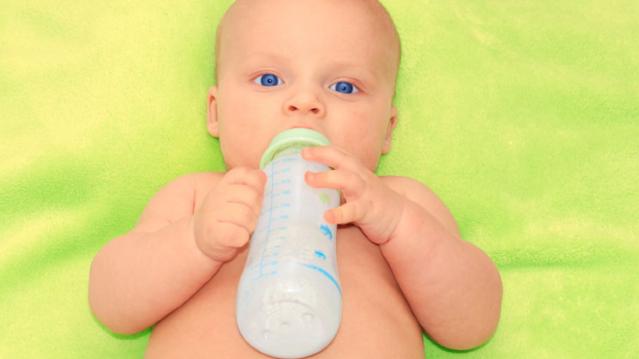
The birth rate in the U.S. is finally seeing an uptick after falling during the recession. Births tend to fall during hard economic times because having a baby and raising a child are expensive propositions.
Costs are not the same everywhere, though. Some states are better than others for family budgets, and health care quality varies widely from place to place.
A new report from WalletHub looks at the cost of delivering a baby in the 50 states and the District of Columbia, as well as overall health care quality and the general “baby-friendliness” of each state – a mix of variables including average birth weights, pollution levels and the availability of child care.
Mississippi ranks as the worst state to have a baby, despite having the lowest average infant-care costs in the nation. Unfortunately, the Magnolia State also has the highest rate of infant deaths and one of lowest numbers of pediatricians per capita.
Related: Which States Have the Most Unwanted Babies?
On the other end of the scale, Vermont ranks as the best state for having a baby. Vermont has both the highest number of pediatricians and the highest number of child centers per capita. But before packing your bags, it’s worth considering the frigid winters in the Green Mountain State and the amount of money you’ll need to spend on winter clothing and heat.
Here are the 10 worst and 10 best states for having a baby:
Top 10 Worst States to Have a Baby
1. Mississippi
- Budget Rank: 18
- Health Care Rank: 51
- Baby Friendly Environment Rank: 29
2. Pennsylvania
- Budget Rank: 37
- Health Care Rank: 36
- Baby Friendly Environment Rank: 51
3. West Virginia
- Budget Rank: 13
- Health Care Rank: 48
- Baby Friendly Environment Rank: 50
4. South Carolina
- Budget Rank: 22
- Health Care Rank: 43
- Baby Friendly Environment Rank: 49
5. Nevada
- Budget Rank: 39
- Health Care Rank: 35
- Baby Friendly Environment Rank: 46
6. New York
- Budget Rank: 46
- Health Care Rank: 12
- Baby Friendly Environment Rank: 47
7. Louisiana
- Budget Rank: 8
- Health Care Rank: 50
- Baby Friendly Environment Rank: 26
8. Georgia
- Budget Rank: 6
- Health Care Rank: 46
- Baby Friendly Environment Rank: 43
9. Alabama
- Budget Rank: 3
- Health Care Rank: 47
- Baby Friendly Environment Rank: 44
10. Arkansas
- Budget Rank: 12
- Health Care Rank: 49
- Baby Friendly Environment Rank: 37
Top 10 Best States to Have a Baby
1. Vermont
- Budget Ranks: 17
- Health Care Rank: 1
- Baby Friendly Environment Rank: 5
2. North Dakota
- Budget Rank: 10
- Health Care Rank: 14
- Baby Friendly Environment Rank: 10
3. Oregon
- Budget Rank: 38
- Health Care Rank: 2
- Baby Friendly Environment Rank: 14
4. Hawaii
- Budget Rank: 31
- Health Care Rank: 25
- Baby Friendly Environment Rank: 1
5. Minnesota
- Budget Rank: 32
- Health Care Rank: 5
- Baby Friendly Environment Rank: 12
6. Kentucky
- Budget Rank: 1
- Health Care Rank: 33
- Baby Friendly Environment Rank: 20
7. Maine
- Budget Rank: 25
- Health Care Rank: 10
- Baby Friendly Environment Rank: 15
8. Wyoming
- Budget Rank: 22
- Health Care Rank: 17
- Baby Friendly Environment Rank: 7
9. Iowa
- Budget Rank: 14
- Health Care Rank: 25
- Baby Friendly Environment Rank: 9
10. Alaska
- Budget Rank: 50
- Health Care Rank: 6
- Baby Friendly Environment Rank: 2
Top Reads From The Fiscal Times
- The 10 Worst States for Property Taxes
- Americans Are About to Get a Nice Fat Pay Raise
- You’re Richer Than You Think. Really.
Worried About a Recession? Here’s When the Next Slump Will Hit

The next recession may be coming sooner than you think.
Eleven of the 31 economists recently surveyed by Bloomberg believed the American recession would hit in 2018, and all but two of them expected the recession to begin within the next five years.
If the recession begins in 2018, the expansion would have lasted nine years, making it the second-longest period of growth in U.S. history after the decade-long expansion that ended when the tech bubble burst in 2001. This average postwar expansion averages about five years.
The recent turmoil in the stock market and the slowdown in China has more investors and analysts using the “R-word,” but the economists surveyed by Bloomberg think we have a bit of time. They pegged the chance of recession over the next 12 months to just 10 percent.
Related: Stocks Are Sending a Recession Warning
While economists talk about the next official recession, many average Americans feel like they’re still climbing out of the last one. In a data brief released last week, the National Employment Law Project found that wages have declined since 2009 for most U.S. workers, when factoring in cost of living increases.
A full jobs recovery is at least two years away, according to an analysis by economist Elise Gould with the Economic Policy Institute. “Wage growth needs to be stronger—and consistently strong for a solid spell—before we can call this a healthy economy,” she wrote in a recent blog post.
Top Reads from The Fiscal Times:
- This CEO Makes 1,951 Times More Than Most of His Workers
- Seven Reasons Why the Fed Won’t Hike Interest Rates
- $42 Million for 54 Recruits: U.S. Program to Train Syrian Rebels Is a Disaster