
How Can You Tell There Are Russian Troops in Syria? Just Look for Some Soldier Selfies

Although Russian President Vladimir Putin has denied that he is sending troops to Syria, selfies taken by Russian soldiers and posted on social media are telling a different story.
Russian investigative journalist Ruslan Leviev reports that an increasing number of experienced Russian troops have been deployed to a naval maintenance facility in Tartus, along Syria’s Mediterranean coast. His source? Status updates and photos posted on Russia’s two biggest social networking sites by members of the 810th marine brigade, an infantry force in the Russian navy.
Related: As Putin Targets Dissent, U.S. Democracy Group Banned in Russia
One photo Leviev found is of a career soldier named Mazhnikov, who appears to be at the naval facility in Syria. Another soldier, Anatoly Golota, also a member of the 810th brigade, updated his status on the Russian version of Facebook with the words, “Off to Syria :)).”
Russia has not denied that it’s been supplying weapons to the Syrian government and helping train the Syrian military. But Putin knows that combat troops are a different story.
The naval maintenance facility at Tartus is small, and in the past has been manned by just a handful of personnel. Leviev reports that the number of troops stationed at the facility is growing, and the troops are experienced contract soldiers, not draftees.
Videos uploaded to social media sites have raised concerns that Russian troops might be involved in combat inside Syria, according to an article in Foreign Policy. However, beyond the footage, which shows a Russian-made BTR-82A armored vehicle firing its gun in Syria, no other substantial evidence of active combat involving Russian troops has been found.
While the marines may or may not be directly involved in the fighting, the presence of Russian troops in Syria shows how hard Putin is pressing for a victory by the Assad regime. Now if he can just teach his soldiers how to avoid giving themselves away on social media.
Top Reads From The Fiscal Times
- Putin’s Economy May Be in Even Worse Shape Than It Looks
- China Sends a Message with Its New ‘Carrier Killer Missile
- In Showing Off Physical Strength, Putin Tries to Hide Political Weaknesses


The 10 Worst States to Have a Baby
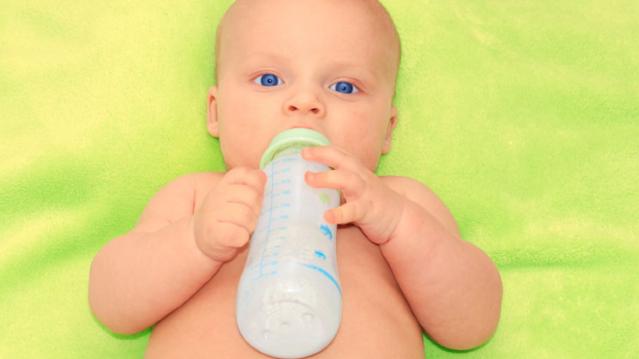
The birth rate in the U.S. is finally seeing an uptick after falling during the recession. Births tend to fall during hard economic times because having a baby and raising a child are expensive propositions.
Costs are not the same everywhere, though. Some states are better than others for family budgets, and health care quality varies widely from place to place.
A new report from WalletHub looks at the cost of delivering a baby in the 50 states and the District of Columbia, as well as overall health care quality and the general “baby-friendliness” of each state – a mix of variables including average birth weights, pollution levels and the availability of child care.
Mississippi ranks as the worst state to have a baby, despite having the lowest average infant-care costs in the nation. Unfortunately, the Magnolia State also has the highest rate of infant deaths and one of lowest numbers of pediatricians per capita.
Related: Which States Have the Most Unwanted Babies?
On the other end of the scale, Vermont ranks as the best state for having a baby. Vermont has both the highest number of pediatricians and the highest number of child centers per capita. But before packing your bags, it’s worth considering the frigid winters in the Green Mountain State and the amount of money you’ll need to spend on winter clothing and heat.
Here are the 10 worst and 10 best states for having a baby:
Top 10 Worst States to Have a Baby
1. Mississippi
- Budget Rank: 18
- Health Care Rank: 51
- Baby Friendly Environment Rank: 29
2. Pennsylvania
- Budget Rank: 37
- Health Care Rank: 36
- Baby Friendly Environment Rank: 51
3. West Virginia
- Budget Rank: 13
- Health Care Rank: 48
- Baby Friendly Environment Rank: 50
4. South Carolina
- Budget Rank: 22
- Health Care Rank: 43
- Baby Friendly Environment Rank: 49
5. Nevada
- Budget Rank: 39
- Health Care Rank: 35
- Baby Friendly Environment Rank: 46
6. New York
- Budget Rank: 46
- Health Care Rank: 12
- Baby Friendly Environment Rank: 47
7. Louisiana
- Budget Rank: 8
- Health Care Rank: 50
- Baby Friendly Environment Rank: 26
8. Georgia
- Budget Rank: 6
- Health Care Rank: 46
- Baby Friendly Environment Rank: 43
9. Alabama
- Budget Rank: 3
- Health Care Rank: 47
- Baby Friendly Environment Rank: 44
10. Arkansas
- Budget Rank: 12
- Health Care Rank: 49
- Baby Friendly Environment Rank: 37
Top 10 Best States to Have a Baby
1. Vermont
- Budget Ranks: 17
- Health Care Rank: 1
- Baby Friendly Environment Rank: 5
2. North Dakota
- Budget Rank: 10
- Health Care Rank: 14
- Baby Friendly Environment Rank: 10
3. Oregon
- Budget Rank: 38
- Health Care Rank: 2
- Baby Friendly Environment Rank: 14
4. Hawaii
- Budget Rank: 31
- Health Care Rank: 25
- Baby Friendly Environment Rank: 1
5. Minnesota
- Budget Rank: 32
- Health Care Rank: 5
- Baby Friendly Environment Rank: 12
6. Kentucky
- Budget Rank: 1
- Health Care Rank: 33
- Baby Friendly Environment Rank: 20
7. Maine
- Budget Rank: 25
- Health Care Rank: 10
- Baby Friendly Environment Rank: 15
8. Wyoming
- Budget Rank: 22
- Health Care Rank: 17
- Baby Friendly Environment Rank: 7
9. Iowa
- Budget Rank: 14
- Health Care Rank: 25
- Baby Friendly Environment Rank: 9
10. Alaska
- Budget Rank: 50
- Health Care Rank: 6
- Baby Friendly Environment Rank: 2
Top Reads From The Fiscal Times
- The 10 Worst States for Property Taxes
- Americans Are About to Get a Nice Fat Pay Raise
- You’re Richer Than You Think. Really.
Worried About a Recession? Here’s When the Next Slump Will Hit
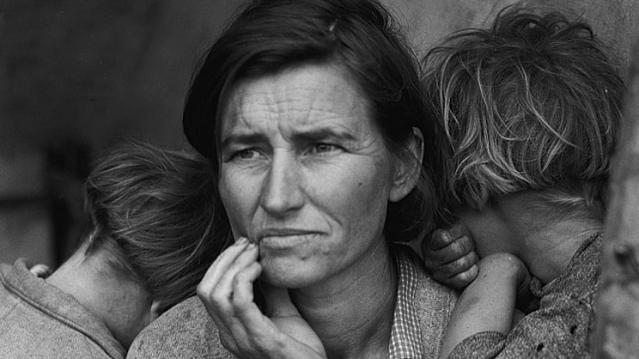
The next recession may be coming sooner than you think.
Eleven of the 31 economists recently surveyed by Bloomberg believed the American recession would hit in 2018, and all but two of them expected the recession to begin within the next five years.
If the recession begins in 2018, the expansion would have lasted nine years, making it the second-longest period of growth in U.S. history after the decade-long expansion that ended when the tech bubble burst in 2001. This average postwar expansion averages about five years.
The recent turmoil in the stock market and the slowdown in China has more investors and analysts using the “R-word,” but the economists surveyed by Bloomberg think we have a bit of time. They pegged the chance of recession over the next 12 months to just 10 percent.
Related: Stocks Are Sending a Recession Warning
While economists talk about the next official recession, many average Americans feel like they’re still climbing out of the last one. In a data brief released last week, the National Employment Law Project found that wages have declined since 2009 for most U.S. workers, when factoring in cost of living increases.
A full jobs recovery is at least two years away, according to an analysis by economist Elise Gould with the Economic Policy Institute. “Wage growth needs to be stronger—and consistently strong for a solid spell—before we can call this a healthy economy,” she wrote in a recent blog post.
Top Reads from The Fiscal Times:
- This CEO Makes 1,951 Times More Than Most of His Workers
- Seven Reasons Why the Fed Won’t Hike Interest Rates
- $42 Million for 54 Recruits: U.S. Program to Train Syrian Rebels Is a Disaster