
10 Unbelievable Things Robots Can Do
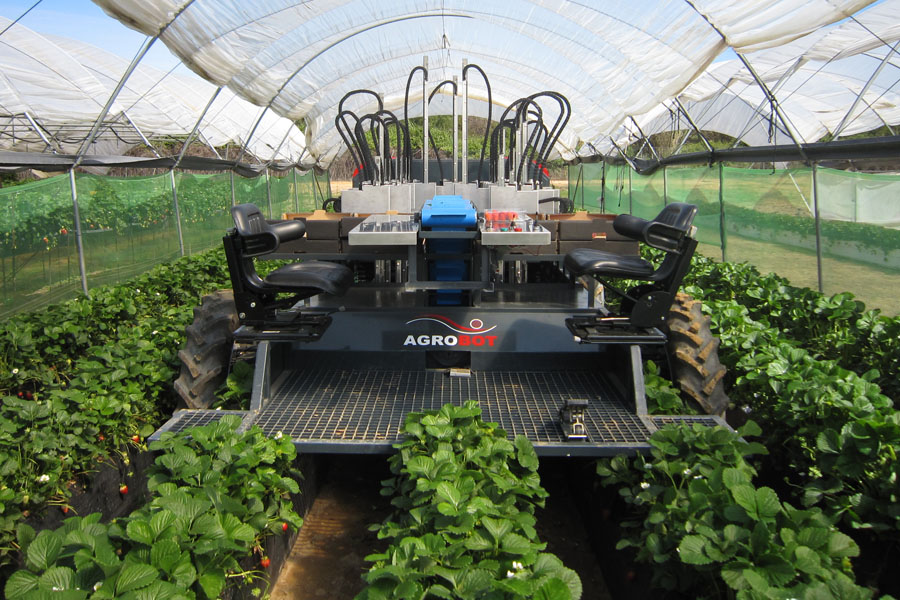
Due to the shrinking supply of low-paid fruit pickers and the downturn of authorized immigrants in the U.S. workforce that were willing to work for low pay on farms, the produce industry has seen dwindling numbers of farmhands.
Technological advances have led to the development of the Agrobot, the picking machine, which costs around $100,000. The Agrobot is designed specifically to pluck ripe strawberries with high-powered computing, color sensors, and metallic baskets attached to the robots arms. Juan Bravo, the inventor of the Agrobot, has a second, larger prototype in the works. Other robots have also been developed to take on similar tasks, such as planting vegetable seedlings, harvesting lettuce, and transplanting roses.
Agrobot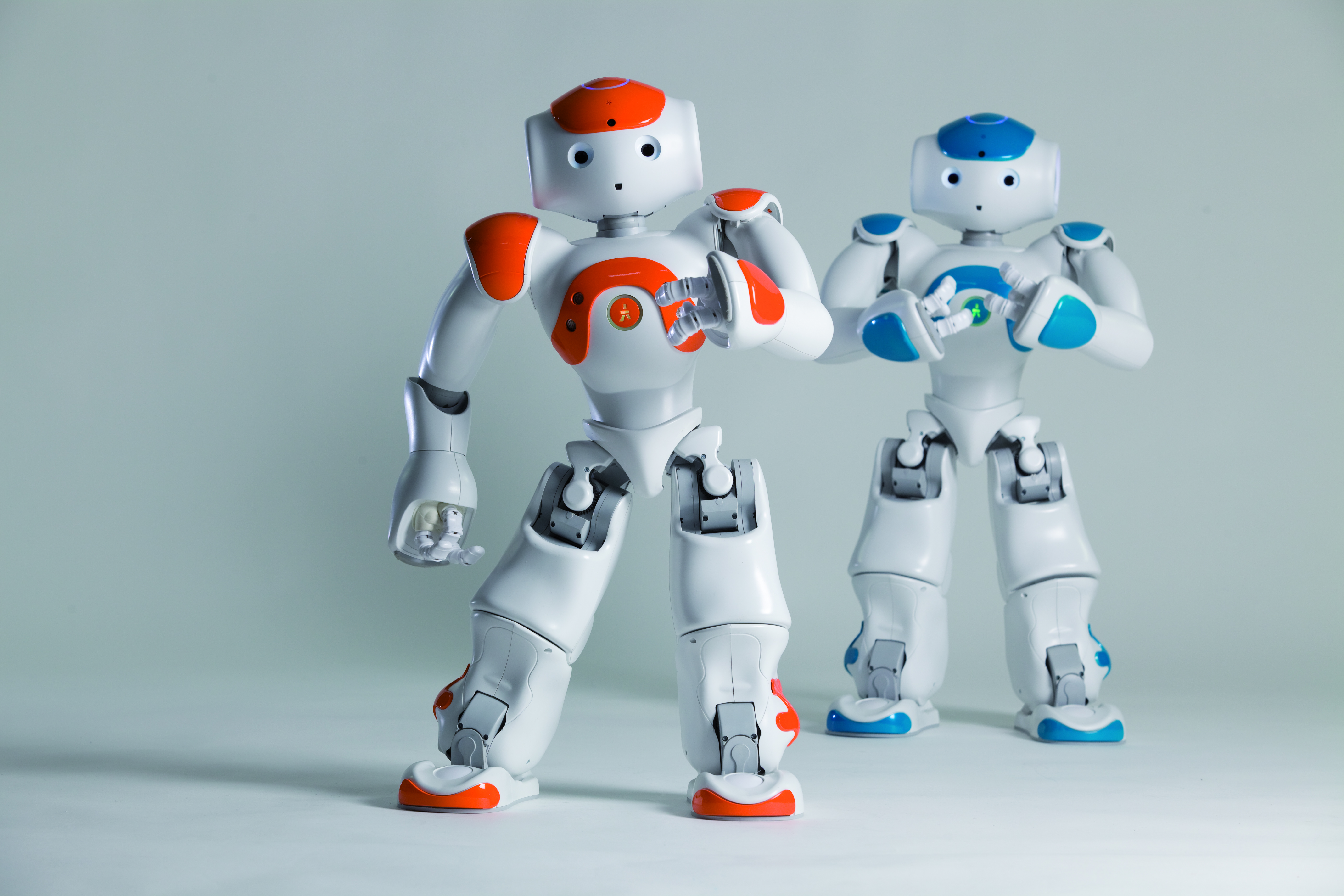
A trio of robots at the Rensselaer Polytechnic Institute in New York has passed the classic ‘wise men puzzle’ test of self-awareness. Selmer Bringsjord, a roboticist, set up a situation in which two robots were prevented from talking, while one was still able to speak. The three robots were asked which one was still able to talk, but only one succeeded at replying, “I don’t know.” Once the robot realized it wasn’t one of the two silenced, it said, “Sorry, I know now!” Since all three robots were coded the same, researchers assume that all three passed the self-awareness test. Bringsjord’s research will be presented in Japan from August 31 to September 4 at the RO-MAN conference.
While this task might not sound difficult for a human, being able to solve a logical puzzle like this one is vital in creating robots that understand their role in society. The development of a robot with human-like abilities, this being just one of many tests of this type, will become useful in a variety of ways when all of the abilities are combined.
Ed Alcock/Aldebaran Robotics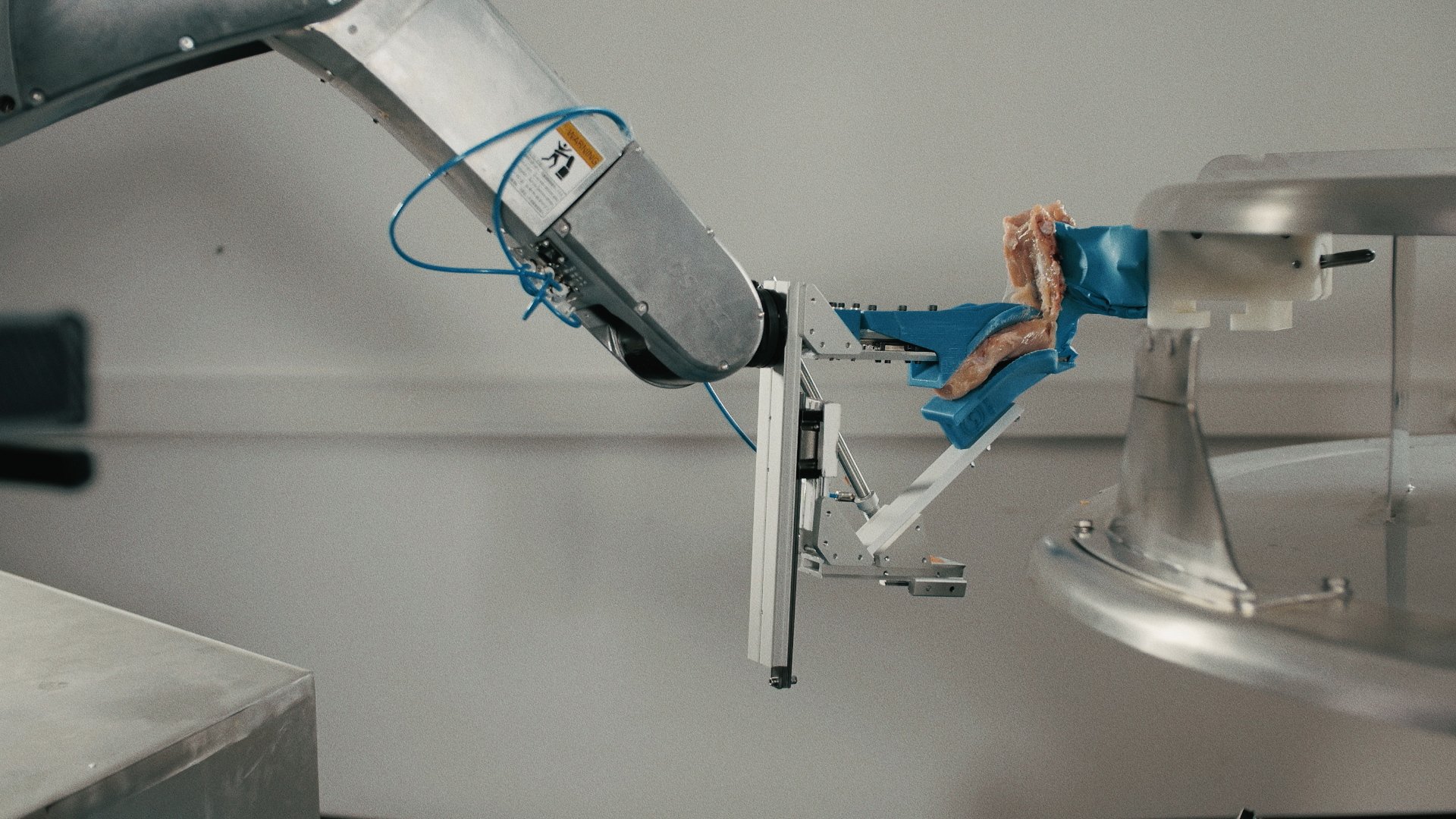
Do you ever wonder about the poor people who have the grisly and tiring job of deboning a chicken? A report released in March from the National Institute for Occupational Safety and Health (NIOSH) found that 76 percent of employees at a poultry plant in Maryland had some degree of damage to the nerves in their hands, while 34 percent showed signs of carpal tunnel syndrome.
A solution could lie in the Gribbot (gribb is Norwegian for vulture), a robot developed by researchers in Norway. The device acts like a human hand, using a gripper tool to remove the fillet from the carcass. Not only would the robot replace the arduous task of deboning a chicken, but would also reduce production costs and increase efficiency. The Gribbot is the first successful creation of a machine that can debone a chicken.
Food Production Daily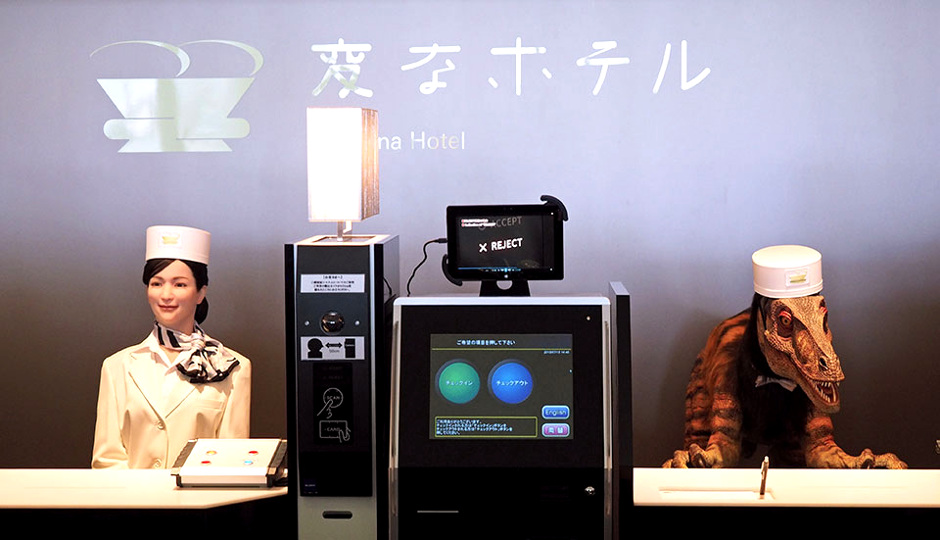
As you enter the Henn-na or “Weird” hotel in Nagasaki, Japan, which opened to the public on July 17, your experience will immediately be completely controlled by robots. At the reception desk, a Japanese-speaking female android or an English-speaking dinosaur will help check you in using facial recognition technology and you’ll enter your information into a touch panel. A robot porter will transport your luggage to your hotel room if you tap in your room number into its digital panel. A tulip-shaped concierge robot named Tuly will act as your personal concierge. To turn on or off the lights, you’ll have to ask Tuly. Tuly can also tell the time and relay the weather forecast. By detecting body heat, sensor panels in the room will automatically adjust the temperature. A massive robot arm will also assist guests with storing items in the hotel’s cloakroom. The price of a one-night stay at the hotel starts at $73.
Henn Na/Humanoids.io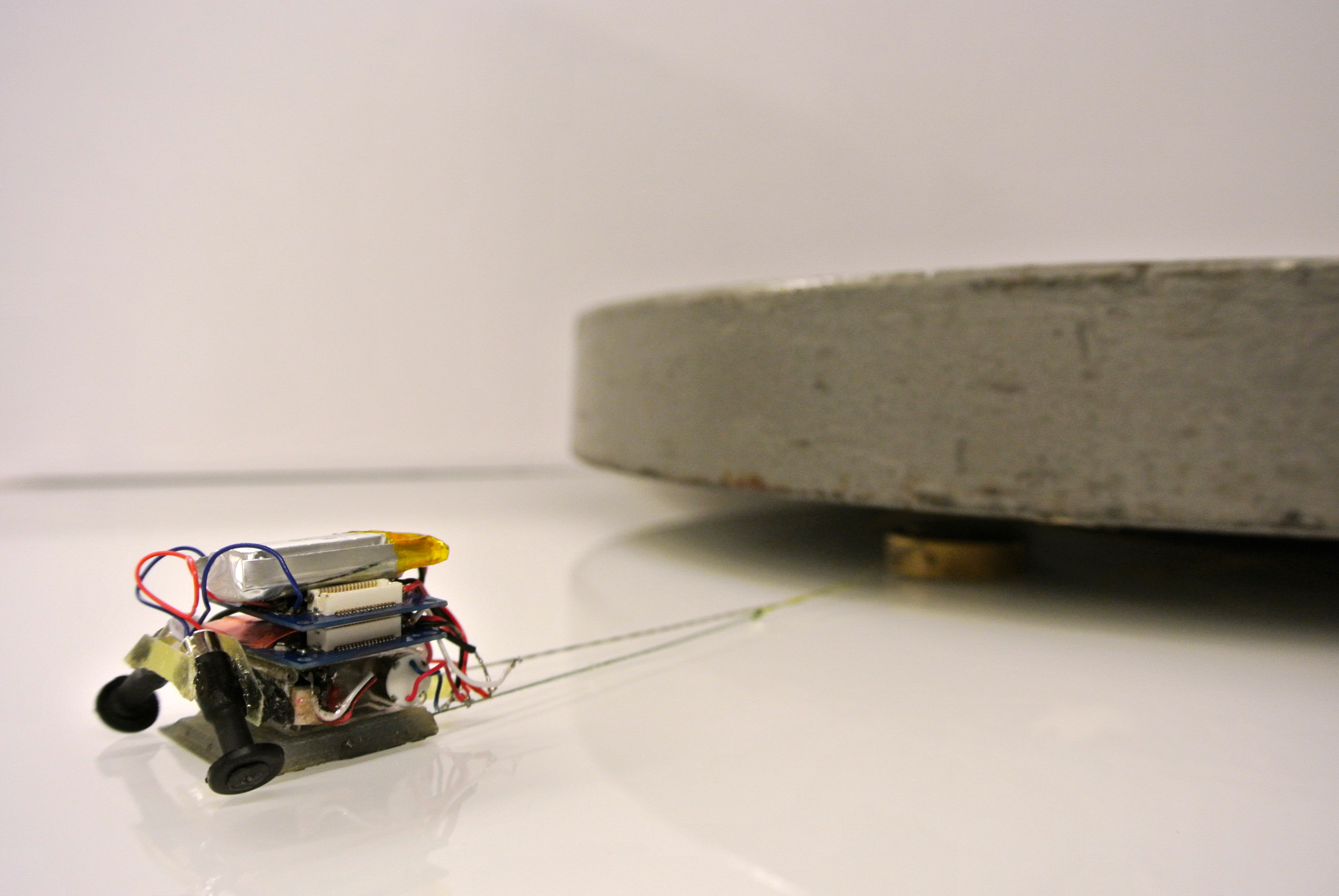
Miniature robots, named “MicroTugs”, that are able to pull and lift objects more than 100 times their own weight have been developed by engineers at Stanford University. The strongest one of all weights 12 grams, but can pull objects 2,000 times heavier than itself. An equivalent would be a human dragging a blue whale. Another robot weighs 9 grams but can climb vertical walls hoisting items weighing over a kilogram – roughly comparable to a human carrying an elephant up the side of a building.
The strength comes from tiny rubber spikes covering the robots’ feet that bend when pressure is applied, increasing their surface area and thus their stickiness. When the robot lifts its foot, the spikes straighten out and easily detach from surfaces.
Stanford University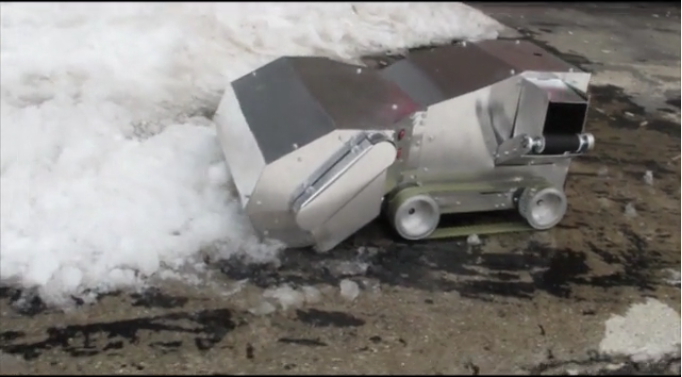
Tired of waking up early and shoveling piles of snow in the dead of winter in order to get your car out of the driveway in time for work? Feeling lazy on a Saturday afternoon, preferring to catch up on your latest Netflix television show obsession than mow the lawn? A newly designed hybrid robot can now perform both of those tasks for you.
A group of researchers at Istanbul Technical University have developed the SnowBYTE – a remote-controlled snow blower and lawnmower. A semi-autonomous design, the SnowBYTE requires the user to control its movements. However, since the robot comes with its own camera system, it can be controlled from the comfort of your couch or bed. The robot designers hope to begin selling units in October.
Kickstarter/Snowbite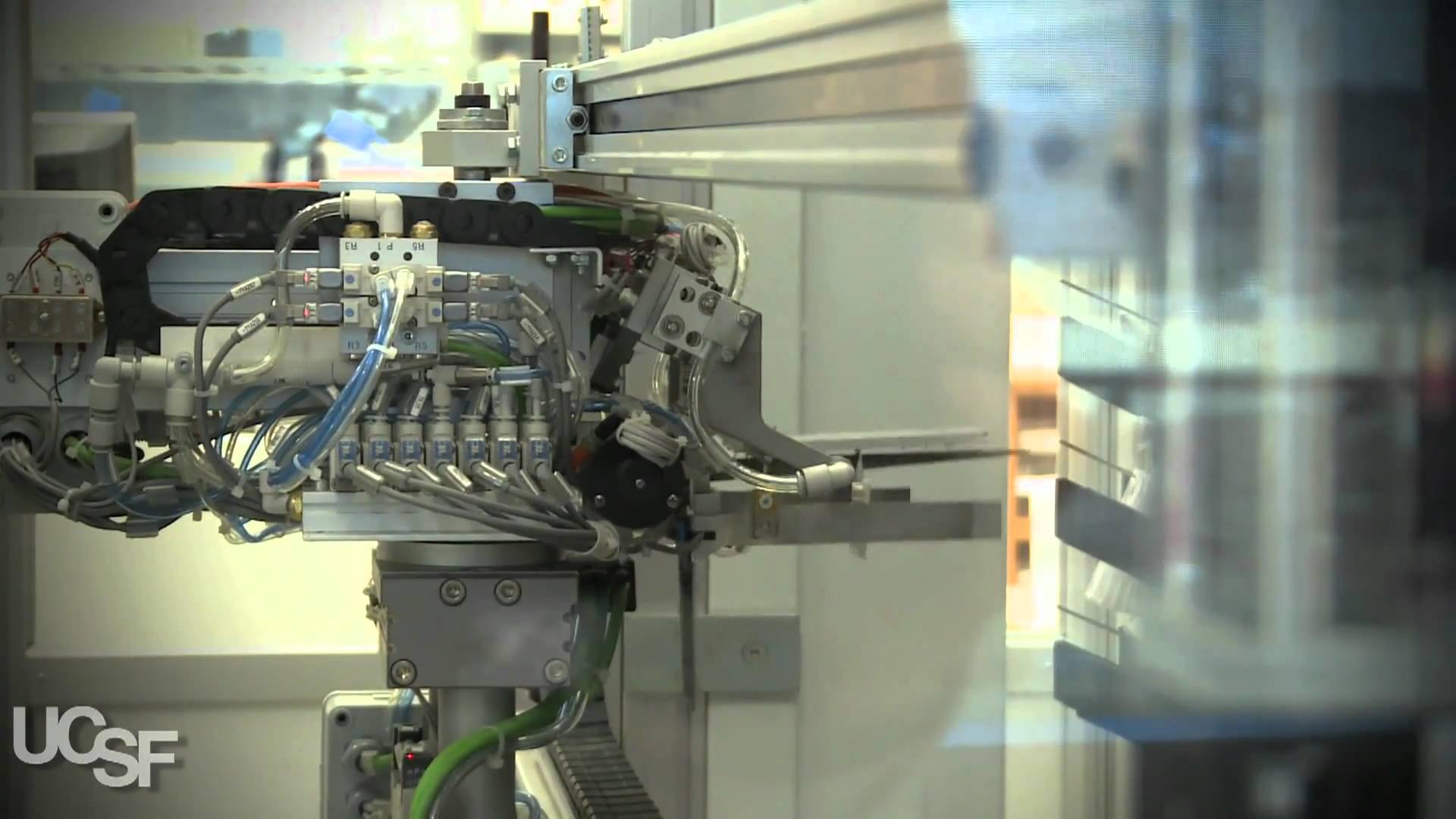
For only $15 million, a robot can fill your prescriptions. A hospital at the University of California San Francisco Medical Center has implemented the system and finds it useful. How it works is a doctor writes out an electronic prescription. At the pharmacy, a robotic arm picks out the correct medicine and then sorts and dispenses it into little packets. The packets are then grouped together into little rings, with one ring for each patient.
The error rate of the robot pharmacist is close to 0 percent, compared with a human error rate of 2.8 percent. And while this robot is taking jobs, it’s also allowing humans to do more. The pharmacy would’ve had to hire more workers, according to the director of the hospital’s pharmacy, so the robot is taking the jobs of people who might’ve been hired. However, the pharmacists and pharmacy techs that were already working at the pharmacy now spend more of their time consulting with physicians and patients, rather than counting out pills.
The hospital also boats a fleet of robots that deliver prescriptions, food, and linens, saving nurses time.
UCSF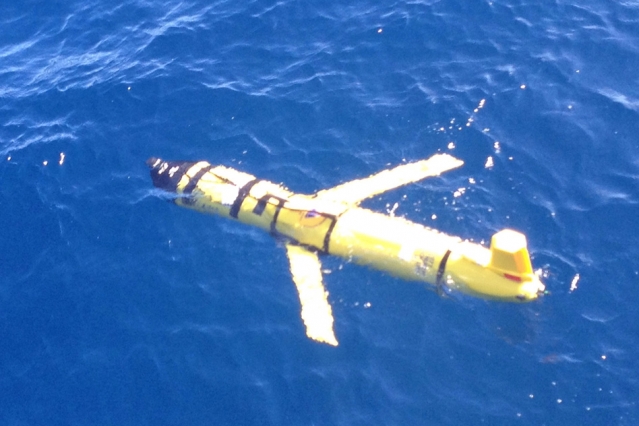
Scientists at the Massachusetts Institute of Technology have developed Enterprise, a new system for underwater robots. The robots were given cognitive abilities to monitor underwater species, their habitats, and the ability to complete other underwater missions while simultaneously making high-level decisions. Completely without human support, these robots are able to plan missions, and execute, adapt, and re-plan them.
Different components make up the Enterprise system, each with a specific purpose. The “captain” makes executive decisions related to the entire mission. The part of the system that works like a navigator plans out a route for achieving the goals of the mission. The system also allows for robots to devise their own mission plan, select specific locations to explore and work within a timeframe.
MIT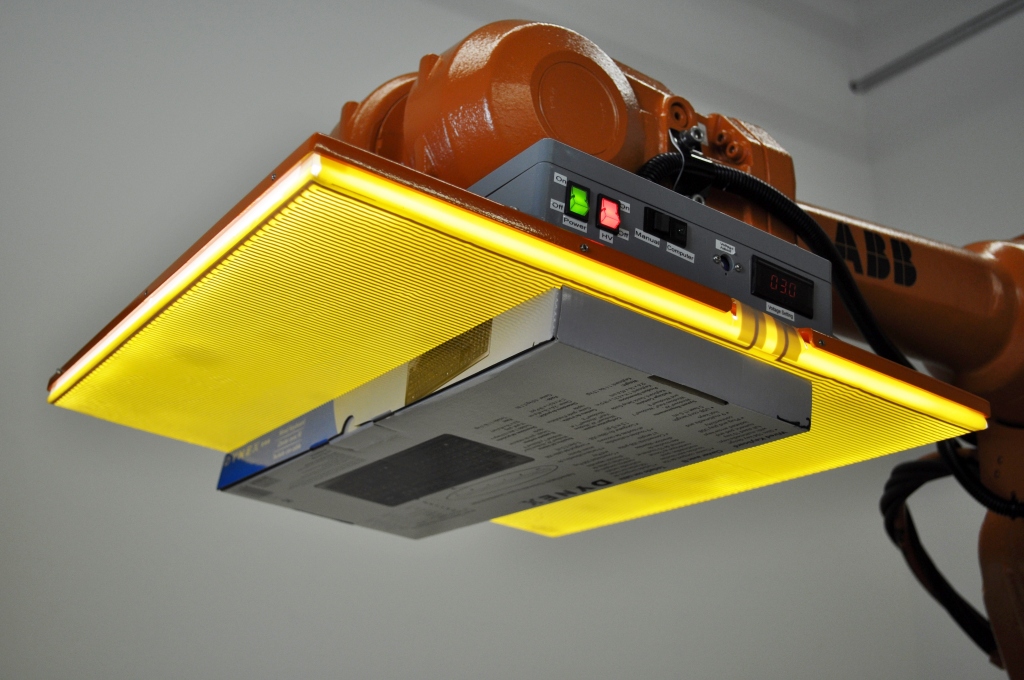
A robot startup called GrabIt is creating mechanical “hands” that generate static electricity strong enough to pick up and move boxes, crates and other items. The “hands” contain powered electrodes, found either on the surface of the gripper or on tentacle-like fingers, which produce and sustain strong attractive forces between almost any object. Demos have shown items ranging from cans and fruits to iPads, boxes, and sheets of glass, fabric, or silicon. The powered electrodes that GrabIt uses are the key to the flexible, small and delicate grippers – they evenly disperse force across a large surface area.
GrabIt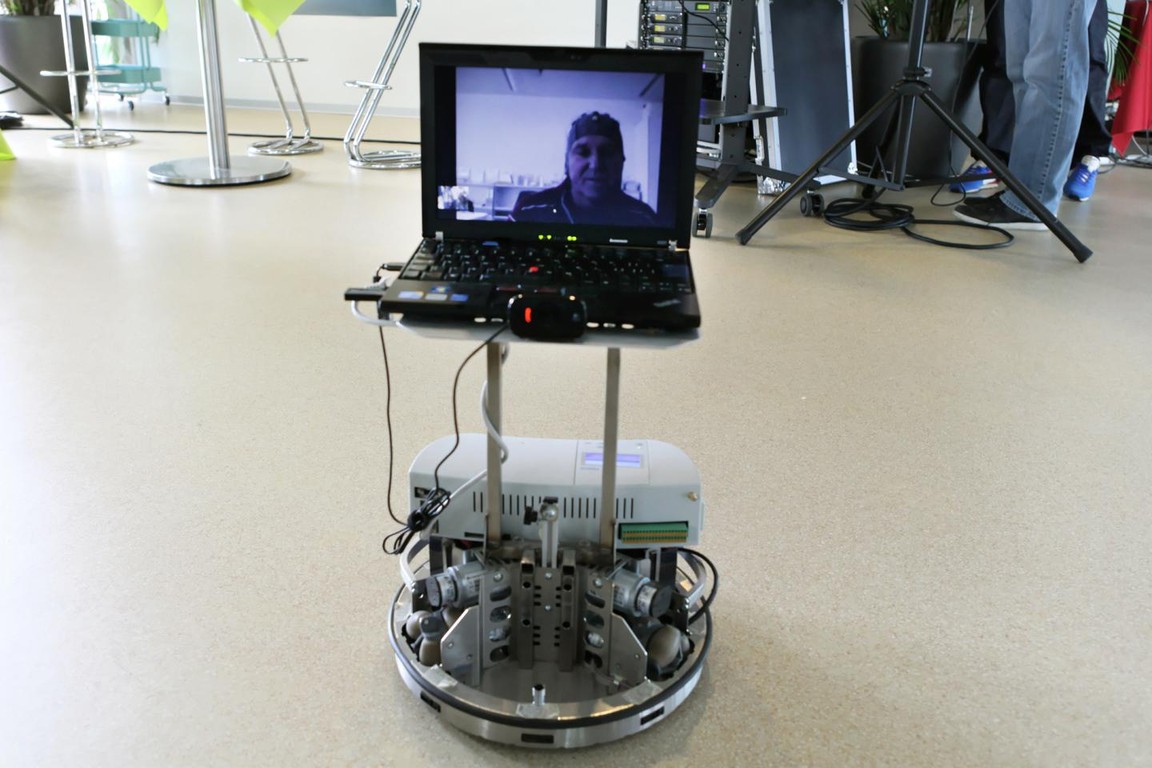
Researchers in Switzerland have developed a robot that enables patients with limited mobility or paralysis to remotely control a robot using merely their thoughts. The “brain-machine approach” was tested with German, Italian, and Swiss participants wearing hats that contained electrodes capable of analyzing brain signals. The thought instructions were then sent over the internet to the robot in the laboratory and the participants were able to see the robot complete their instructions via Skype. The findings of the study were published on June 23 in the special edition of the Proceedings of the IEEE.
The robots were capable of avoiding obstacles, even if they were not told to avoid them. If the robot is not given any instructions, it will continue to move on the same path until told differently. The function allows people to rest while controlling the robot.
EEFP