
GOP Governor Asks Voters to Raise Their Own Taxes
Michigan voters go to the polls today to vote on Proposal 1, a referendum that would hike the state sales and gasoline taxes. An unexpected twist in the story, though, is who is backing the plan and why. Support for the proposal speaks to the declining state of infrastructure in the U.S. and the increasing urgency with which states are taking matters into their own hands.
Proposal 1 is a complex mix of policy changes that would raise more than a billion dollars to fund road construction and repair, plus hundreds of millions for education and other purposes. It would do so by hiking the Michigan state sales tax from 6 percent to 7 percent. That represents a 17 percent increase in total sales taxes Michiganders will face on taxable items.
Related: America’s Energy Infrastructure in Desperate Shape
However, the bill also abolishes the sales tax on gasoline – Michigan is one of the few states in which gas is not exempt from state sales tax – and would dramatically increase the wholesale gasoline tax. The net effect, according to the Detroit Free Press, would be an increase of between 7 and 9 cents per gallon in what consumers pay at the pump. The proposal would net about $1.9 billion per year for the state’s coffers, the majority of it coming out of the pockets of Michigan’s taxpayers. (A small percentage would come from out-of-state visitors paying taxes on items purchased in Michigan.)
Normally, a $2 billion tax hike – the biggest in the state in a generation – would be the sort of thing Republican politicians would attack mercilessly, but in Michigan, Republican Governor Rick Snyder is a strong proponent of the deal. And Snyder isn’t alone. Prominent Republican and Democratic lawmakers have thrown their support behind the measure.
Related: Get Ready to Pay More Tolls If Infrastructure Isn’t Funded
The move also has significant support from the business community. Unsurprisingly, the biggest backers of the deal are the construction companies and related industries. But there is also support in the general business community, even among some companies whose products would be more expensive.
Even with substantial support from legislative leaders and businesses, though, the prospects for Proposal 1 looked poor heading into the vote today Public opinion remains generally against the proposition despite a multimillion-dollar advertising campaign by supporters that has dwarfed efforts by the opposition.
Should the vote fail, though, the state’s pothole-pocked roads and crumbling bridges won’t fix themselves, so legislators will have to find the revenue somewhere, either by increasing taxes via a different route, or cutting spending from an already tight state budget.
The 3 Big Reasons You’re Getting Nothing Done at Work

Cell phones often get blamed for the always-on work culture that keeps us tethered to our jobs around the clock.
Turns out they might be the reason we’re not getting our work done during office hours in the first place. More than half of employers say that cell phones and texting are the biggest productivity killers at work, making them the number one distraction, according to a new survey from CareerBuilder.com.
Other top productivity killers included the Internet, named by 44 percent of employers, gossip (37 percent), and social media (37 percent).
Related: 10 Ways to Boost Happiness at Work
“There are so many stimulants in today’s workplace, it’s easy to see how employees get sidetracked,” Rosemary Haefner, Career Builder’s Chief Human Resources Officer said in a statement “The good news is, taking breaks from work throughout the day can actually be good for productivity, enabling the mind to take a break from the job at hand and re-energize you.”
Nearly half of employers said that such distractions compromised the quality of work, and 30 percent said they caused lower morale since other workers had to pick up slack for their preoccupied peers. A quarter of employers said that distractions hurt the boss/employee relationship.
Nearly 3 in 4 employers have been proactive about battling productivity killers, with a third blocking certain Internet sites and 23 percent banning personal cell phone calls and usage on the job.
Haefner recommends that workers stay focused by scheduling breaks, surrounding themselves with productive people and taking walks to rejuvenate the brain.
3 Big Reasons You’re Getting Nothing Done at Work

Cell phones often get blamed for the always-on work culture that keeps us tethered to our jobs around the clock.
Turns out they might be the reason we’re not getting our work done during office hours in the first place. More than half of employers say that cell phones and texting are the biggest productivity killers at work, making them the number one distraction, according to a new survey from CareerBuilder.com.
Other top productivity killers included the Internet, named by 44 percent of employers, gossip (37 percent), and social media (37 percent).
Related: 10 Ways to Boost Happiness at Work
“There are so many stimulants in today’s workplace, it’s easy to see how employees get sidetracked,” Rosemary Haefner, Career Builder’s Chief Human Resources Officer said in a statement “The good news is, taking breaks from work throughout the day can actually be good for productivity, enabling the mind to take a break from the job at hand and re-energize you.”
Nearly half of employers said that such distractions compromised the quality of work, and 30 percent said they caused lower morale since other workers had to pick up slack for their preoccupied peers. A quarter of employers said that distractions hurt the boss/employee relationship.
Nearly 3 in 4 employers have been proactive about battling productivity killers, with a third blocking certain Internet sites and 23 percent banning personal cell phone calls and usage on the job.
Haefner recommends that workers stay focused by scheduling breaks, surrounding themselves with productive people and taking walks to rejuvenate the brain.
Now 16-Year-Olds Can Double Your Car Insurance
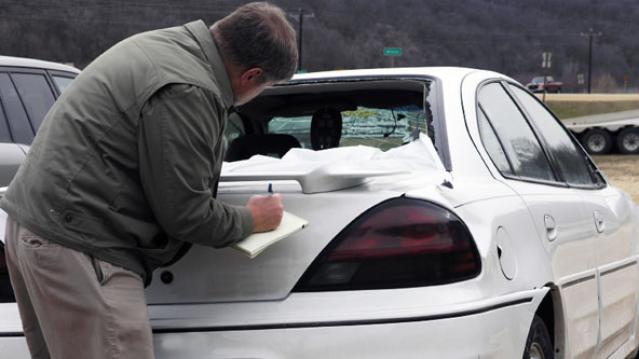
As if you don’t have enough to worry about when your 16-year-old hits the road for the first time, get ready to see your insurance bill nearly double.
The average insurance premium for a married couple goes up 80 percent on average when adding a teen, but it spikes a full 16 percent more for adding a 16-year-old, according to a new report by InsuranceQuotes.com.
Requesting a “good student” discount is one way to offset the premium hike. “I’ve seen discounts as high as 25 percent for students who maintain at least a B average in high school or college,” InsuranceQuotes.com senior analyst Laura Adams said in a statement.
Related: The Best Time to Buy Car Insurance
And once a teen hits the ripe old age of 19, insurance increases by just 60 percent.
It’s much more expensive to insure teenage boys, with premiums increasing 92 percent for teen males versus just 67 percent for girls.
The analysis found that teenagers cost the most to insure in New Hampshire (115 percent increase), but parents will also see premiums double in Wyoming, Illinois, Maine and Rhode Island.
Hawaii is the only state that prohibits insurance companies from basing insurance quotes on age or length of driving experience, so it has the lowest increase in the nation (17 percent). Other states where parents won’t take as big a hit are New York (53 percent) and Michigan (57 percent).
Parents may be able to nab better car insurance rates by shopping around with several insurers.
Thinking Ahead Could Be Holding Women Back

Different attitudes in how men and women prepare for their futures might be a factor contributing to the gender gap, a new study published in Gender & Society finds.
In imagining their work paths, women were disproportionately more likely to think and worry about parenthood than men. And in anticipation of the responsibilities and challenges that parenthood brings, women were more likely than men to downscale or alter their career goals.
Brooke Conroy Bass, who wrote the article, conducted in-depth interviews with 30 heterosexual couples between 25 and 34 who have not (yet) had children.
Related: Millennial Women Are Taking Charge – at Home and at Work
Preparing for the future has emotional and behavioral consequences for women that men don’t suffer as much from, she found. Because of these “gendered anticipations of parenthood,” the inequality in the market starts much earlier than we tend to think.
Bass told Futurity that career trajectories among men and women shift as parenthood approaches, with men investing more effort in their jobs and women dialing back.
The study suggests that part of the problem contributing to the gender wage gap, penalization for maternity leave and the difficulty of making it to the top is anticipating the future.
But should women be penalized for displaying foresight, a characteristic that employers usually value?
American Kids Aren’t Such Stoners After All
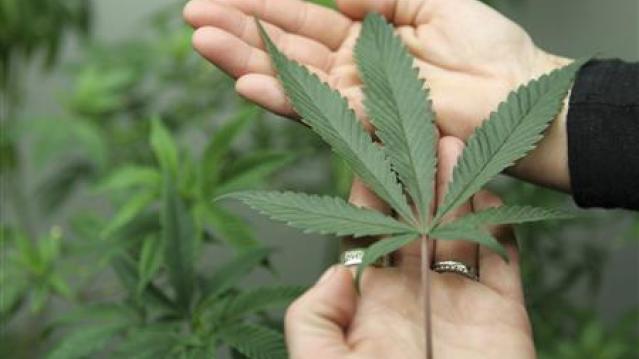
Turns out the young people of America are not as high as you thought they were. The use of illicit drugs, alcohol and tobacco among young people has been falling, according to new data.
While the nationwide rate of illicit drug use has gone up, the percentage of youths using illicit drugs has declined, according to a report from the Substance Abuse and Mental Health Service Administration (SAMSHA), part of the Department of Health and Human Services. The illicit drugs include marijuana/hashish, cocaine (including crack), hallucinogens, heroin, inhalants or prescription-type psychotherapeutics.
Among youths aged 12 to 17, the rate of illicit drug use was down to 8.8 percent in 2013 from 9.5 to 11.6 percent in the years 2002 to 2007, the SAMSHA study said.
Related: New Lifetime Estimate of Obesity Costs: $92,235 Per Person
But in 2013, drug use among those 12 or older was up to 9.4 percent from the 7.9 to 8.7 percent found between 2002 and 2009. The rise was attributed to increased rates of marijuana use, both medical and nonmedical, among adults aged 26 and older — and that rise probably doesn't fully reflect the recent legalization of recreational marijuana in Colorado, Washington, Oregon and Alaska.
The report also suggested that alcohol is losing some of its allure for the young.
Between 2002 and 2013, the percentage of underage people who drank declined from 28.8 percent to 22.7 percent. In addition, the proportion of binge drinkers — those who consumed five or more drinks during one occasion — decreased from 19.3 percent to 14.2 percent in the same years.
In additional good news, tobacco and cigarette use among all age groups has declined sharply since 2002.