
Did Kasich Just Do an About-Face on Climate Change?
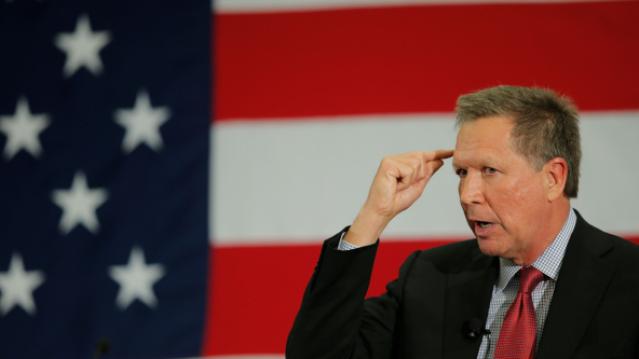
Maybe it’s because he is still feeling his way as a late entrant into the GOP presidential campaign, but Ohio Gov. John Kasich did a fairly dramatic about-face over the weekend on the politically charged issue of climate change.
Kasich, a former House Budget Committee chair and Wall Street business executive, has positioned himself as a “kinder, gentler” conservative than Jeb Bush, Ted Cruz and the dozen other Republicans running for the 2016 presidential nomination. So it wasn’t surprising that he would take a more moderate stand on global warming during the first nationally televised GOP presidential debate Thursday evening.
Related: 10 Things You Need to Know About John Kasich
Kasich, a devout Christian, declared during the two-hour debate sponsored by Fox News that climate change is a real problem requiring government and society to protect the “creation that the Lord has given us.”
While the vast majority of Republicans on Capitol Hill and the campaign trail are highly skeptical of President Obama’s campaign to curb industrial carbon emissions to prevent the disastrous long term effects of global warming on the environment and economy, Kasich appeared to be one of the few who took the threat seriously.
He emphasized the importance of unity and cooperation, saying at one point that “we’ve got to unite our country again, because we’re stronger when we are united and we are weaker when we are divided.”
Just a few days later, though, after winning plaudits for his Thursday night performance – with some even favorably comparing his views on environmental threats to those of Pope Francis – Kasich sounded much like a climate-change doubter.
Related: Does Kasich Have a Chance? How He Can Catch Up to the GOP
During an appearance on NBC News’ “Meet the Press,” Kasich told moderator Chuck Todd that “I think man absolutely affects the environment, but as to whether, you know, what the impact is, the overall impact, I think that’s a legitimate debate.”
Kasich went on to say that in Ohio, “we preciously take care of Lake Erie, and we’ve reduced emissions by 30 percent over the last ten years.”
“We believe in alternative energy,” he added. “So of course we have to be sensitive to it, but we don’t want to destroy people’s jobs, based on some theory that’s not proven.”
According to National Journal, the Kasich 2016 campaign attempted to clarify his remarks following his appearance on “Meet the Press.” "The governor has long believed climate change is real and we need to do something about it,” according to the statement. “The debate over exact percentages of why it is happening is less important than what can be done about it. We know it is real, we know man has an impact, and we know we need to do something."
A number of prominent presidential candidates -- including former Florida governor Jeb Bush and Sens. Ted Cruz, Marco Rubio, and Rand Paul -- are climate change doubters or deniers. Sen. Lindsey Graham of South Carolina is one of the few who unquestionably accepts scientific evidence that man-made greenhouse gas emissions are a principal cause of global warming, and has sharply criticized his party for lacking a comprehensive environmental platform.
Top Reads From The Fiscal Times:
- How GOP Candidates Would Steer U.S. Foreign Policy
- Fiorina Takes on Trump in a Brave Battle of the Sexes
- As Politicians Bicker Over Funding, Military Families Cut Back on Vacations
3 Big Reasons You’re Getting Nothing Done at Work

Cell phones often get blamed for the always-on work culture that keeps us tethered to our jobs around the clock.
Turns out they might be the reason we’re not getting our work done during office hours in the first place. More than half of employers say that cell phones and texting are the biggest productivity killers at work, making them the number one distraction, according to a new survey from CareerBuilder.com.
Other top productivity killers included the Internet, named by 44 percent of employers, gossip (37 percent), and social media (37 percent).
Related: 10 Ways to Boost Happiness at Work
“There are so many stimulants in today’s workplace, it’s easy to see how employees get sidetracked,” Rosemary Haefner, Career Builder’s Chief Human Resources Officer said in a statement “The good news is, taking breaks from work throughout the day can actually be good for productivity, enabling the mind to take a break from the job at hand and re-energize you.”
Nearly half of employers said that such distractions compromised the quality of work, and 30 percent said they caused lower morale since other workers had to pick up slack for their preoccupied peers. A quarter of employers said that distractions hurt the boss/employee relationship.
Nearly 3 in 4 employers have been proactive about battling productivity killers, with a third blocking certain Internet sites and 23 percent banning personal cell phone calls and usage on the job.
Haefner recommends that workers stay focused by scheduling breaks, surrounding themselves with productive people and taking walks to rejuvenate the brain.
Now 16-Year-Olds Can Double Your Car Insurance
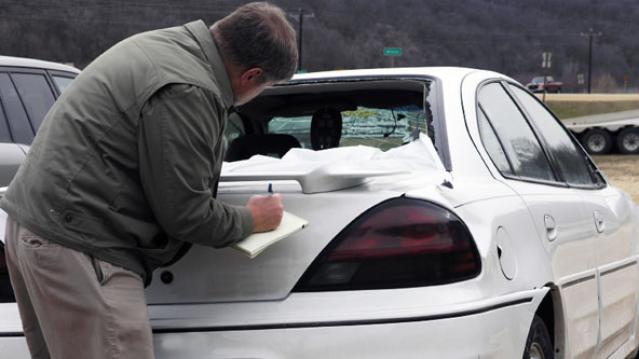
As if you don’t have enough to worry about when your 16-year-old hits the road for the first time, get ready to see your insurance bill nearly double.
The average insurance premium for a married couple goes up 80 percent on average when adding a teen, but it spikes a full 16 percent more for adding a 16-year-old, according to a new report by InsuranceQuotes.com.
Requesting a “good student” discount is one way to offset the premium hike. “I’ve seen discounts as high as 25 percent for students who maintain at least a B average in high school or college,” InsuranceQuotes.com senior analyst Laura Adams said in a statement.
Related: The Best Time to Buy Car Insurance
And once a teen hits the ripe old age of 19, insurance increases by just 60 percent.
It’s much more expensive to insure teenage boys, with premiums increasing 92 percent for teen males versus just 67 percent for girls.
The analysis found that teenagers cost the most to insure in New Hampshire (115 percent increase), but parents will also see premiums double in Wyoming, Illinois, Maine and Rhode Island.
Hawaii is the only state that prohibits insurance companies from basing insurance quotes on age or length of driving experience, so it has the lowest increase in the nation (17 percent). Other states where parents won’t take as big a hit are New York (53 percent) and Michigan (57 percent).
Parents may be able to nab better car insurance rates by shopping around with several insurers.
Thinking Ahead Could Be Holding Women Back

Different attitudes in how men and women prepare for their futures might be a factor contributing to the gender gap, a new study published in Gender & Society finds.
In imagining their work paths, women were disproportionately more likely to think and worry about parenthood than men. And in anticipation of the responsibilities and challenges that parenthood brings, women were more likely than men to downscale or alter their career goals.
Brooke Conroy Bass, who wrote the article, conducted in-depth interviews with 30 heterosexual couples between 25 and 34 who have not (yet) had children.
Related: Millennial Women Are Taking Charge – at Home and at Work
Preparing for the future has emotional and behavioral consequences for women that men don’t suffer as much from, she found. Because of these “gendered anticipations of parenthood,” the inequality in the market starts much earlier than we tend to think.
Bass told Futurity that career trajectories among men and women shift as parenthood approaches, with men investing more effort in their jobs and women dialing back.
The study suggests that part of the problem contributing to the gender wage gap, penalization for maternity leave and the difficulty of making it to the top is anticipating the future.
But should women be penalized for displaying foresight, a characteristic that employers usually value?
American Kids Aren’t Such Stoners After All
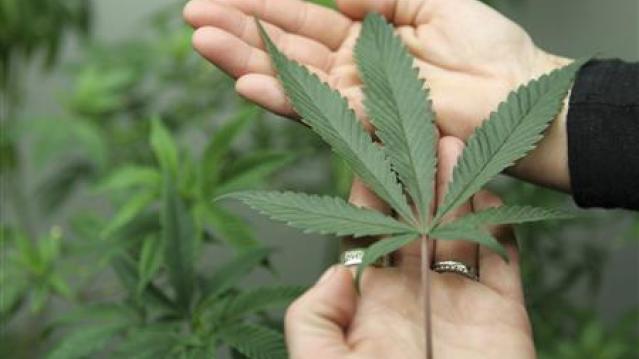
Turns out the young people of America are not as high as you thought they were. The use of illicit drugs, alcohol and tobacco among young people has been falling, according to new data.
While the nationwide rate of illicit drug use has gone up, the percentage of youths using illicit drugs has declined, according to a report from the Substance Abuse and Mental Health Service Administration (SAMSHA), part of the Department of Health and Human Services. The illicit drugs include marijuana/hashish, cocaine (including crack), hallucinogens, heroin, inhalants or prescription-type psychotherapeutics.
Among youths aged 12 to 17, the rate of illicit drug use was down to 8.8 percent in 2013 from 9.5 to 11.6 percent in the years 2002 to 2007, the SAMSHA study said.
Related: New Lifetime Estimate of Obesity Costs: $92,235 Per Person
But in 2013, drug use among those 12 or older was up to 9.4 percent from the 7.9 to 8.7 percent found between 2002 and 2009. The rise was attributed to increased rates of marijuana use, both medical and nonmedical, among adults aged 26 and older — and that rise probably doesn't fully reflect the recent legalization of recreational marijuana in Colorado, Washington, Oregon and Alaska.
The report also suggested that alcohol is losing some of its allure for the young.
Between 2002 and 2013, the percentage of underage people who drank declined from 28.8 percent to 22.7 percent. In addition, the proportion of binge drinkers — those who consumed five or more drinks during one occasion — decreased from 19.3 percent to 14.2 percent in the same years.
In additional good news, tobacco and cigarette use among all age groups has declined sharply since 2002.
Your Airplane Carry-on Bag Is About to Shrink
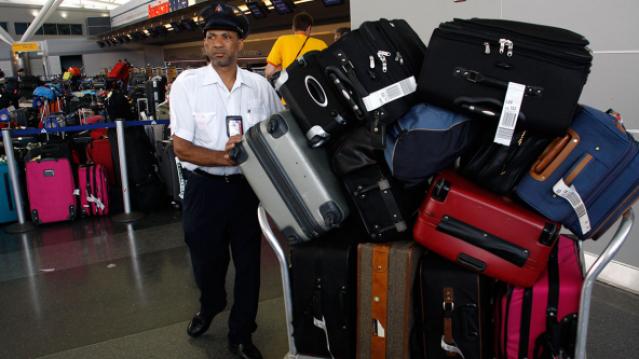
Are you one of those people who likes to brag about how you can fit a week’s worth of stuff into your carry-on suitcase? If so, your job is about to get harder.
The International Air Transport Association, a trade group representing some 250 airlines, has introduced a proposal to reduce the maximum allowable carry-on suitcase size. Under the proposed rule change, carry-on bags would have to be less than 21.5 x 13.5 x 7.5 inches. Current rules for carry-on size vary by airline, but they’re generally larger than that.
The organization claims that this would allow all passengers on a plane to store their bags in the cabin. “The development of an agreed optimal cabin bag size will bring common sense and order to the problem of differing sizes for carry-on bags,” IATA Senior Vice President for Airport, Passenger and Cargo Security said in a statement. “We know the current situation can be frustrating for passengers.
Related: 6 Sneaky Fees That Are Making Airlines a Bundle
Several major airlines have signaled interest in introducing the guidelines, according to IATA. Luggage manufacturers will start labeling bags that meet the new criteria as “IATA Cabin OK.”
The rule change may force more consumers to check luggage and pay the checked-bag fees many airlines have introduced in the past few years. Airlines typically charge $25 for the first bag, $35 for the second, and more than $100 for a third bag.
Some airlines, including Spirit, Allegiant and Frontier, also charge passengers for carry-on bags.